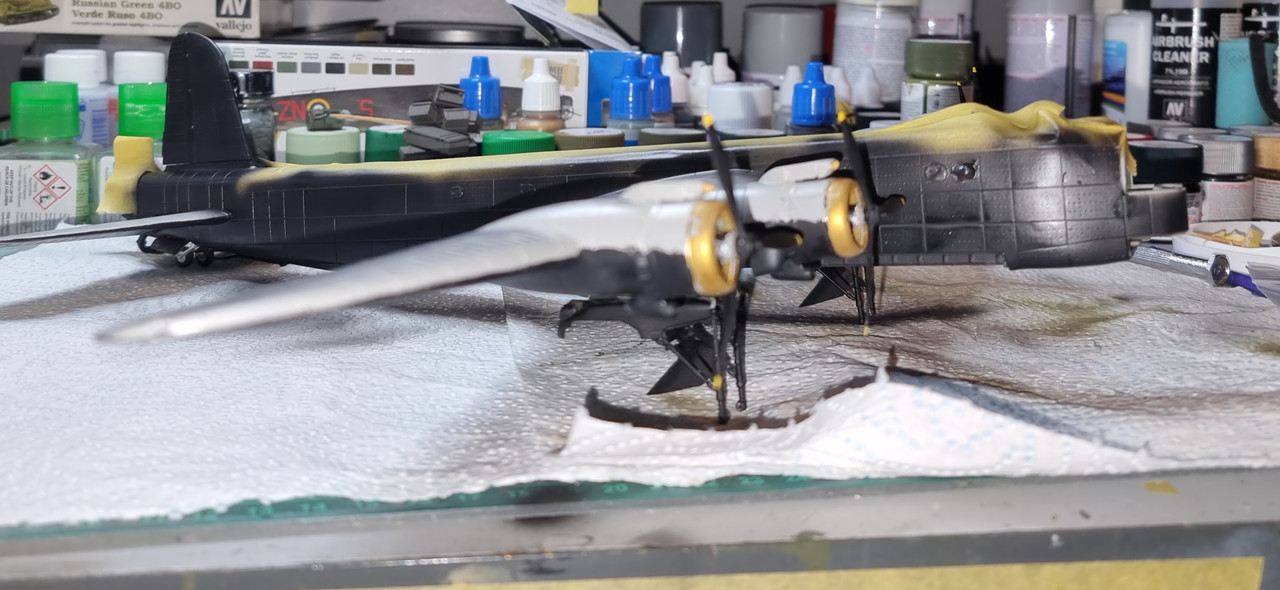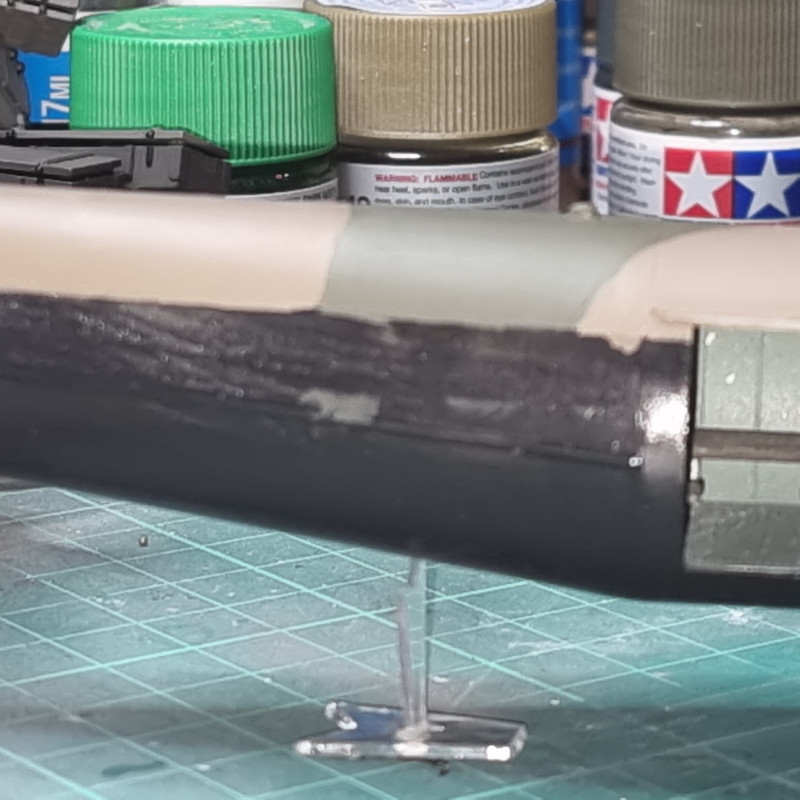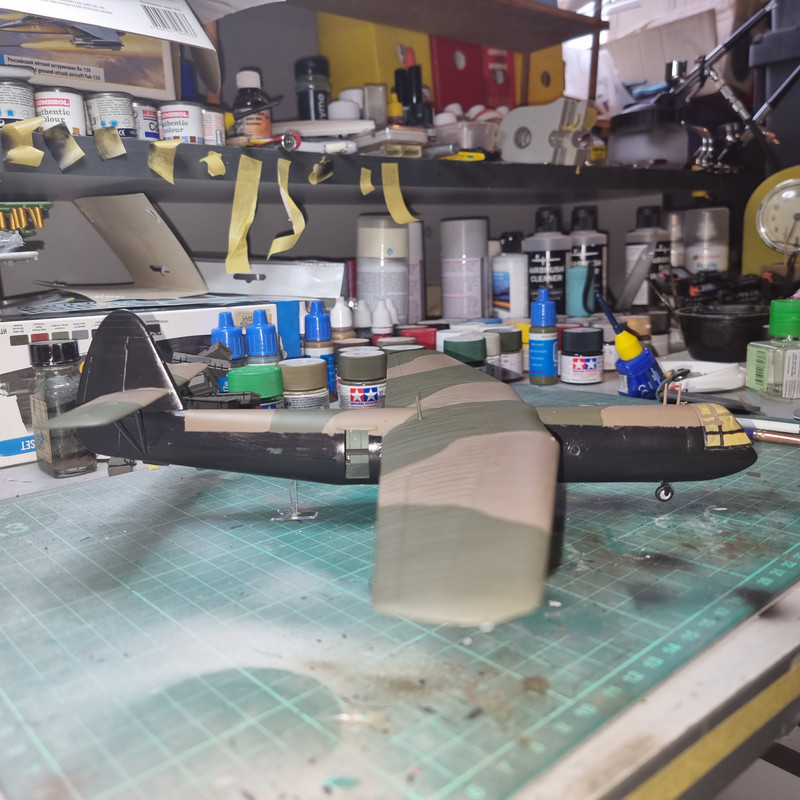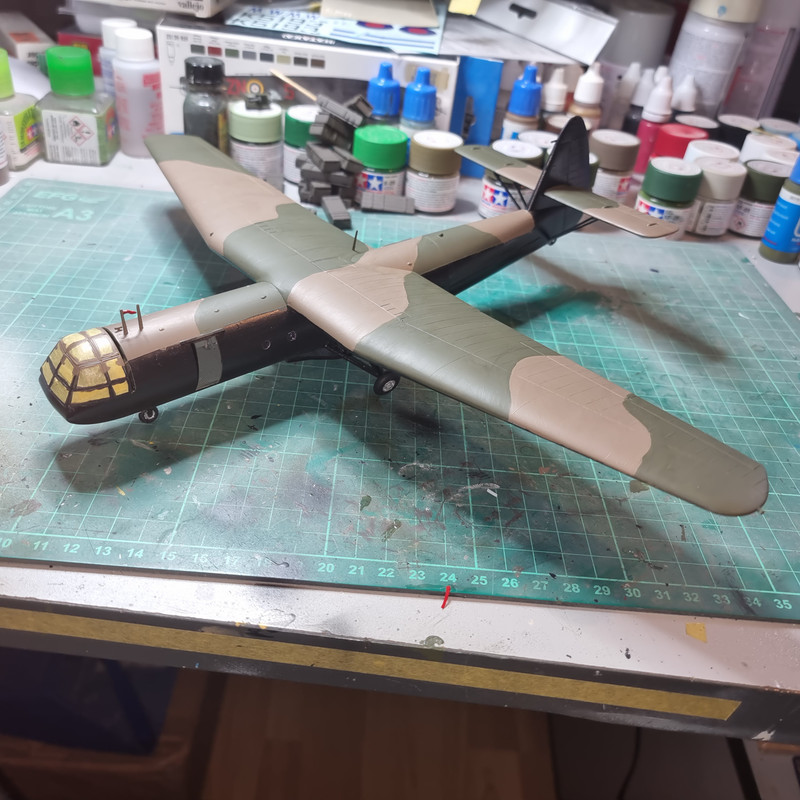


First - the types history:
The Stirling was designed during the late 1930s by Short Brothers to conform with the requirements laid out in the Air Ministry Specification B.12/36. Prior to this, the RAF had been primarily interested in developing increasingly capable twin-engined bombers such as the Hampden, Whitley & Blenheim, but had been persuaded to investigate a prospective four-engined bomber as a result of promising foreign developments in the field. Out of the submissions made to the specification, Supermarine proposed the Type 317, which was viewed as the favourite, whereas Short's submission, named the S.29, was selected as an alternative. When the preferred Type 317 had to be abandoned, the S.29, which later received the name Stirling, proceeded to production. The Stirling was the only RAF bomber in WW II to be designed from the outset with 4 engines as both the Halifax and Lancaster evolved from twin engine designs. The top speed of the design was between 250 to 270 mph carrying a 14,0000lb bomb load (although substantial the internal design of the bomb bay that was divided into cells meant the biggest bomb it could carry was a2,000lb one). Operational ceiling was 19,400 feet and the operational range with a full bomb load was 590 miles.
Crew consisted of 7 men - 2 pilots, navigator/bomb aimer, wireless operator/front gunner, flight engineer, rear gunner, mid-upper gunner.
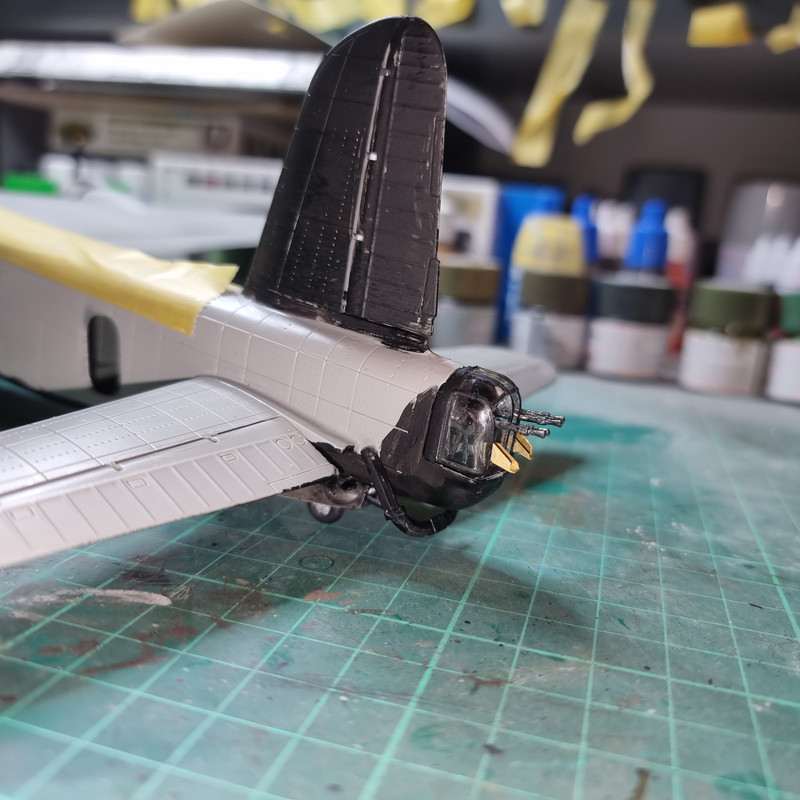
The Stirling entered squadron service early in 1941 and was the first of the RAF's 4 engined "Heavies". During its use as a bomber, pilots praised the type for its ability to out-turn enemy night fighters and its favourable handling characteristics, whereas the altitude ceiling was often a subject of criticism. The Stirling had a relatively brief operational career as a bomber before being relegated to second-line duties from late 1943, due to the increasing availability of the more capable Handley Page Halifax and Avro Lancaster, which took over the strategic bombing of Germany. Decisions by the Air Ministry on certain performance requirements (most significantly to restrict the wingspan of the aircraft to 100 feet or 30 metres to fit in the then standard RAF hangar) had played a role in limiting the Stirling's performance; the 100 ft limit also affected earlier models of the Halifax (MkI and MkII) but the designers of the Lancaster ignored this. A particular quirk of the Stirling Luftwaffe pilots were quick to exploit was that the hydraulic recuperators for the rear turret were located immediately behind the centre of the Roundel painted on the Fuselage
During its later service, the Stirling was used for mining German ports; new and converted aircraft also flew as glider tugs and supply aircraft during the Allied invasion of Europe in 1944–1945. Also for paratroop drops and SOE operations. In the aftermath of World War II, the type was rapidly withdrawn from RAF service, having been replaced in the transport role by the Avro York, a derivative of the Lancaster that had previously displaced it from the bomber role. The last users of the Stirling was the Egyptian airforce who finally retired it in 1951.
Sadly no intact Stirlings are in preservation although sections of two that crashed during WW II exist in musueums in France and the Netherlands. Two other relatively intact crashed aircraft have been located of the coast of the UK and in a lake in Holland, regrettably both are considered unrecoverable due to cost.
The Kit
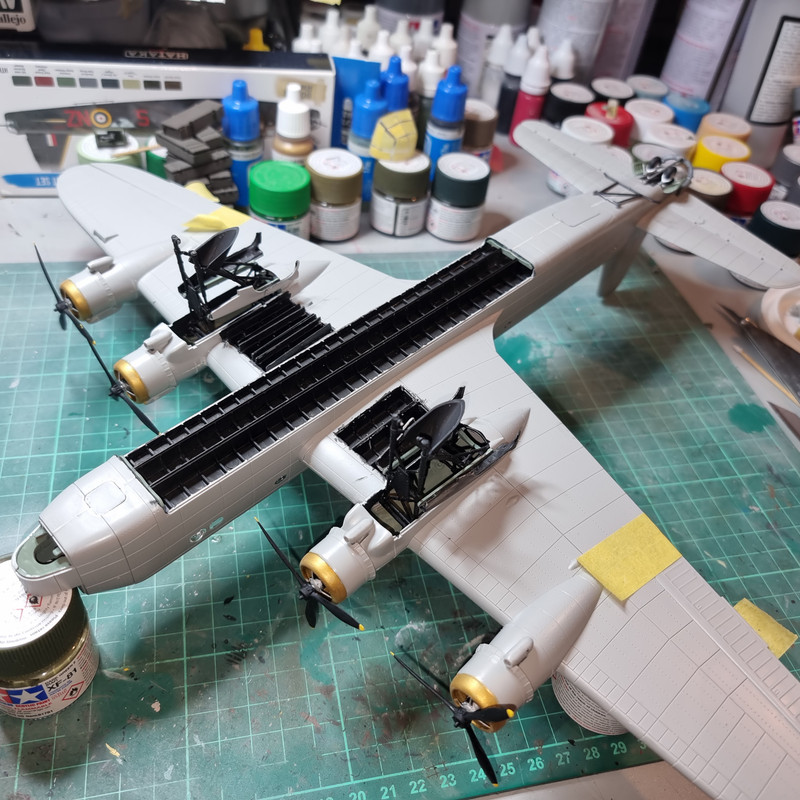
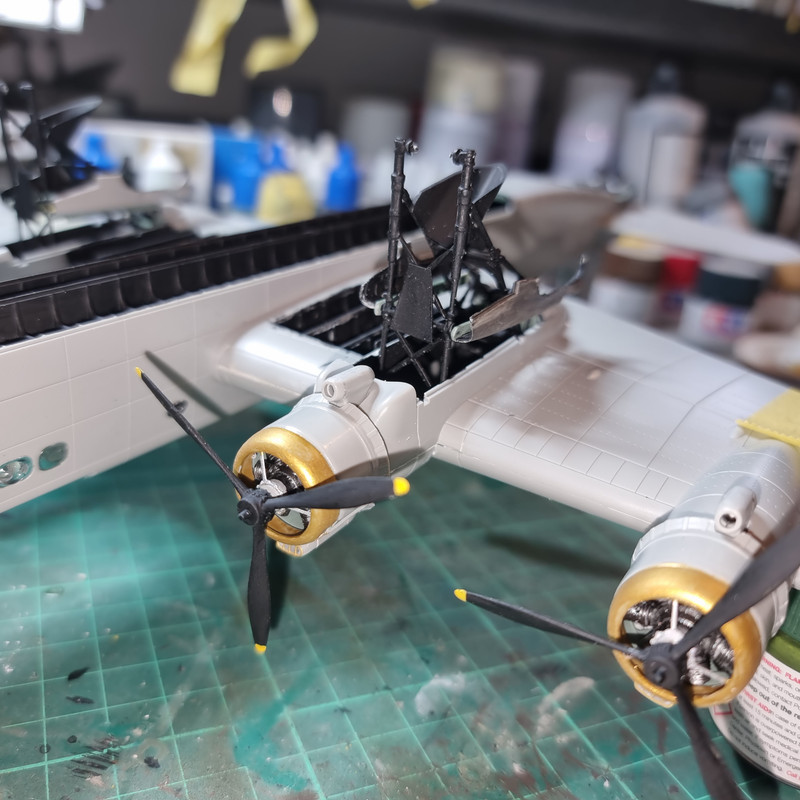
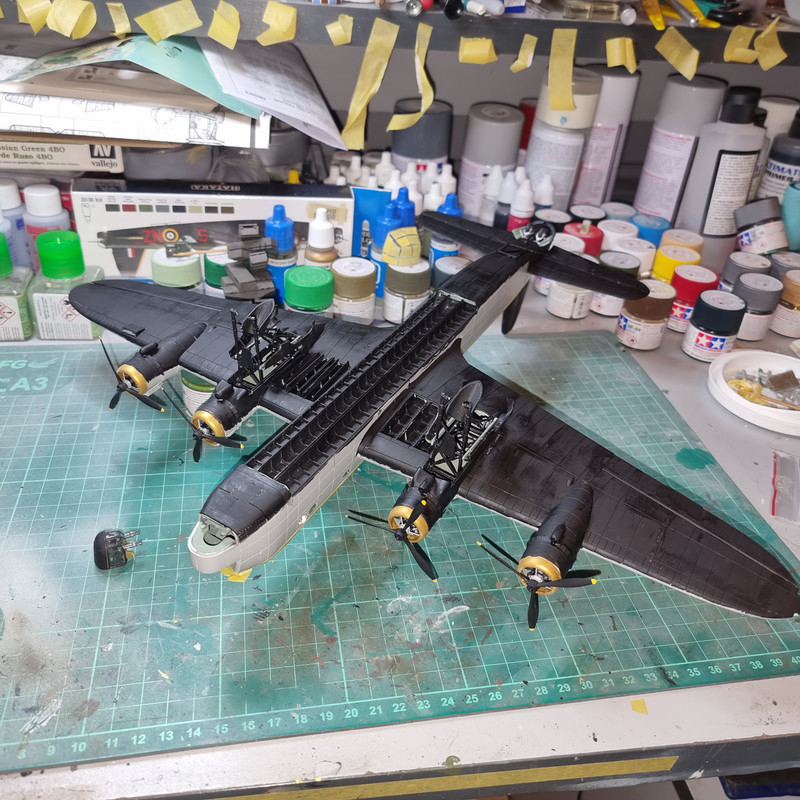
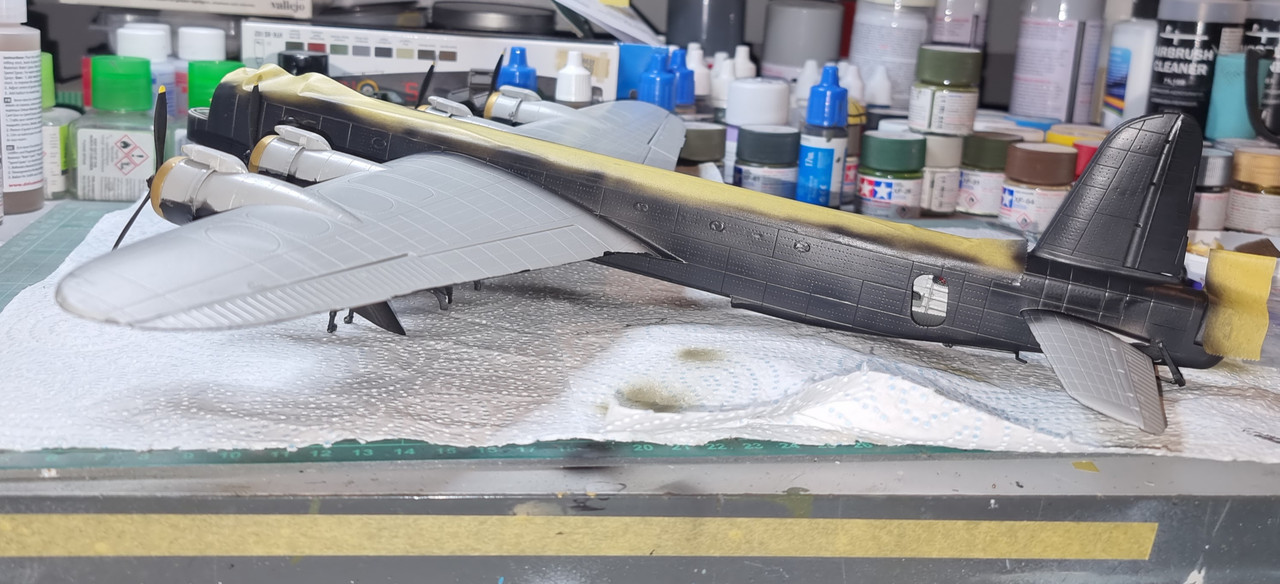
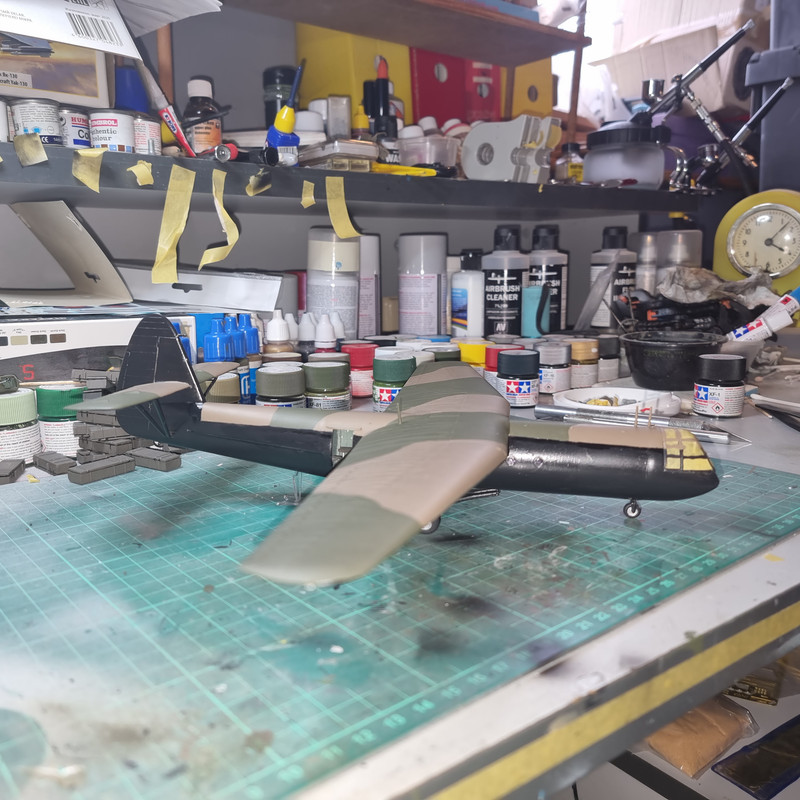
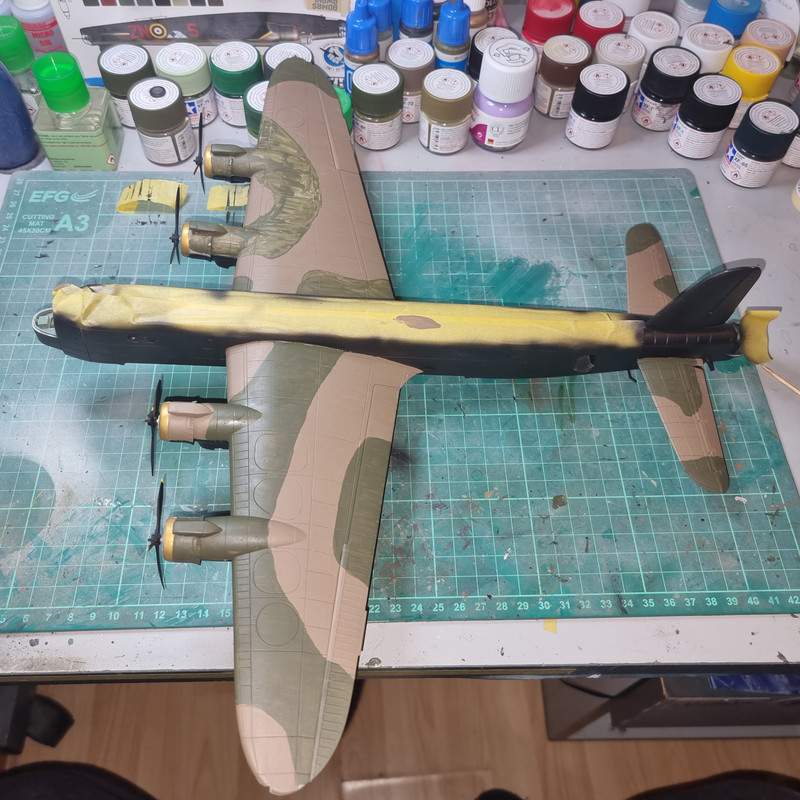
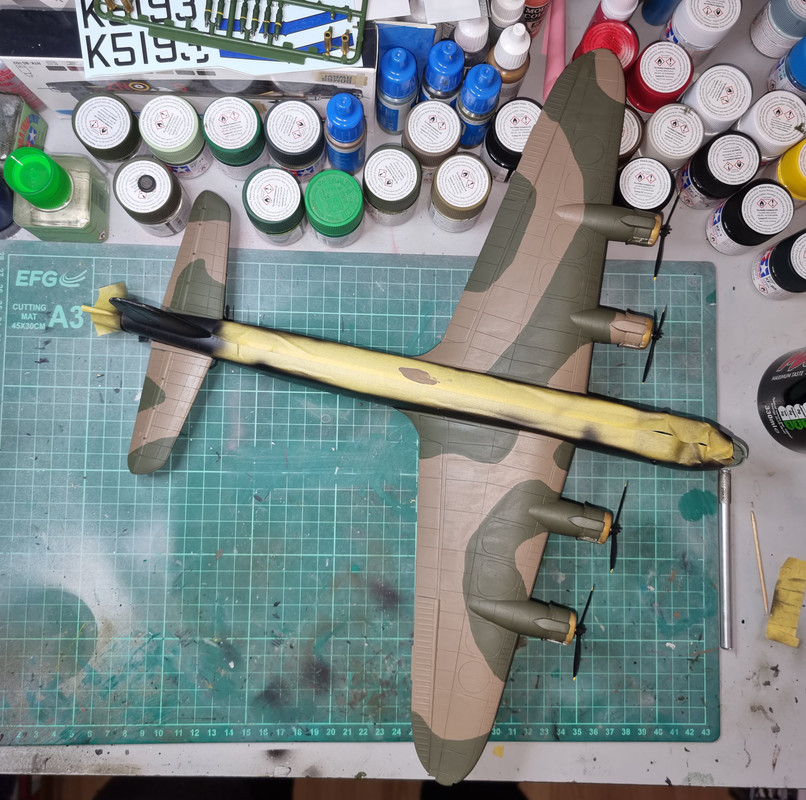
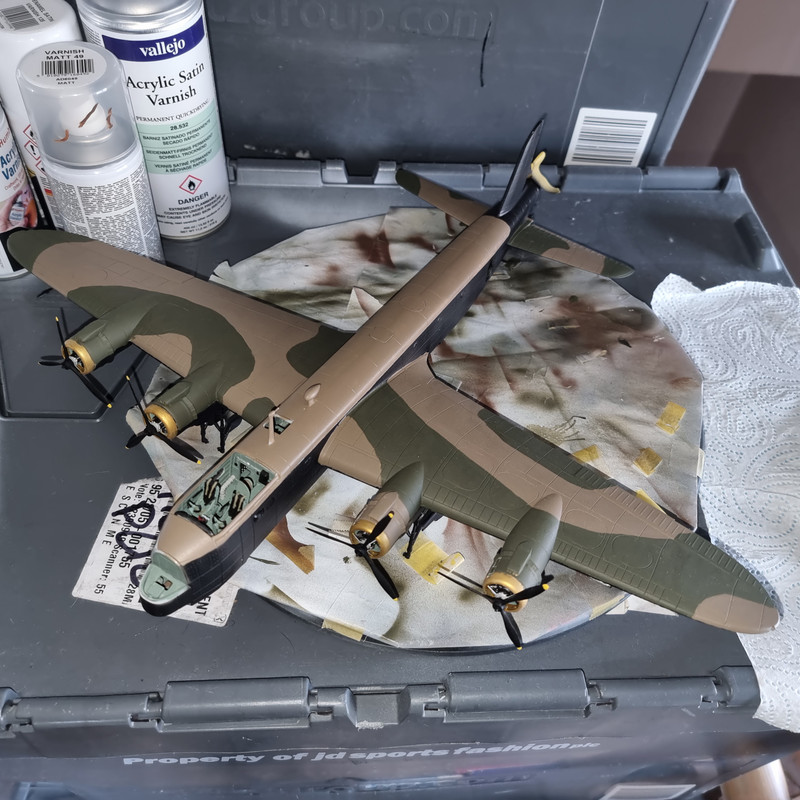
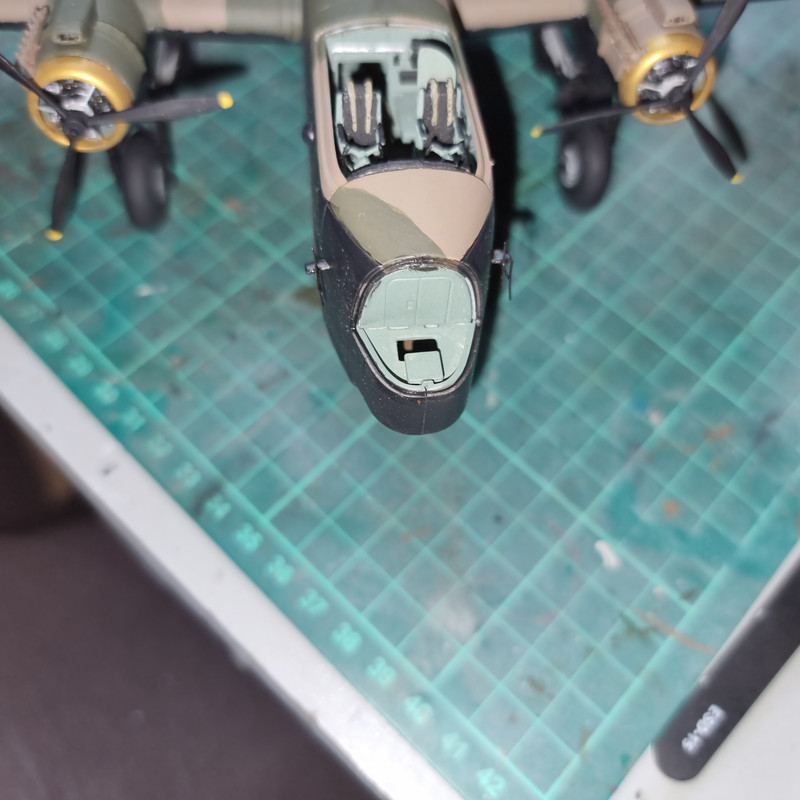
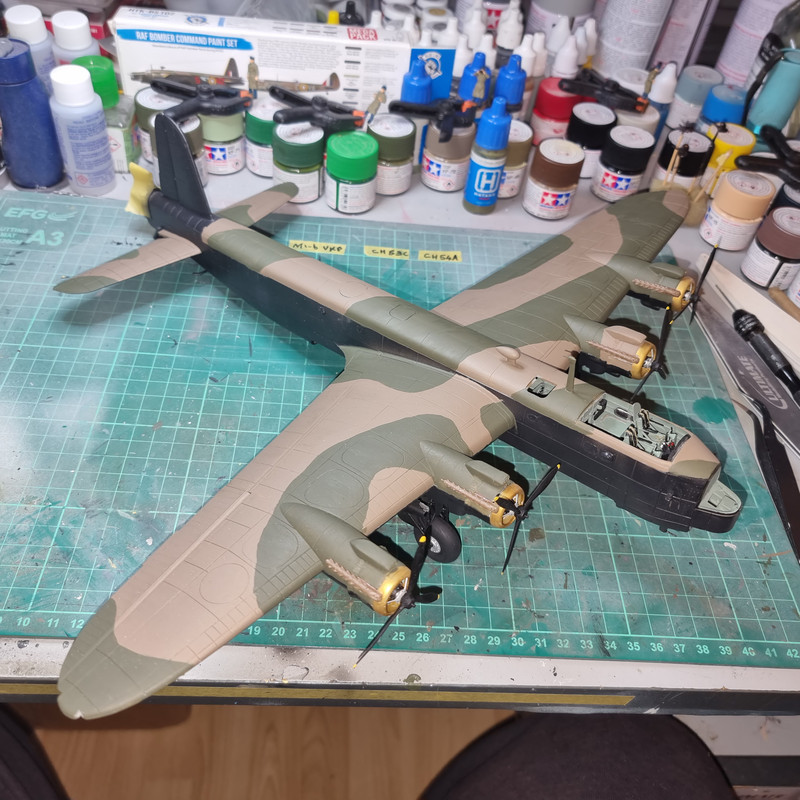
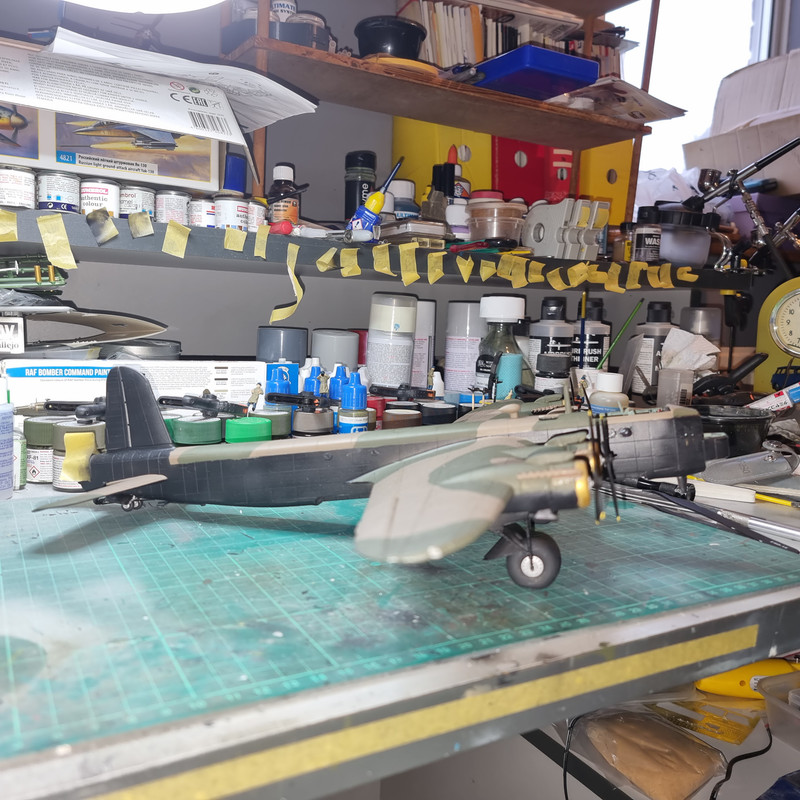
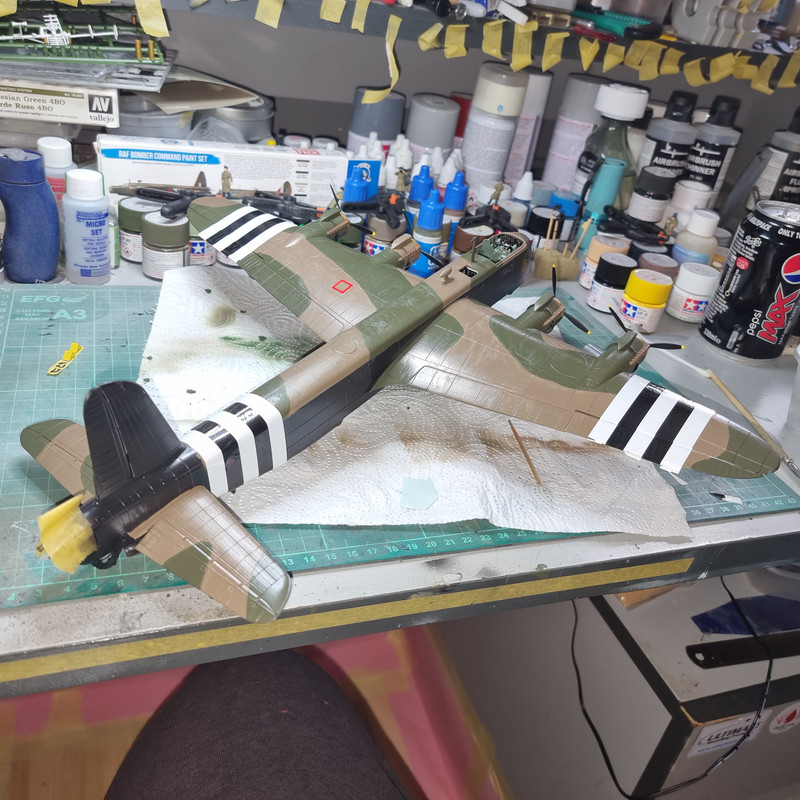
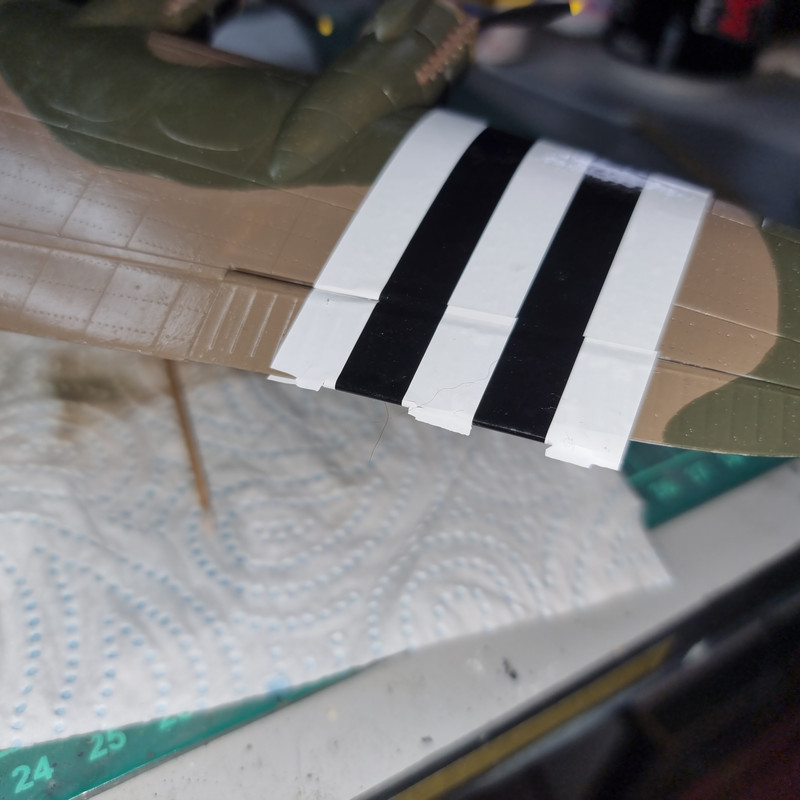
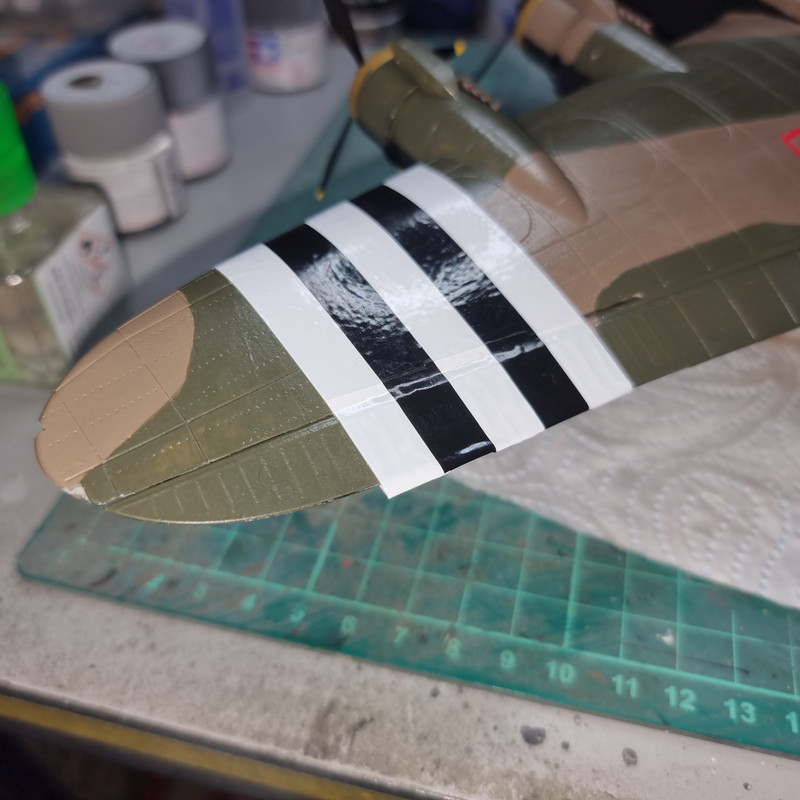
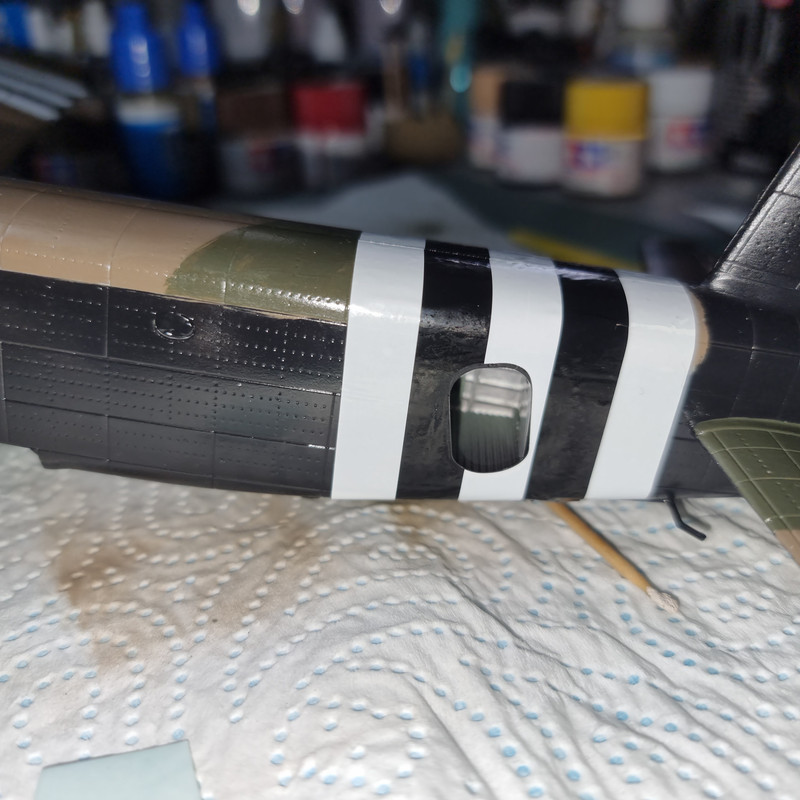
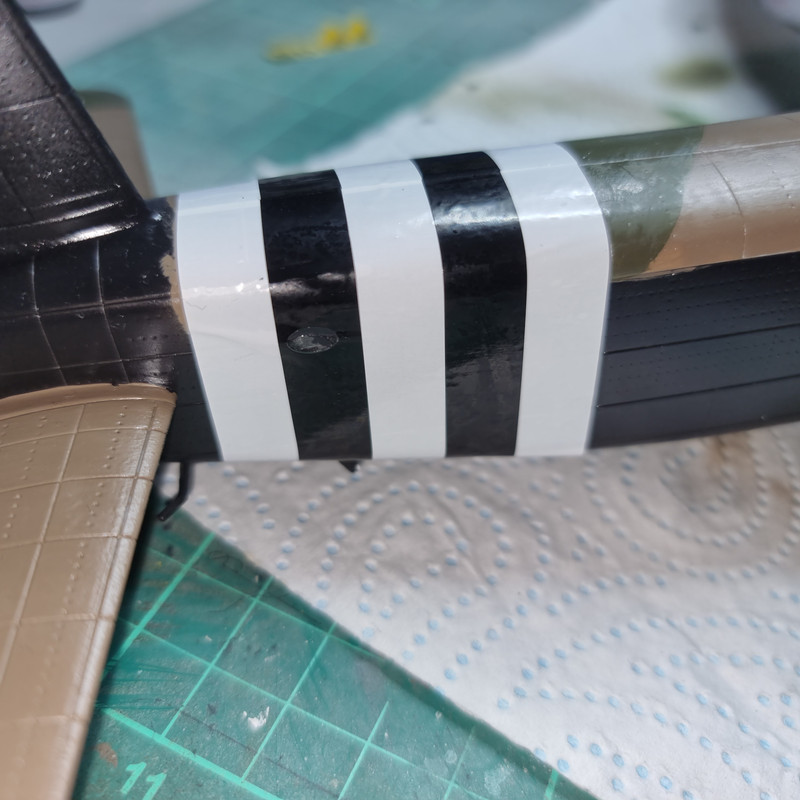
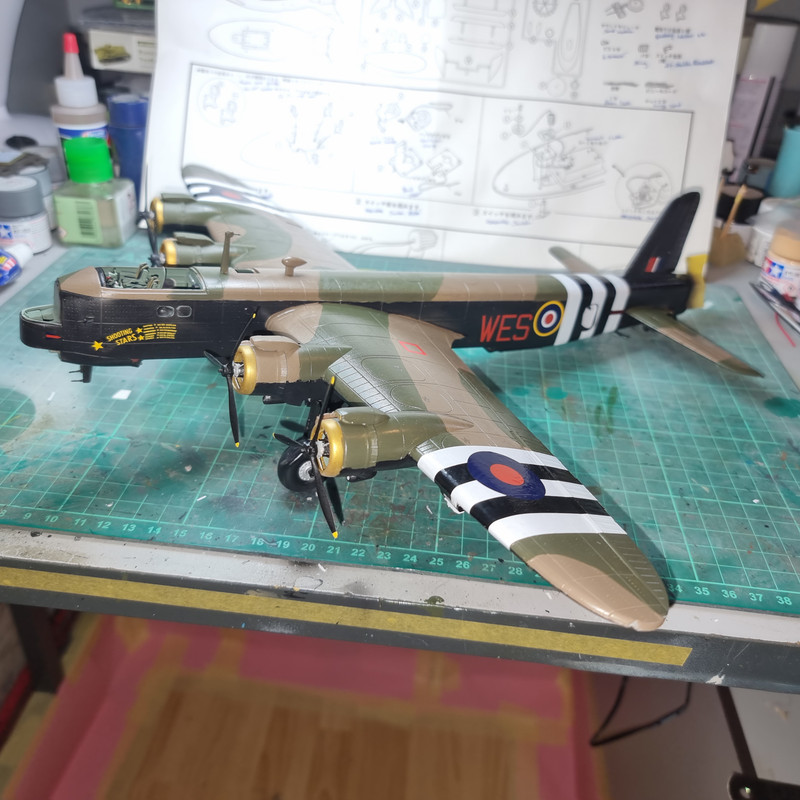
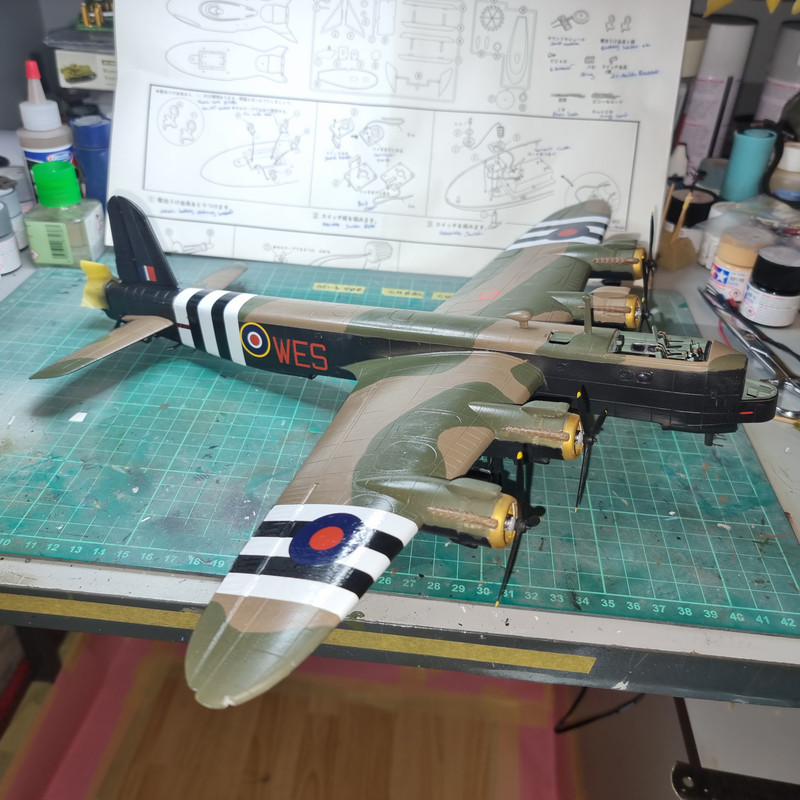
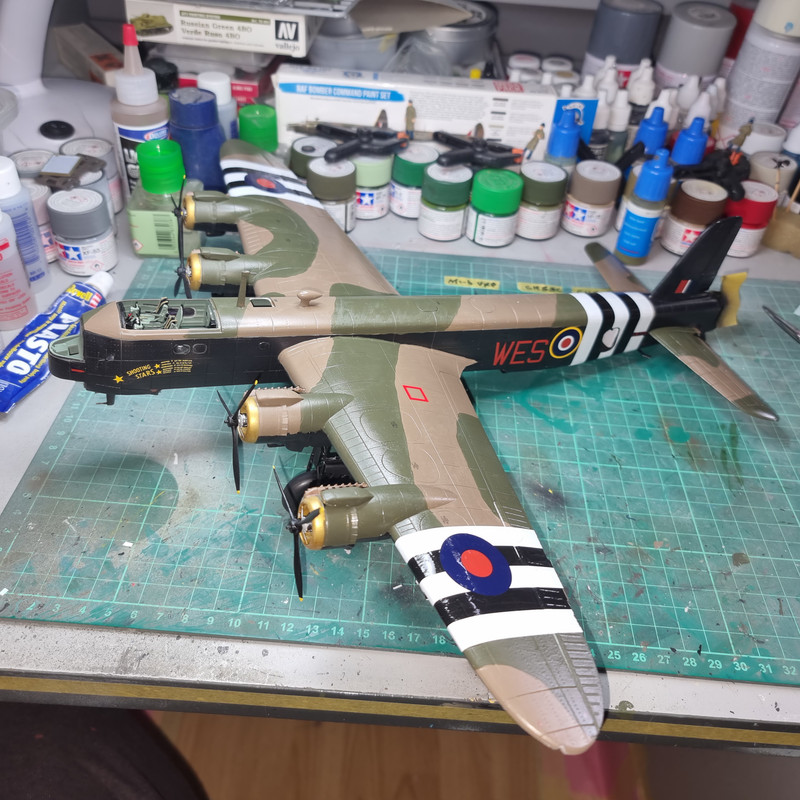
This is the Italeri release of the Stirling Mk IV. This mark was purpose designed as a glider tug/paratroop carrier whilst retaining the ability to carry a bomb load. At first glance it looks very nicely detailed but the crunch will be when the build commences.

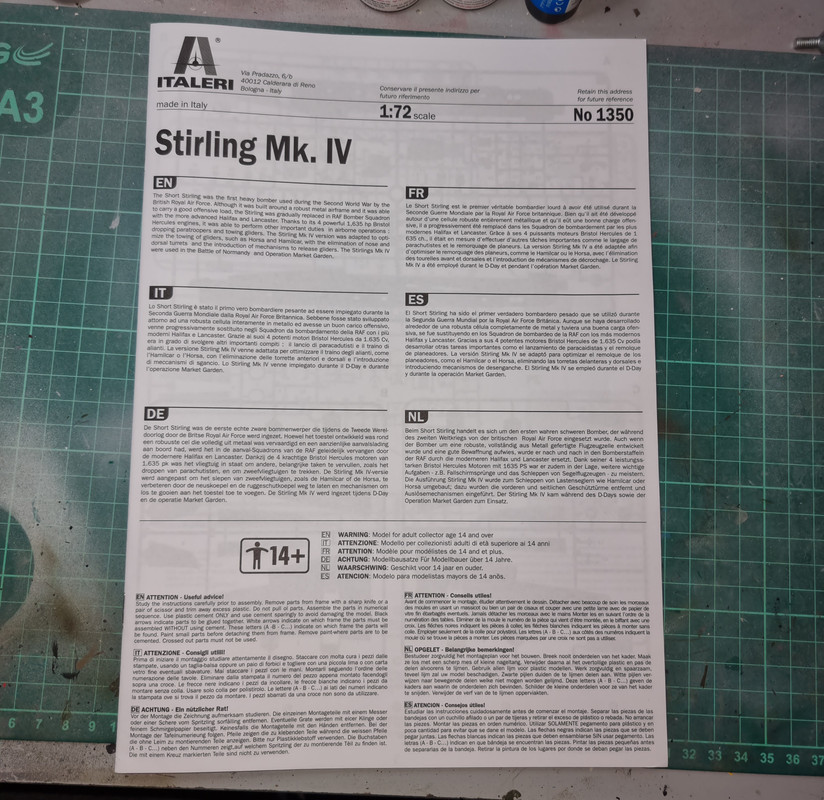
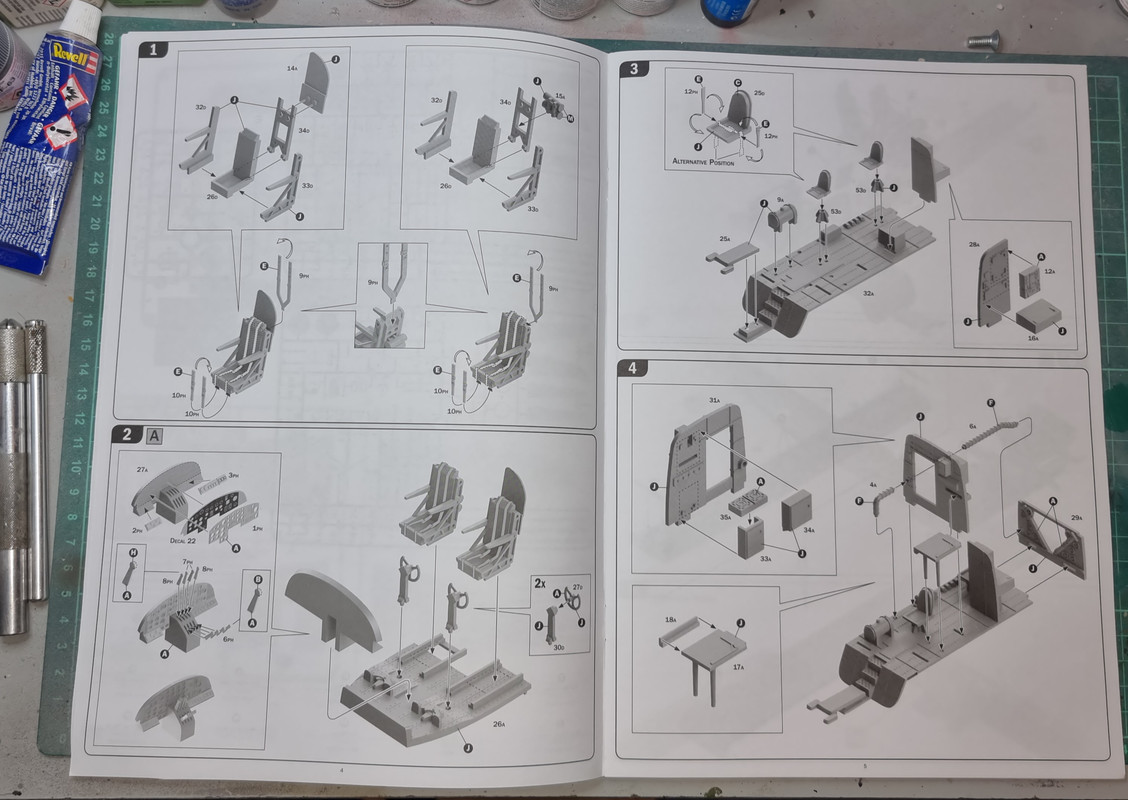
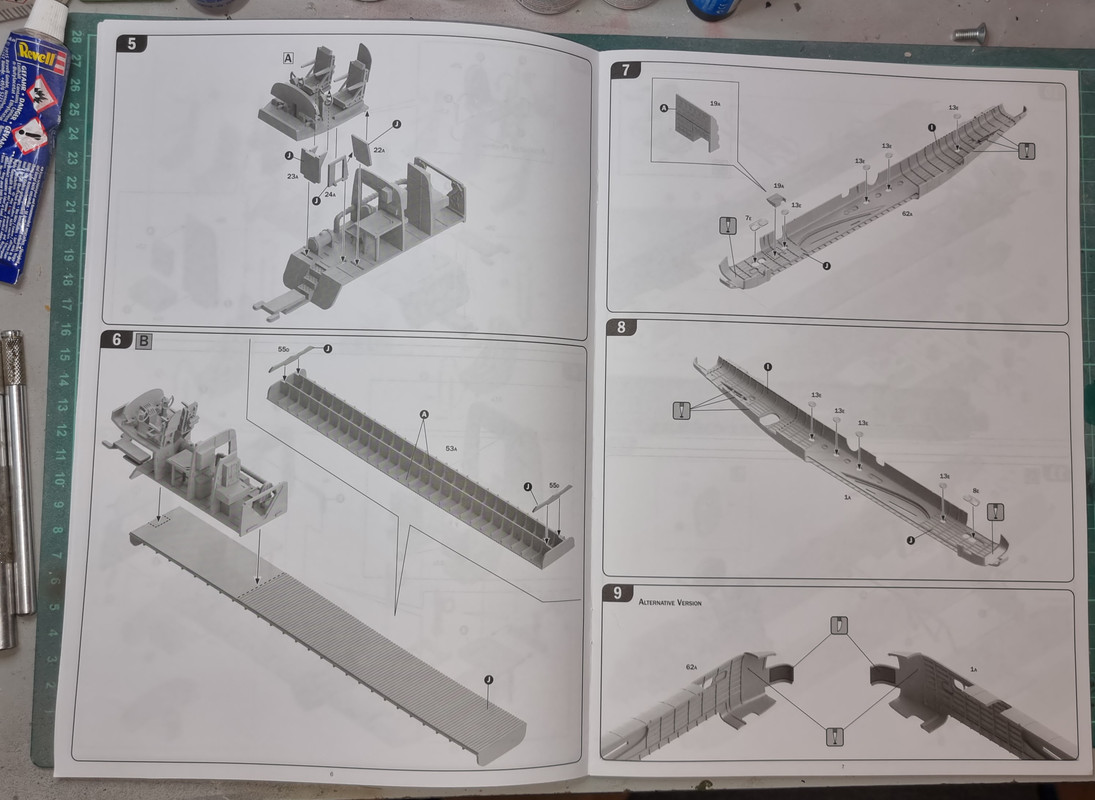
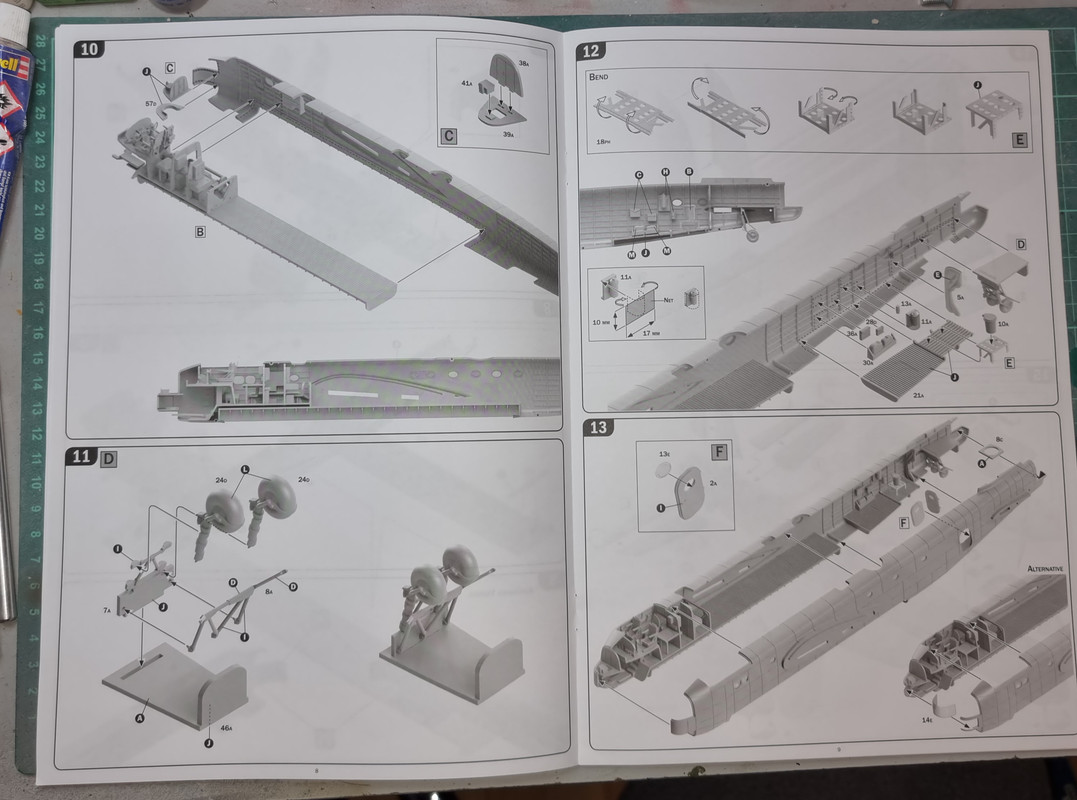
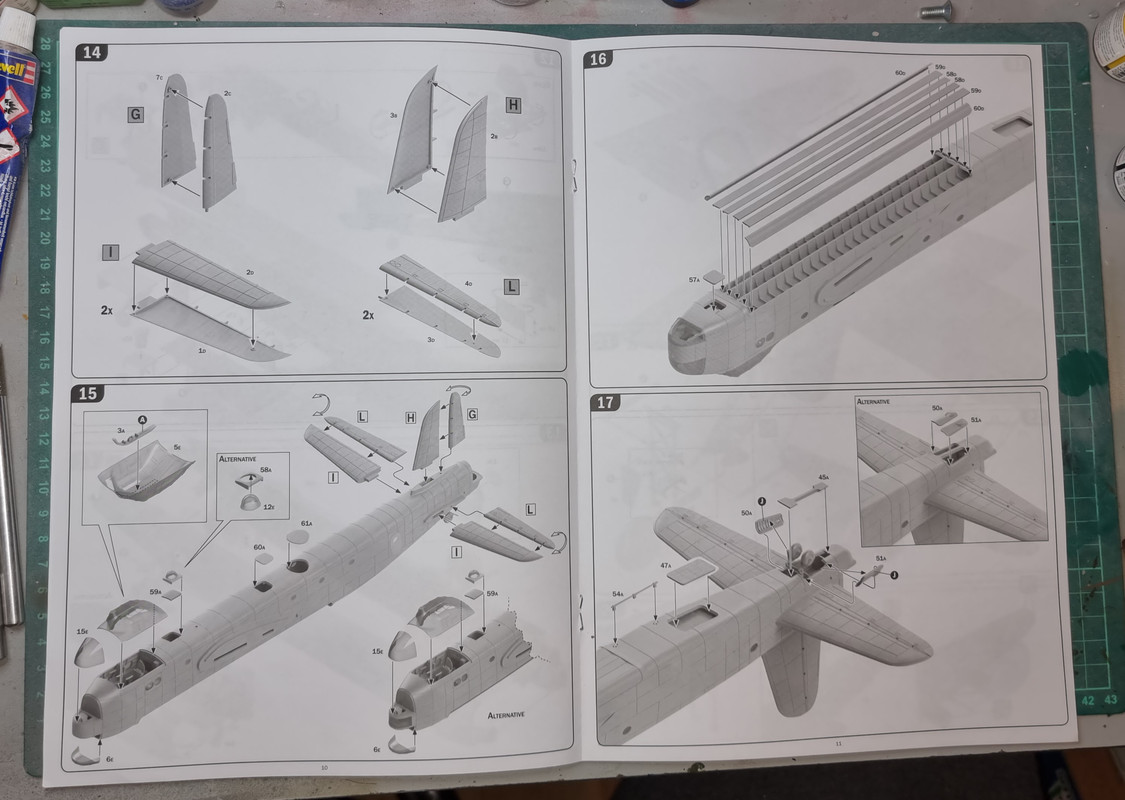
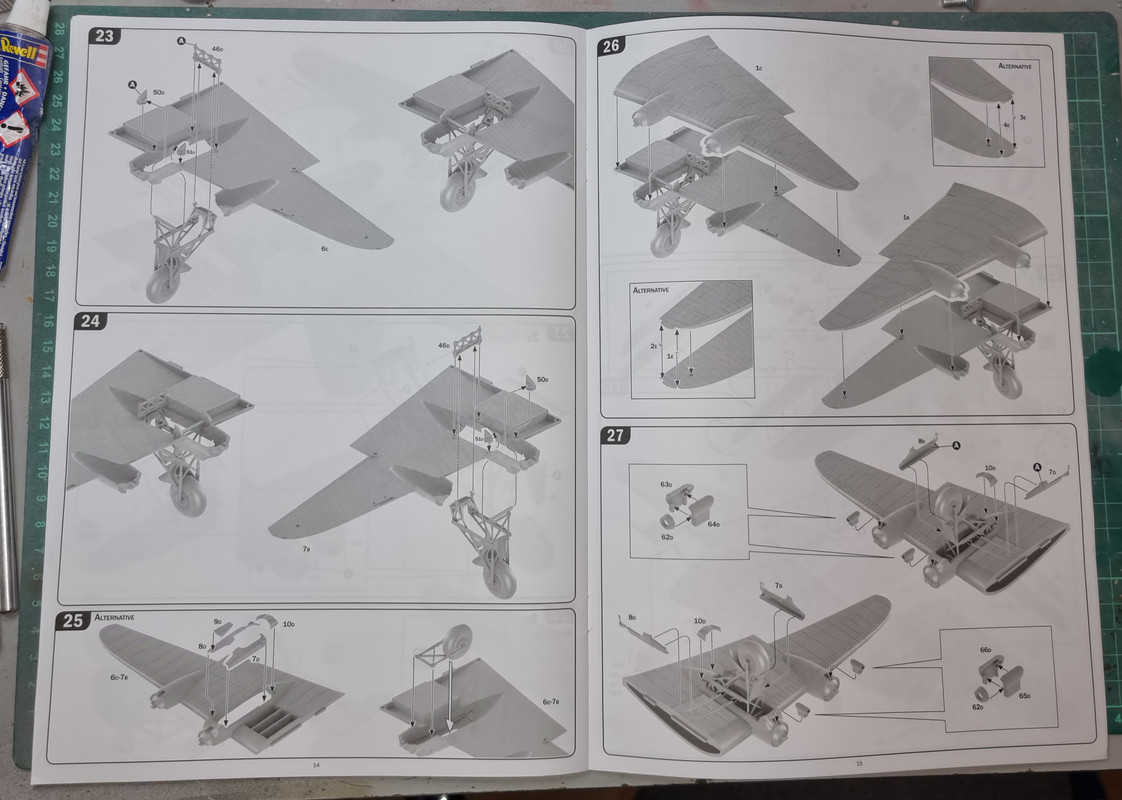
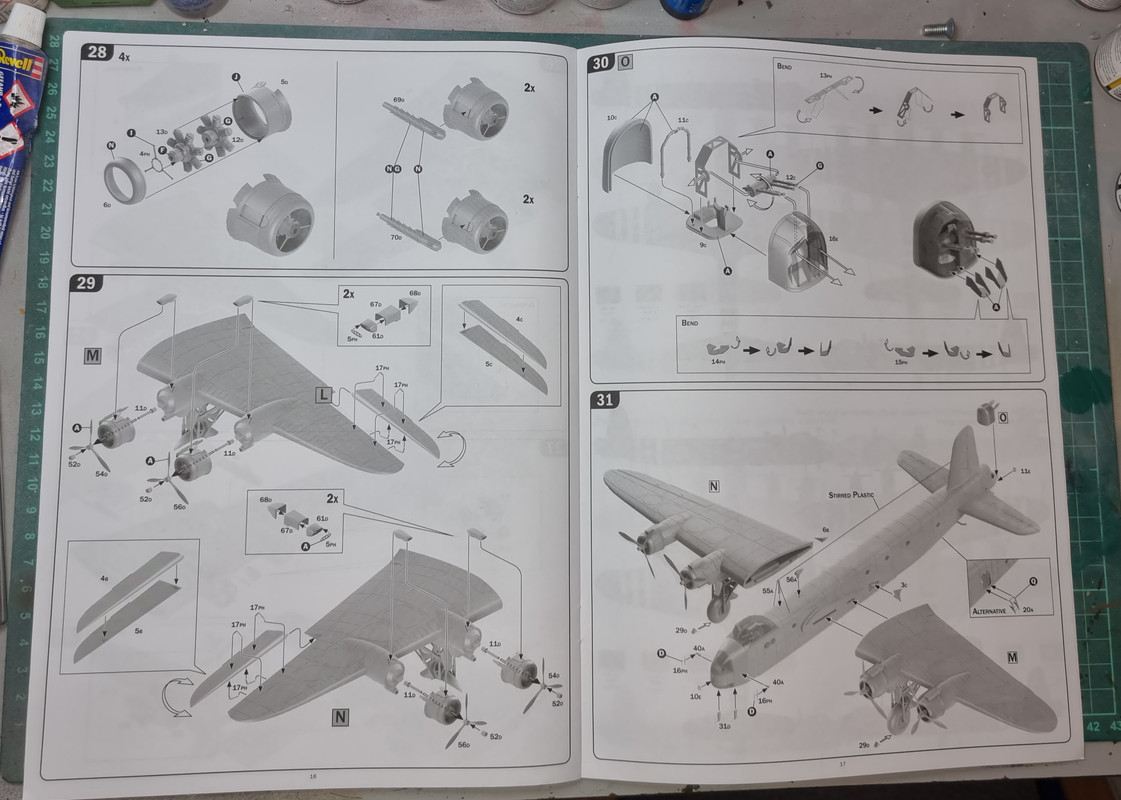
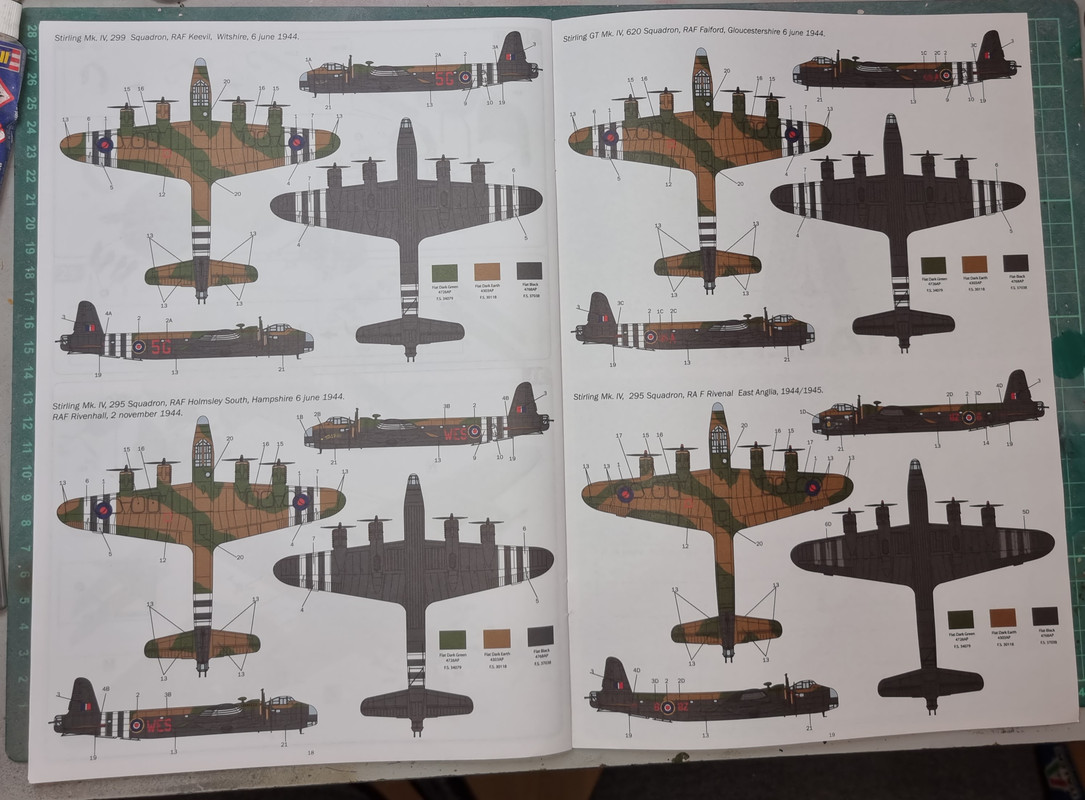
The instructions.
A nice booklet that include interim paint directions for the interior and what looks like cad generated images of completed assemblies so there is no confusion about what goes where. This is a very nice touch given the complexities of some of the sub-ssemblies.
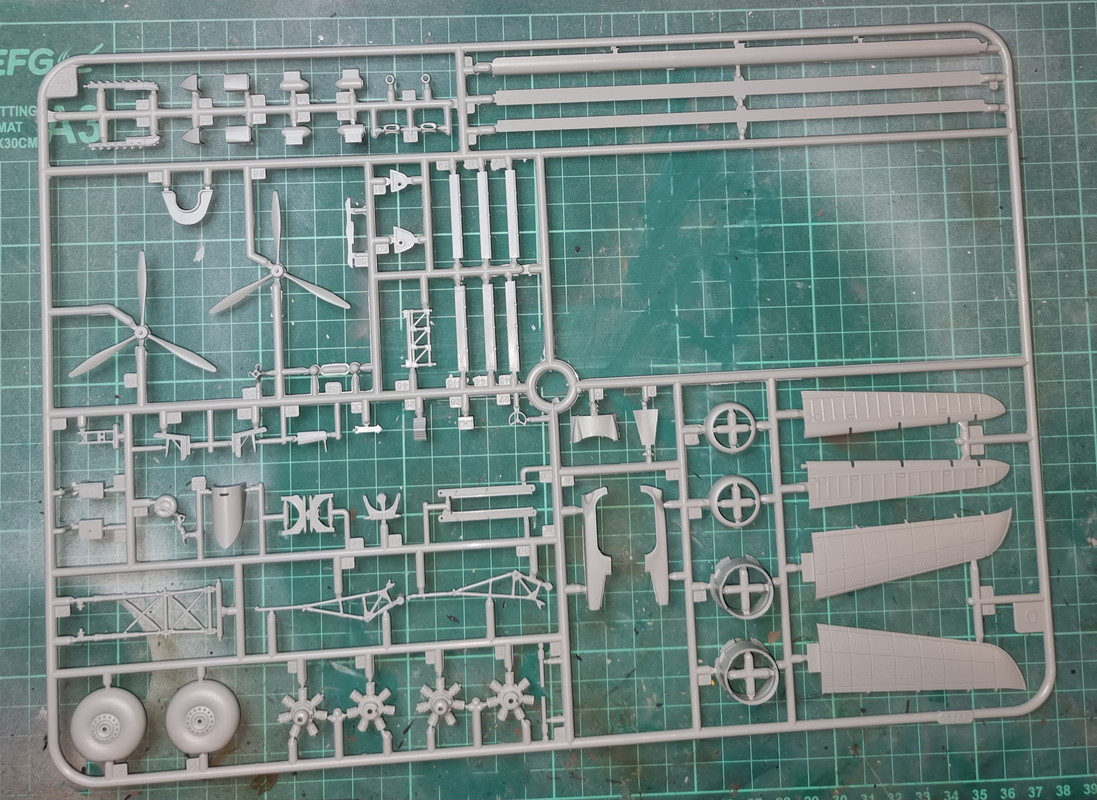
The Sprues
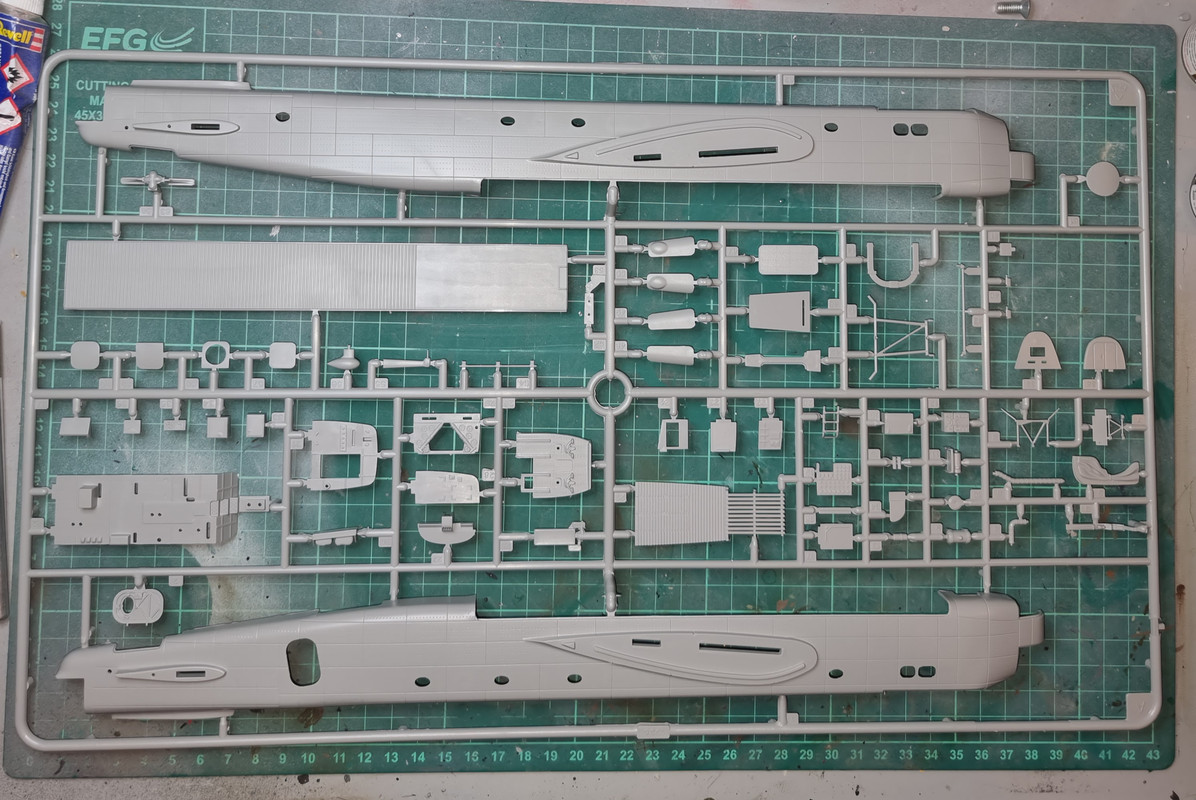
A
B
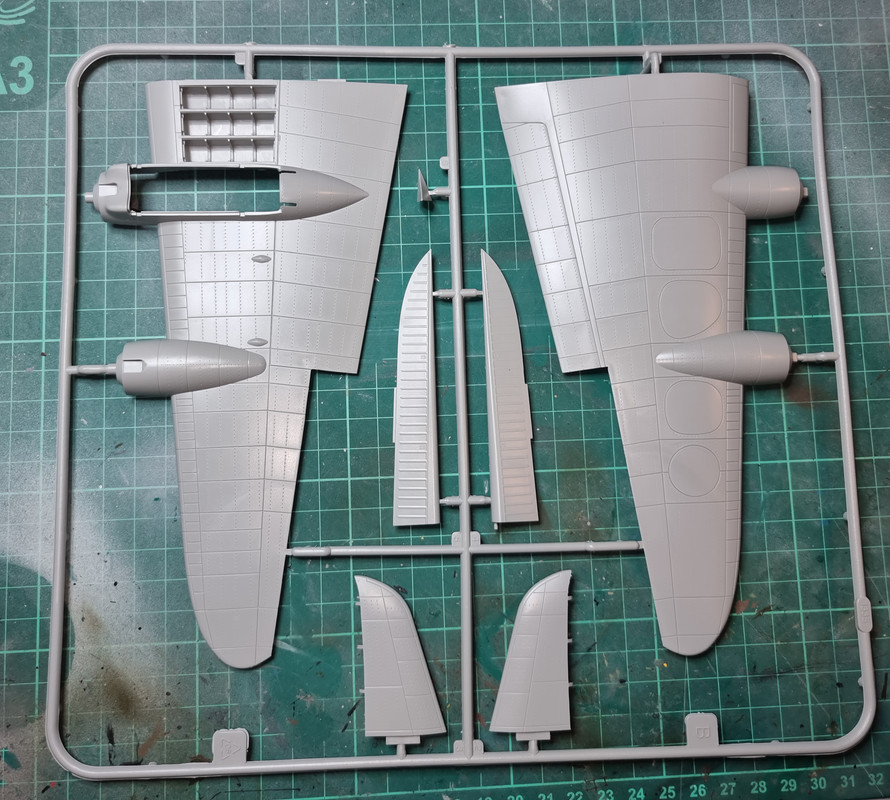
C
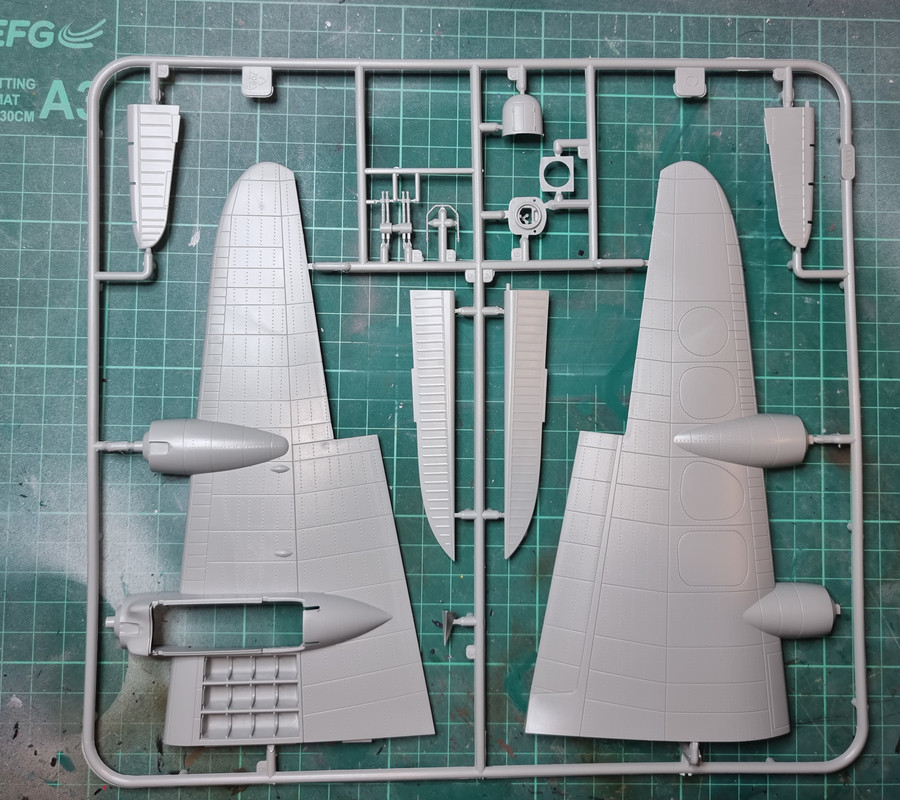
D x 2
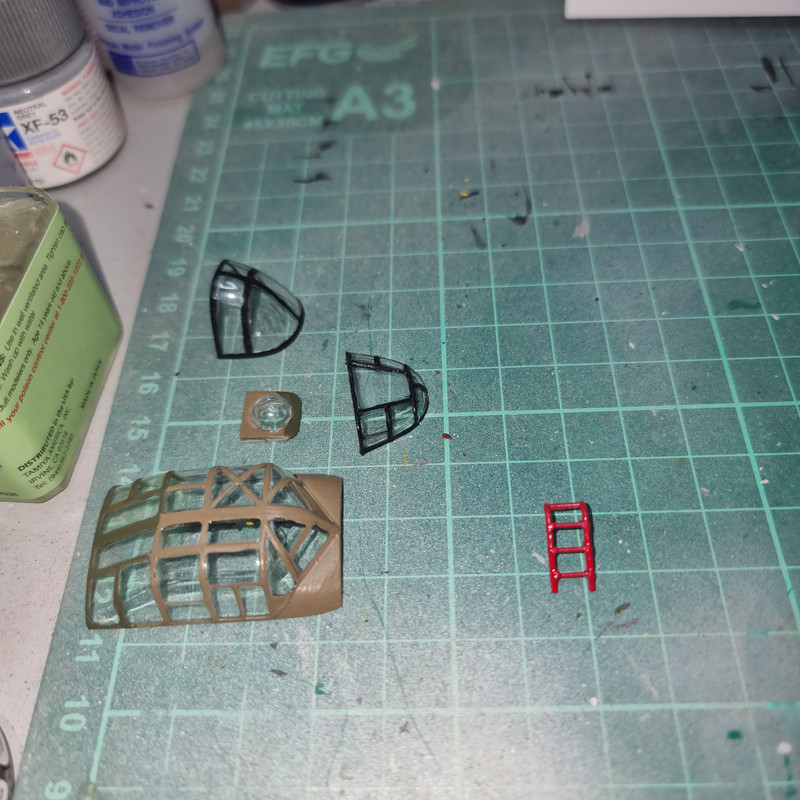
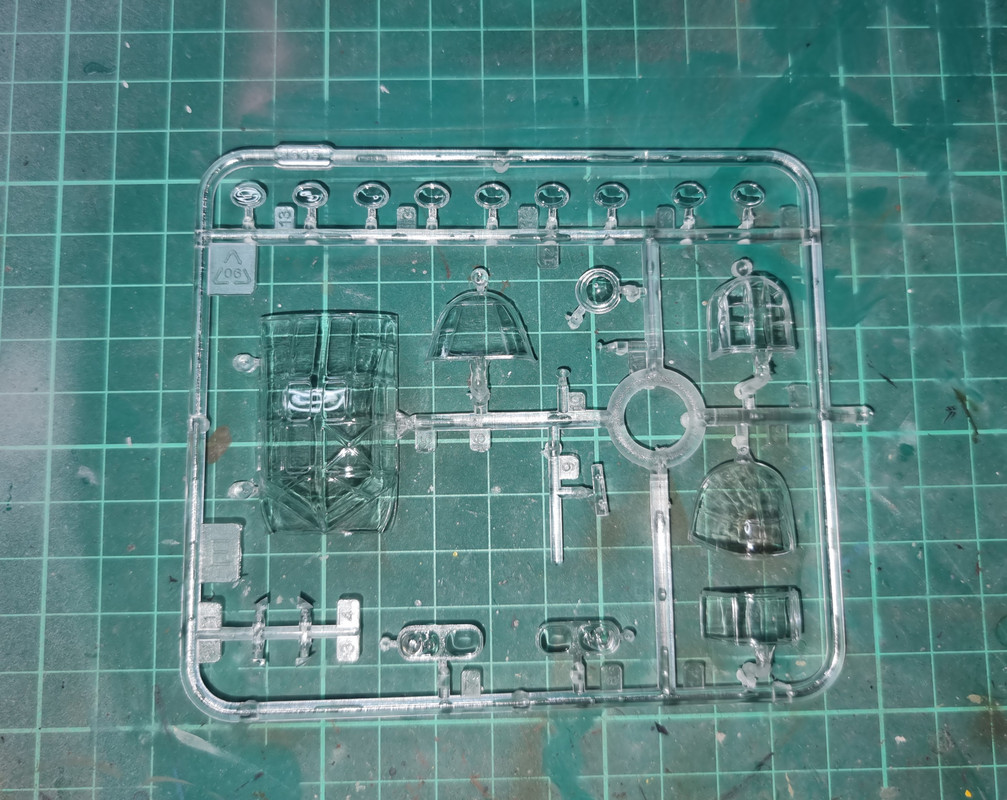
Transparencies
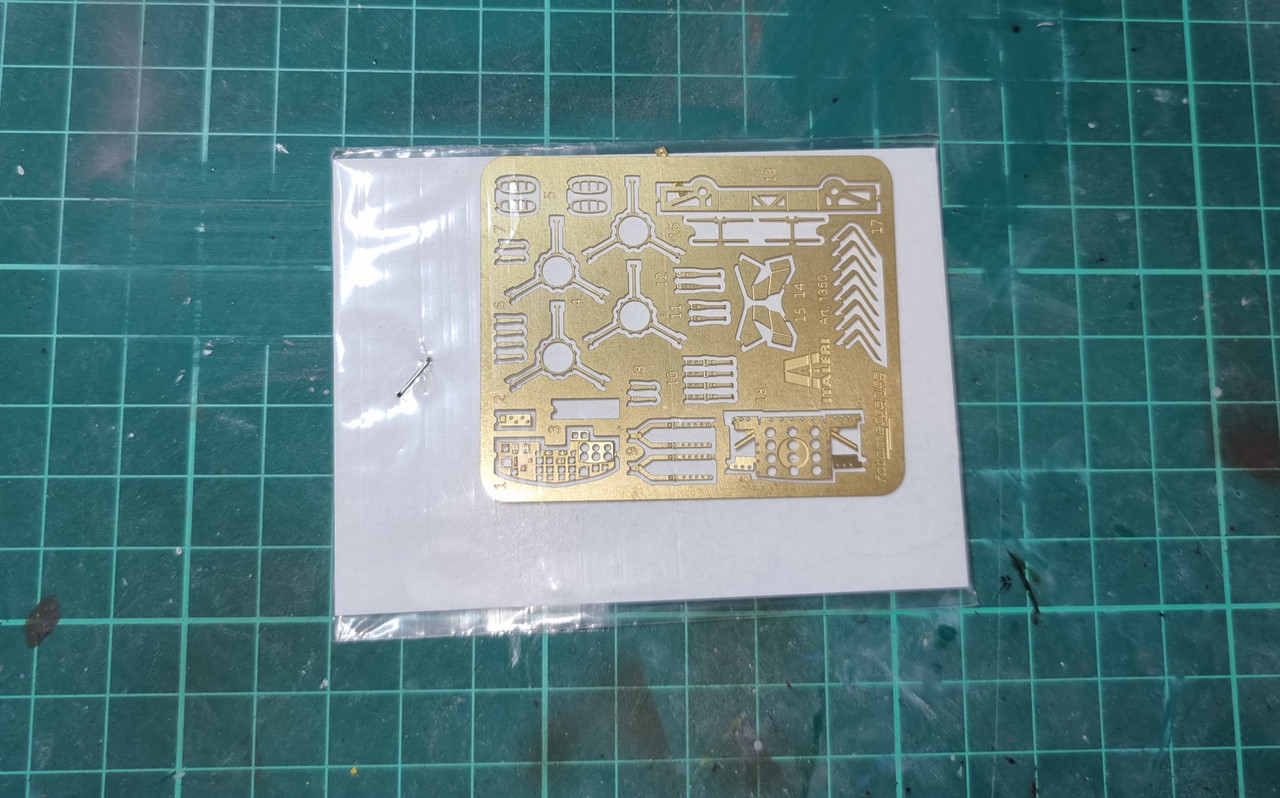
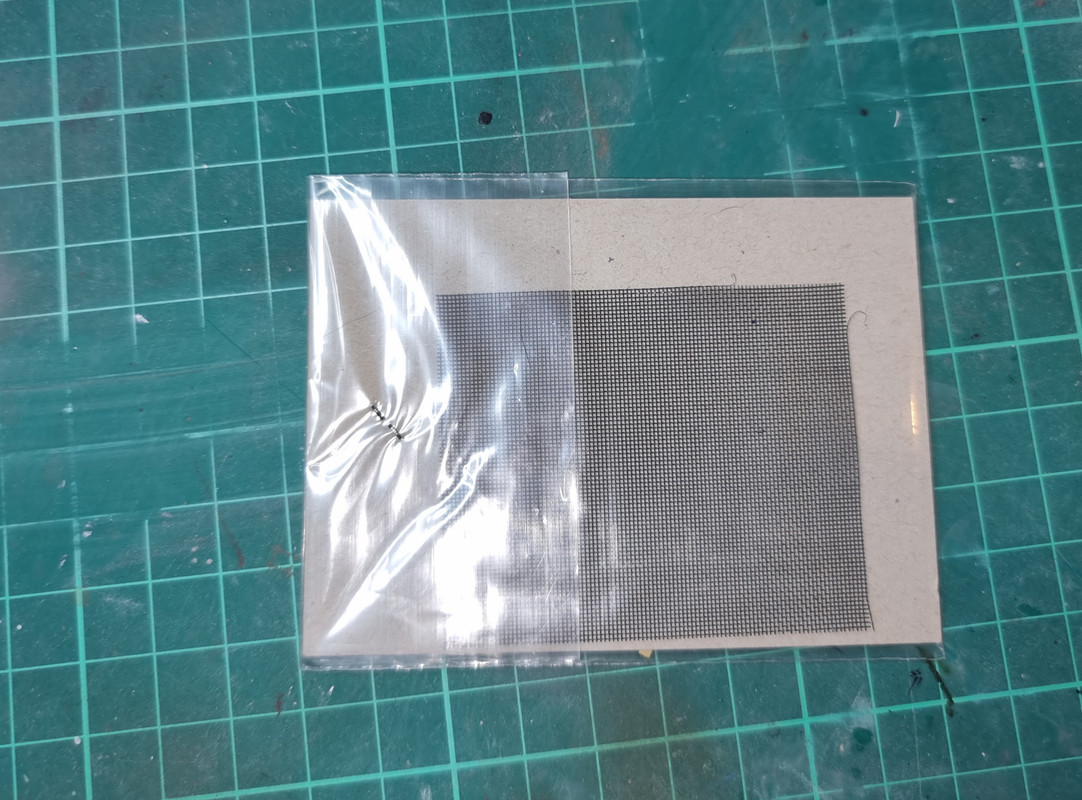
Photoetch and Netting
The build!!
Watch this space....