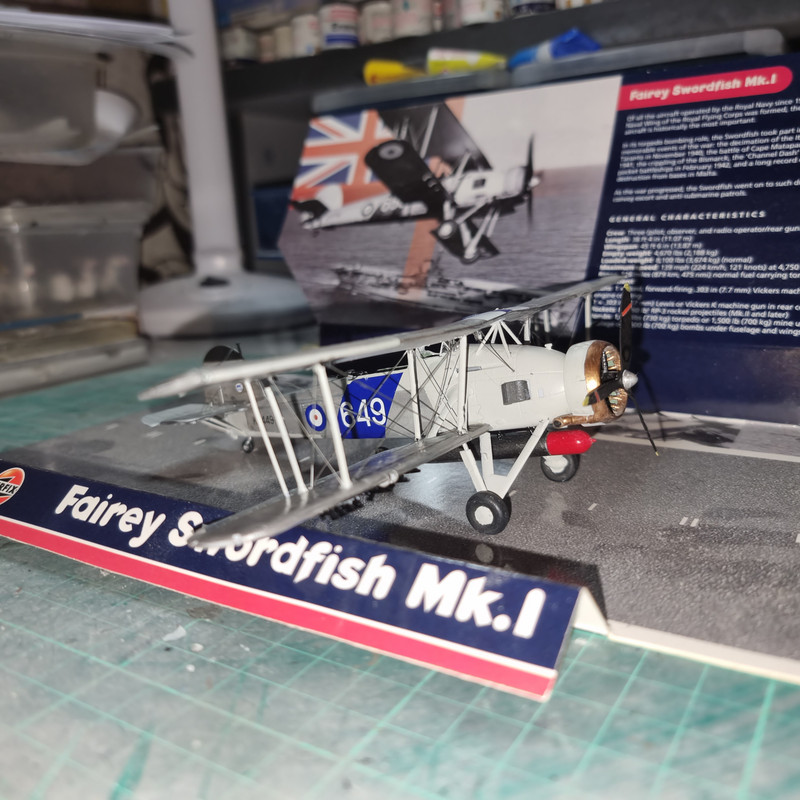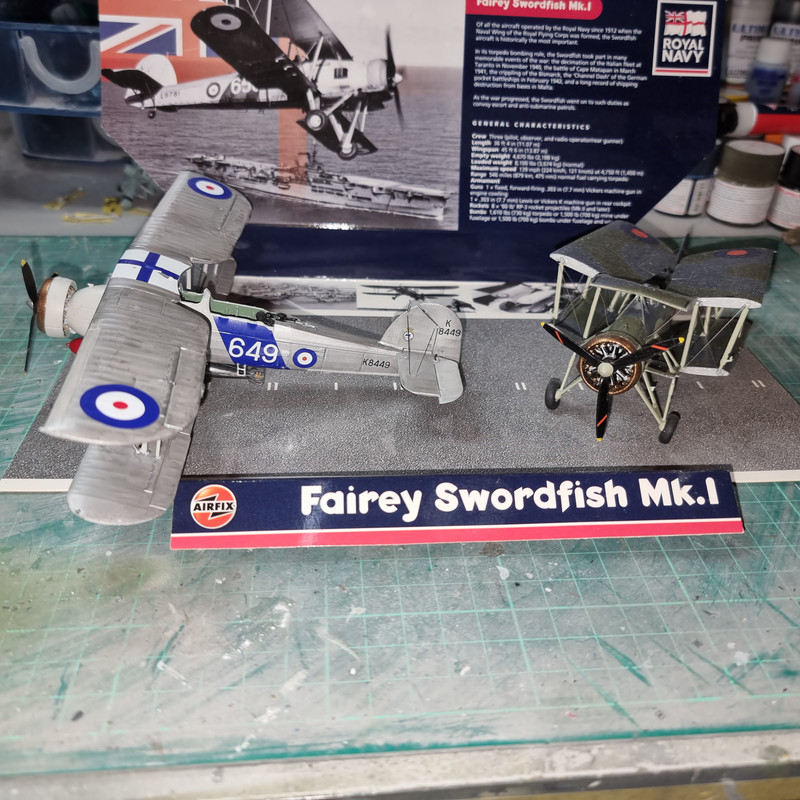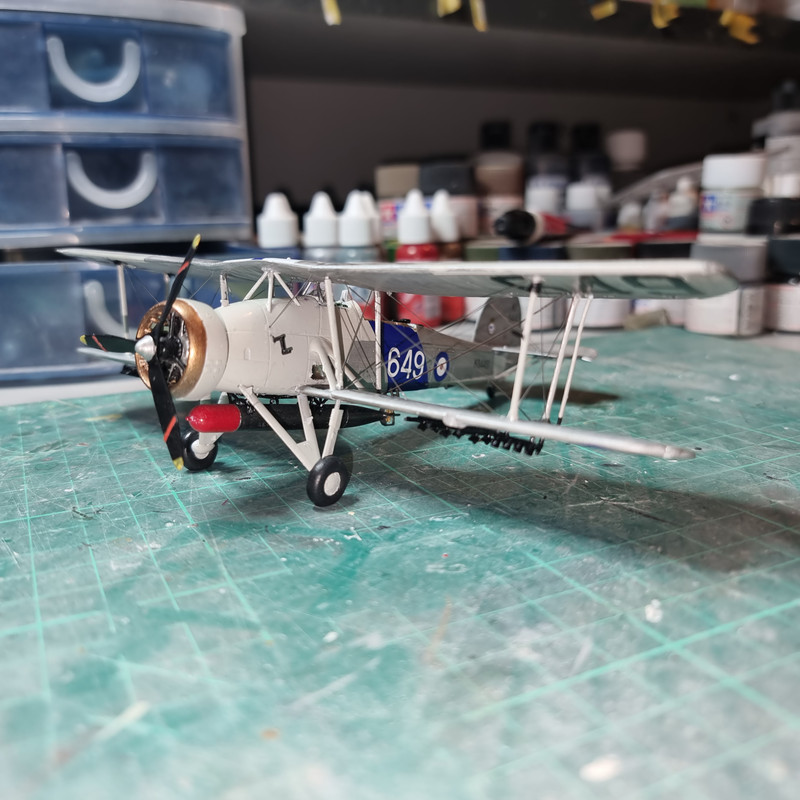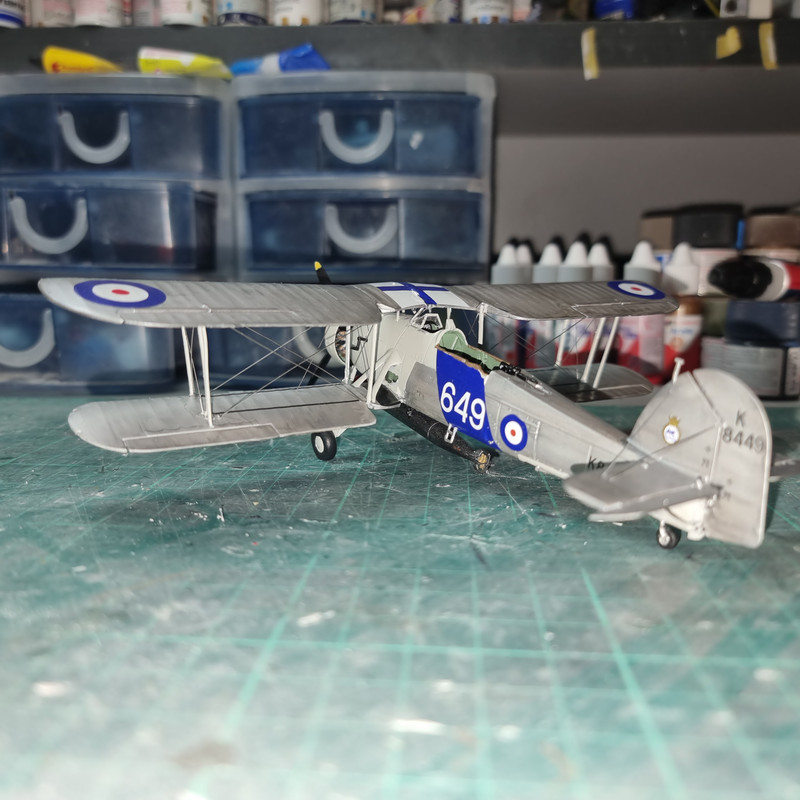


History
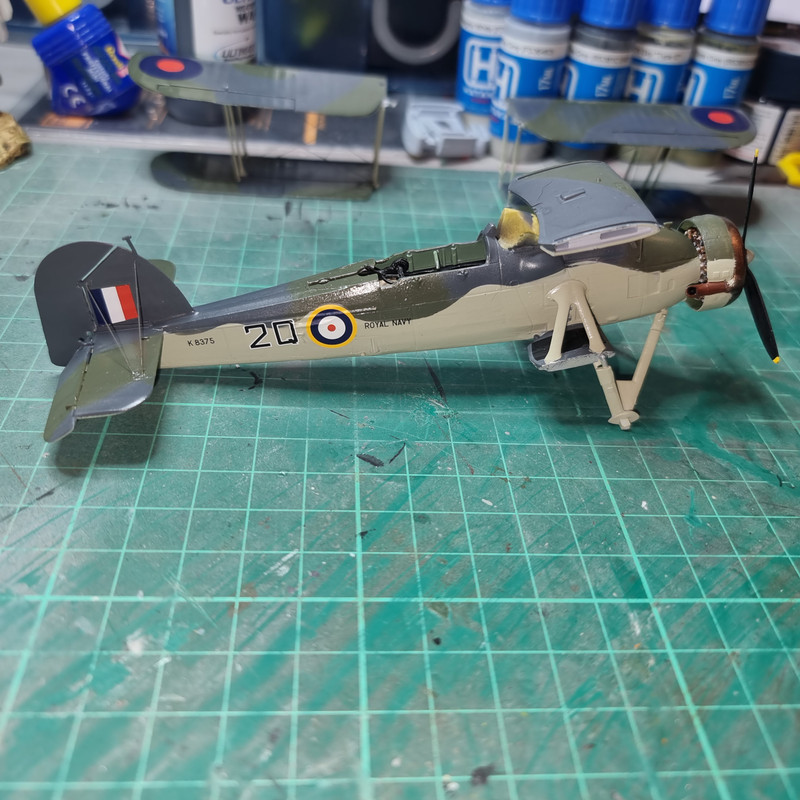
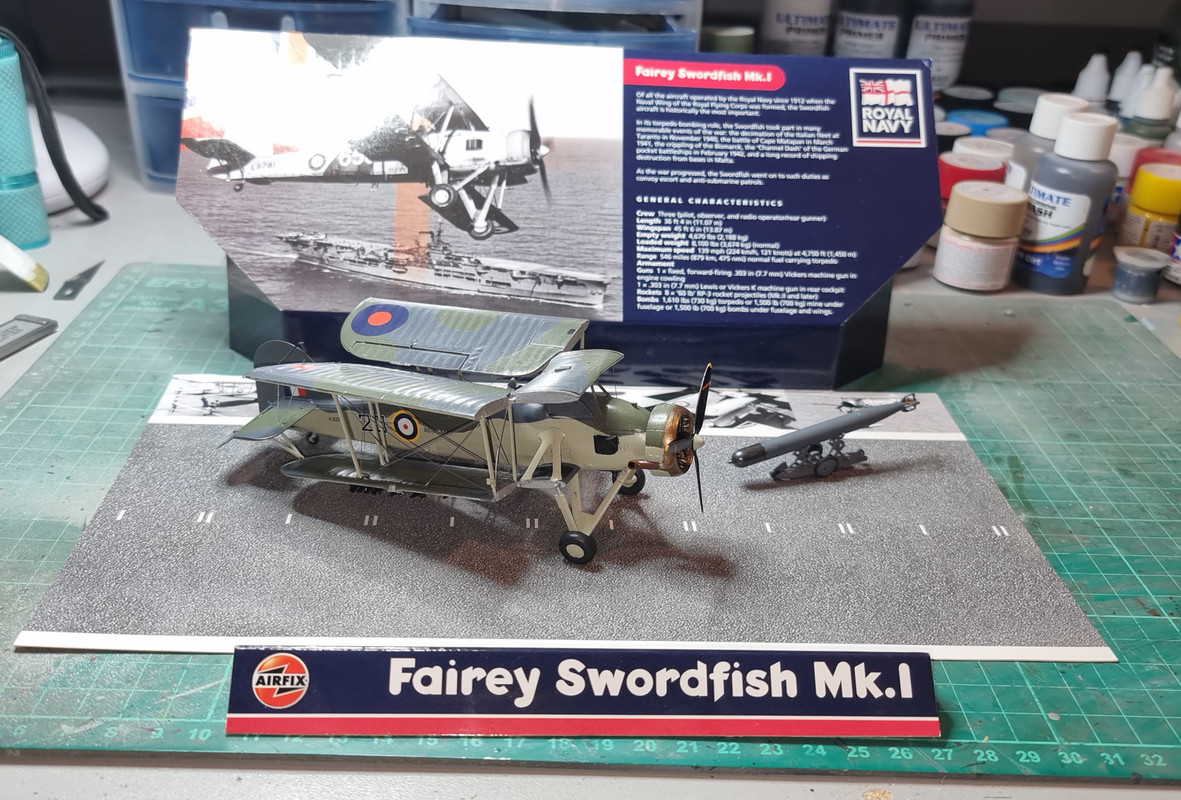
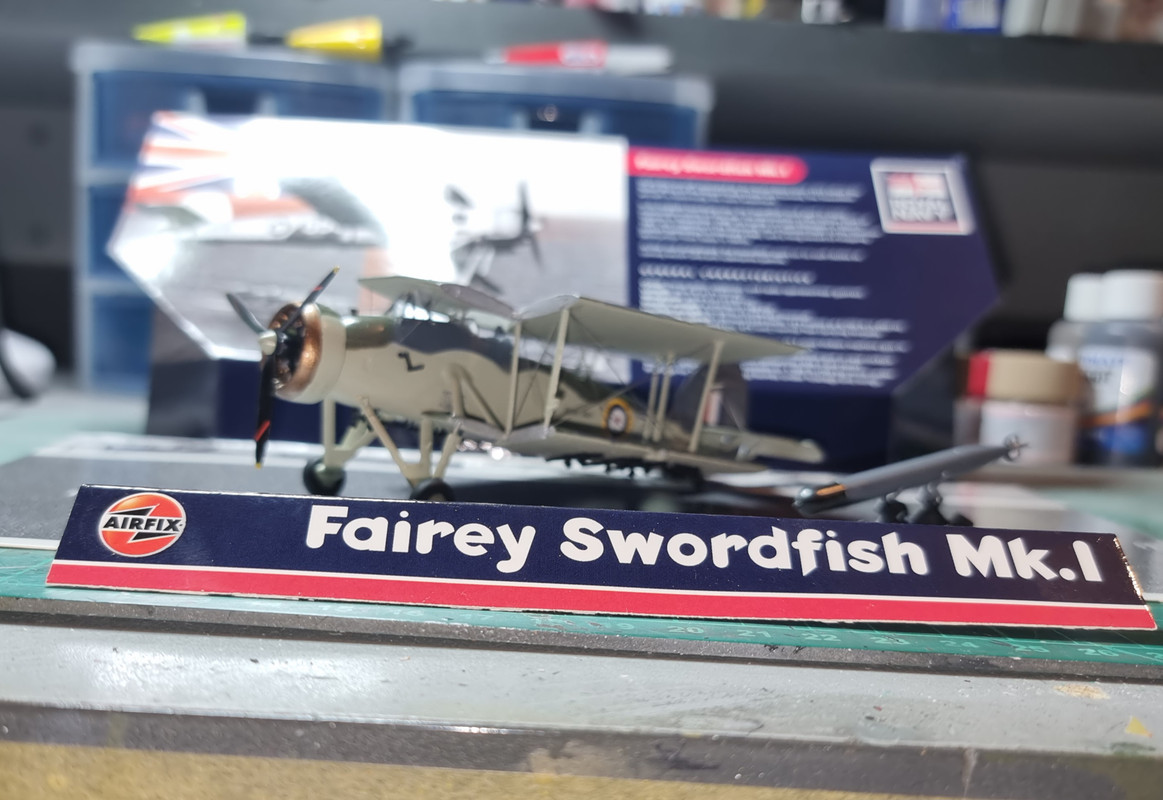
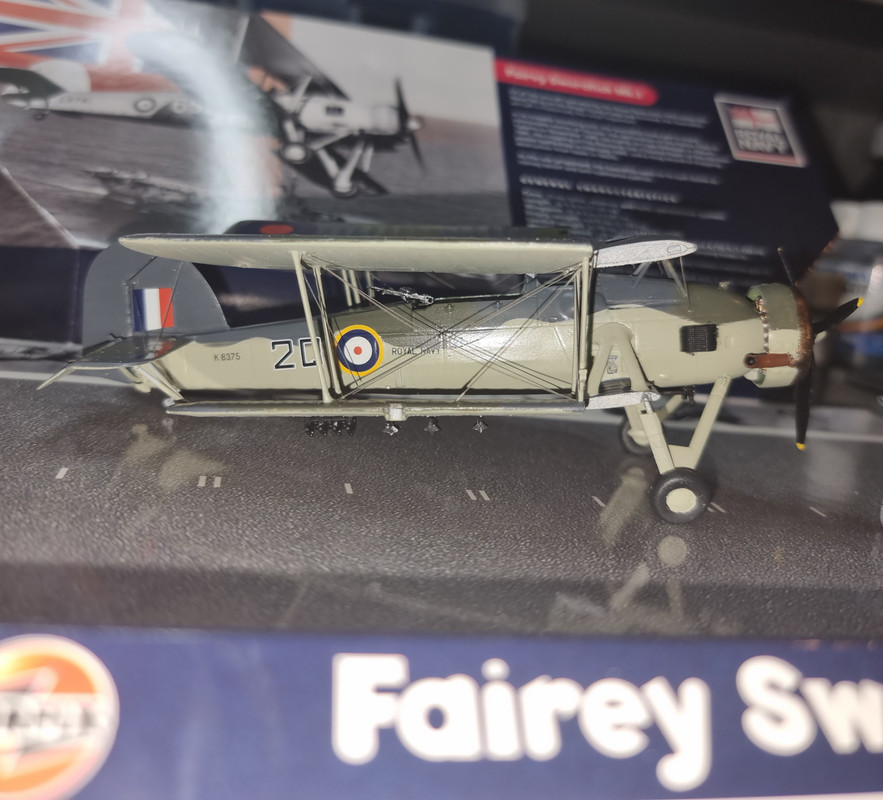
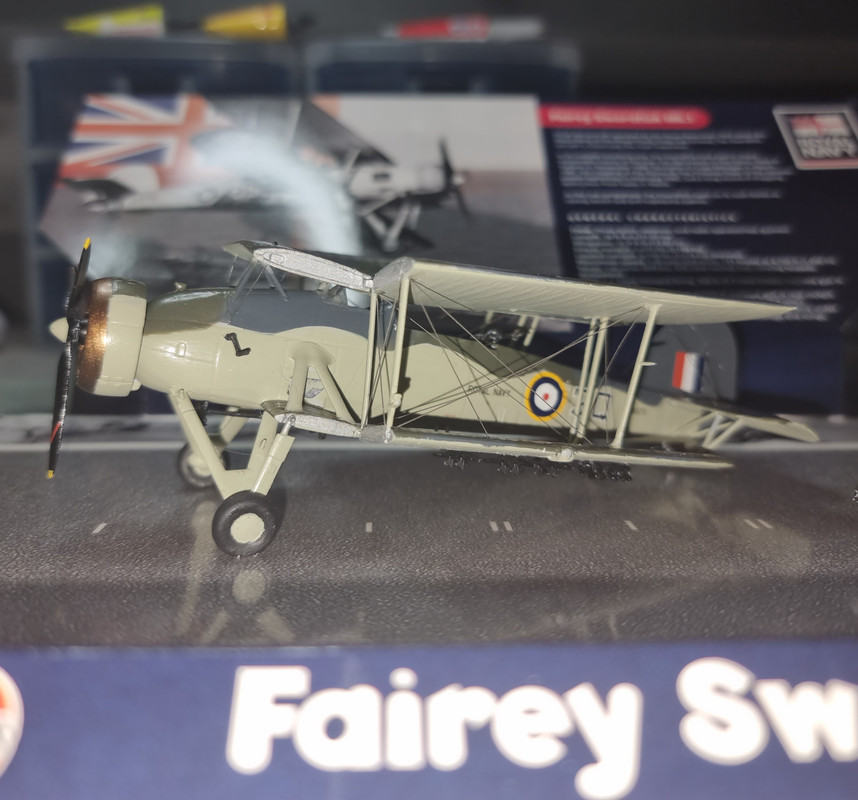
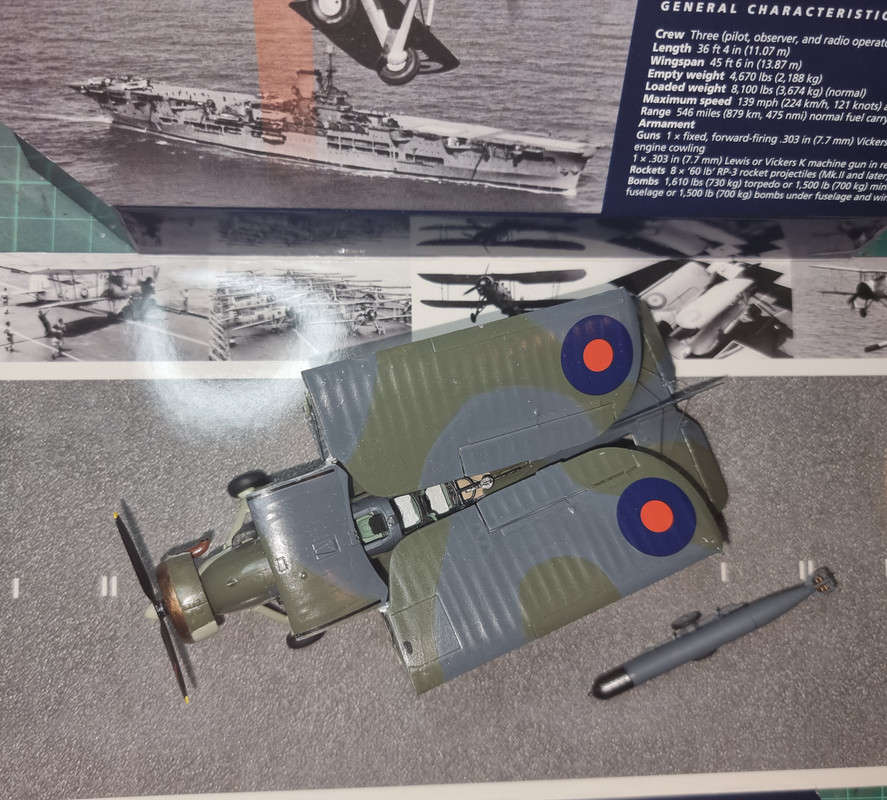
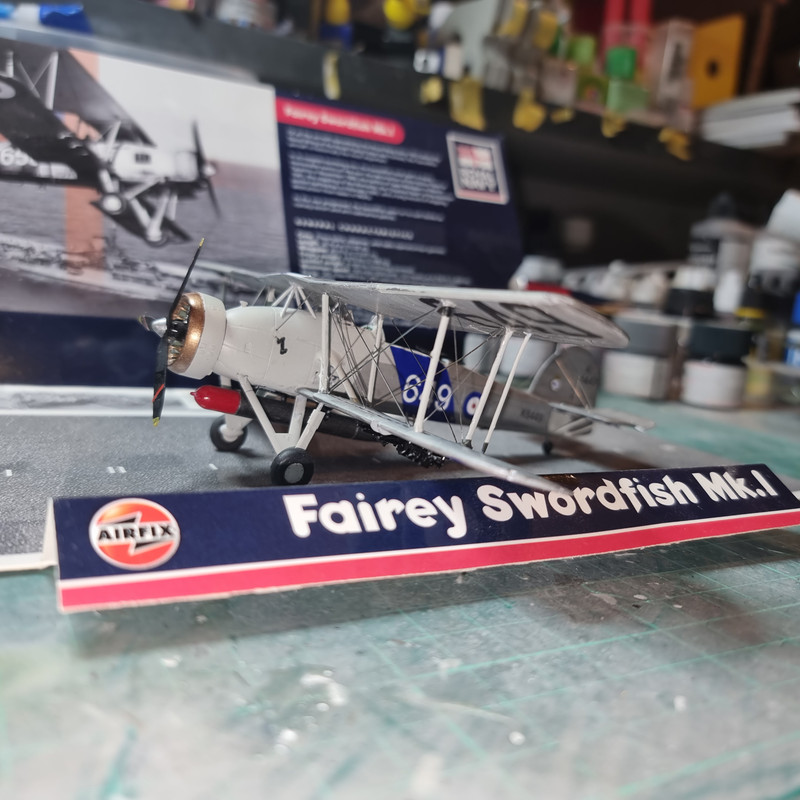
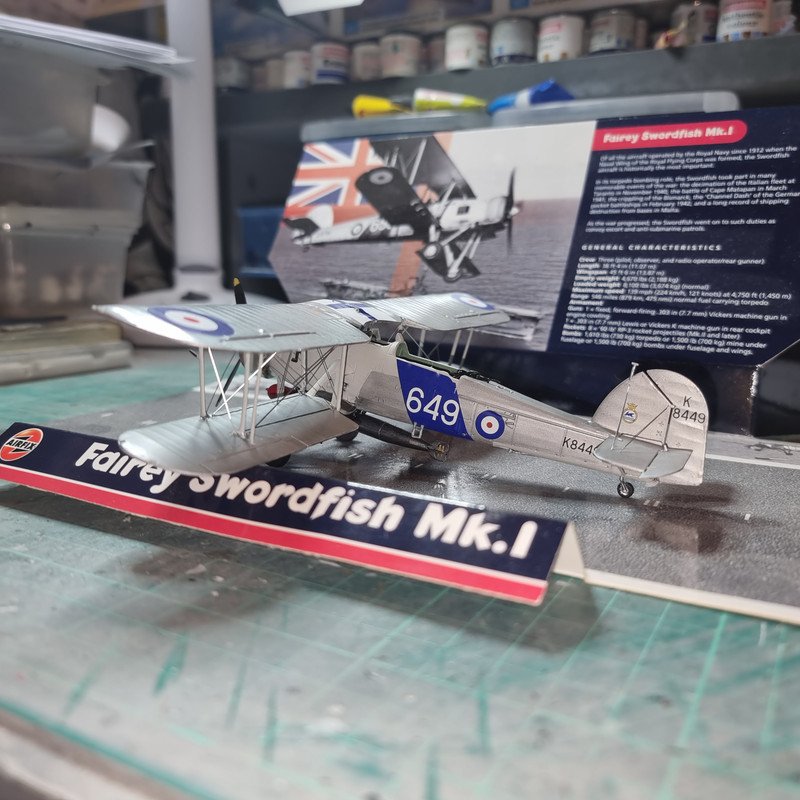
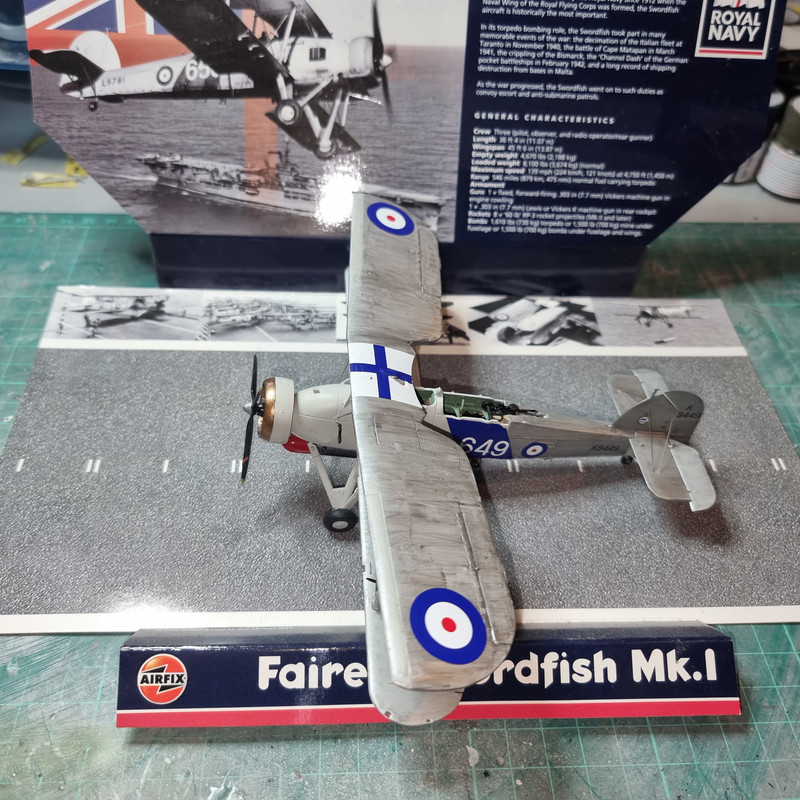
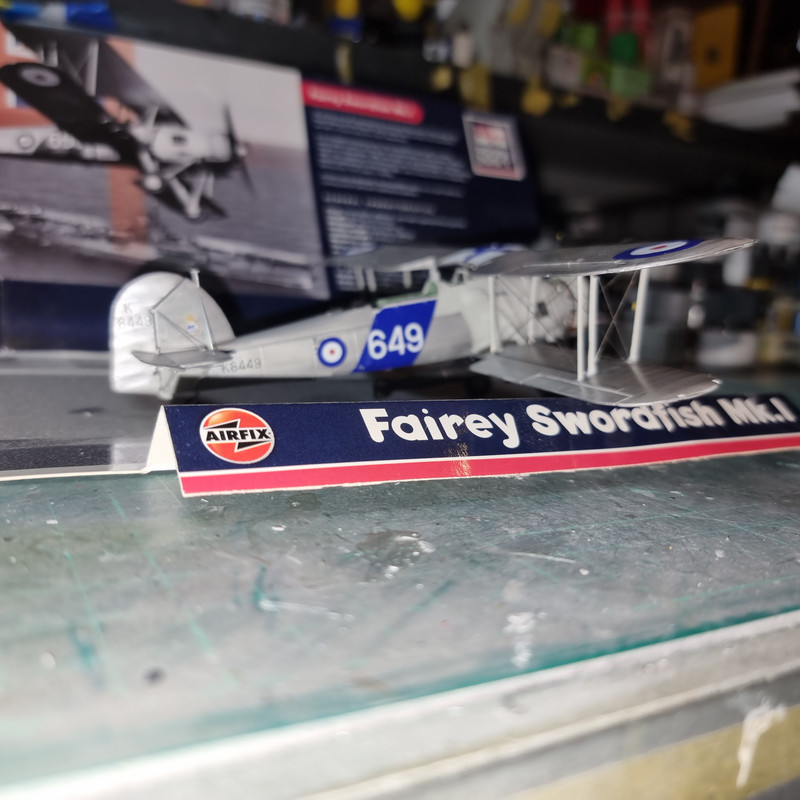
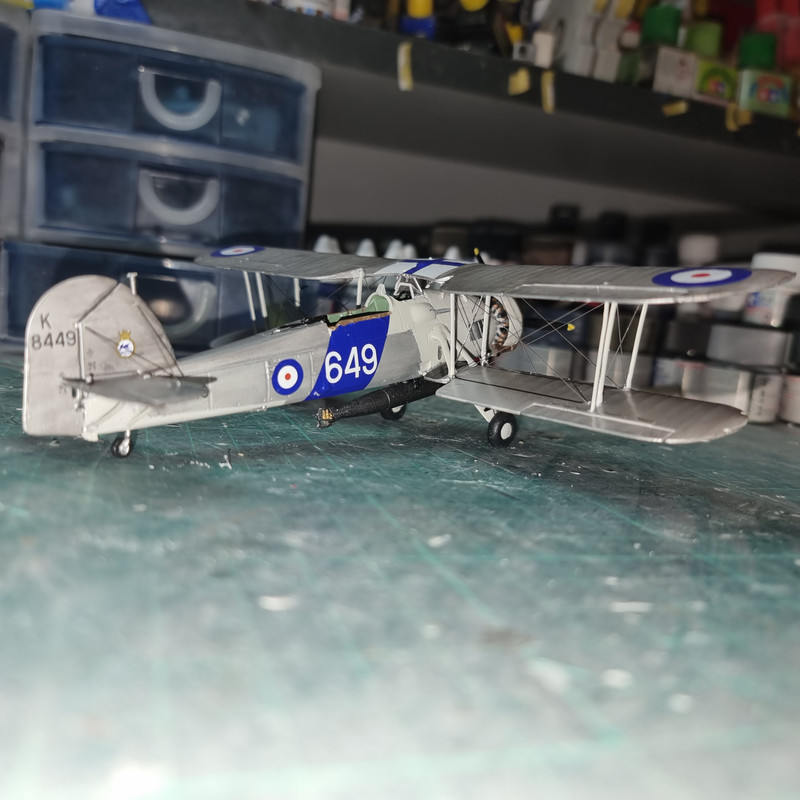
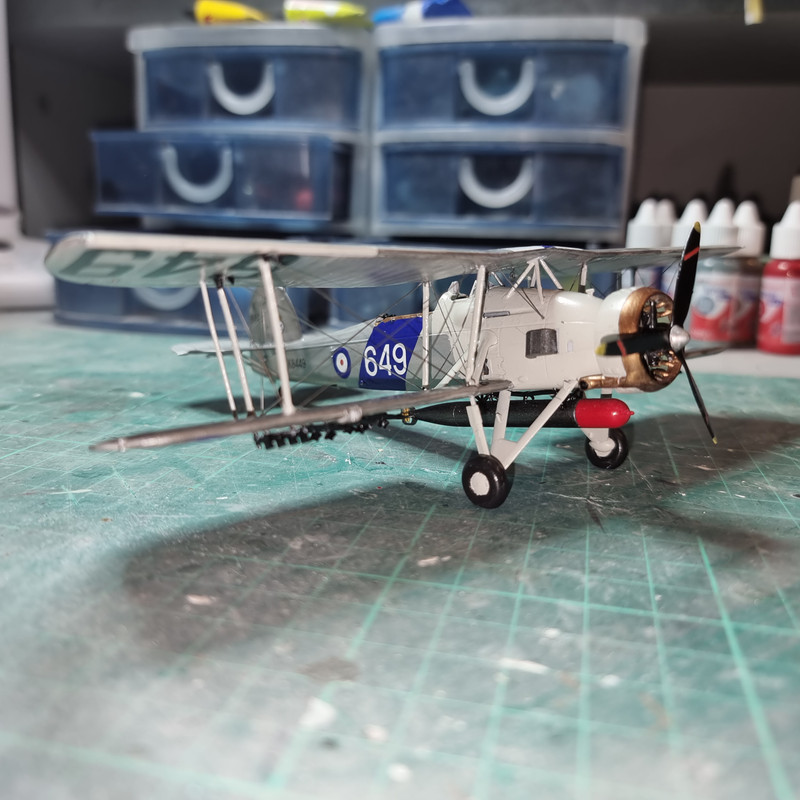
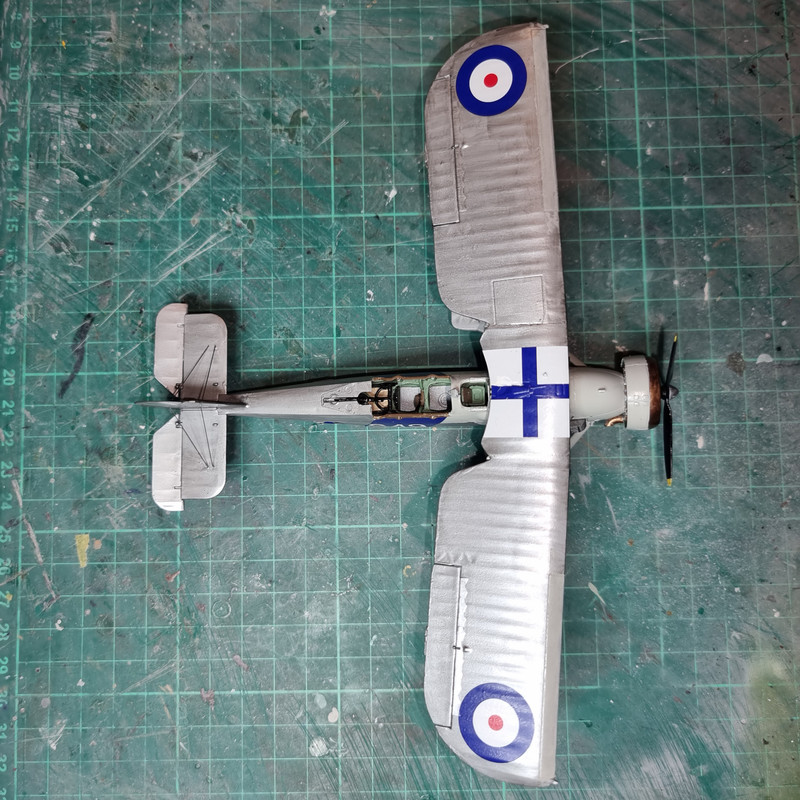
The Fairey Swordfish is a biplane torpedo bomber, designed by the Fairey Aviation Company. Originating in the early 1930s, the Swordfish, nicknamed "Stringbag", was principally operated by the Fleet Air Arm of the Royal Navy. It was also used by the Royal Air Force (RAF), as well as several overseas operators, including the Royal Canadian Air Force (RCAF) and the Royal Netherlands Navy. It was initially operated primarily as a fleet attack aircraft. During its later years, the Swordfish was increasingly used as an anti-submarine and training platform. The type was in frontline service throughout the Second World War finally being replaced by the Fairey Barracuda.
First flight: 17 April 1934
Introduction into service: 1936
Retired from service: 21 May 1945
In July 1936, the Swordfish formally entered service with the Fleet Air Arm (FAA), which was then part of the RAF; 825 Naval Air Squadron became the first squadrons to receive the type that month.[5] The Swordfish began replacing both the Fairey Seal in the spotter-reconnaissance role and the Blackburn Baffin in the torpedo bomber role in competition with the Blackburn Shark in the combined role. Initially, the Shark replaced the Seal in the spotter-reconnaissance squadrons and the Swordfish replaced the Baffin in torpedo squadron, after which the Shark was quickly replaced by the Swordfish. For nearly two years during the late 1930s, the Swordfish was the sole torpedo bomber aircraft equipping the FAA.
By the eve of war in September 1939, the FAA, which had been transferred to Royal Navy control, had 13 operational squadrons equipped with the Swordfish I.[5] There were also three flights of Swordfish equipped with floats, for use with catapult-equipped warships. After the outbreak of the Second World War, 26 FAA Squadrons were equipped with the Swordfish. More than 20 second-line squadrons also operated the Swordfish for training. During the early months of the conflict, the Swordfish operated in mostly uneventful fleet protection and convoy escort missions.
Crew: 3 - pilot, observer, and radio operator/rear gunner (observer's position frequently replaced with auxiliary fuel tank)
Length: 35 ft 8 in (10.87 m)
Wingspan: 45 ft 6 in (13.87 m)
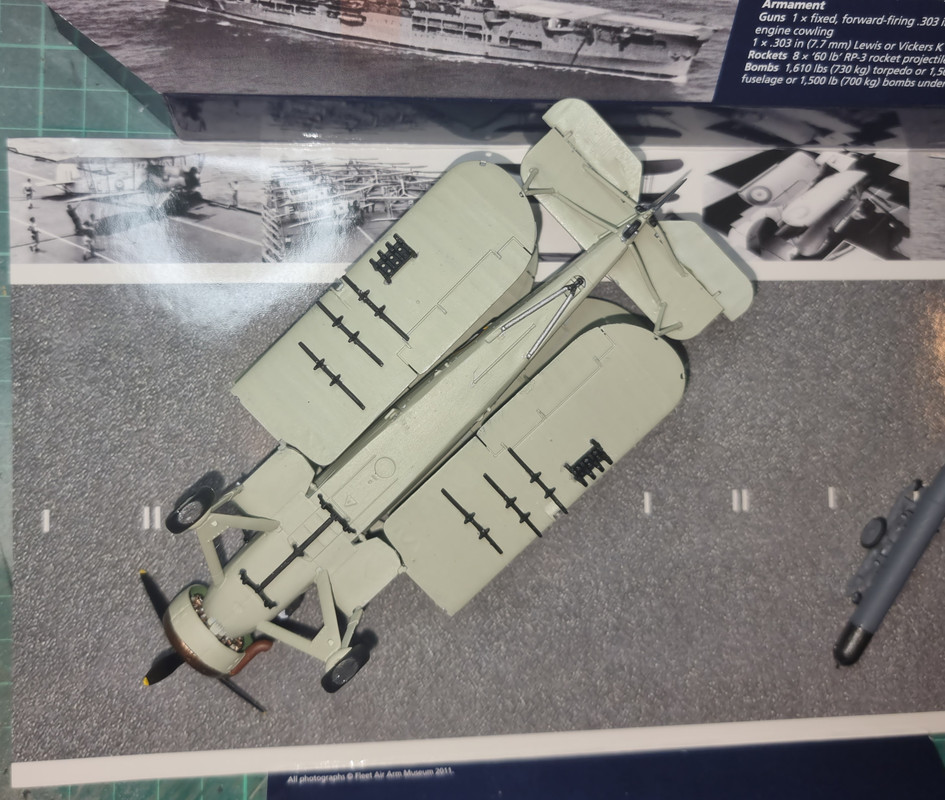
Width: 17 ft 3 in (5.26 m) wings folded
Height: 12 ft 4 in (3.76 m)
Wing area: 607 sq ft (56.4 m2)
Empty weight: 4,195 lb (1,903 kg)
Gross weight: 7,580 lb (3,438 kg)
Powerplant: 1 × Bristol Pegasus IIIM.3 9-cylinder air-cooled radial piston engine, 690 hp (510 kW)
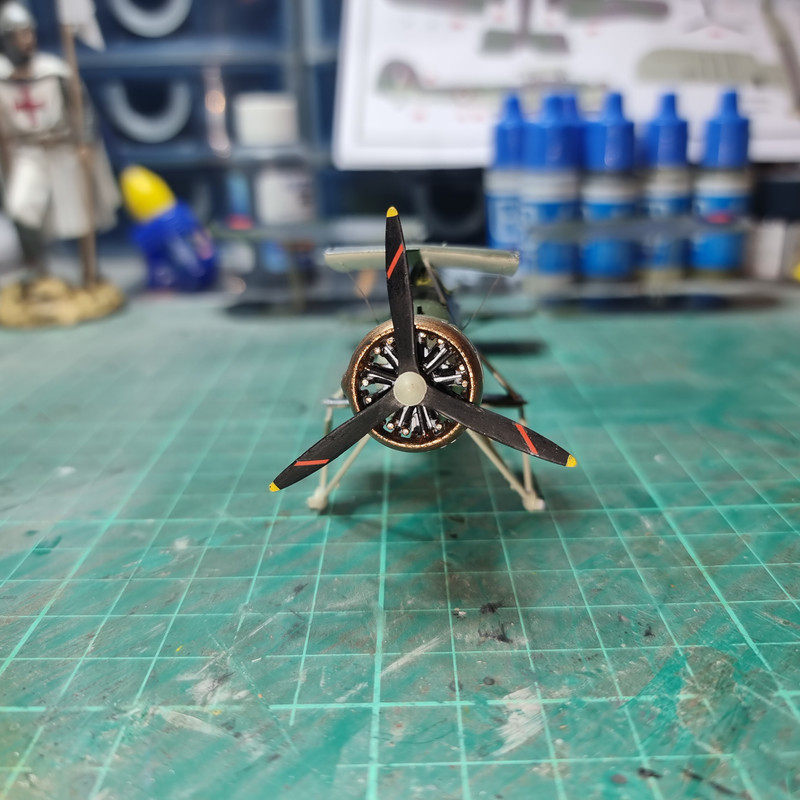
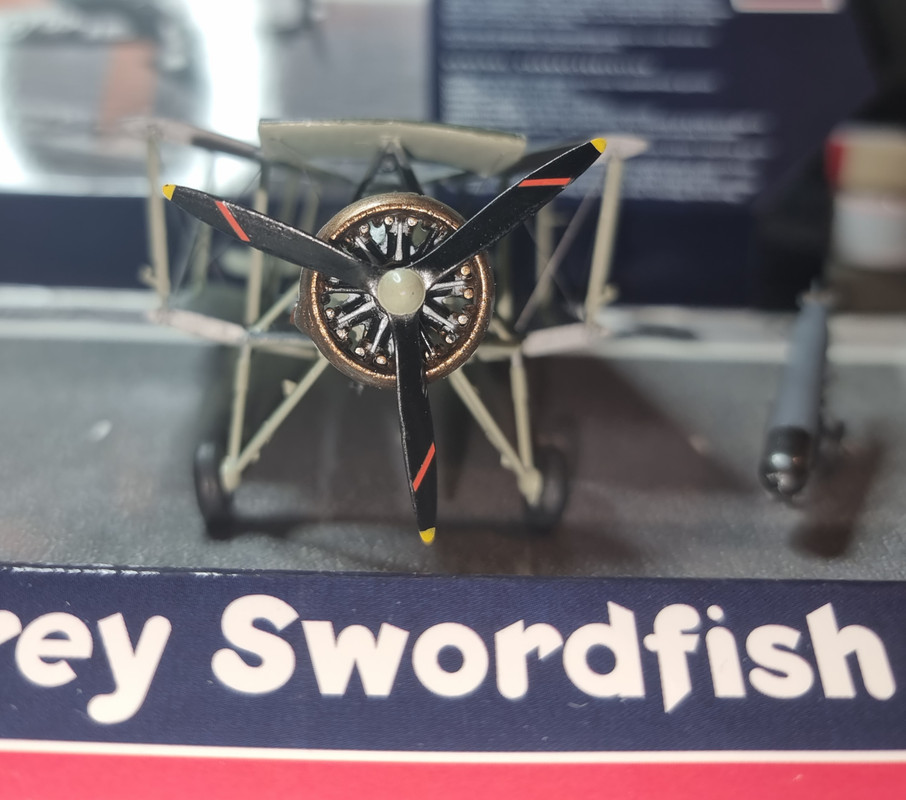
Propellers: 3-bladed metal fixed-pitch propeller
Performance
Maximum speed: 143 mph (230 km/h, 124 kn) with torpedo at 7,580 lb (3,438 kg) and 5,000 ft (1,524 m)
Range: 522 mi (840 km, 454 nmi) normal fuel, carrying torpedo[65]
Endurance: 5 hours 30 minutes
Service ceiling: 16,500 ft (5,000 m) at 7,580 lb (3,438 kg)
Armament
Guns: ** 1 × fixed, forward-firing .303 in (7.7 mm) Vickers machine gun in upper right fuselage, breech in cockpit, firing over engine cowling
1 × .303 in (7.7 mm) Lewis or Vickers K machine gun in rear cockpit
Rockets: 8 × "60 lb" RP-3 rocket projectiles (Mk.II and later)
Bombs: 1 × 1,670 lb (760 kg) torpedo or 1,500 lb (700 kg) mine under fuselage or 1,500 lb total of bombs under fuselage and wings.
The Kit
Instructions:
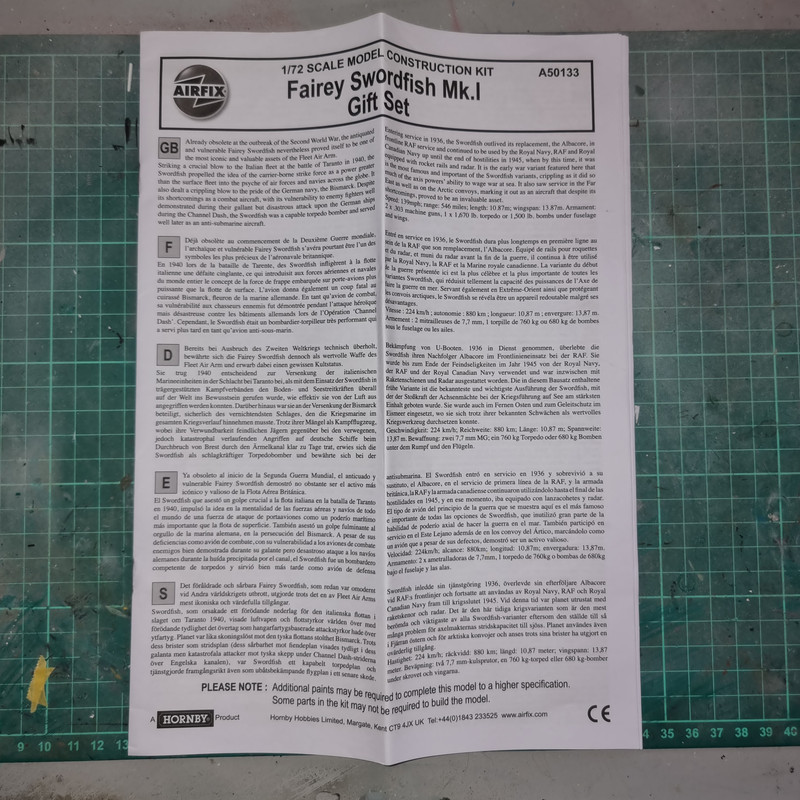
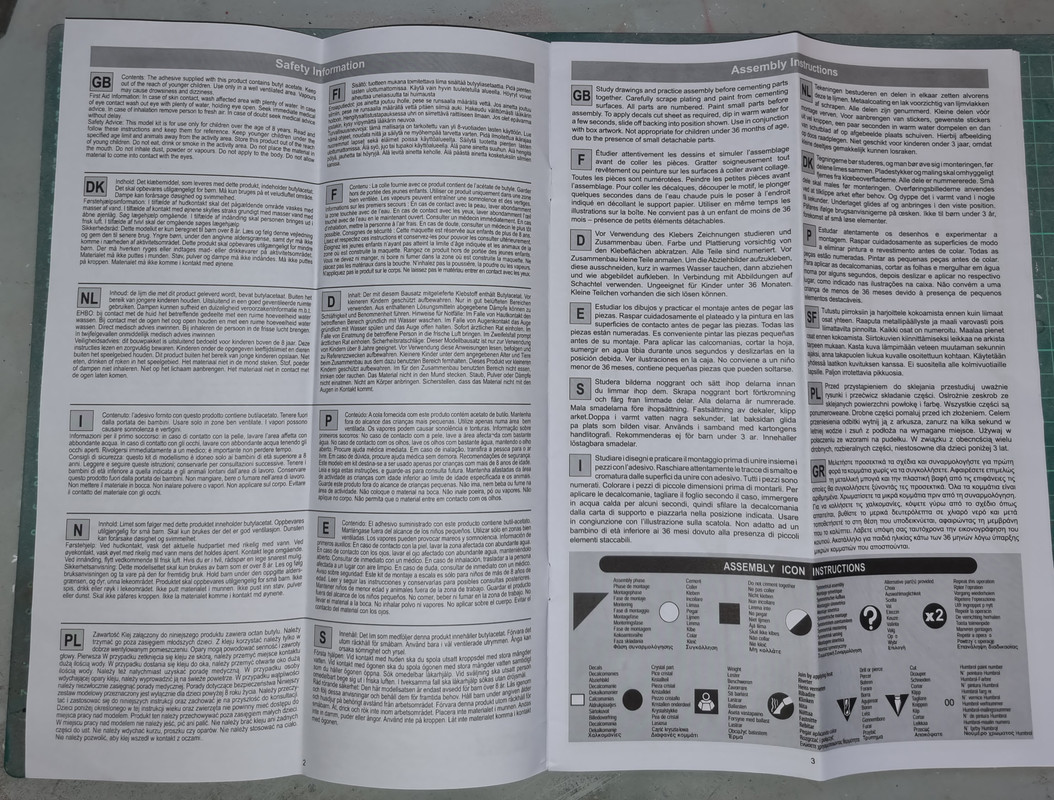
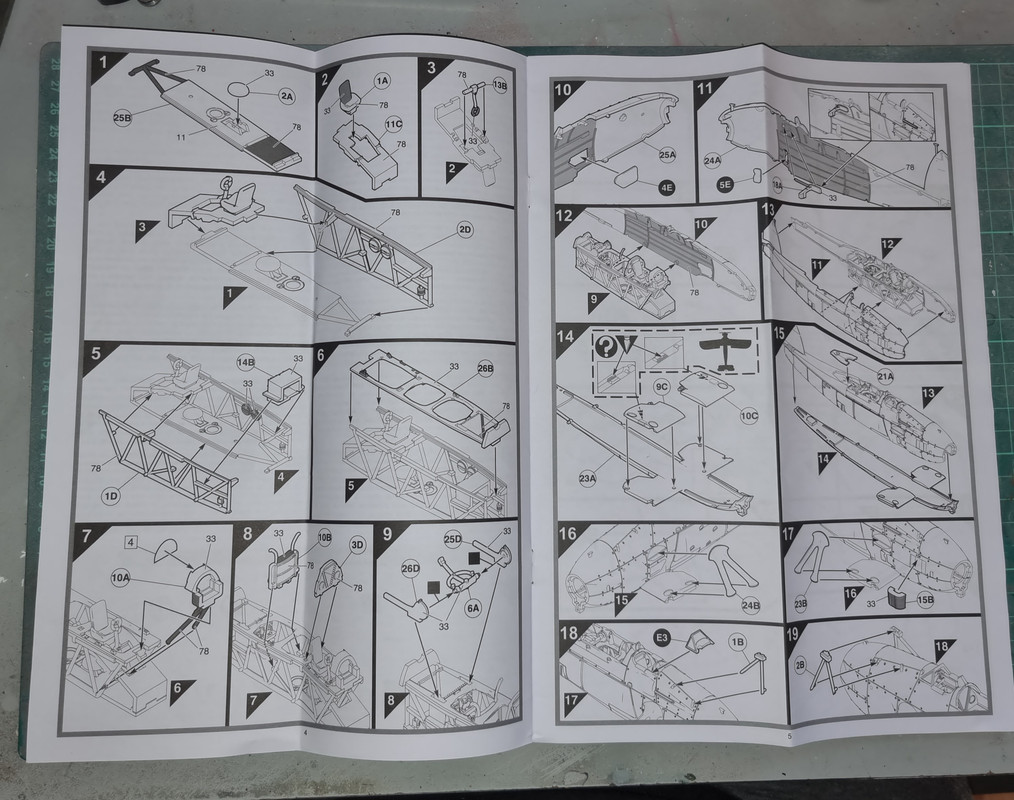
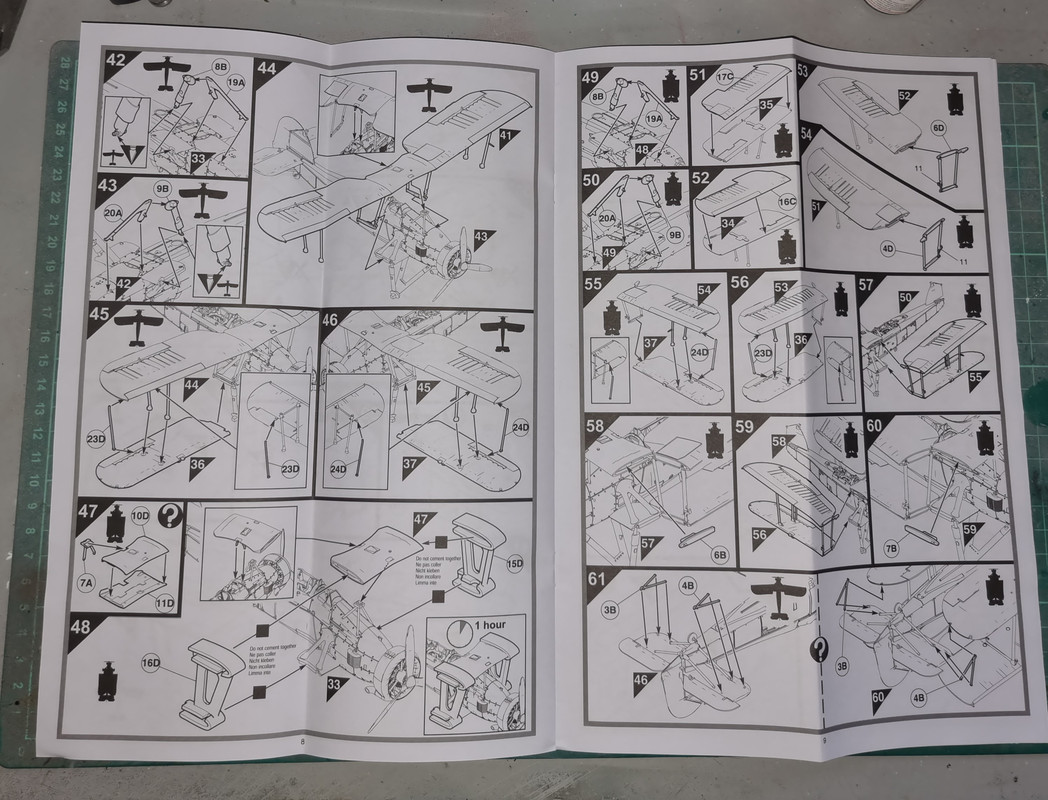
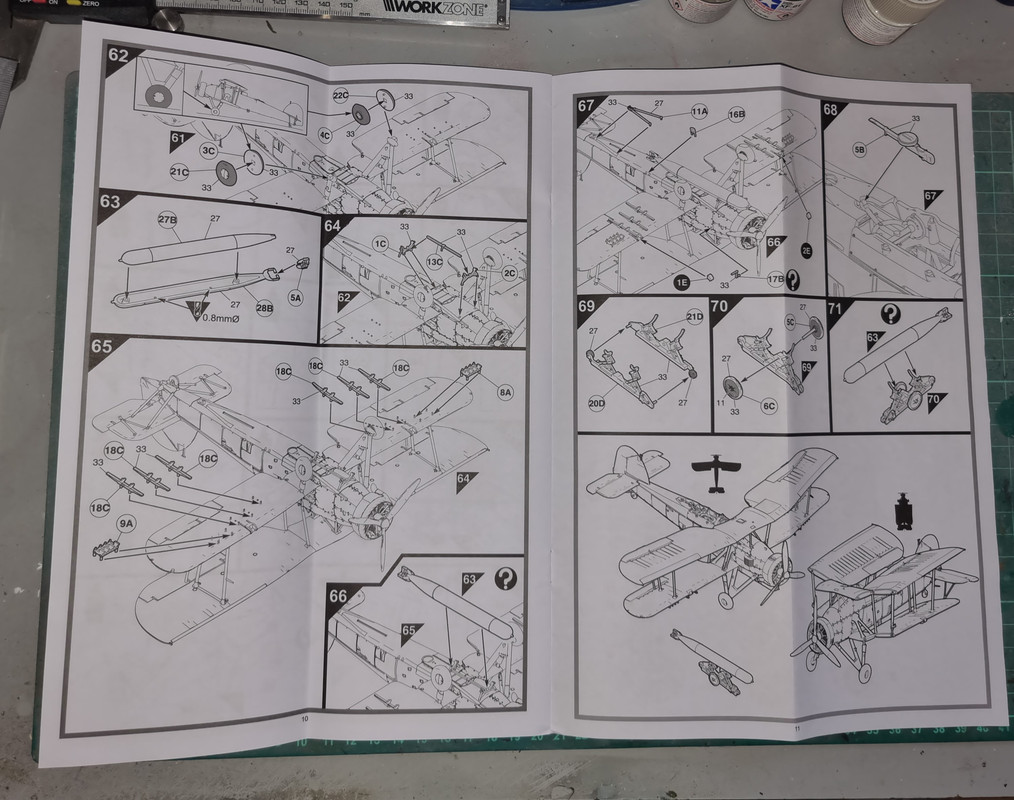
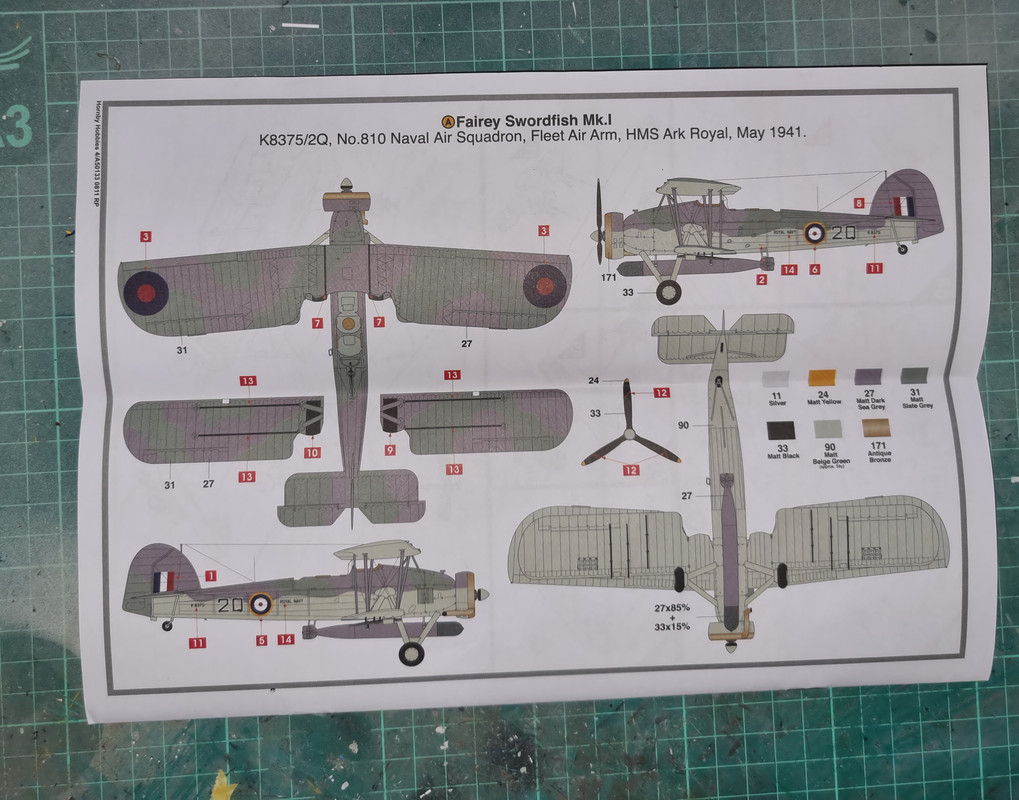
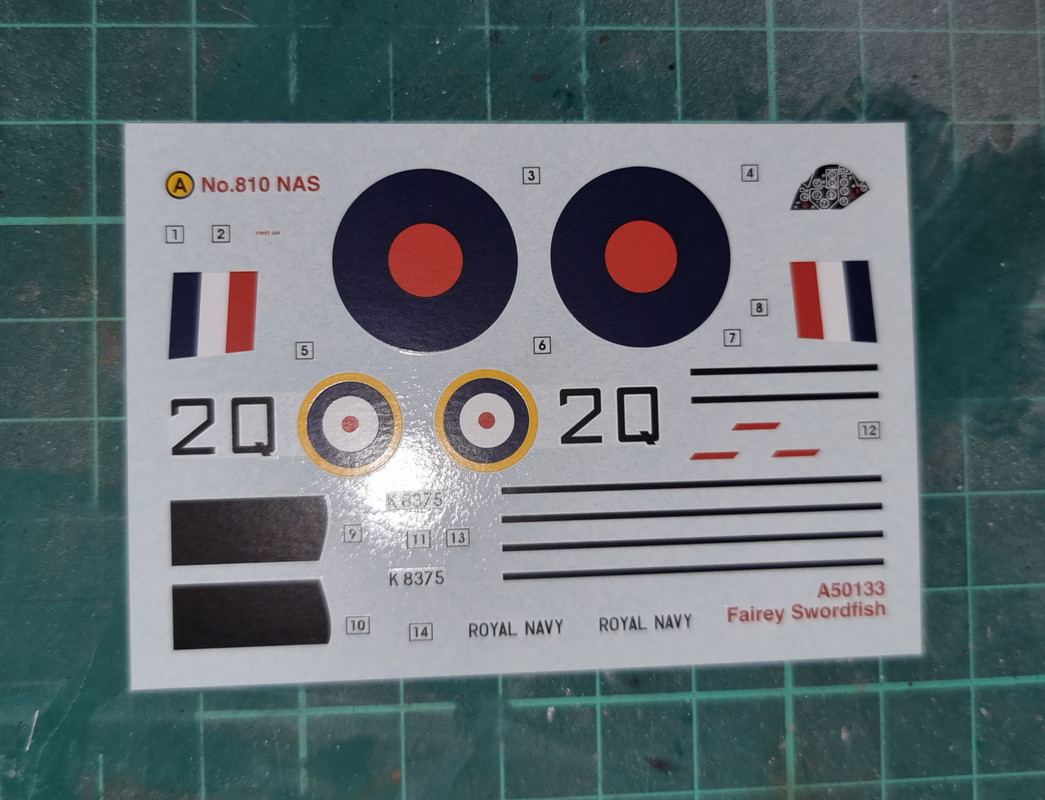
Decals
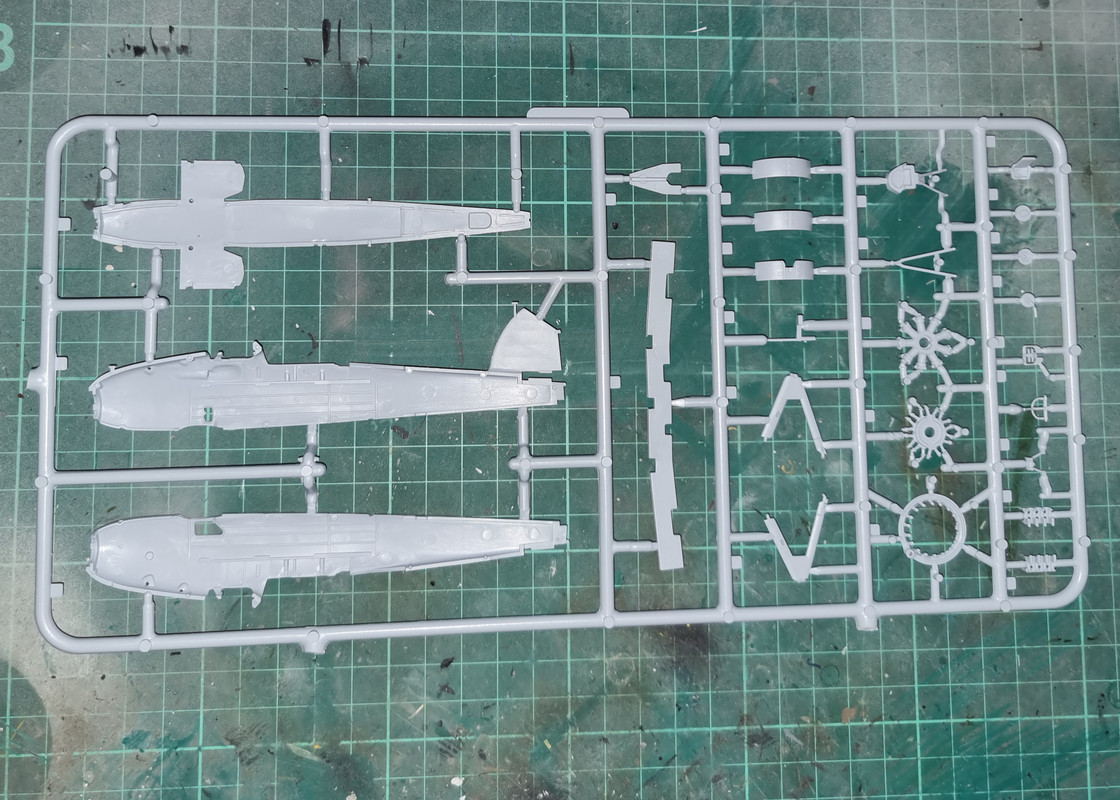
Sprue
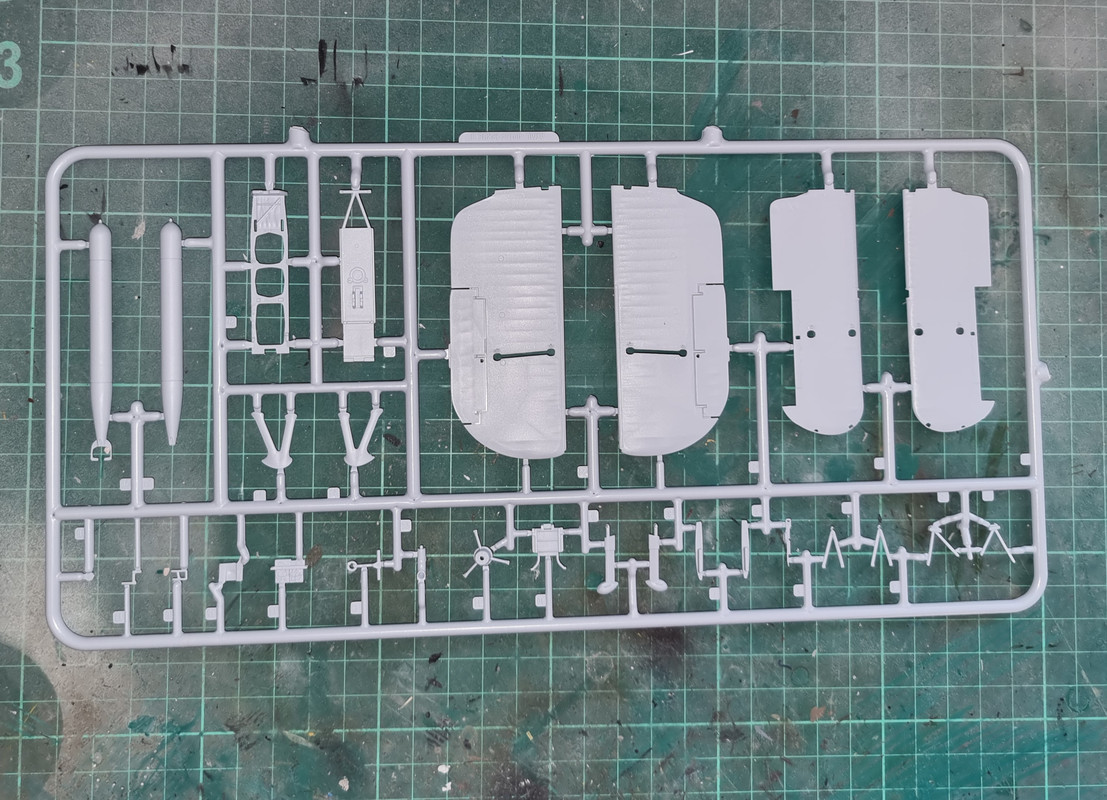
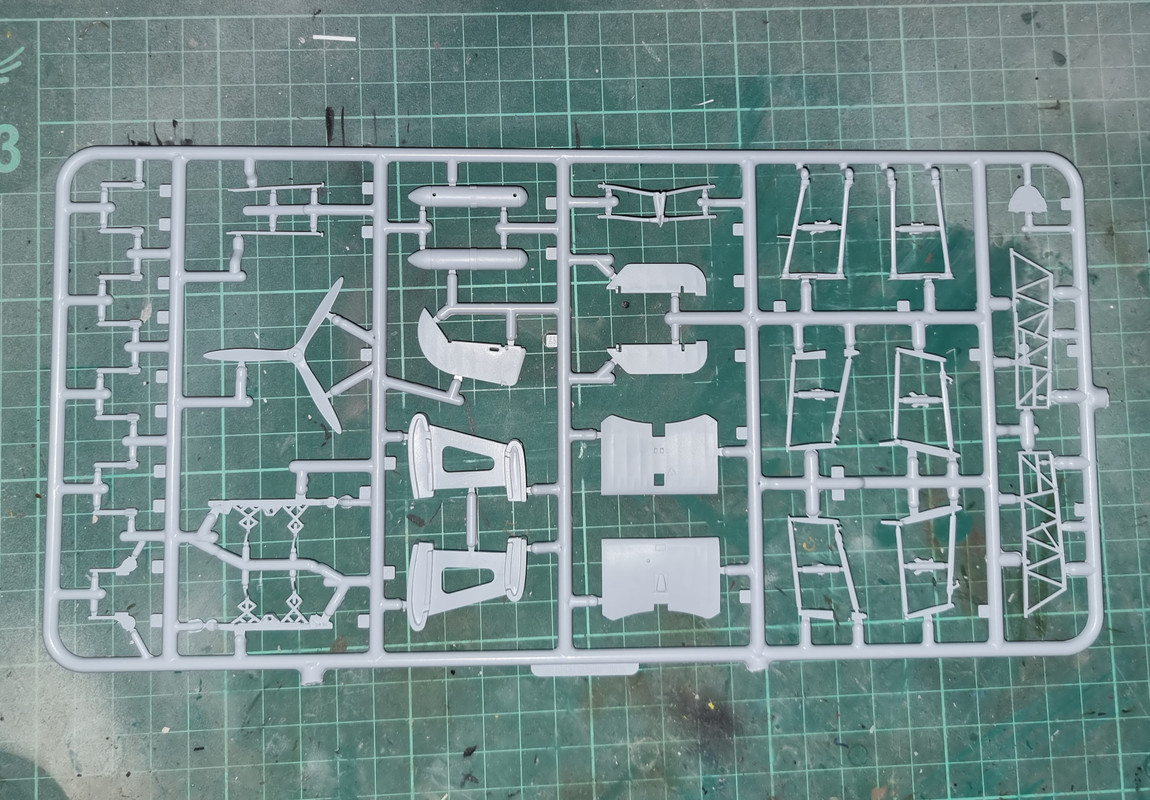
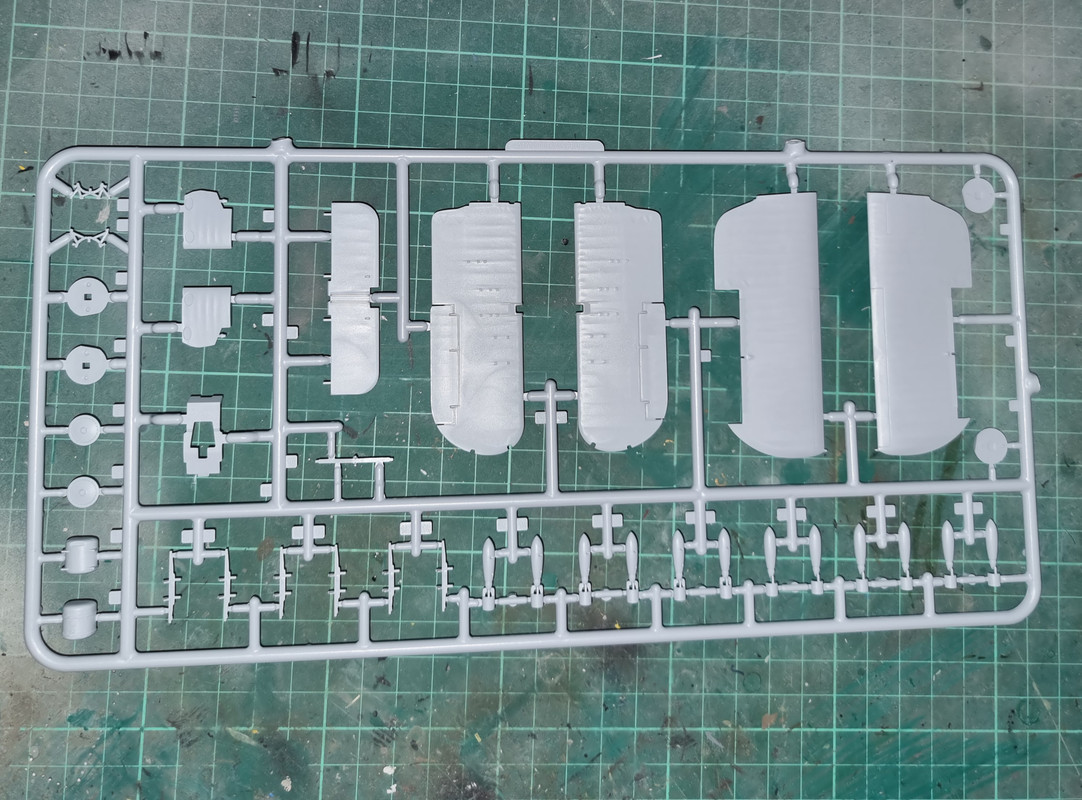
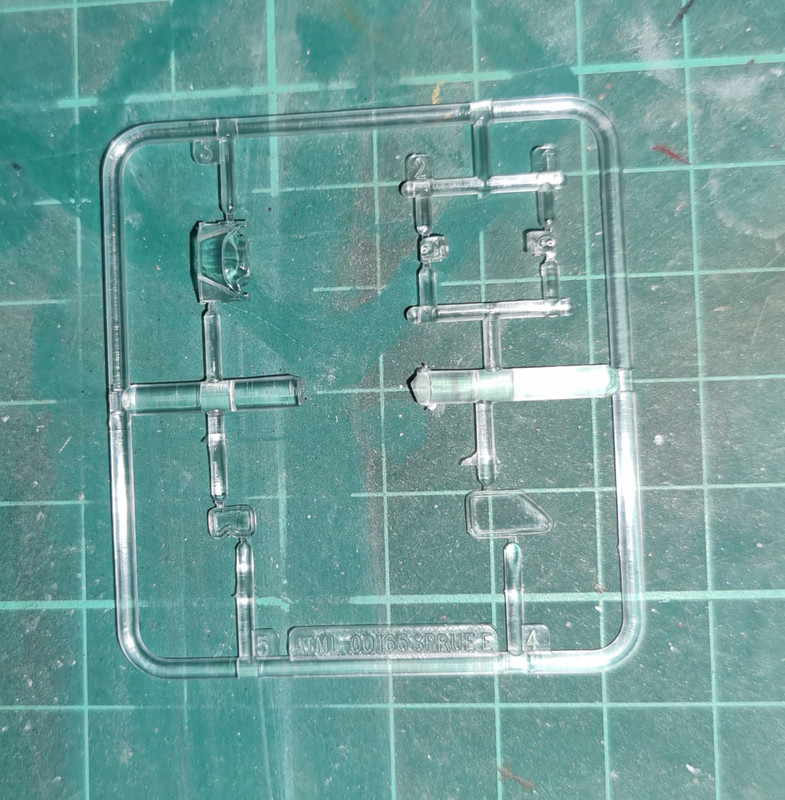
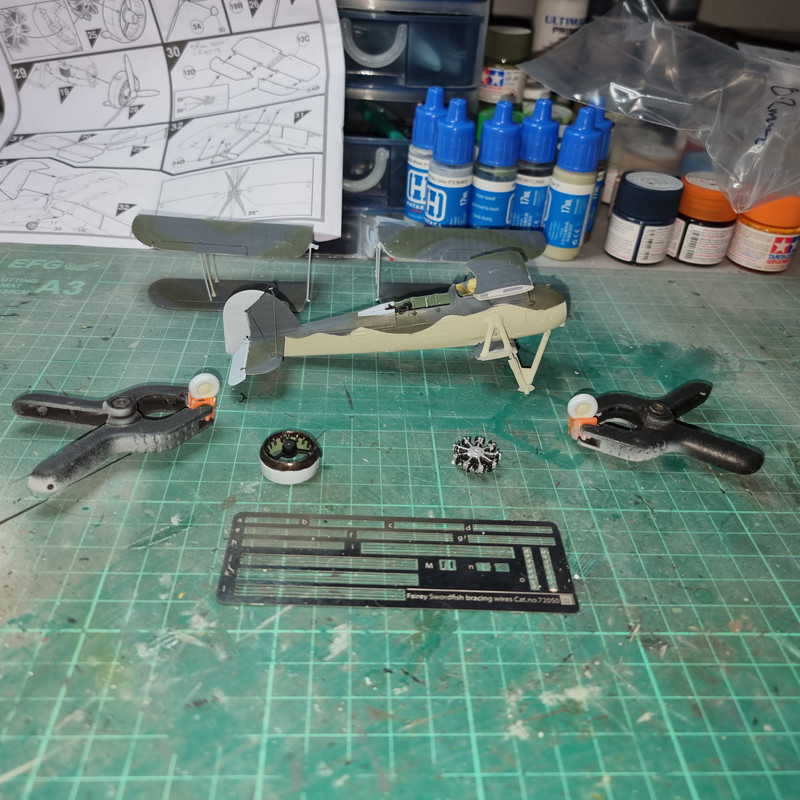
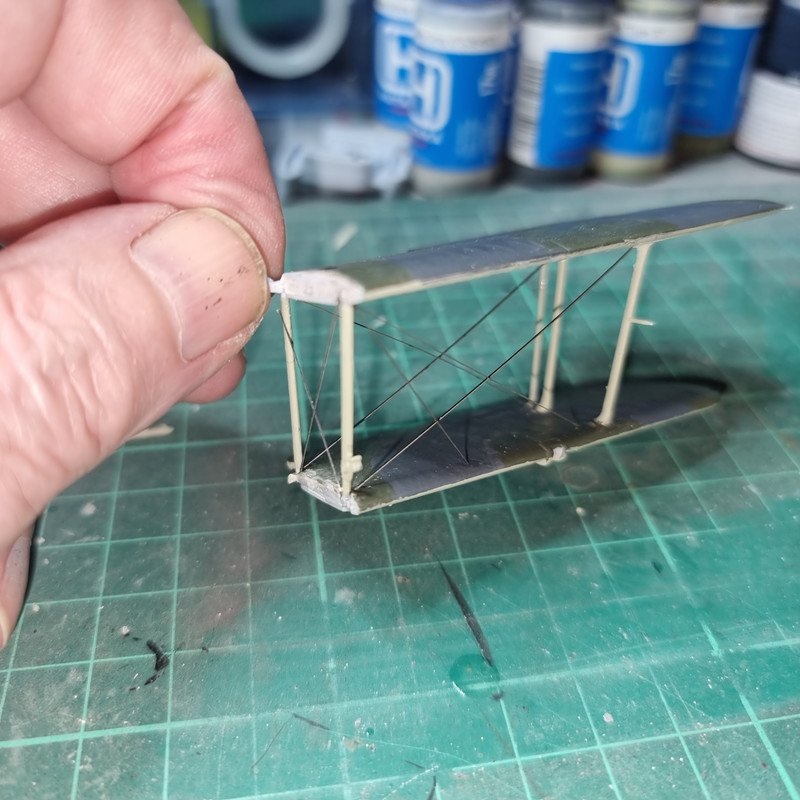
Rigging add-on
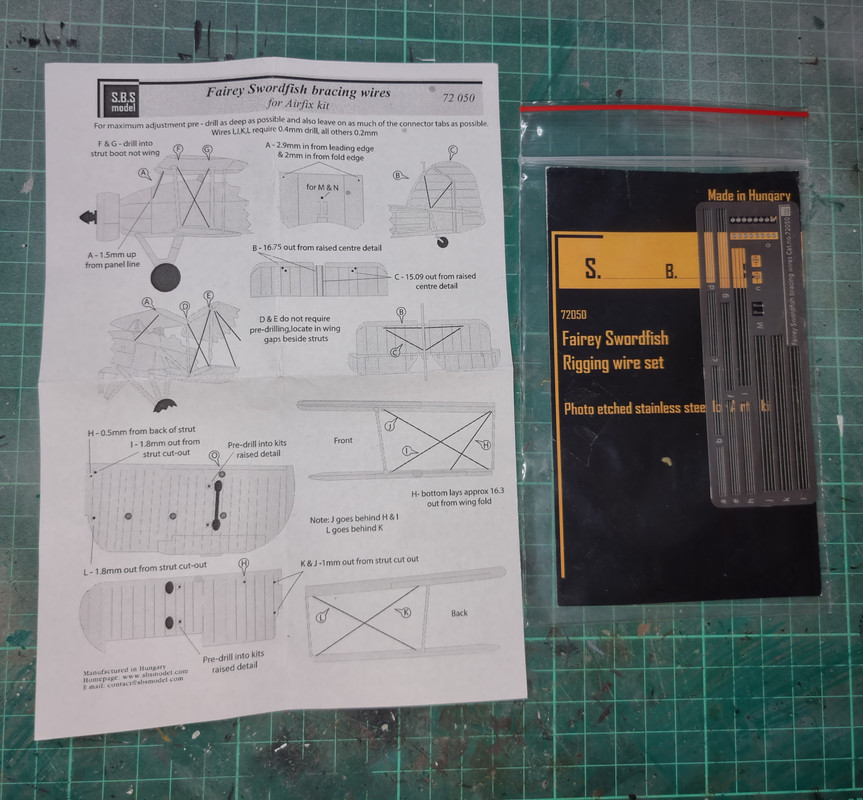
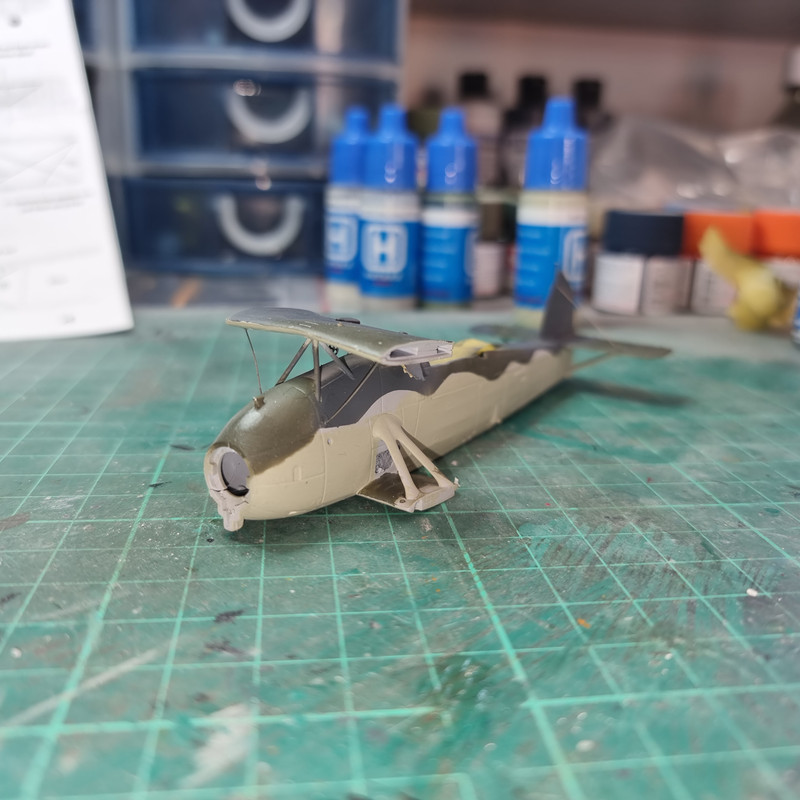
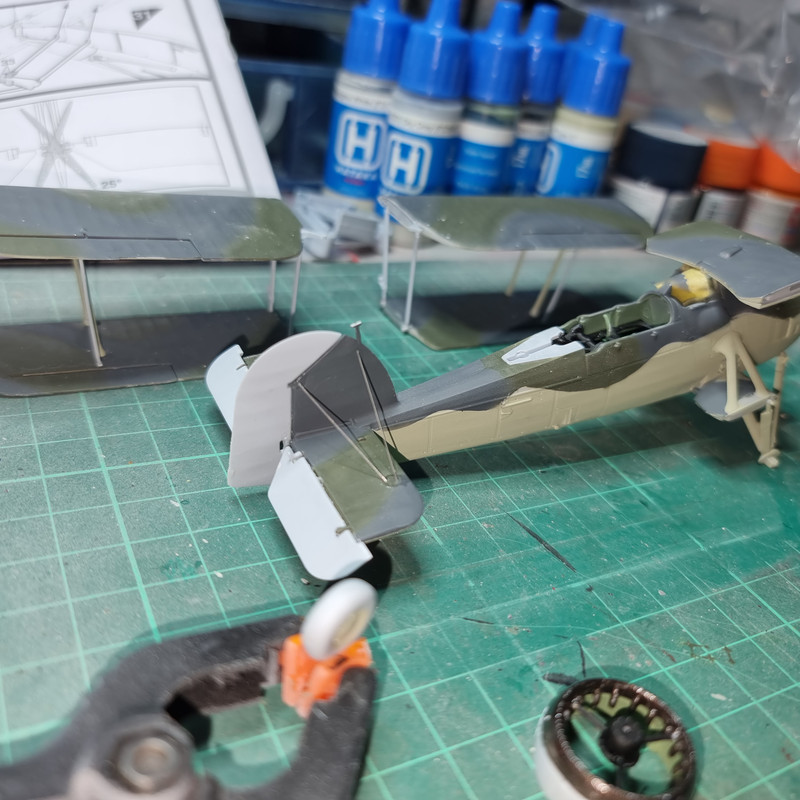
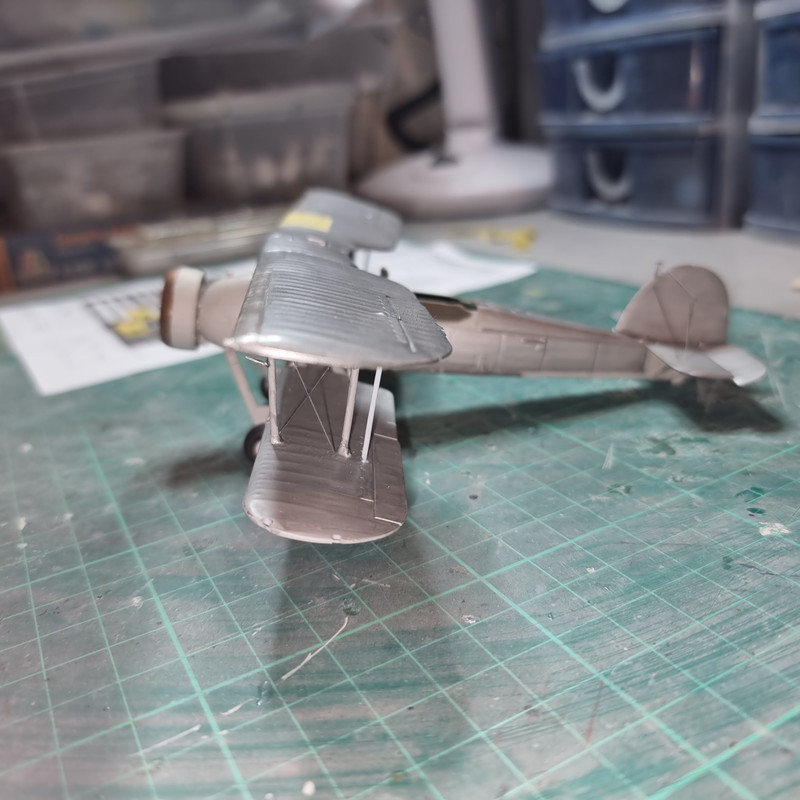
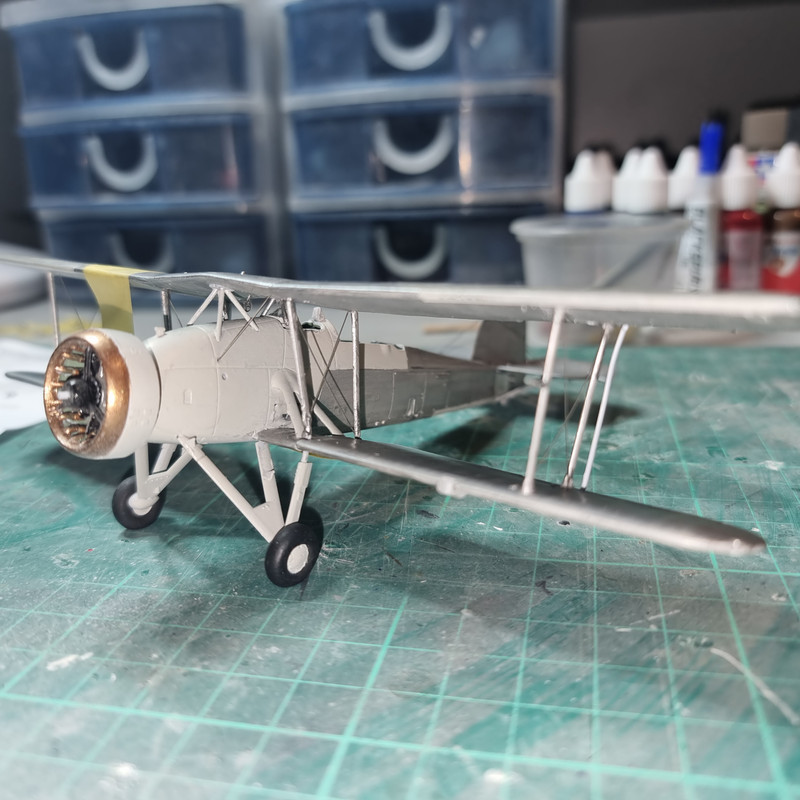
The build
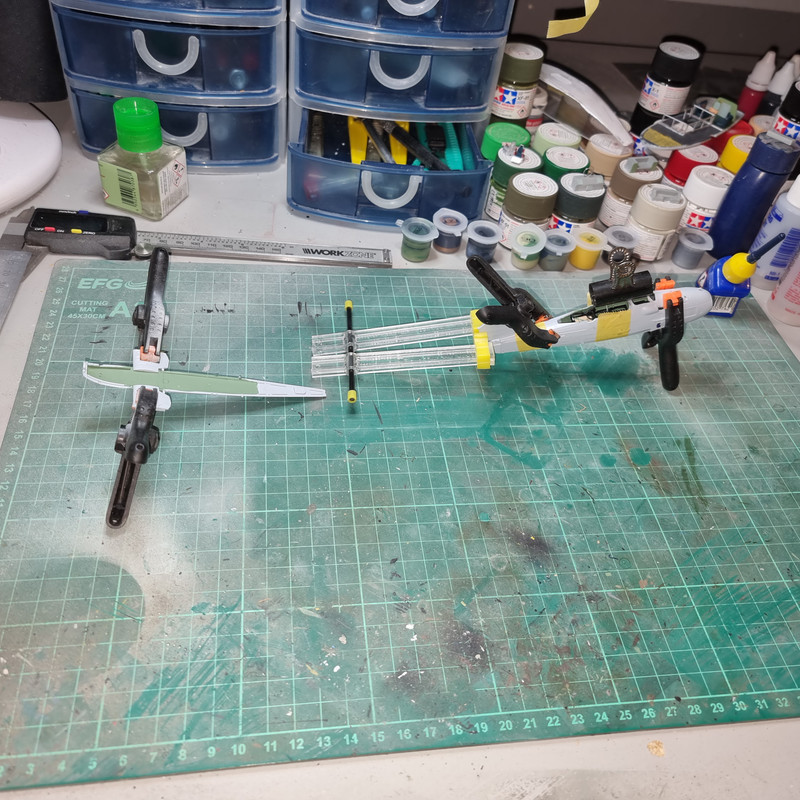
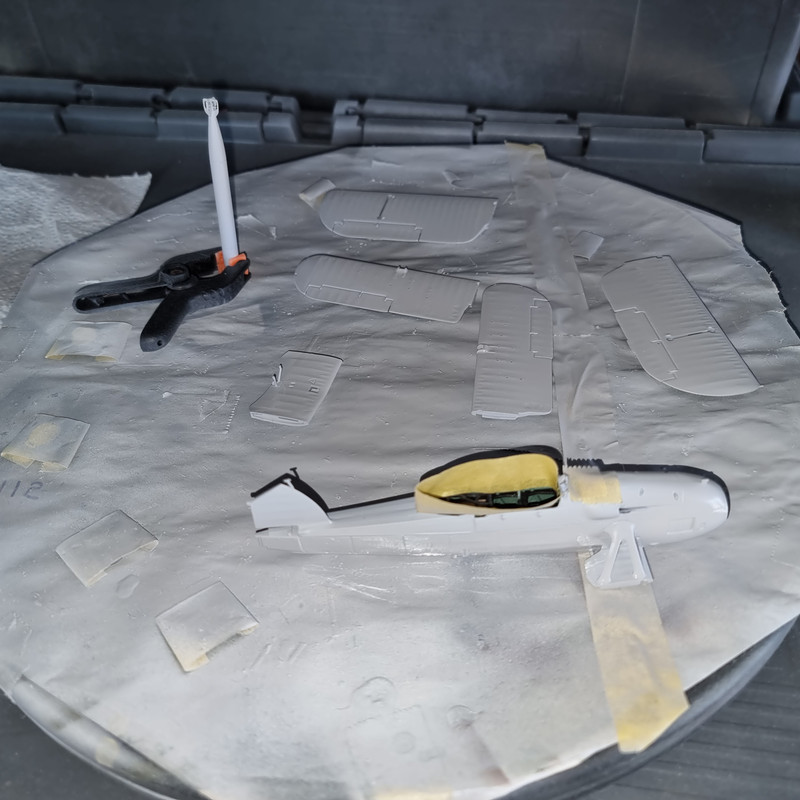
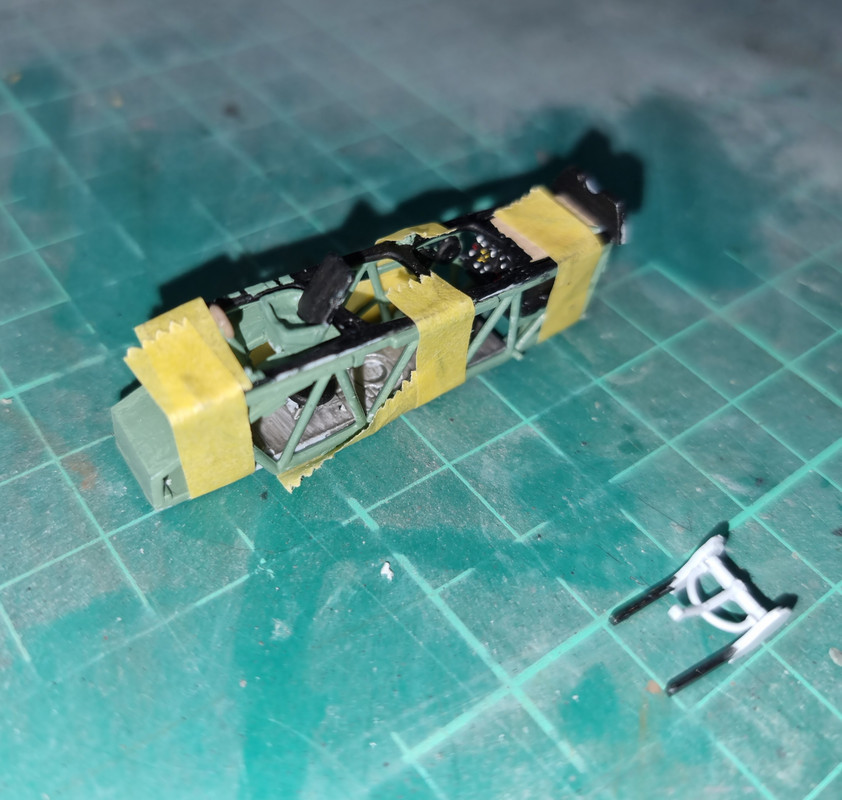
First assembly steps are the cockpit area. Taking the parts off the sprue and there was no flash and minimal seam lines. However the curse of Airfix became apparent yet again as the two side frames were warped - hence the excessive tape:
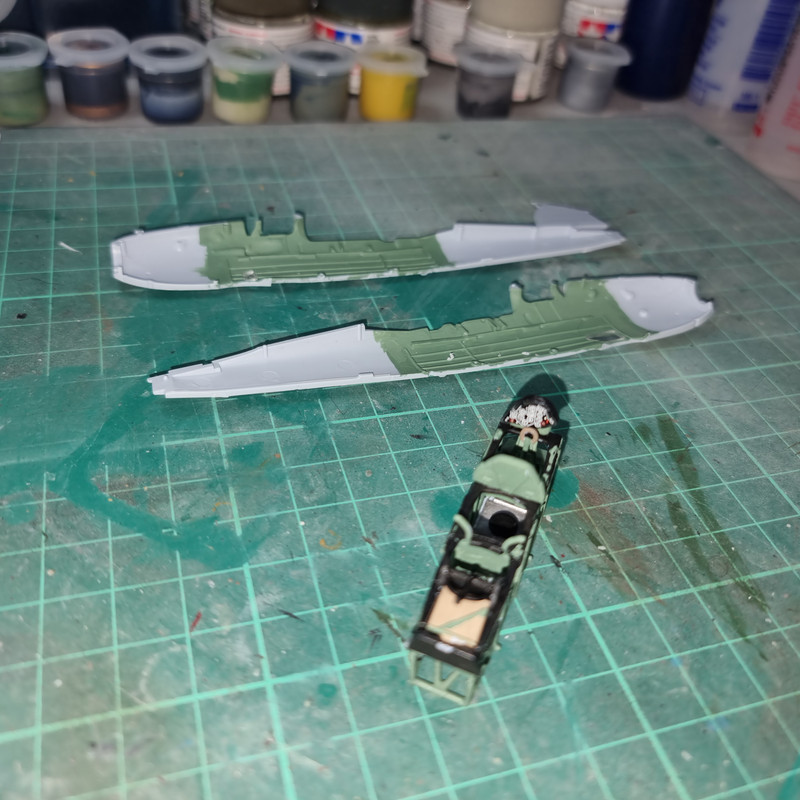
Once set the radio, upper bulkheads and instrument panel were added.








 The large scale Trumpeter kit is in the stash too.