Hey everyone.
Very sorry for the long wait. Life and work have both been crazy lately.
Some stat's for my thread.
I know that they've been listed by a few others already, but what's one more (feel free to skip down to the update should you wish)
Surviving samples of the world's first operational jet fighter are rare enough; of over 1500 Messerchmitt Me 262s produced there are only eight aircraft left today, or ten if you count the two post-war Avia S-92s. One of the survivors was presented on these pages before (see our previous feature Me 262 in Detail), but now is the time for a true rarity - the world's only existing Me 262 night fighter from the South African National Museum of Military History in Johannesburg.
The production two-seater variant of the Messerschmitt's jet fighter, called Me 262B-1, was devised solely for conversion training purposes. For a fighter pilot accustomed with the piston-engined aircraft the Me 262 was a vehicle of a different age. The tricycle undercarriage, twin engines, completely new type of propulsion notwithstanding the temperamental throttle control - all contributed to the need of conversion trainer with instructor in the rear cockpit. As was the accustomed practice, two-seater machines were not to be built new but converted from fighter models. About 120 machines of this variant were finished during 1944 and 1945.
Initially, the idea of a night-fighter 262 was developed independently by Messerschmitt as the Me 262B-2. It was to have a longer fuselage accommodating the two crew, internal fuel tanks with the capacity comparable to that of a single-seat variant, and a Berlin radar antenna hidden inside the modified nose cone. However, by the end of 1944 the war situation deteriorated so rapidly that it was realized that an interim solution must be found before the B-2 could reach production status.
The trainer led to the impressive "Me-262B-1a/U1" night fighter, with "FuG-218 Neptun" long-wavelength radar and "Naxos" centimetric-radar-homing gear, plus armament of two MK-108 30 millimeter cannon and two MG-151 20 millimeter cannon. The type was put through trials in October 1944 by the well-known Hajo Hermann. The Neptun "antler" antennas slowed the aircraft down, but it was still faster than the hated British Mosquito, which preyed on German night-fighters.
During the following winter, Kurt Welter, head of "Kommando Stamp", used Me-262A-1a day fighters for "Wilde Sau (Wild Boar)" night fighting, and in April the unit obtained a few of the Me-262B-1a/U1 night-fighter variants. Despite all the difficulties, Welter claimed 20 kills, making him one of the first jet aces and likely the highest-scoring jet ace in all history.
By the end of the war, Messerschmitt was working on a prototype of the improved "Me-262B-2a" night fighter with a longer fuselage and increased fuel capacity. It was fitted with the Neptun radar at the outset, but there were plans to fit it with the "Berlin" centimetric radar, with improved range and resolutions and a dish hidden in the nose, instead of the clumsy and drag-inducing "antlers" of the long-wavelength radar.
There was also consideration of fitting the Me-262B-2a with upward-firing cannon installed in the rear fuselage to allow it to attack RAF bombers from their belly blind spot.
Modifications Weights: Empty: 4000kg (B-1a 4400kg); Loaded: 7045kg (B-1a 6400kg)
Performance: Maximum speed: Me 262A-1a: 540mph (870km/h); Me 262A-2a: 470 mph (755km/h); Me 262B-1a: 497 mph (800km/h)
Armament:
Me 262A-1a: Four 30mm MK 108 cannon in nose -two with 100 rounds each, two with 80
Me 262A-1a/U1: two 30mm MK 103; two MK 108; two 20mm MG 151/20
Me 262A-1b: as A-1a plus 24 spin-stabilised R4/M 55mm rockets
Me 262A-2a: as A-1a plus bomb load of two 500kg bombs
Me 262B-1a: as A-1a
Me 262B-2a: as A-1A plus two inclined MK 108 behind the cockpit in Schrage Musik installation
(D) SG 500 Jagdfaust with 12 rifled mortar barrels inclined in nose
(E) 50mm MK 114 gun or 48 R4/M rockets
Me 262A-1a Specification
Crew: 1
Dimensions
Wing Span : 12.5 m (41 ft 0 in)
Wing Area: 21.7 m2 (234 ft2)
Length: 10.58 m (34 ft 9 in)
Height: 3.83 m (12 ft 7 in)
2 x TJE Jumo-004B-1, B-2 ore B-3, thrust 900 kgp (1,980 lbf)
Empty weight: 3800 kg (8,380 lb)
Loaded with 1800 L Fuel: 6400 kg (14,110 lb)
Maximum takeoff weight with 2565 l fuel 7130 kg (15,720 lb)
So, on to the build.
Started with the office (I assume that fighter pilots love what they do, therefore being in the office ain't a bad thing

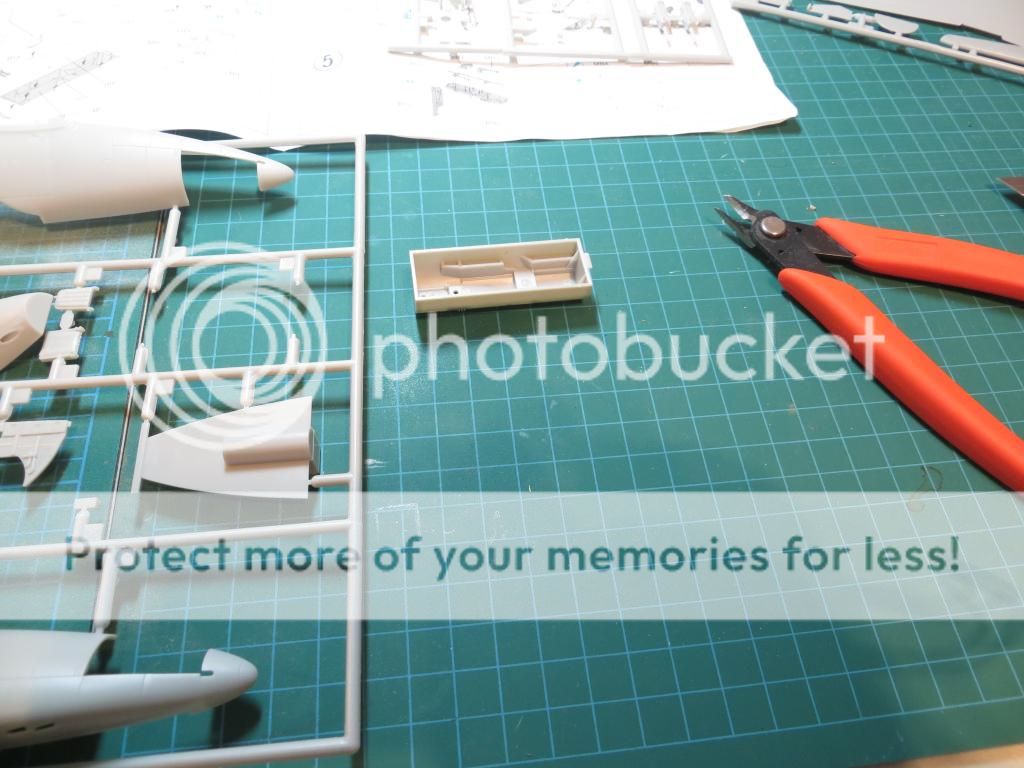
It's a shame this will all be hidden - such detail for such an unseen part. sad.

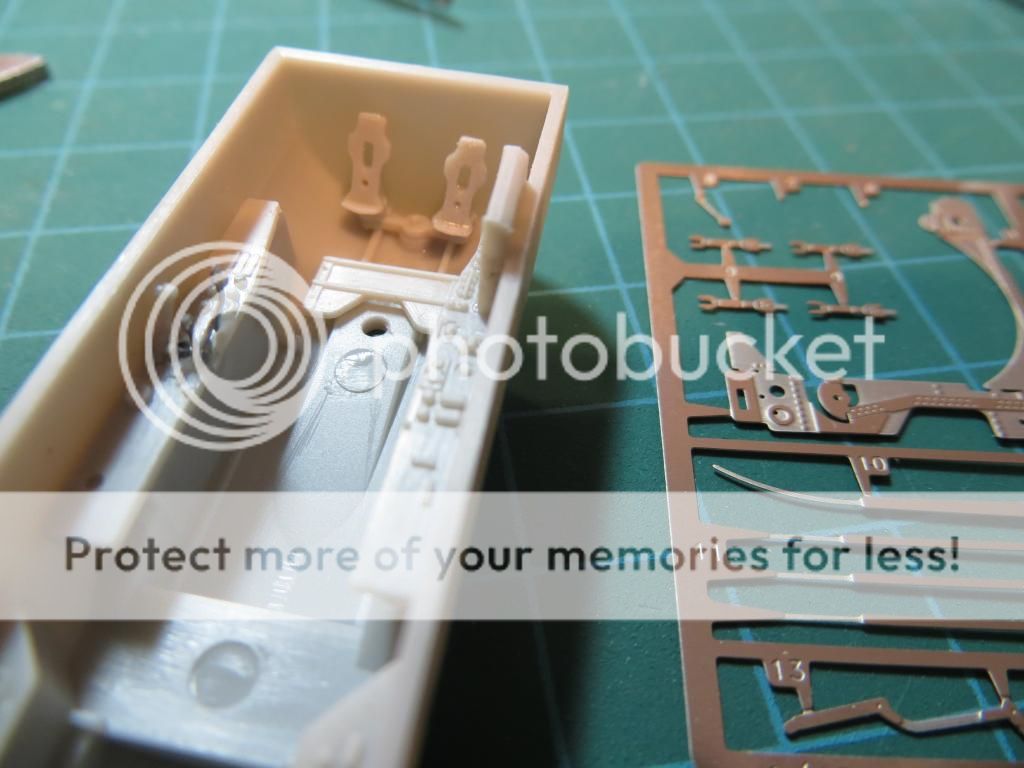
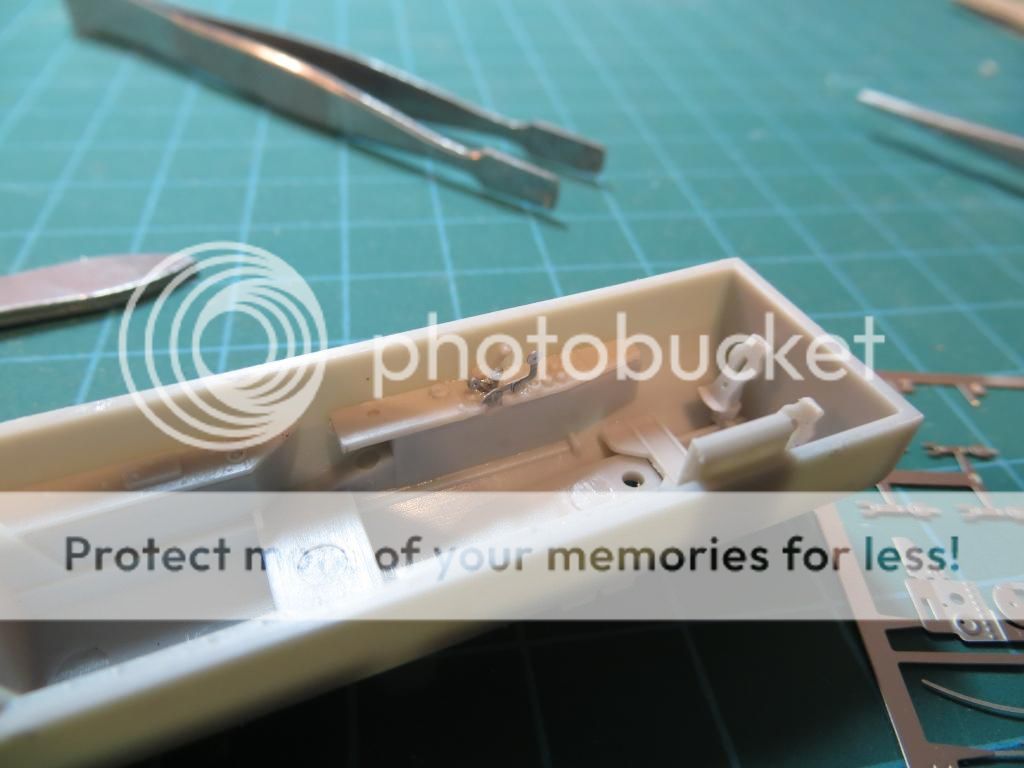
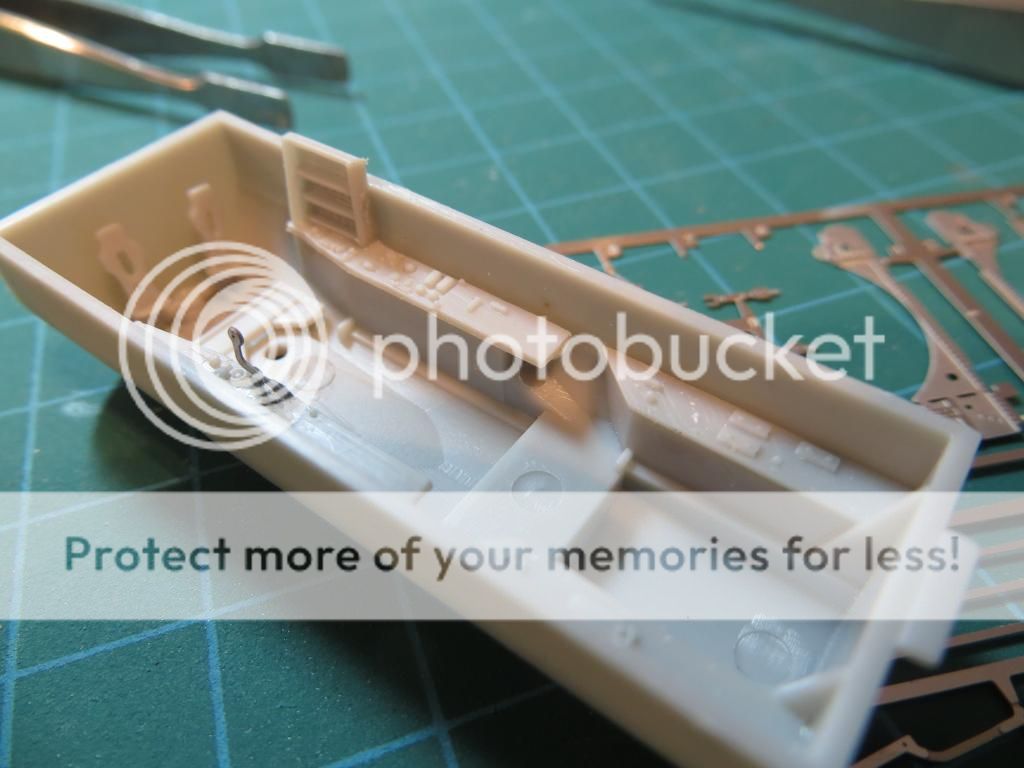
Tiny PE add-ons in the pit... with the advice of (I beleive) Chief, gonna get a small glob of Klear or PVA on there to get a proper nob
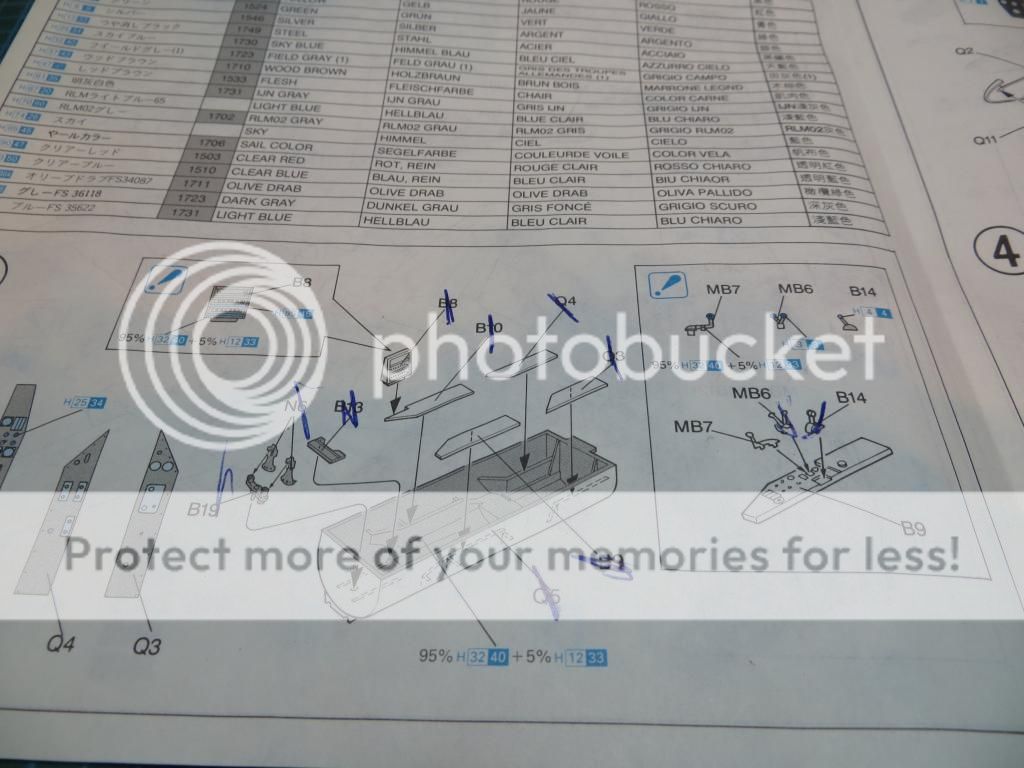
What I do with most of my instructions - but something that comes incredibly handy with Dragon De-Structions... this way I know that I haven't missed anything, and can highlight something I need to come back to or pay attention to.
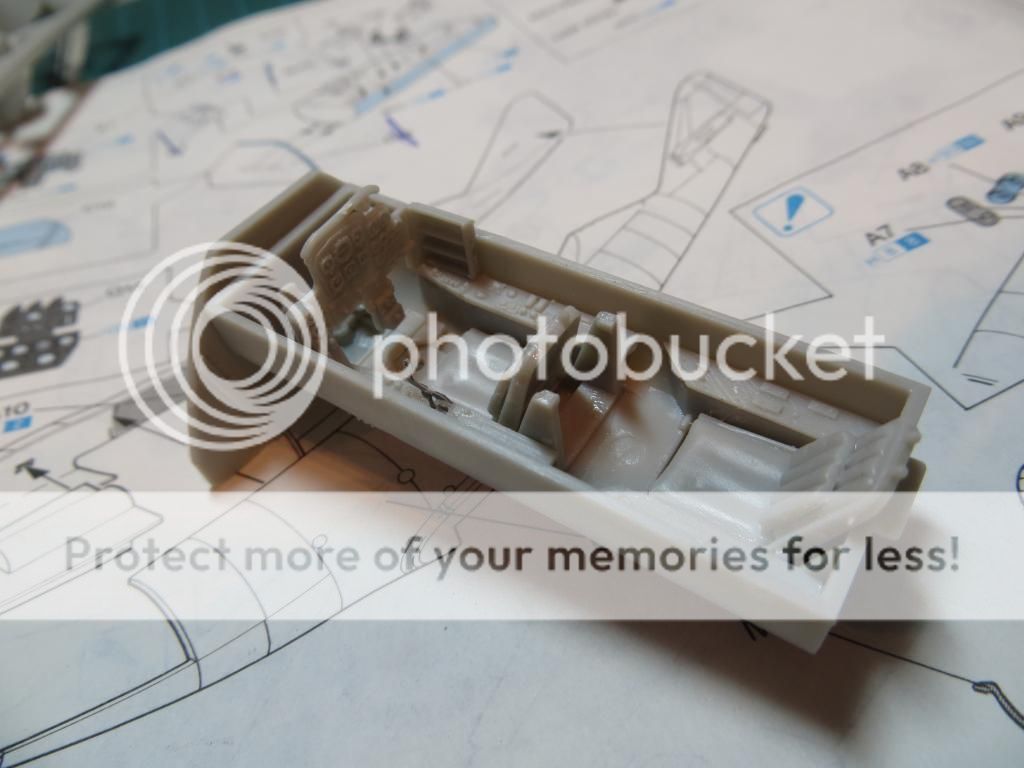

Fantastic detail... going to be painful on the eyes - painting all those dials

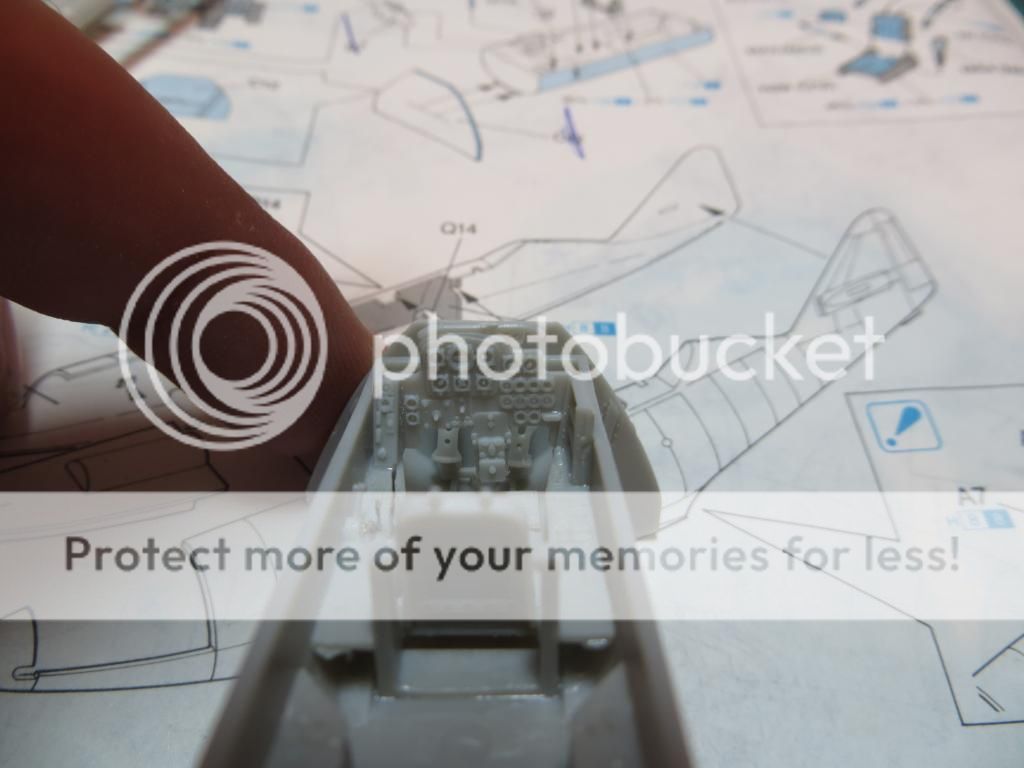
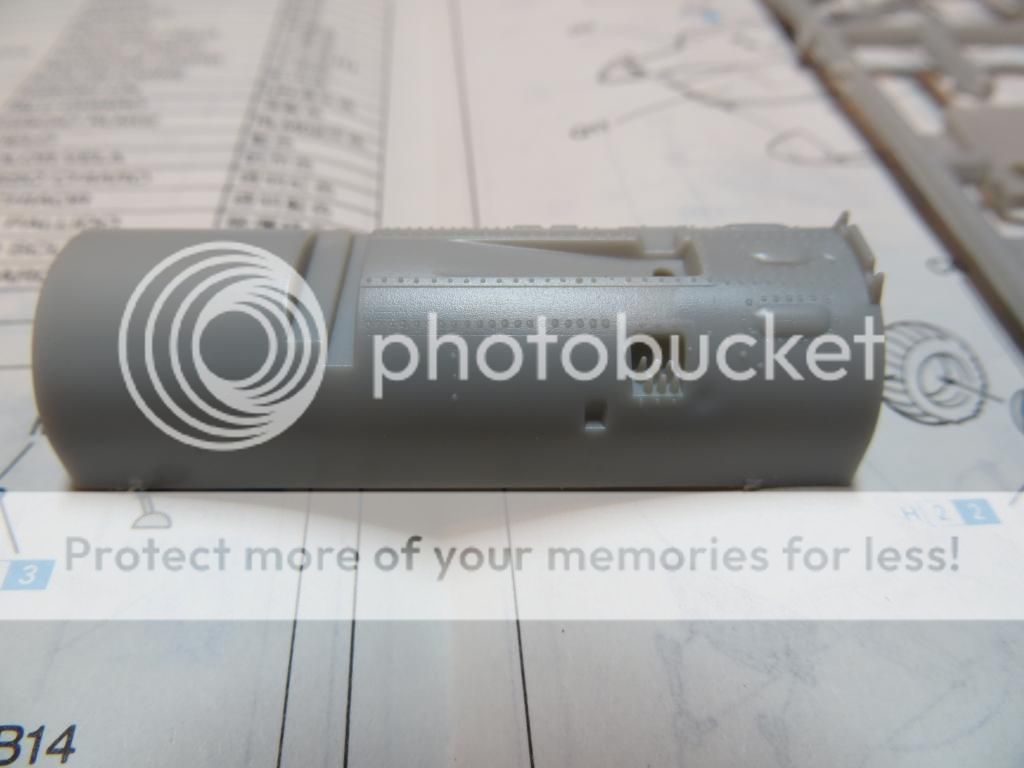
Fuselage; again, fanstastic detail never to be seen.
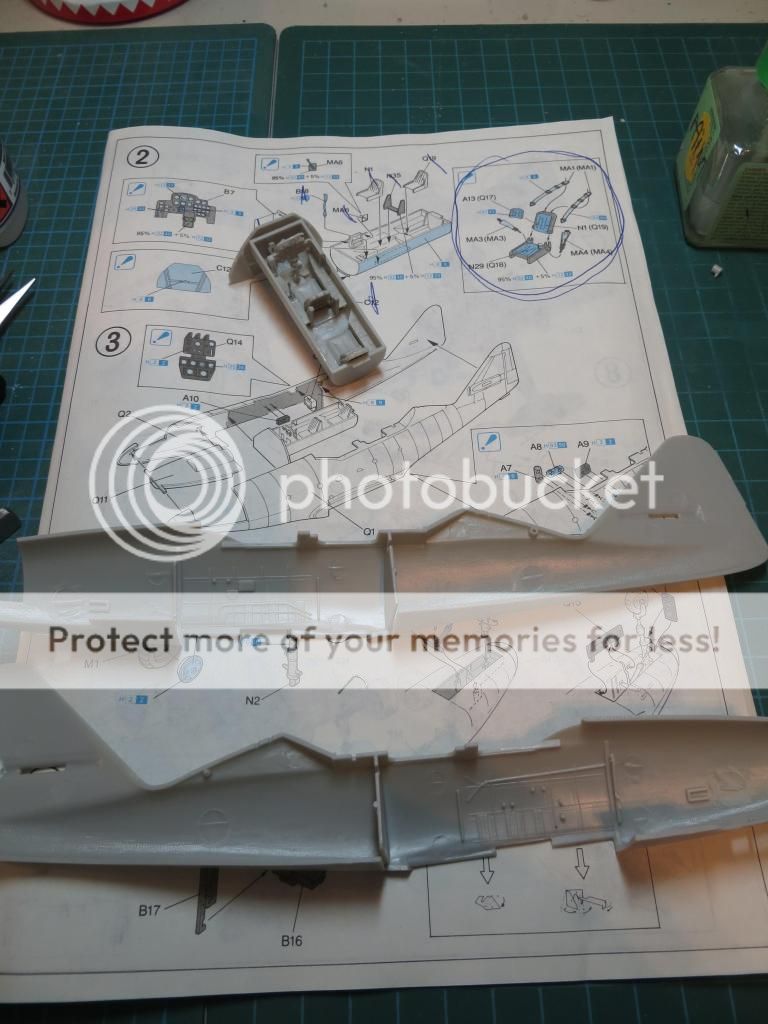
CAUTION!!!! Instruction error... it has to be!
Part Q14
CANNOT be inserted to right-half of fuselage. It will not allow the cockpit, or either of the halves to go together.
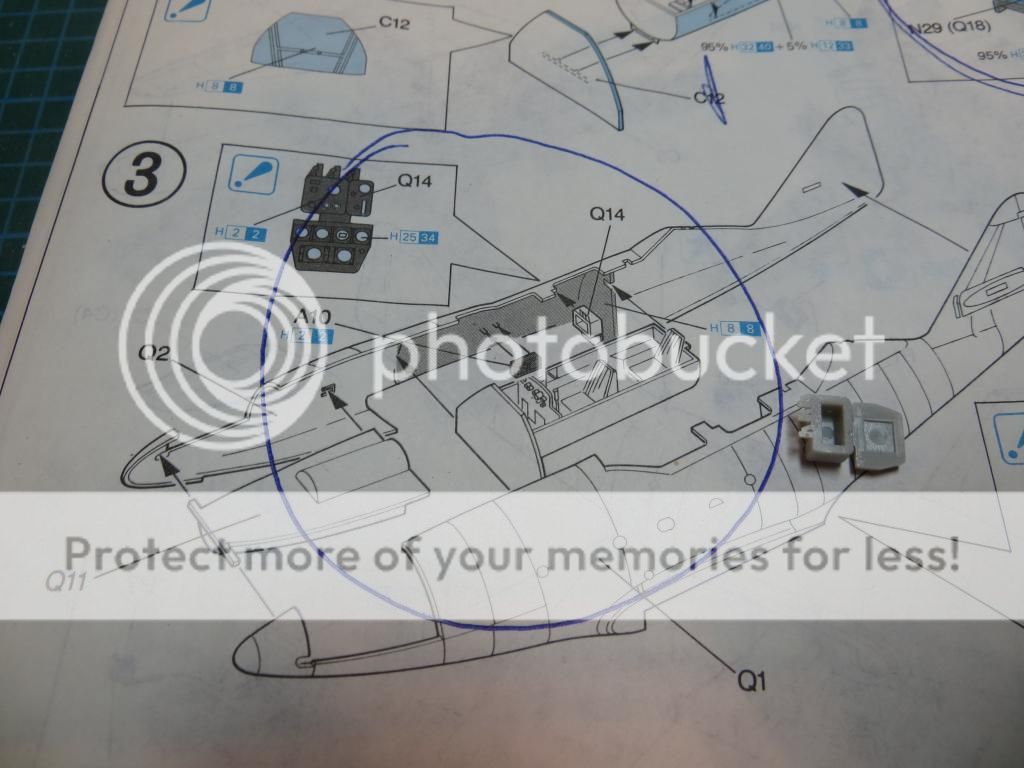
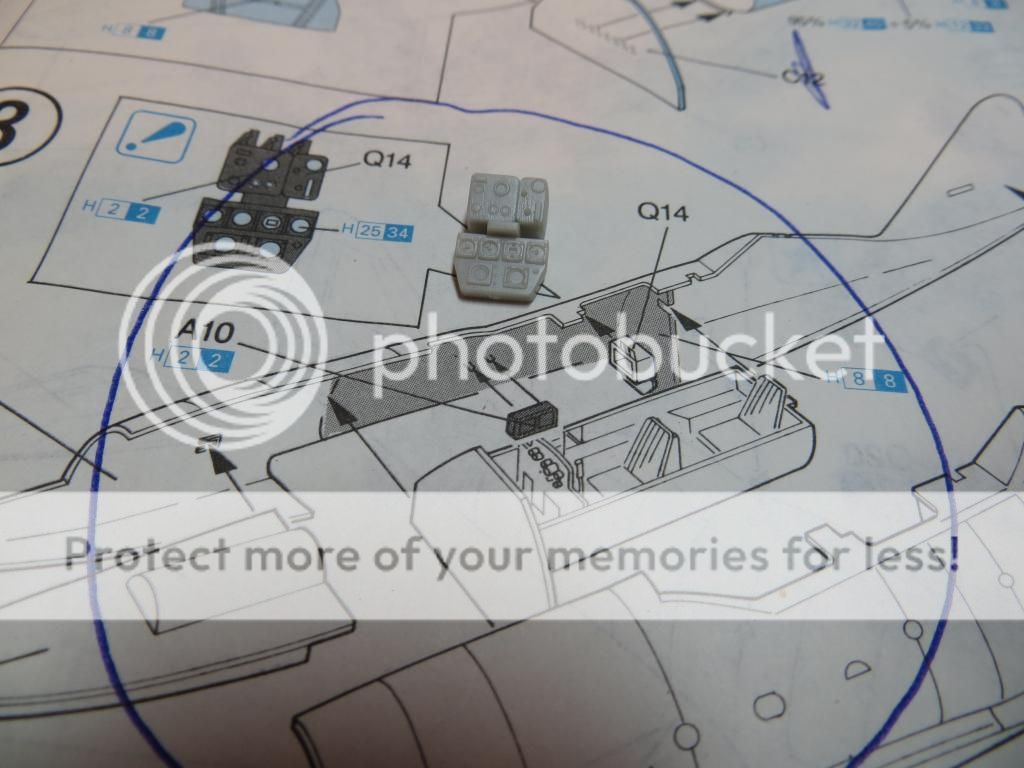
As you can see, it wouldn't fit
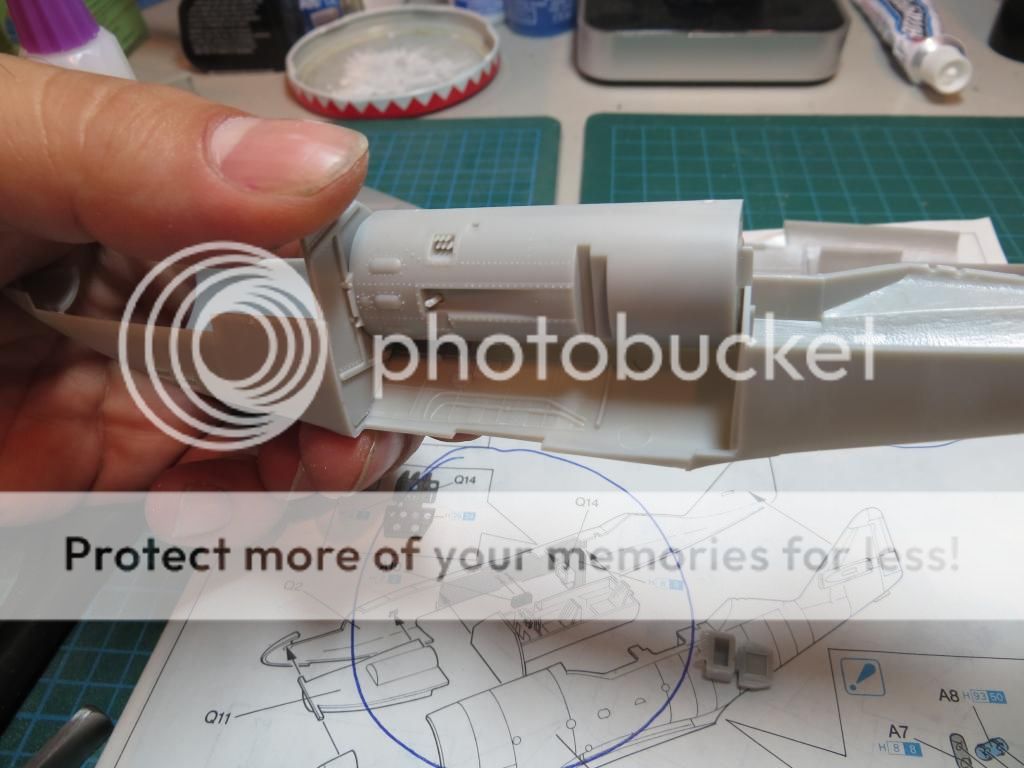
BUT! It does fit
perfectly inserted into the spot in the office, behind the first seat.
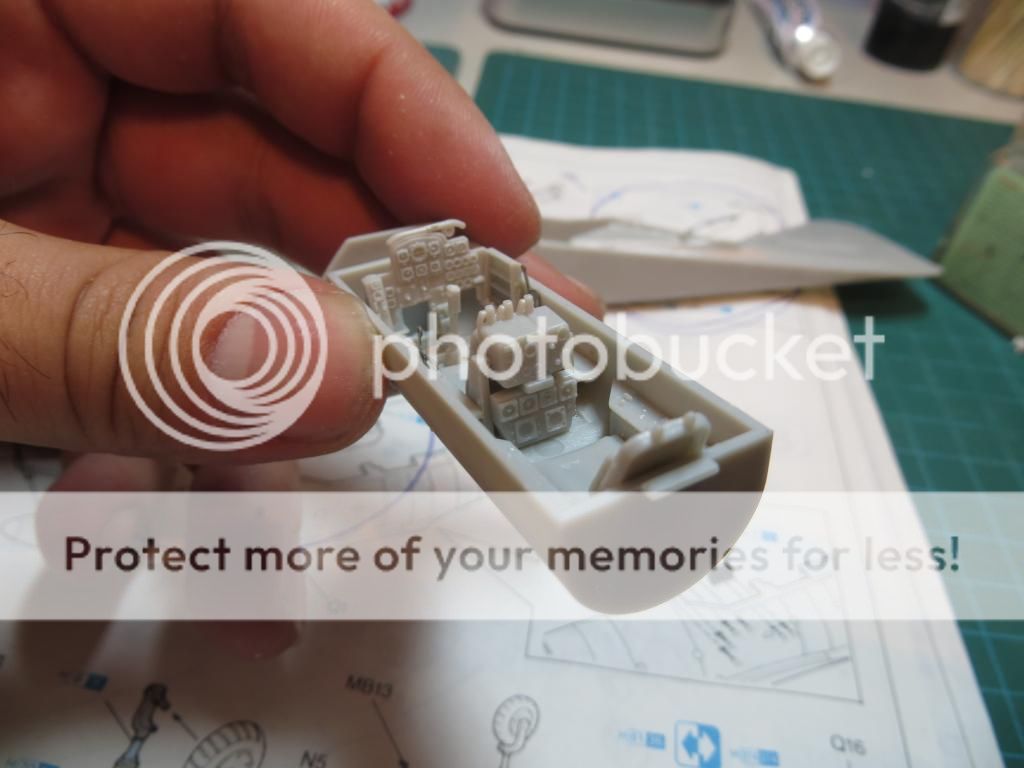
CAREFUL how far up (or in my case, too far back) you place the second seat... fit issues if you don't fix it or do it right the first time.
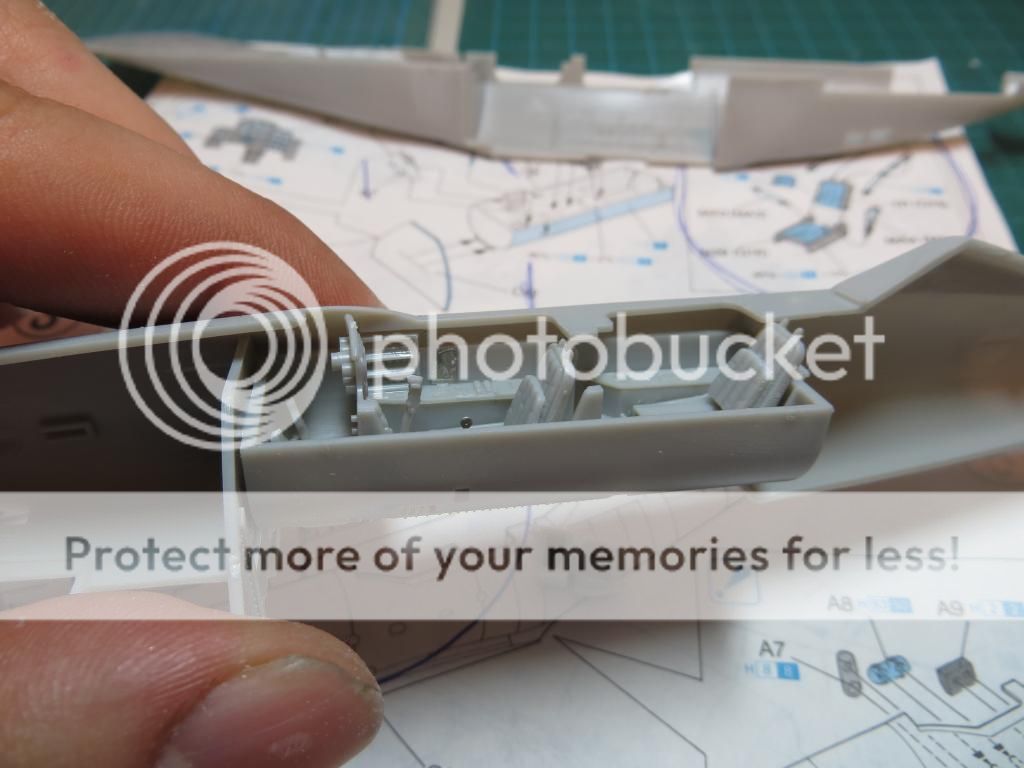

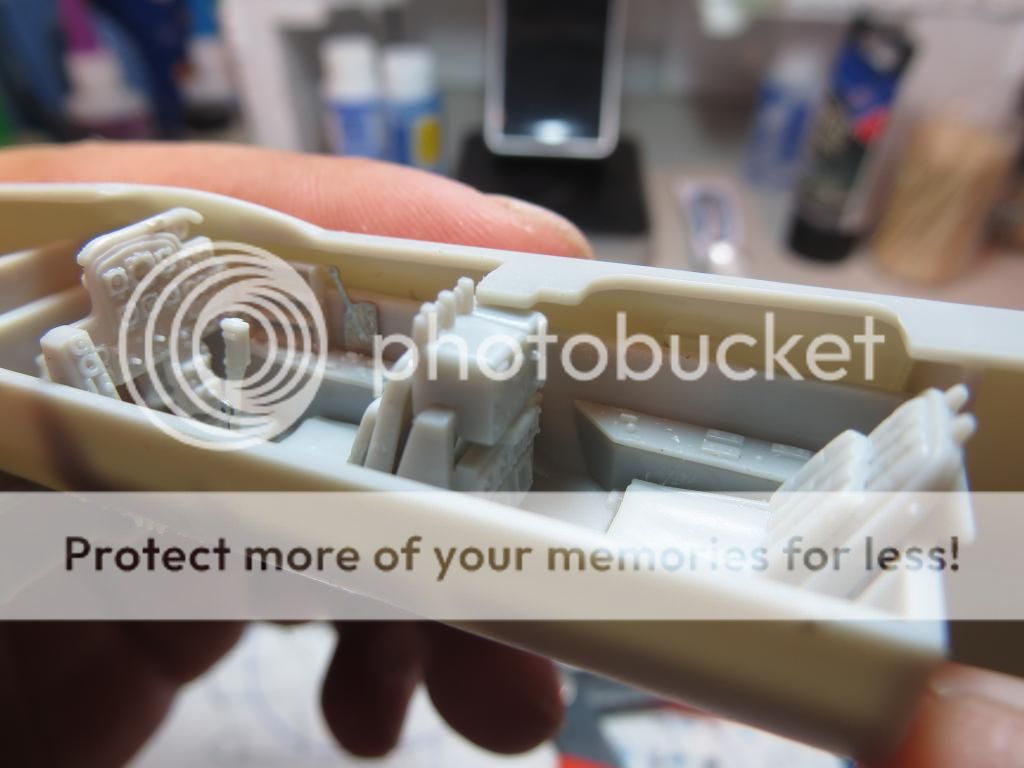
After a little sanding and moving-up of the 2nd seat - we have a perfectly amazingly great fit. doens't even look like filler or putty will be needed!!


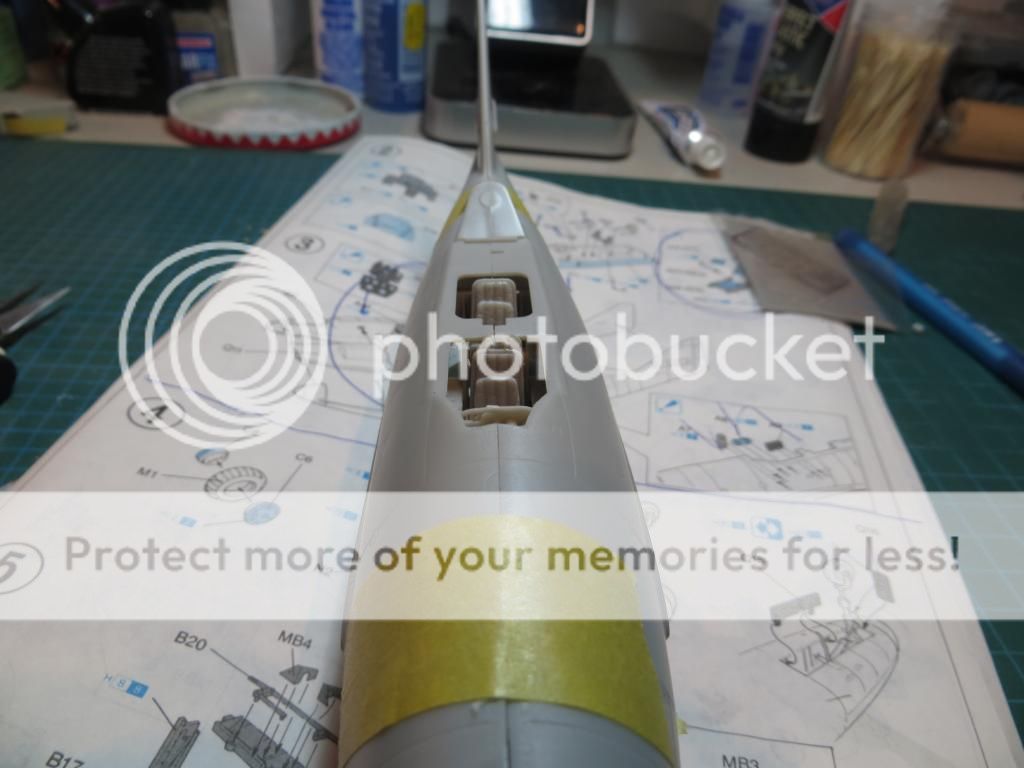
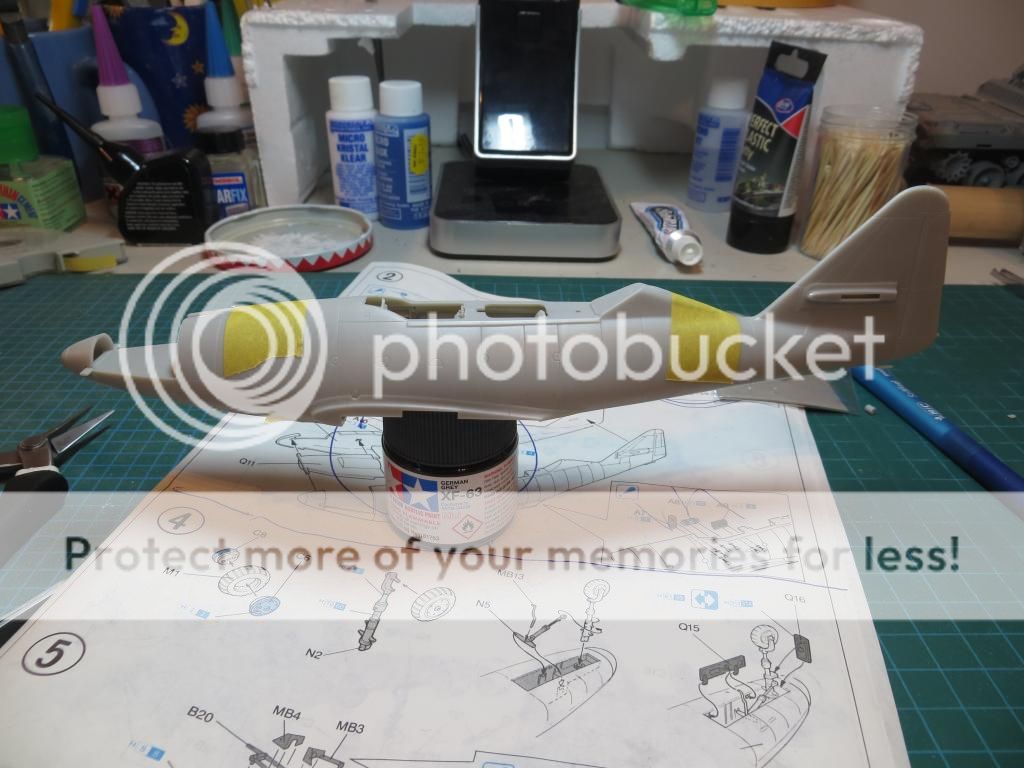
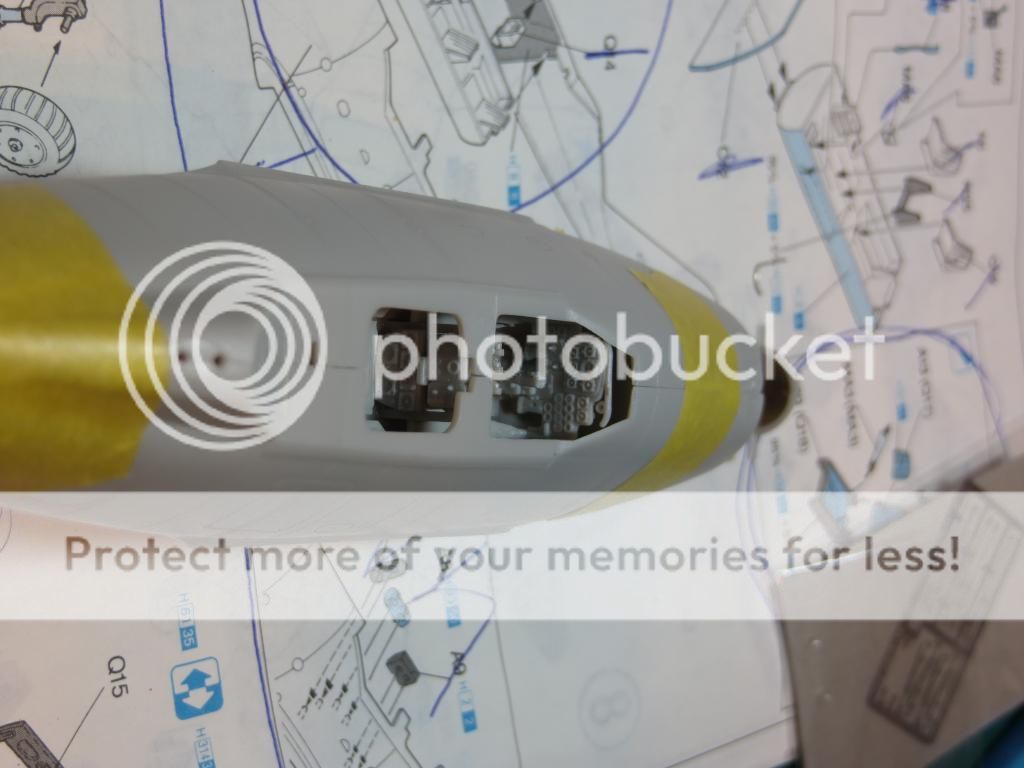
Alright, that's all for now! I got some primer down on it and will be putting some Grey down on it this weekend and hopefully some detail.
Thanks for stopping in!