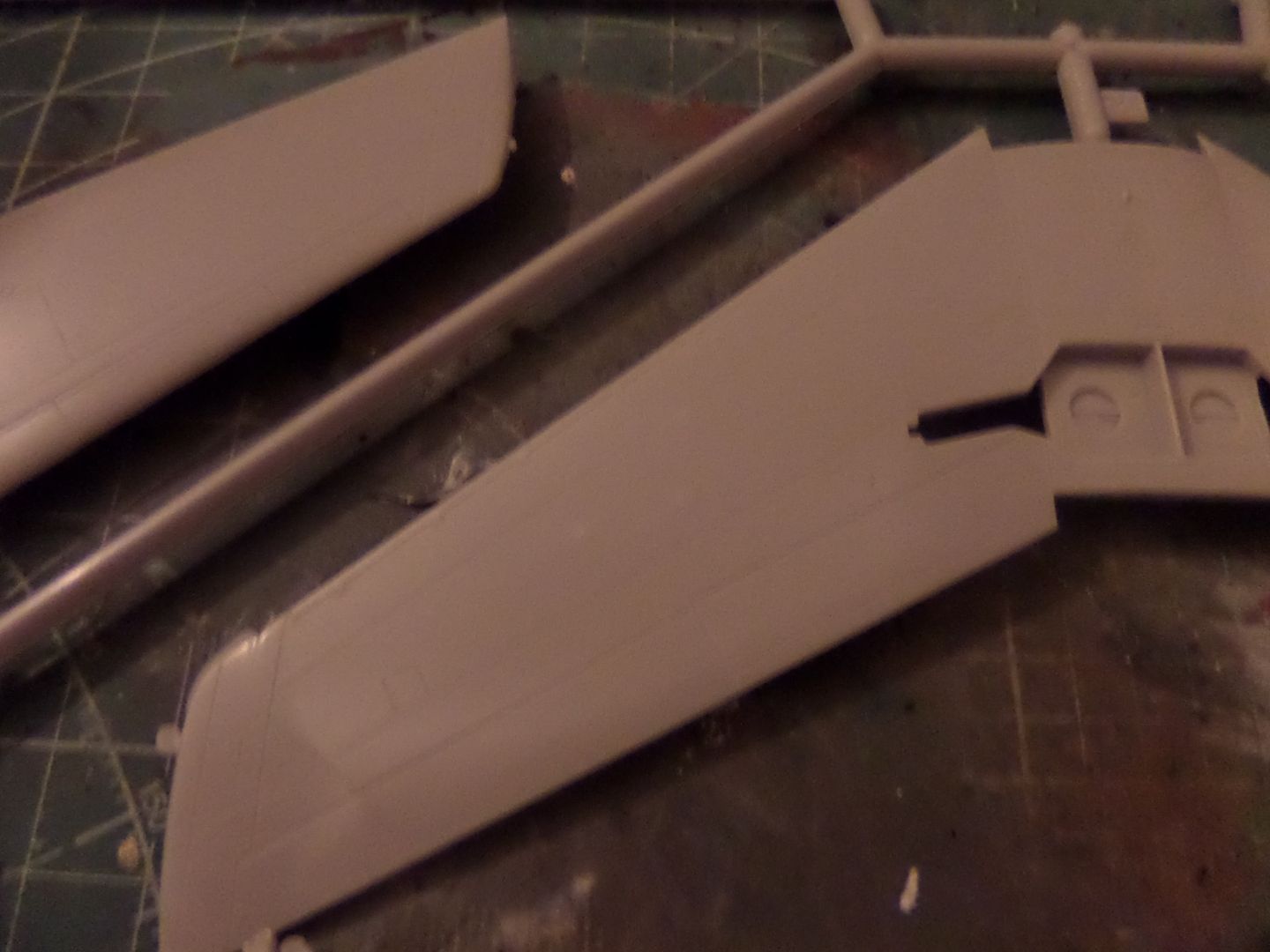
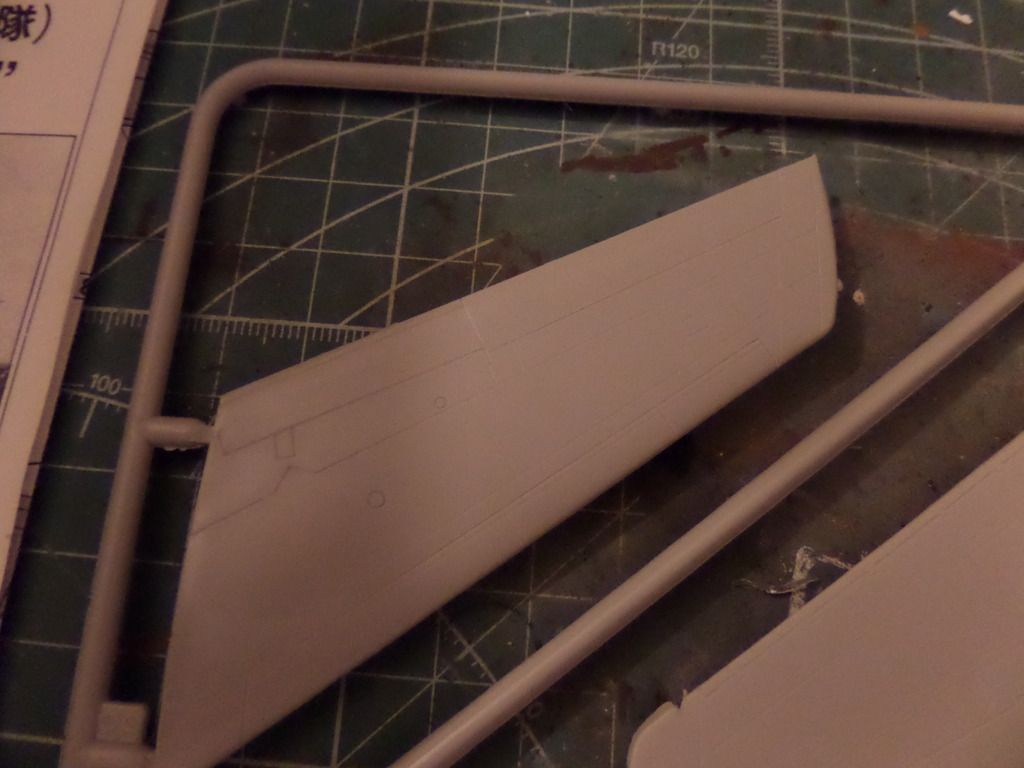
Some History on the F86 Sabre and his history on my country Air Force , will try not to be too detailed , as the only references that I had come from Internet ,
Some History :
More than 6,000 F-86s were manufactured by North American Aviation's Los Angeles, Calif., and Columbus, Ohio, divisions.
The first swept-wing airplane in the U.S. fighter inventory, the F-86 scored consistent victories over Russian-built MiG fighters during the Korean War, accounting for a final ratio of 10-to-1. All 39 United Nations jet aces won their laurels in Sabres.
Four models of the craft (F-86A, E, F and H) were day fighters or fighter bombers, while the F-86D, K and L versions were all-weather interceptors.
Successive models of the daylight versions — all designed to destroy hostile aircraft in flight or on the ground — were equipped with more powerful engines and armament systems that ranged from bombs and rockets to machine guns and cannon. All were rated in the 650-mph (1046 kph) class with a 600-mile (966-kilometer) combat radius and a service ceiling of more than 45,000 feet (13,716 meters).
The three interceptor versions sported black radome noses, replacing the yawning jet intakes of the other models. The K model, manufactured in Turin, Italy, by Fiat, was flown by NATO forces. The F-86L had added equipment for use in conjunction with the U.S. Semi-Automatic Ground Environment (SAGE) defense system.
Forerunner of the operational Sabre was the XF-86, first flown Oct. 1, 1947, by North American Aviation test pilot George Welch. A few months later, Welch became the first pilot to fly the plane at Mach 1 in routine flight. Although technically rated as subsonic, the Sabre was no stranger to supersonic speeds.
Various models of the Sabre held world speed records for six consecutive years, setting five official records and winning several National Aircraft Show Bendix Trophies.
In September 1948, an F-86A set the Sabre's first official world speed record of 570 mph (917 kph). This mark was bettered in 1952 by an F-86D that flew at 698 mph (1123 kph). The D became the first model of a fighter to better its own record, in 1953, with a run of 715 mph (1151 kph).
The F-86E and subsequent models incorporated a unique control system, developed by North American, called the "all-flying tail." The F-86A contained a booster control system that called for the pilot to do part of the work of controlling the aircraft, whereas the newer system added full power-operated control for better maneuverability at high speeds. An "artificial feel" was built into the aircraft's controls to give the pilot forces on the stick that were still conventional but light enough for superior combat control.
U.S. production of the Sabre Jet ended in December 1956.
Technical Specifications
F-86 Sabre Jet
First flight Sept. 23, 1950
First delivery Feb. 9, 1951
Span 37 feet
Length 37 feet
Height 14 feet
Wings Spar, ribs and covering: aluminum
Speed 565 knots (650 mph) Class
Range Approx. 870 nautical miles (1,000 statute miles)
Service ceiling Over 45,000 feet
Power plant General Electric 5,200-pound thrust J-47-13 turbojet
Combat weight 14,000 pounds
Armament Six .50-caliber machine guns, 16 five-inch HVAR rockets or 2,000 pound max. bomb load
Special features
Swept-back wing and tail
Electrically operated flaps
Hydraulically operated speed brakes
Automatic wing leading-edge slats
Hydraulic-power-operated irreversible controls with artificial feel for the all-movable horizontal tail and ailerons
Portuguese Air Force Service :
A total of 65 acquired: 50 U.S.-built F-86Fs, 1958, including some from USAF's 531st Fighter Bomber Squadron, Chambley and 15 ex-Royal Norwegian Air Force. In Portugal, they served in Squadron 201 (formerly designated as Sqn. 50 and later Sqn. 51, before being renamed in 1978) and Squadron 52, both based at Air Base No. 5, Monte Real. In 1961, Portuguese Air Force deployed some of its F-86Fs to Portuguese Guinea, where they formed Detachment 52, based at Base-Aerodrome No. 2, Bissalanca/Bissau.
Guinea-Bissau War of Independence :
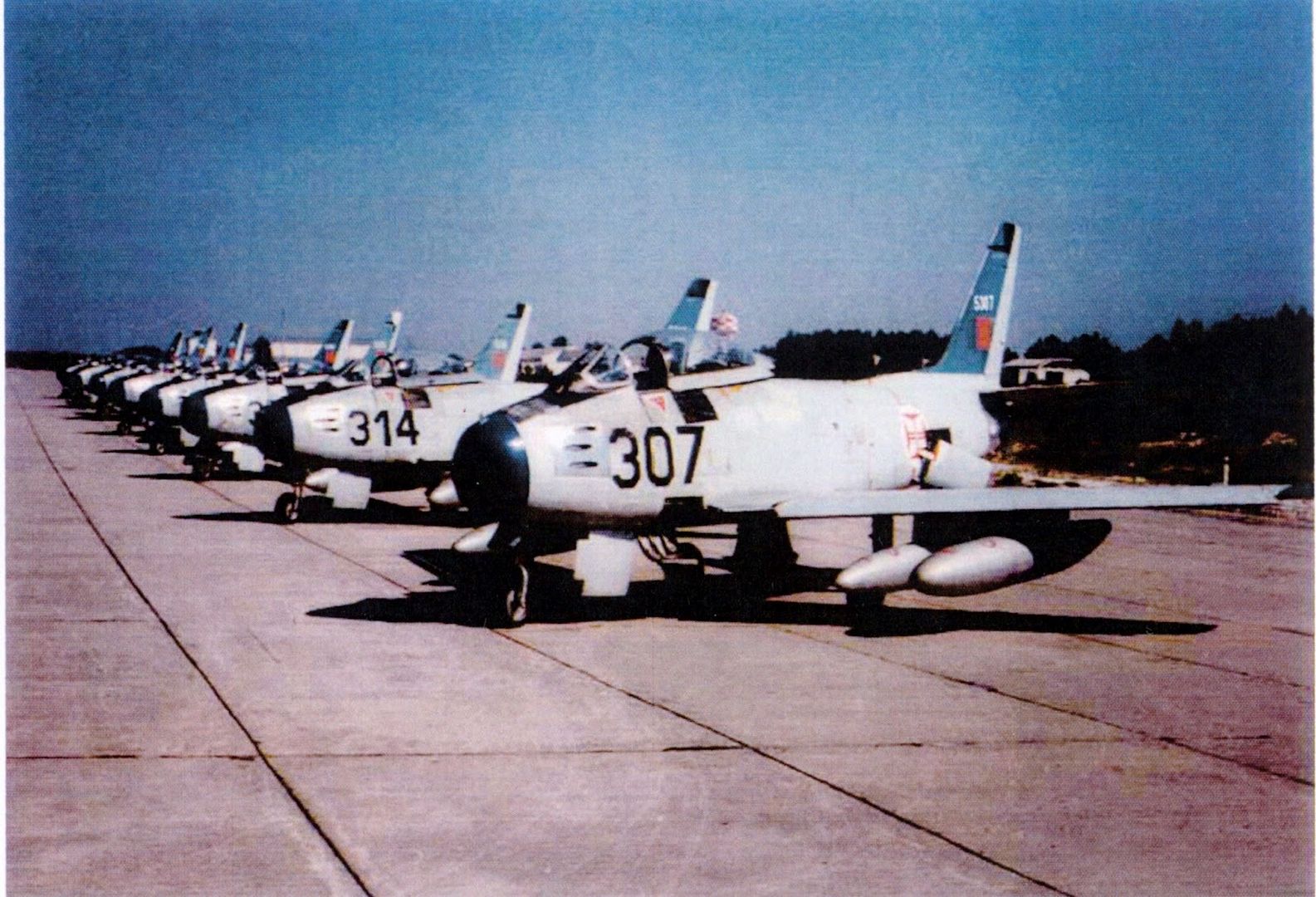
The Portuguese Air Force (FAP) deployed some of its F-86F Sabres to Portuguese Guinea in 1961, being based at AB2 – Bissalanca Air Base, Bissau. These aircraft formed "Detachment 52", initially equipped with eight F-86Fs (serials: 5307, 5314, 5322, 5326, 5354, 5356, 5361 and 5362) from the Esquadra 51, based at the BA5 – Monte Real Air Base. These aircraft were used in the Guinea-Bissau War of Independence, in ground attack and close support operations against the insurgent forces. In August 1962, 5314 overshot the runway during emergency landing with bombs still attached on underwing hardpoints and burned out. F-86F 5322 was shot down by enemy ground fire on 31 May 1963; the pilot ejected safely and was recovered. Several other aircraft suffered combat damage, but were repaired.
In 1964, 16 F-86Fs based at Bissalanca returned to mainland Portugal due to U.S. and NATO pressure. They had flown 577 combat sorties, of which 430 were ground attack and close air support missions. During these operations, one FAP Sabre was shot down and another crashed.
Just some comment , they were replaced later by Fiat G91 R/4 , Portugal bought 40 units to West Germany in 1966 so to use in their African territories .
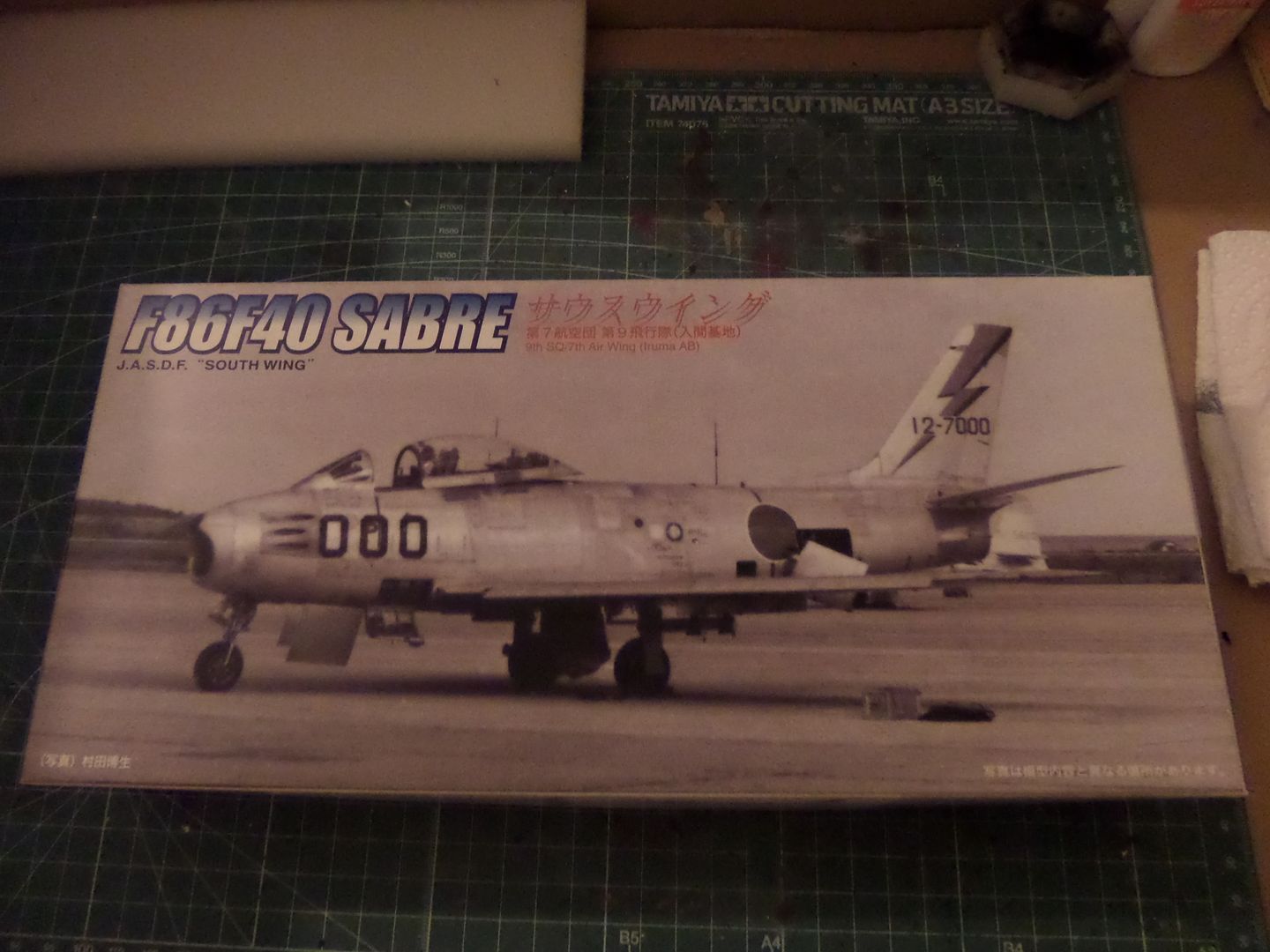
The plane I will build and depict is F86F40 serial 5322 Esquadra 51 in Bissalanca Air Base, Bissau , the one that was shot down during their deployment in Guinea-Bissau War of Independence .
In the summer of 1961 a Detachment of eight F-86F Sabres was sent to Guiné-Bissau, in the so-called "Operation Atlas". The aircraft left Monte Real on August 8, making technical stops at Montijo Air Base (Portugal), Gando (Canary Islands) and Sal (Cabo Verde Islands). Aircraft numbers: 5307-14-22-26-54-56-61-62.
The Detachment 52, activated with eight aircraft at Bissalanca Air Base at Bissau, stayed until October 1964. Unfortunately, due to the pressure of the United States and other nations, they were forced to return to Portugal, because they were still NATO assigned aircraft. This created a difficult situation because the F-86F was the only jet available in the Air Force inventory besides the remaining F-84, which were already in the end of their active life. But this is another story...!
The Portuguese F-86F had an extensive employment in the war (Guiné-Bissau):577 sorties, being 430 operational missions, including ground attack and close air support for the friendly forces, Army and Navy (Fuzileiros - Portuguese Marines).
The losses were one aircraft (5314) destroyed in August 1962 by fire after an emergency landing with the bombs still hanging in the pylons and finishing out of the runway, and one aircraft lost to enemy action (5322) in May 1963, the pilot safely ejecting and being quickly rescued. Some extensive damage was suffered by other aircraft due to the Anti-Aircraft Artillery (AAA) fire.
Its color scheme :
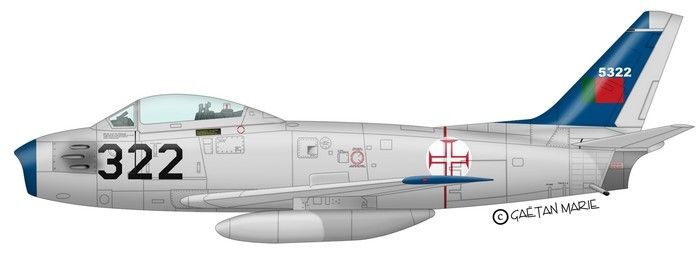
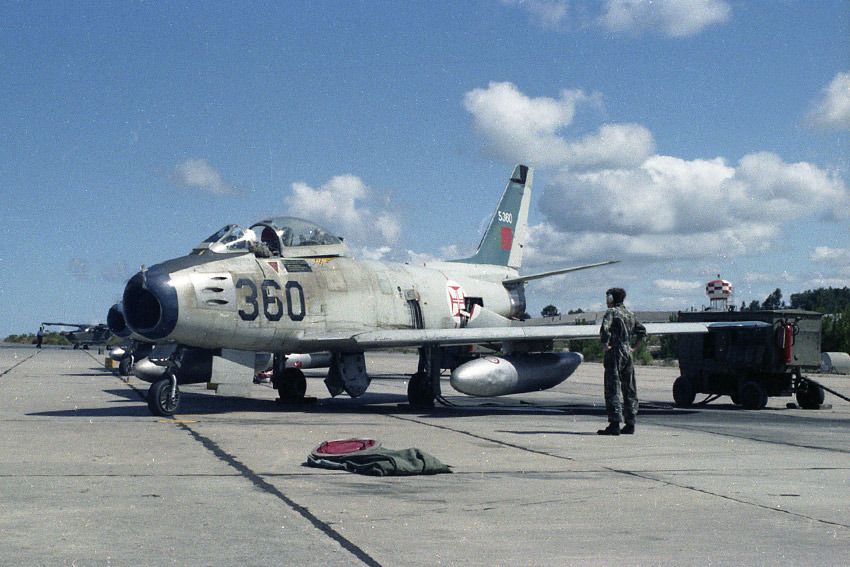
Some Photos , most of the surviving planes are now on exhibition all over the world , some were sold , some were trade , some are kept in the Portuguese airbases were they served ...
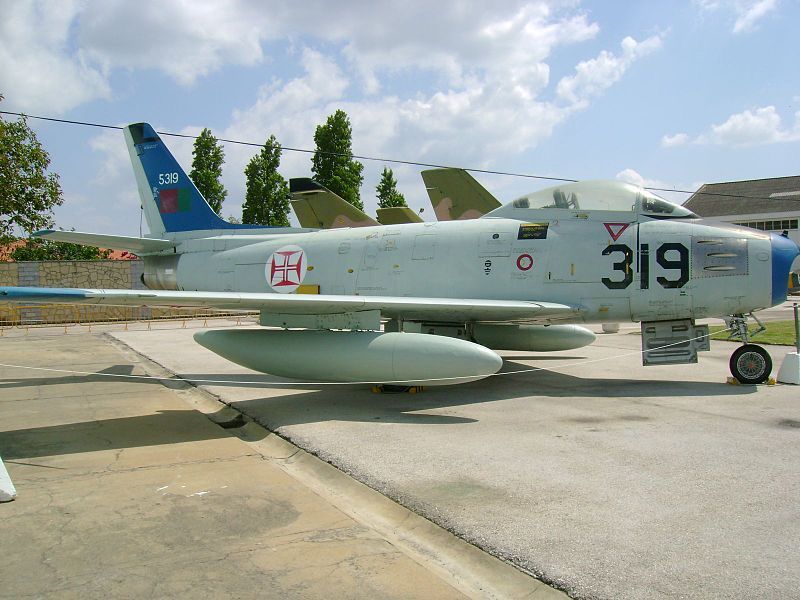
Just before the departure to Guinea
Nice Photo in a Portuguese airfield :
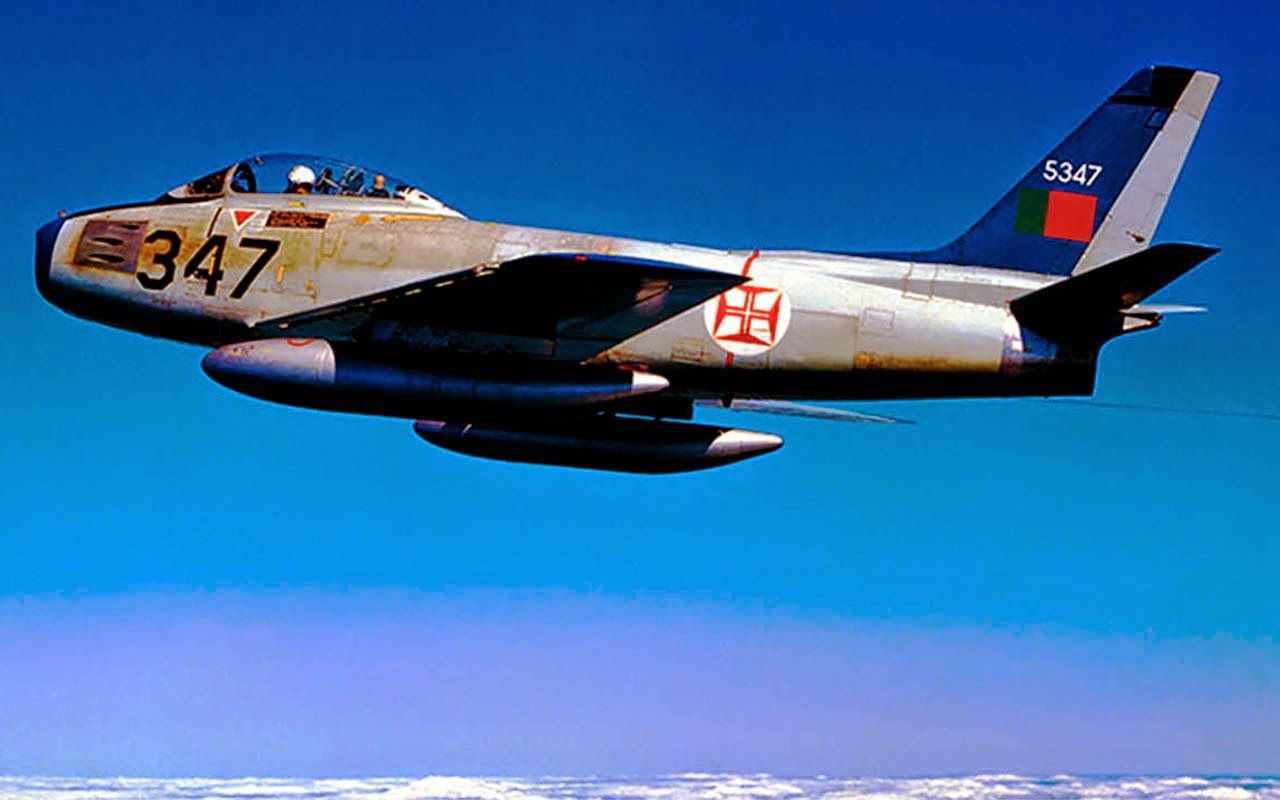
In flight :
With some very weathering :
The Esquadra 51/201 (Esquadra 52 had in effect a short live period from January 1960 to June 1961) was the only air unit to operate the F-86F Sabre in Portugal, being Monte Real air base, the Falcões Home Base. The squadron motto: "Na Guerra ou Paz tanto nos faz", proudly honored and respected by all pilots can be translated as "For War or Peace we are ready".
FALCÕES KILLED IN SERVICE - F-86F ACCIDENTS
2º Sargento Conceição Vitorino - 01 June 1960 - Carvide (5325).
Alferes Correia Barros - 14 November 1960 - Ansião (5323).
Alferes Rosa de Sousa - 12 November 1963 - Figueira da Foz (5343).
Capitão Amilcar Barbosa - 16 December 1970 - Alcochete (5362).
Major Nazário Rodrigues - 13 January 1977 - São Pedro de Muel (5308).
The air activity of the F-86F during the 22 years in service was around 60.000 flying hours and flown by 188 pilots.
The F-86F still in existence in the Portuguese Air Force are:
- 5301 - BA5 Monte Real - Main gate.
- 5319 - On display at the Air Museum in Alverca.
- 5320 - BA5 Monte Real (display Air Museum)
- 5333 - DGMFA - Alverca (Air Museum)
- 5337 - Ota (Air Museum)
- 5338 - Ota (Air Museum)
- 5347 - BA11 Beja (display Air Museum).
- 5360 - DGMFA - Alverca (Air Museum)
- 5361 - BA1 Sintra (display Air Museum).
The tail number 5316 was offered by The Portuguese Air Force to the Brussels Air Museum.
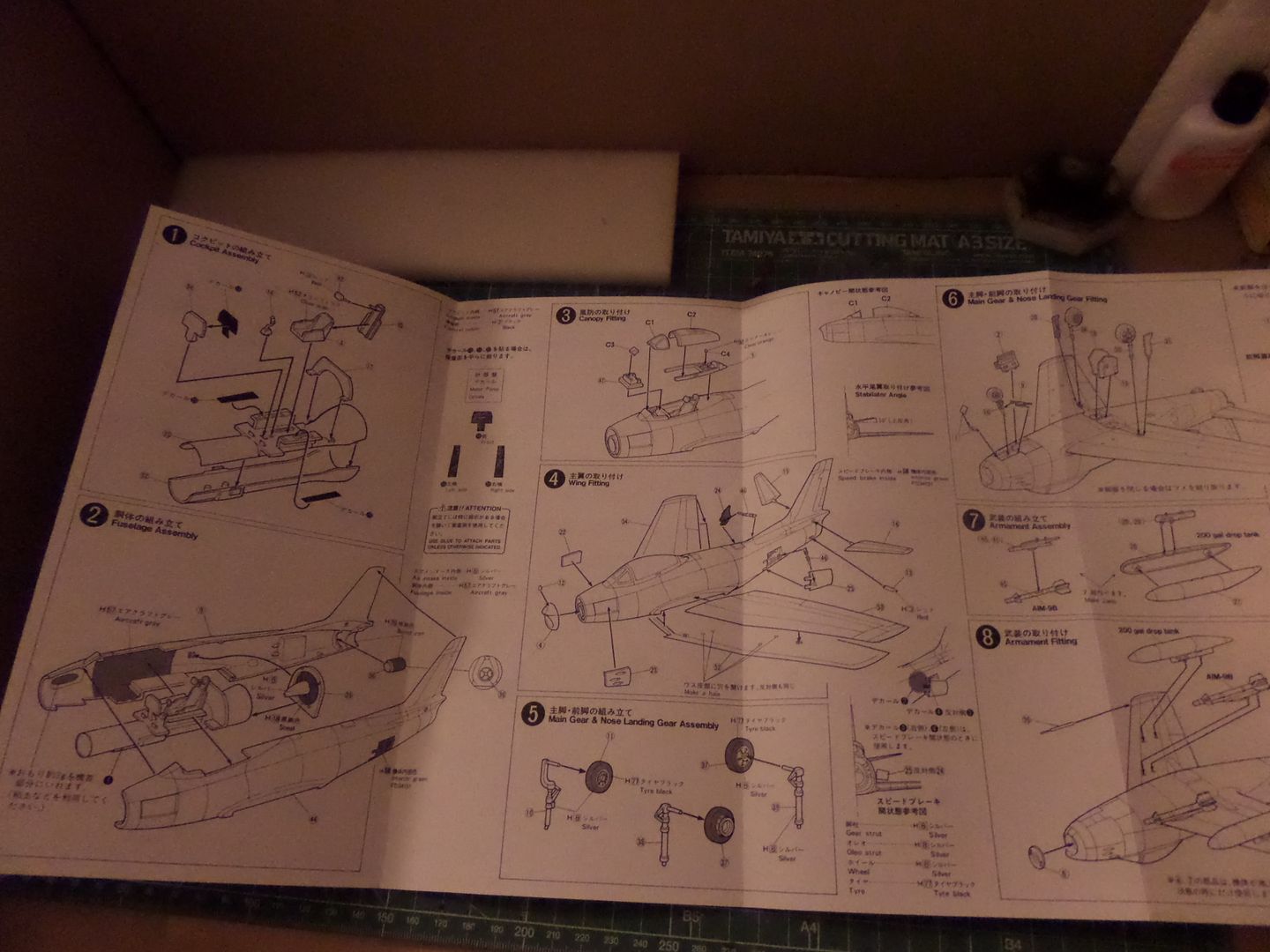
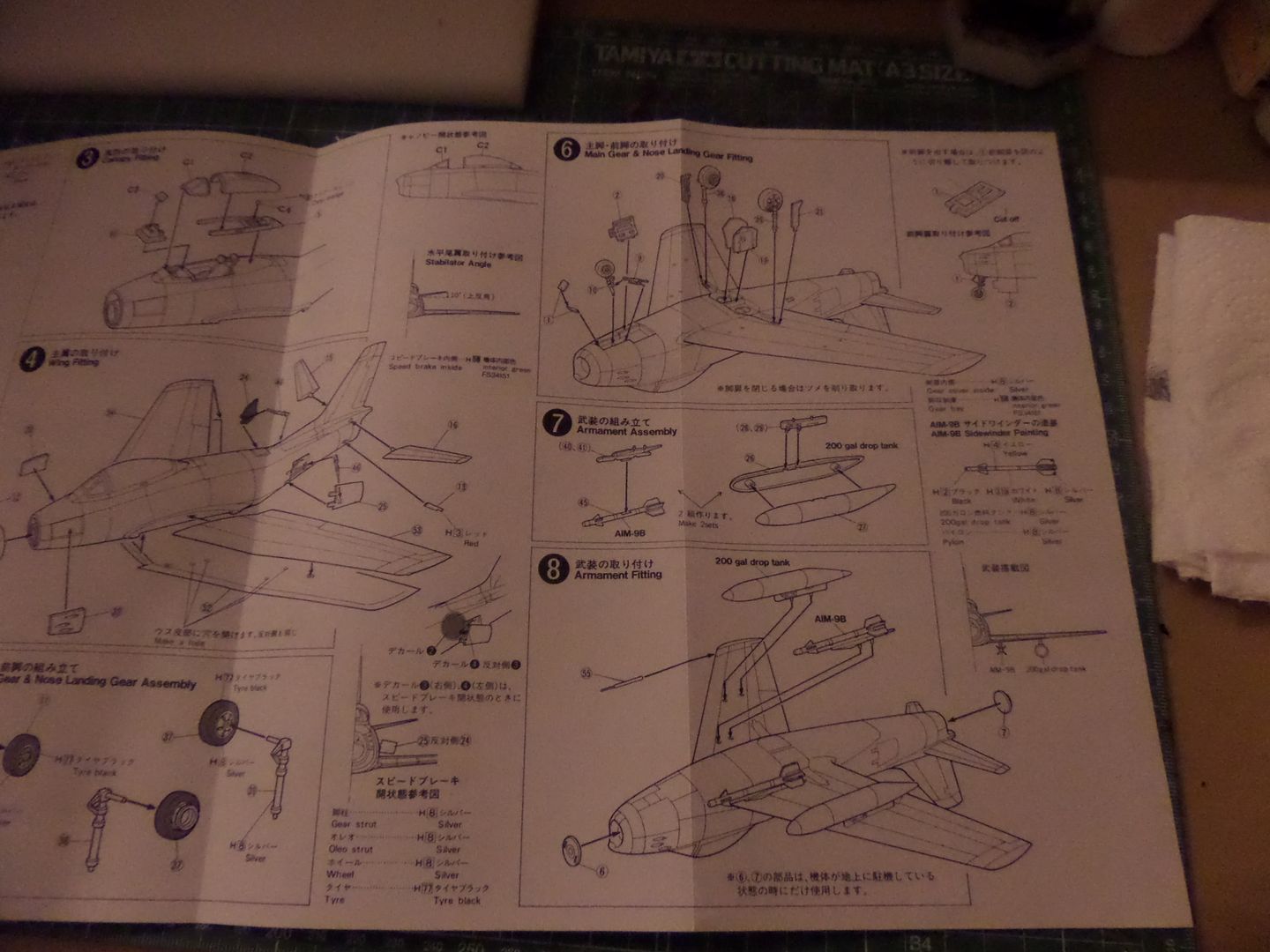
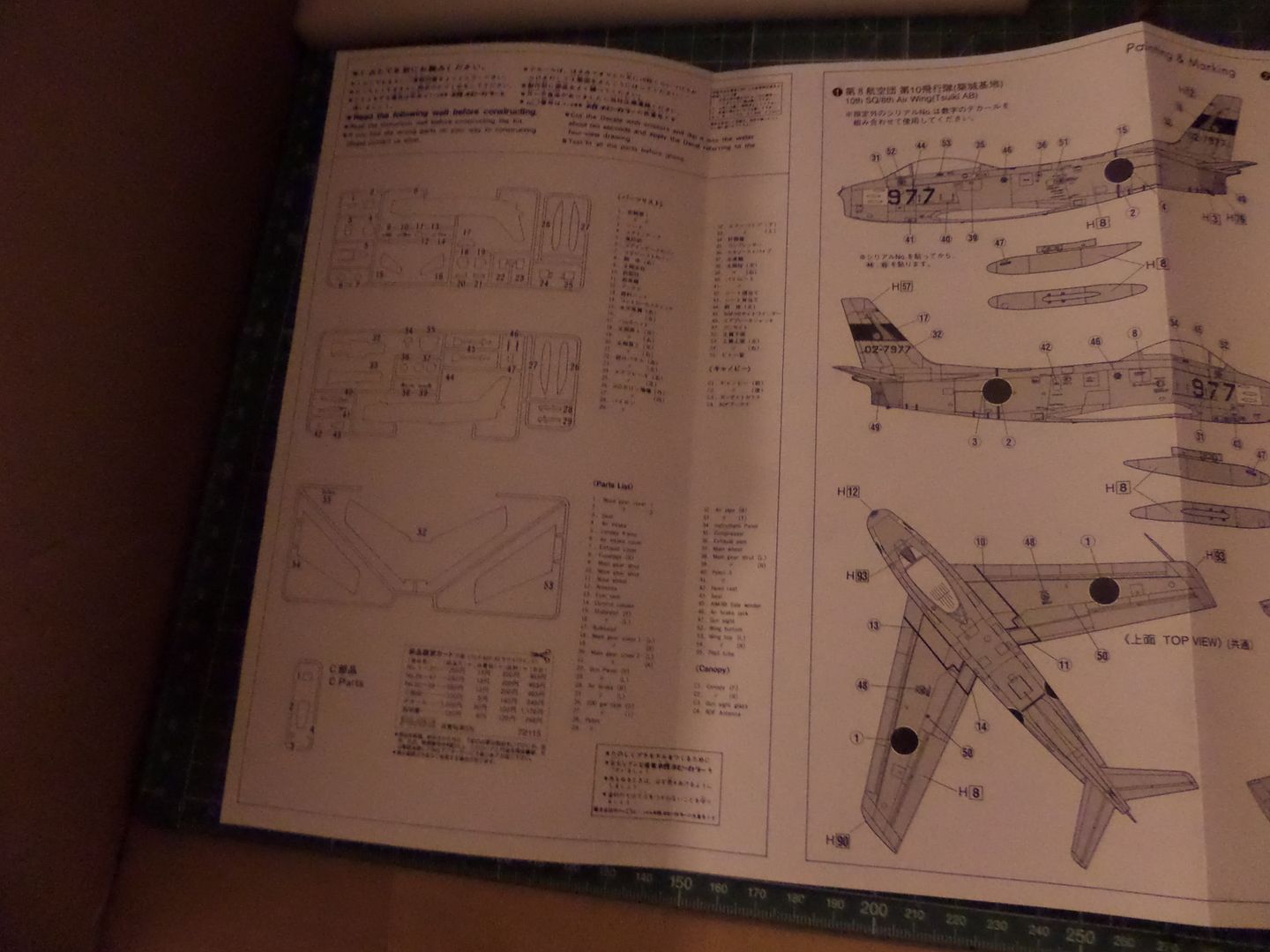
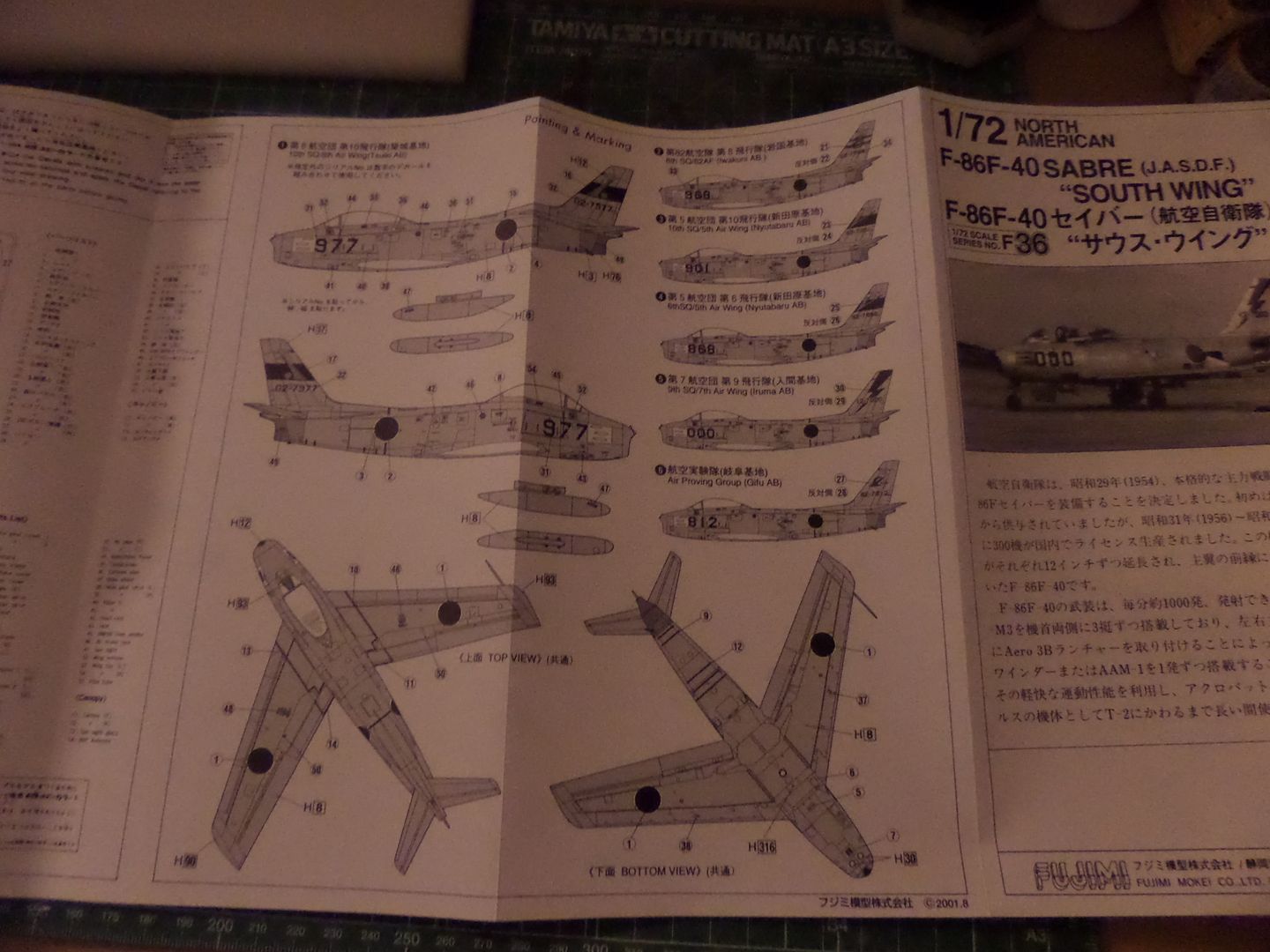
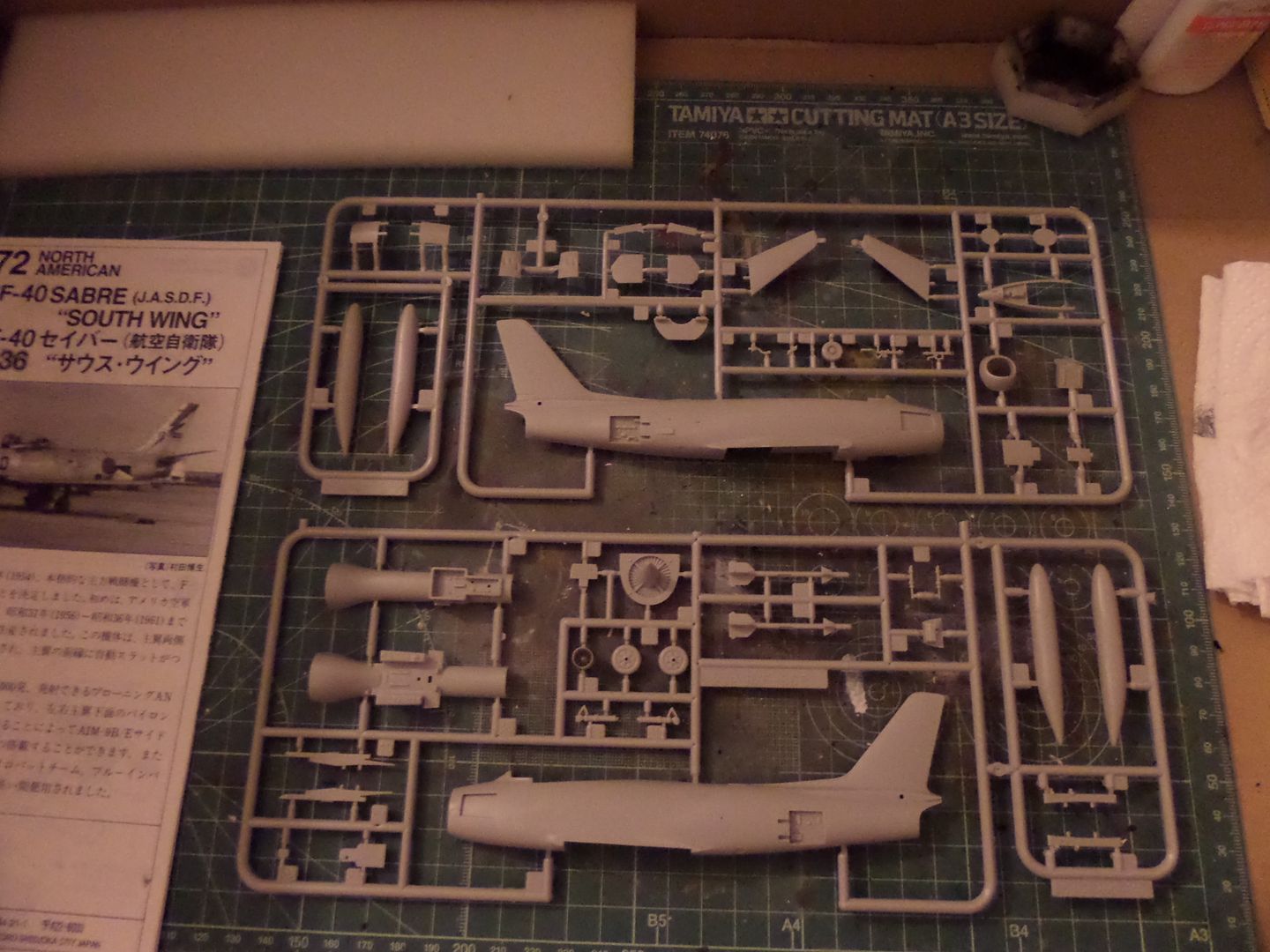
So starting with the build :
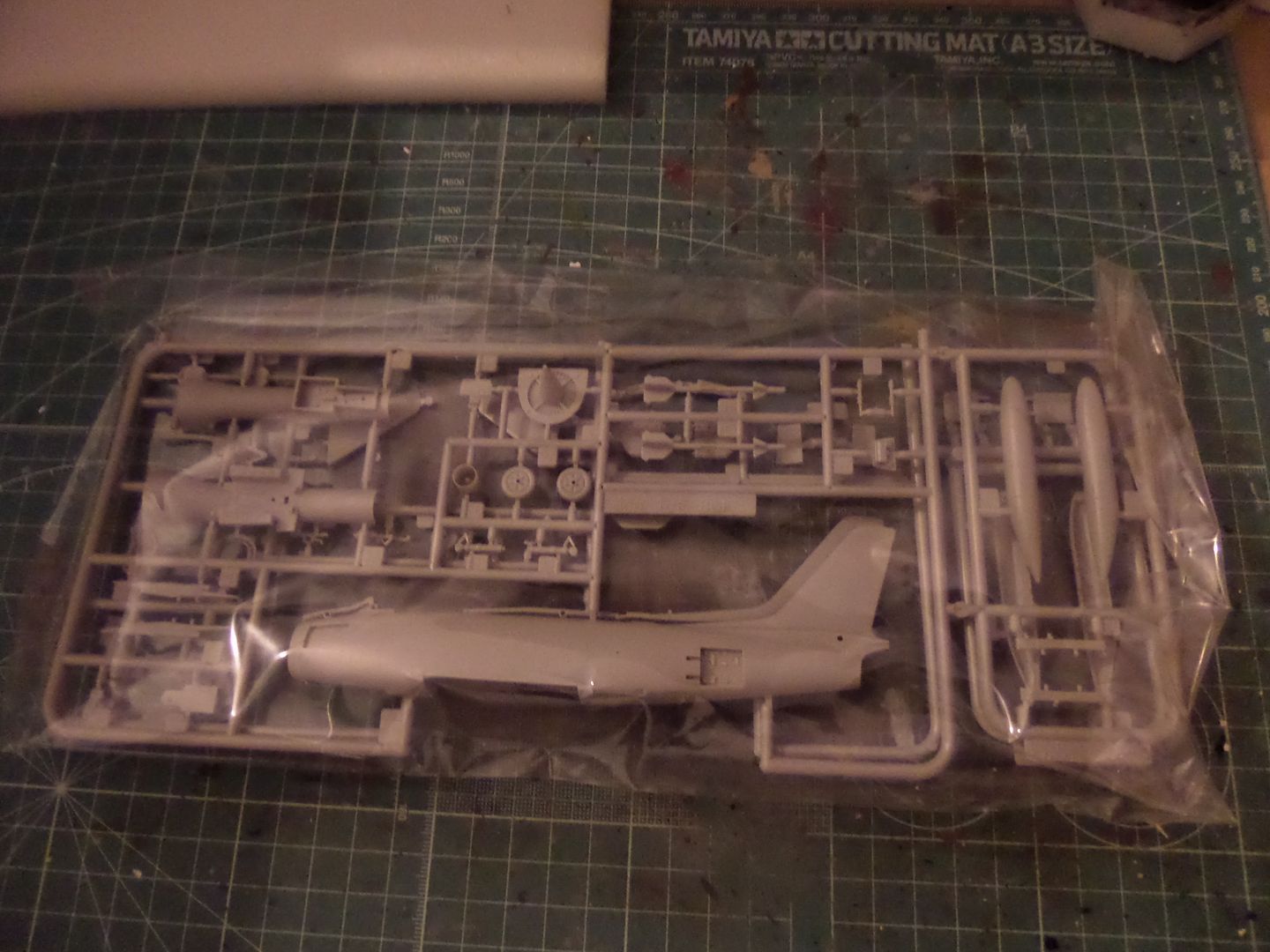
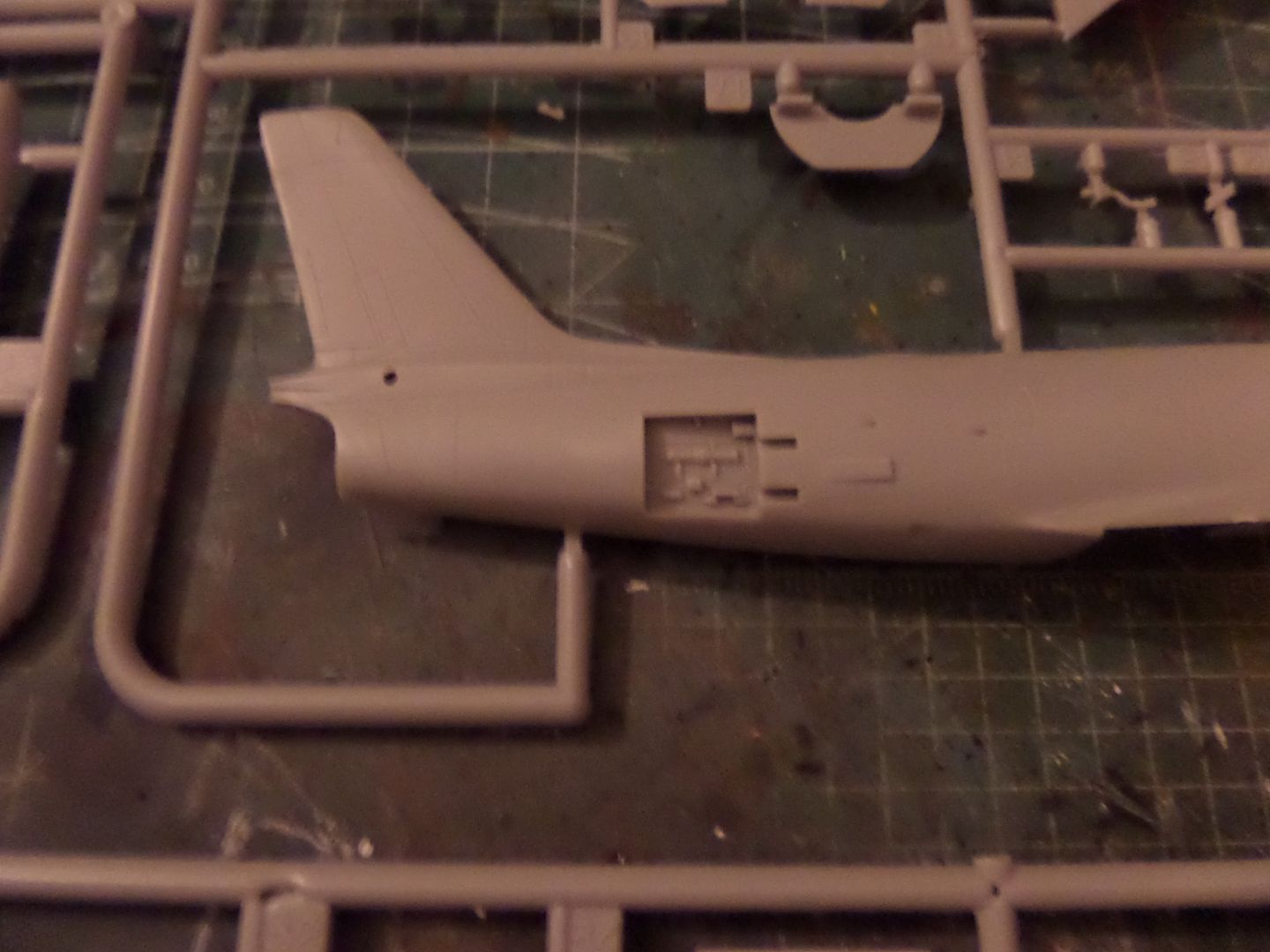
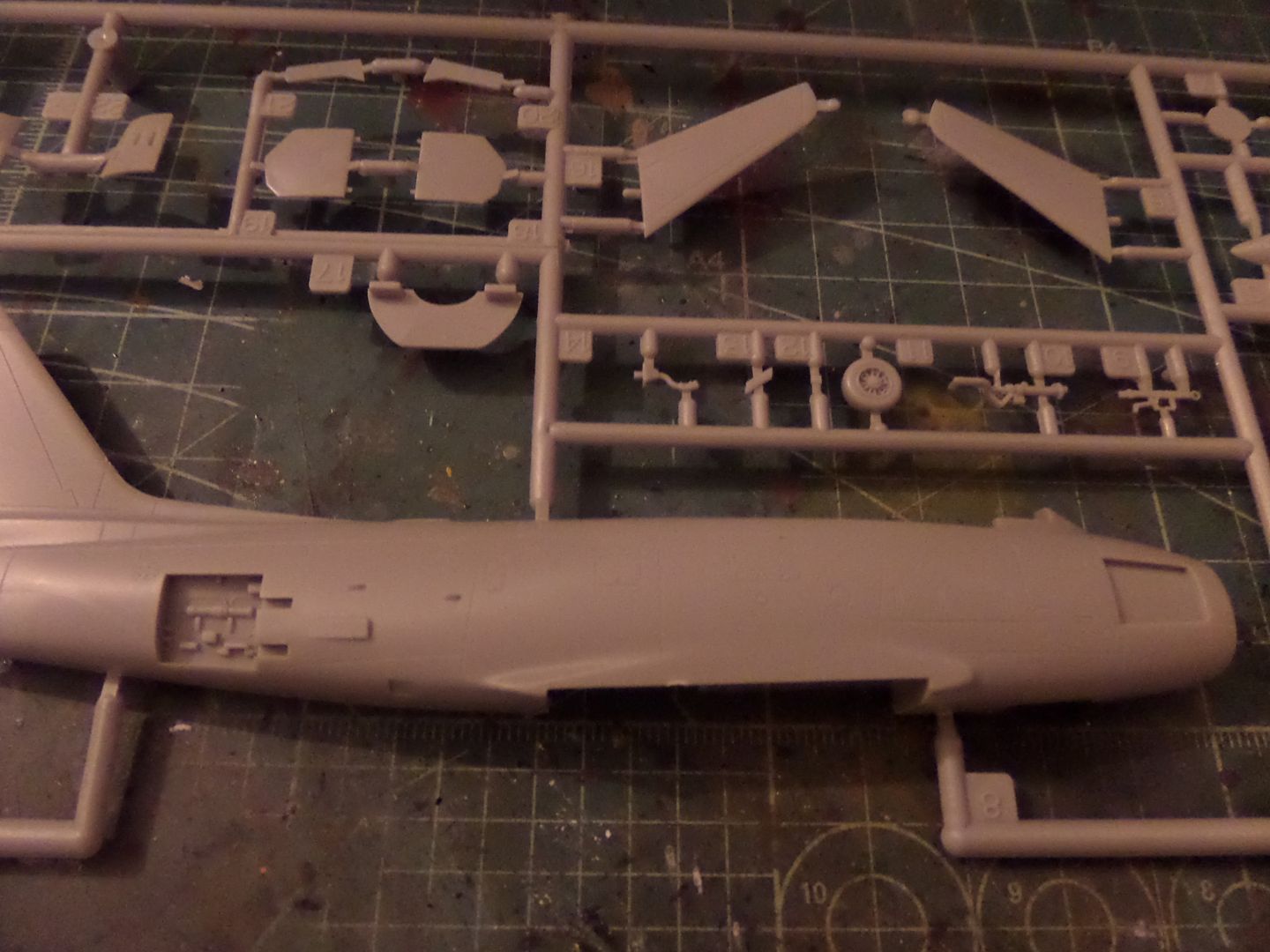
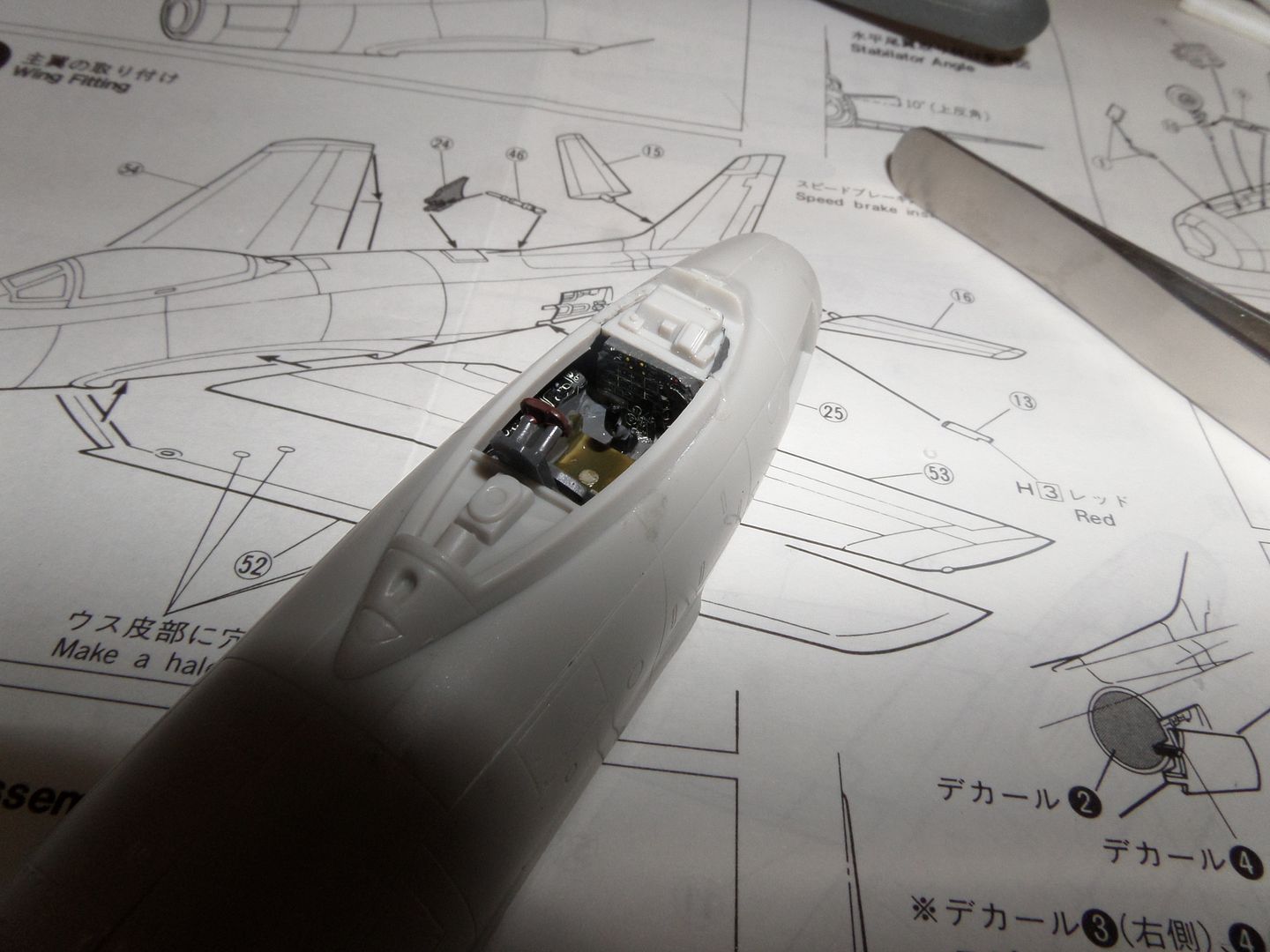
Cockpit , it is to be placed under the tair intake of the plane ..
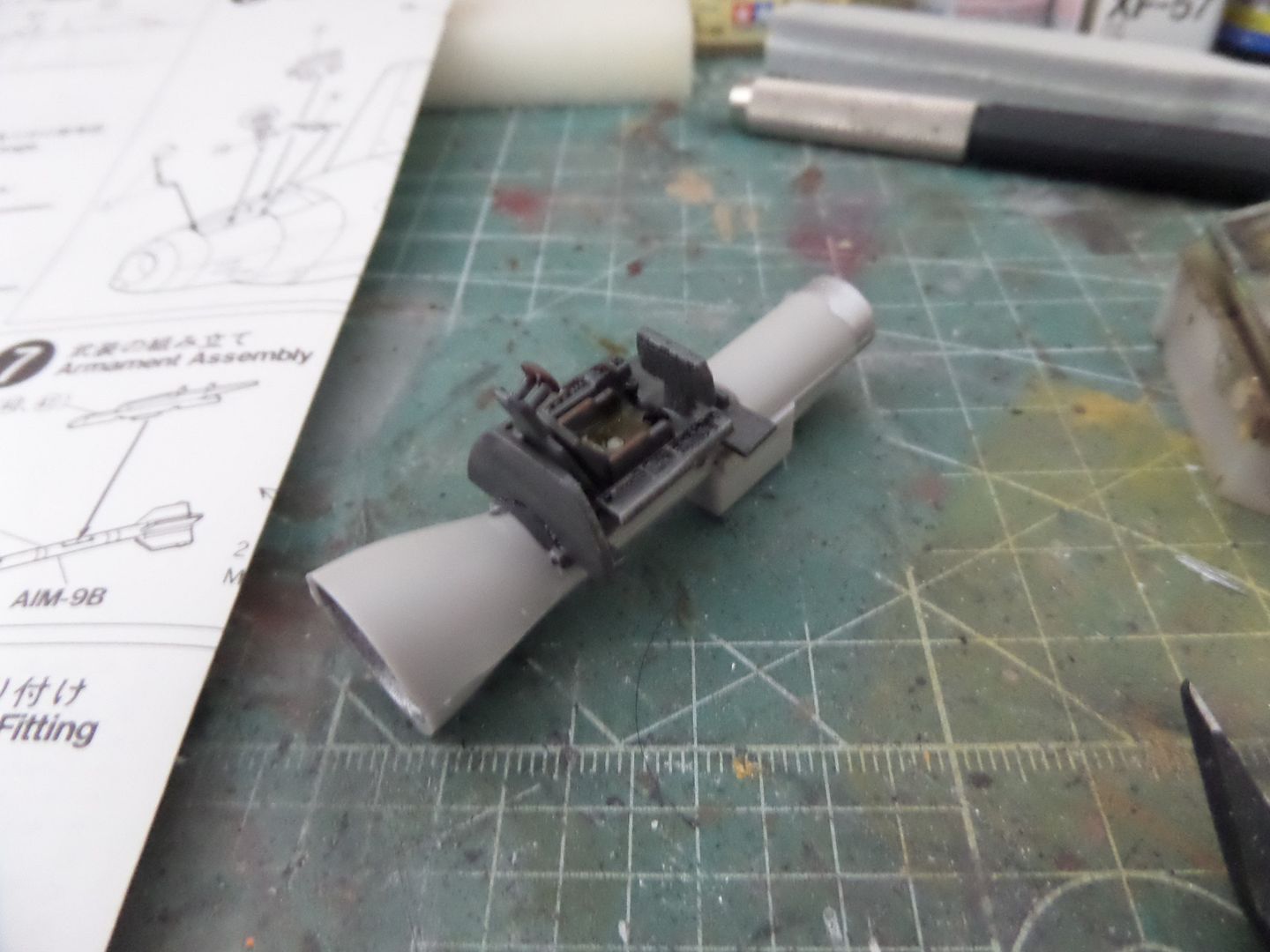
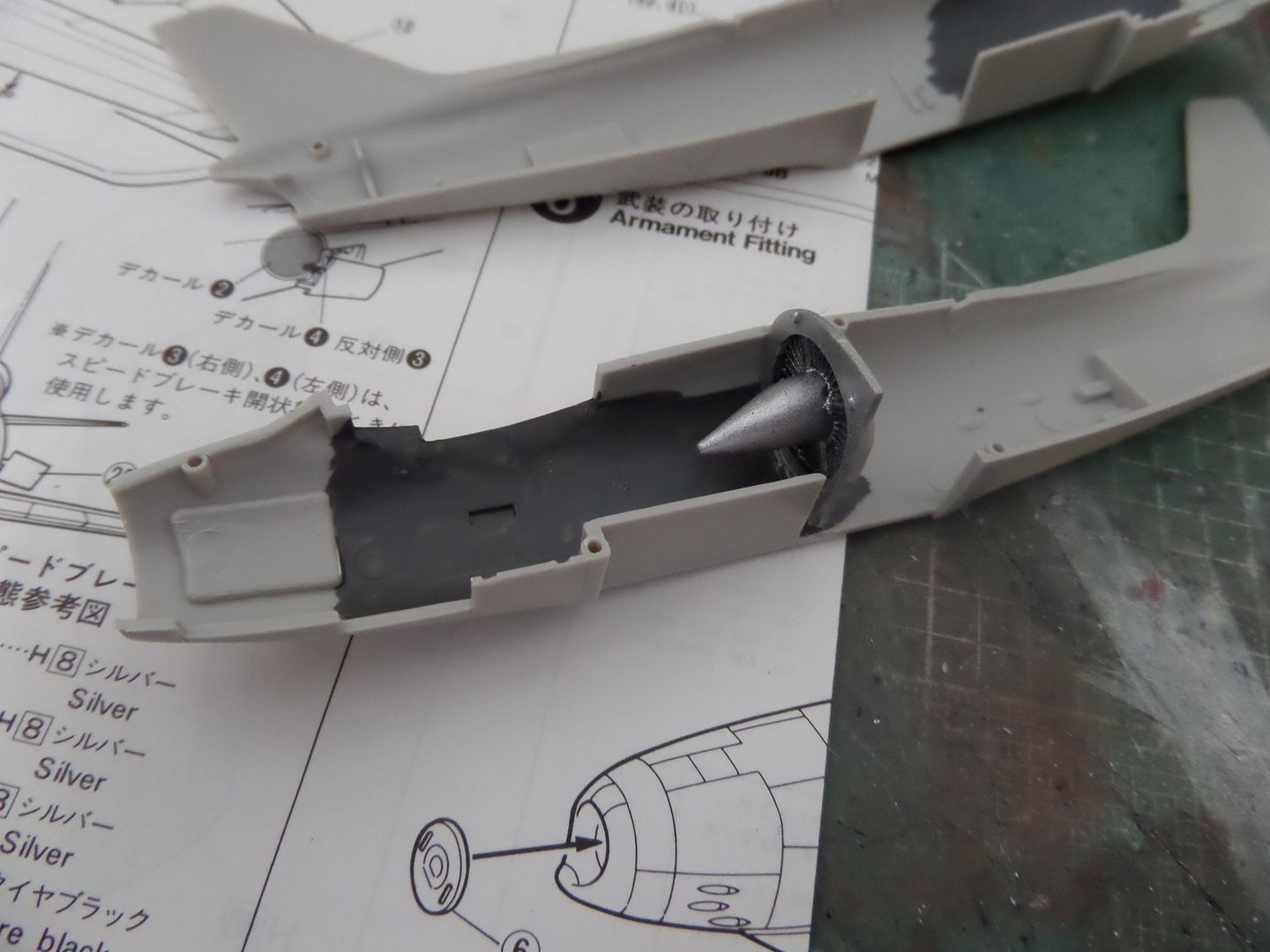
Then to place the turbine in the fuselage ...
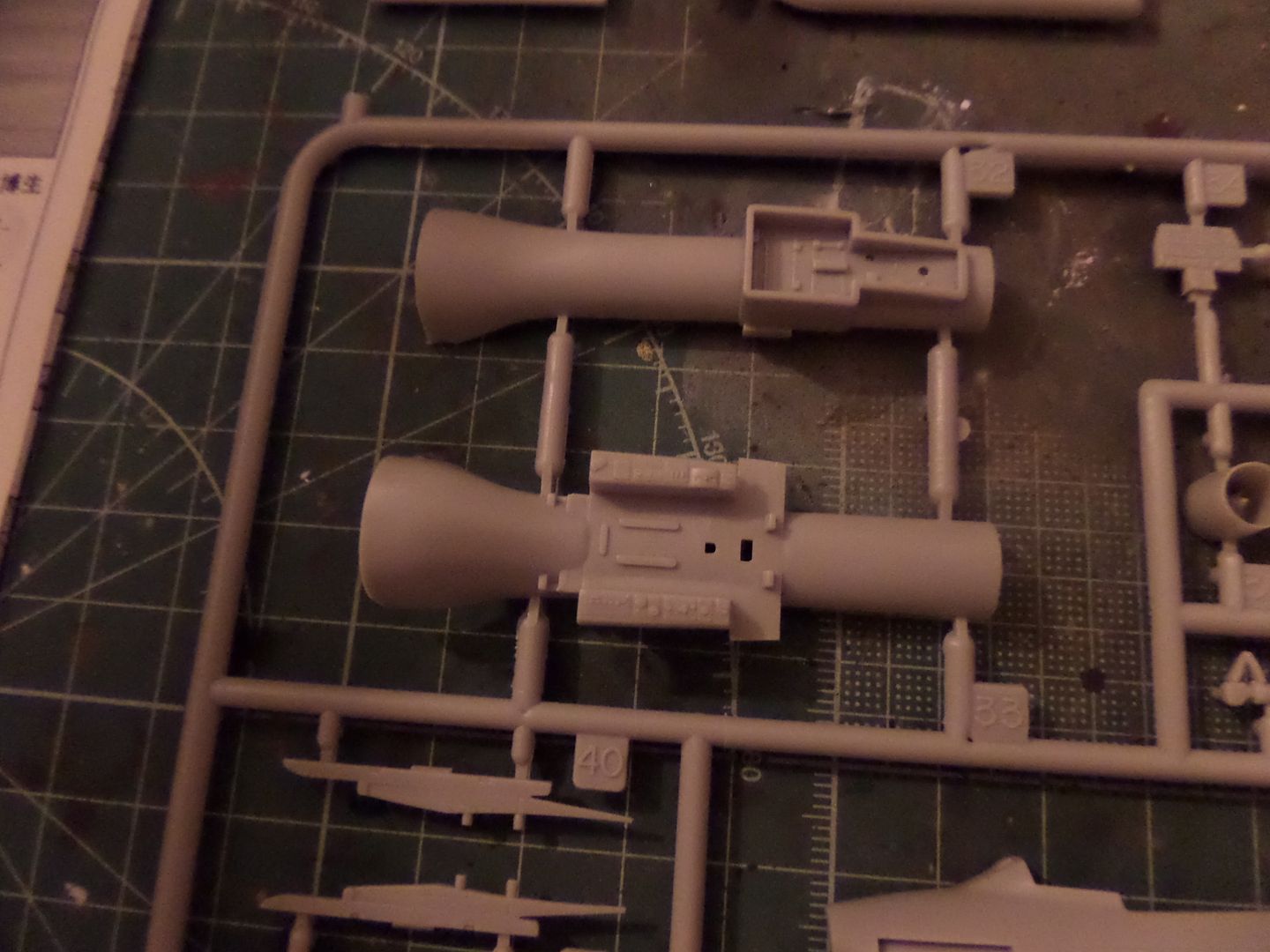
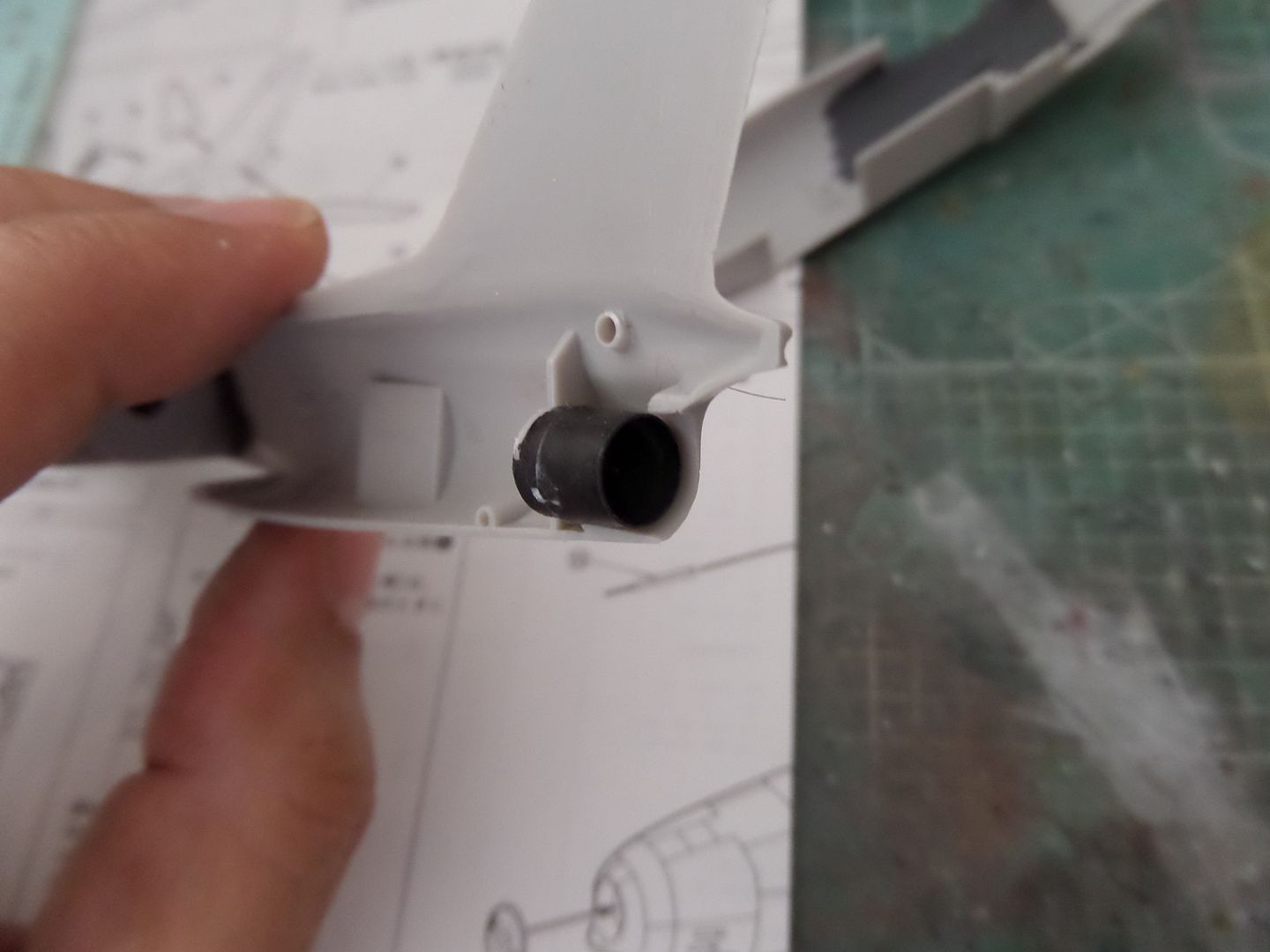
Exhaust ...
Cockpit and fuselage halves joined ...no big issues but must be careful as the air intake could be out of place if not carefull
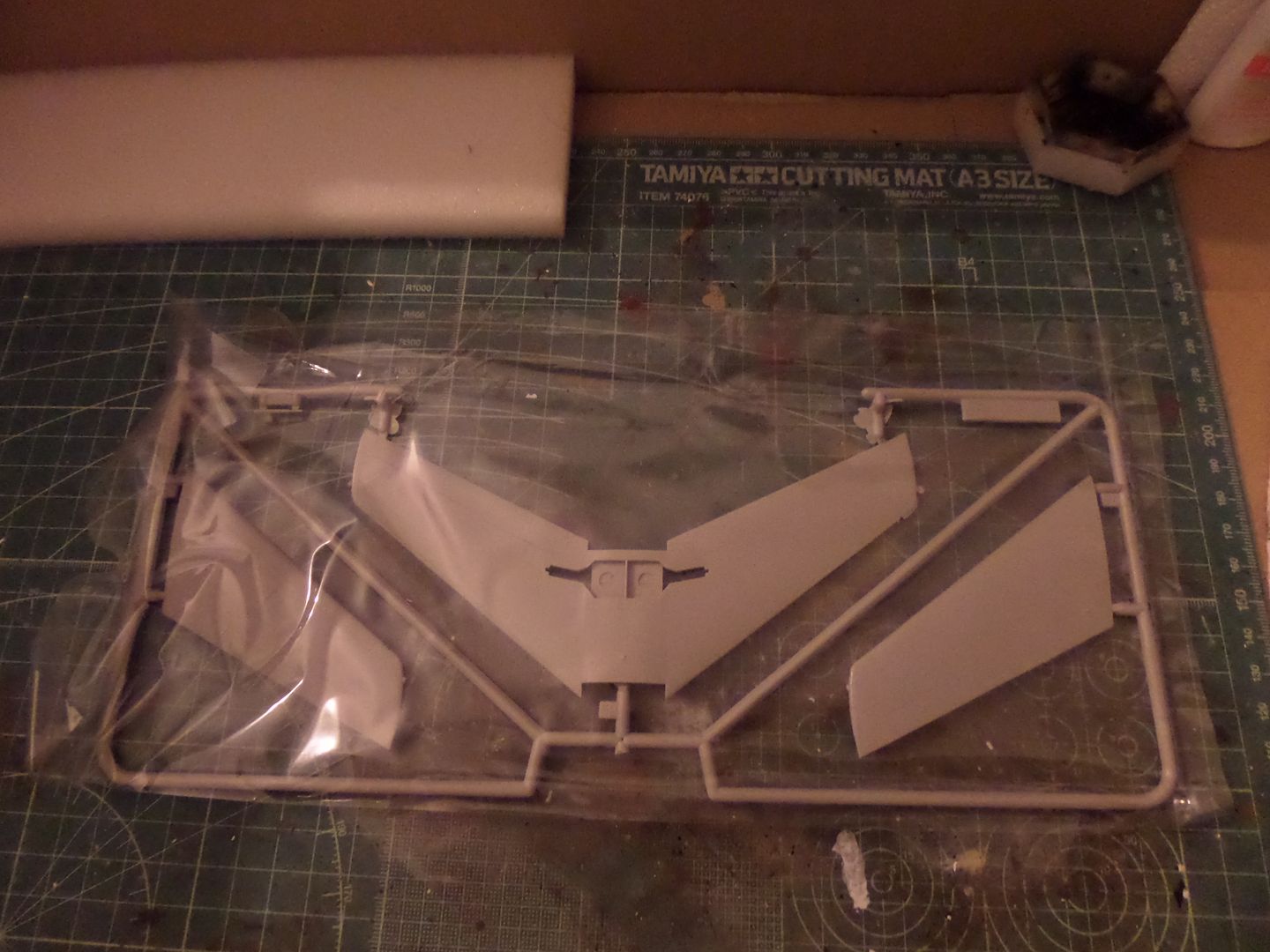
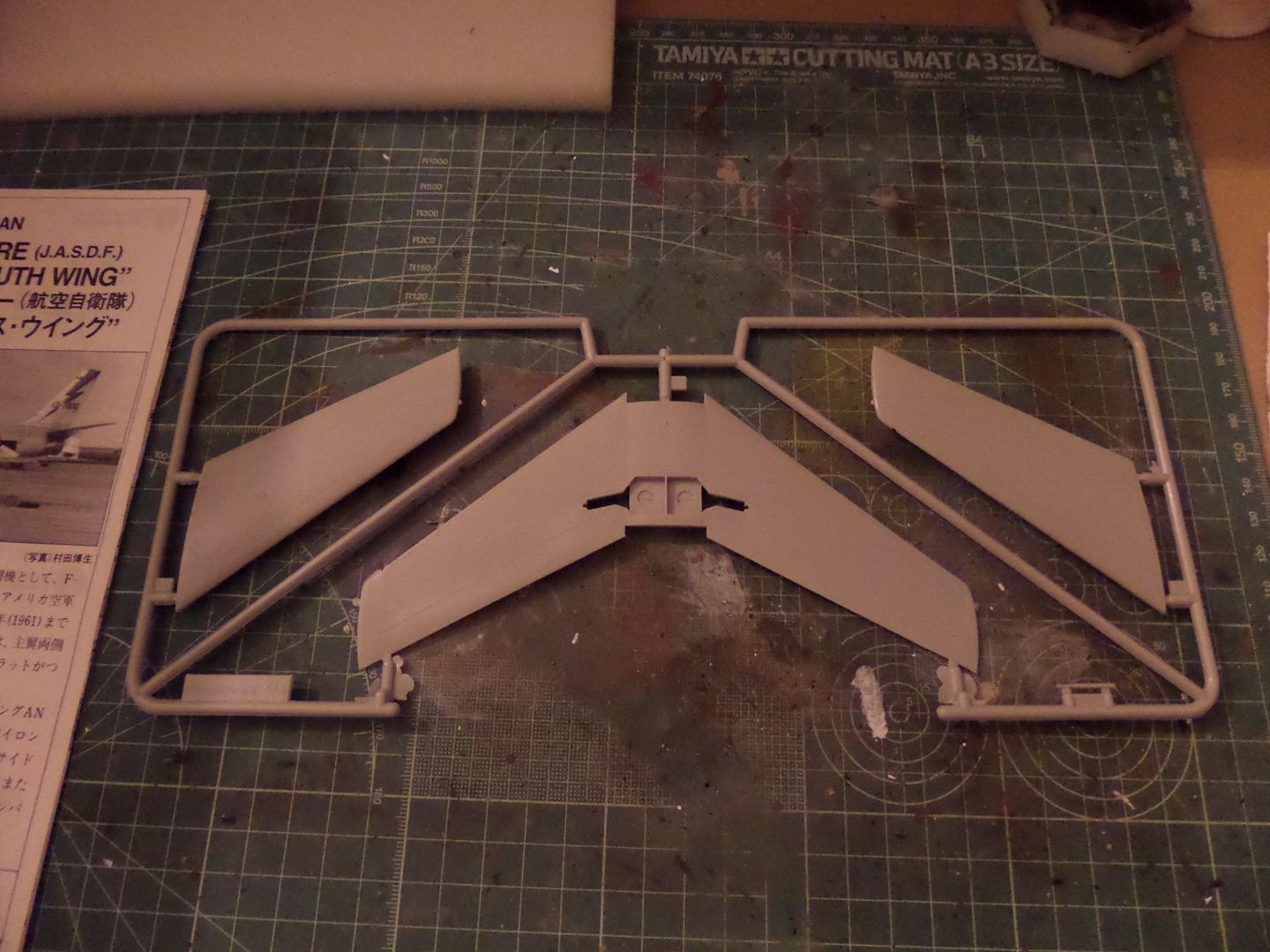
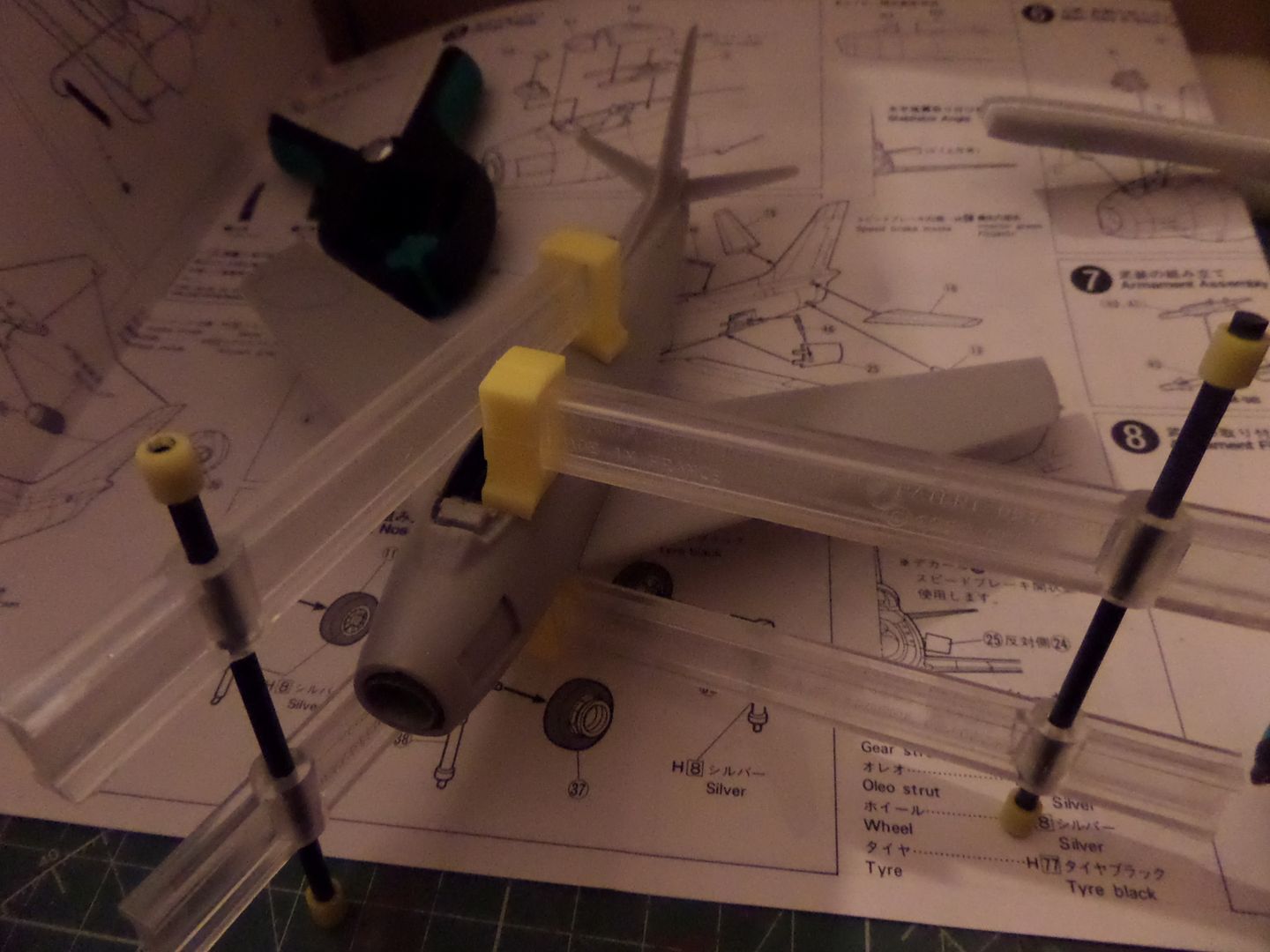
Then wings and some 'pressure' from clamps to everything gets on place , the fit is very good in this model
small parts , external tanks , the usual work of sanding and putting some putty on the small gaps ...
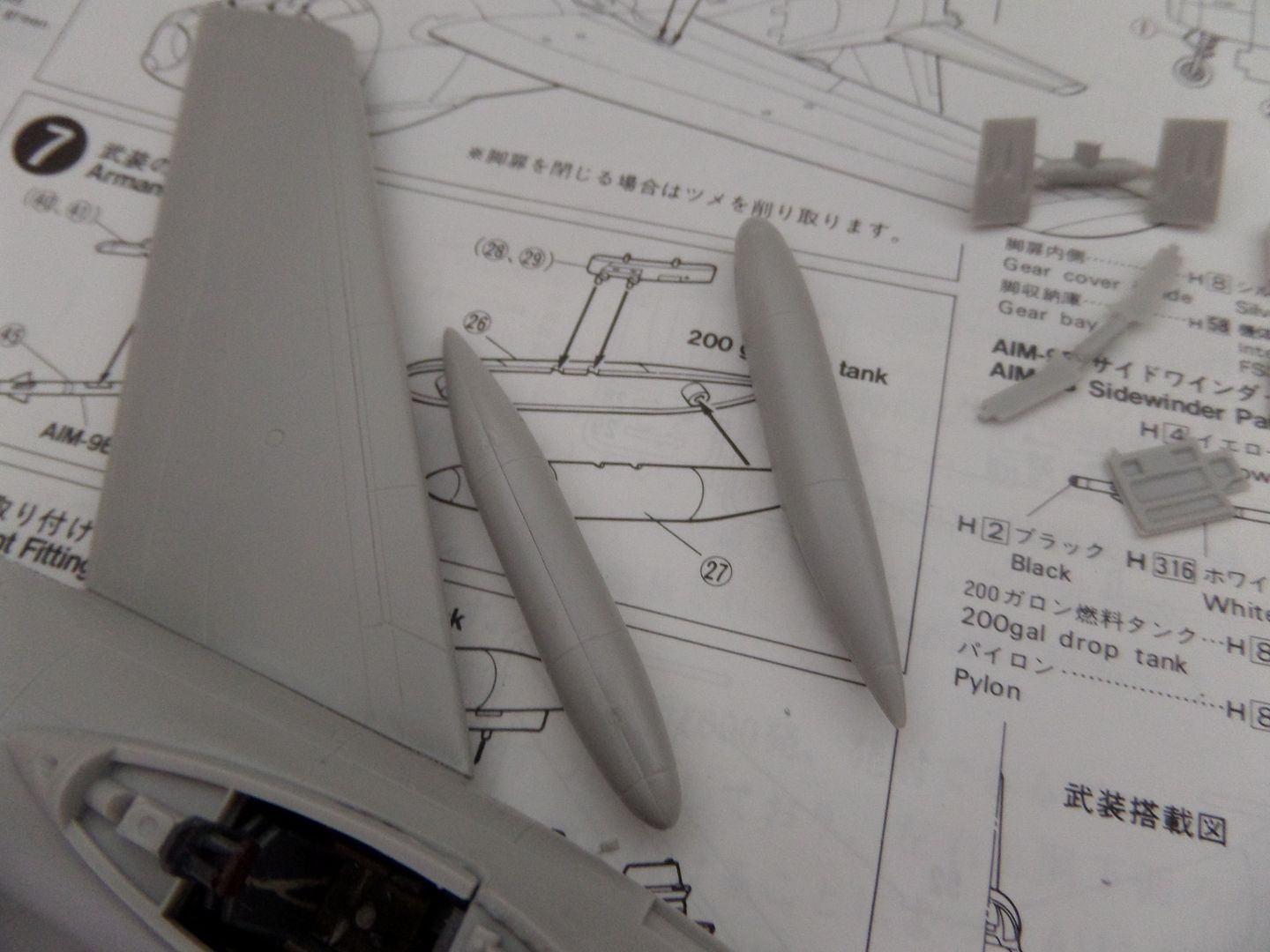
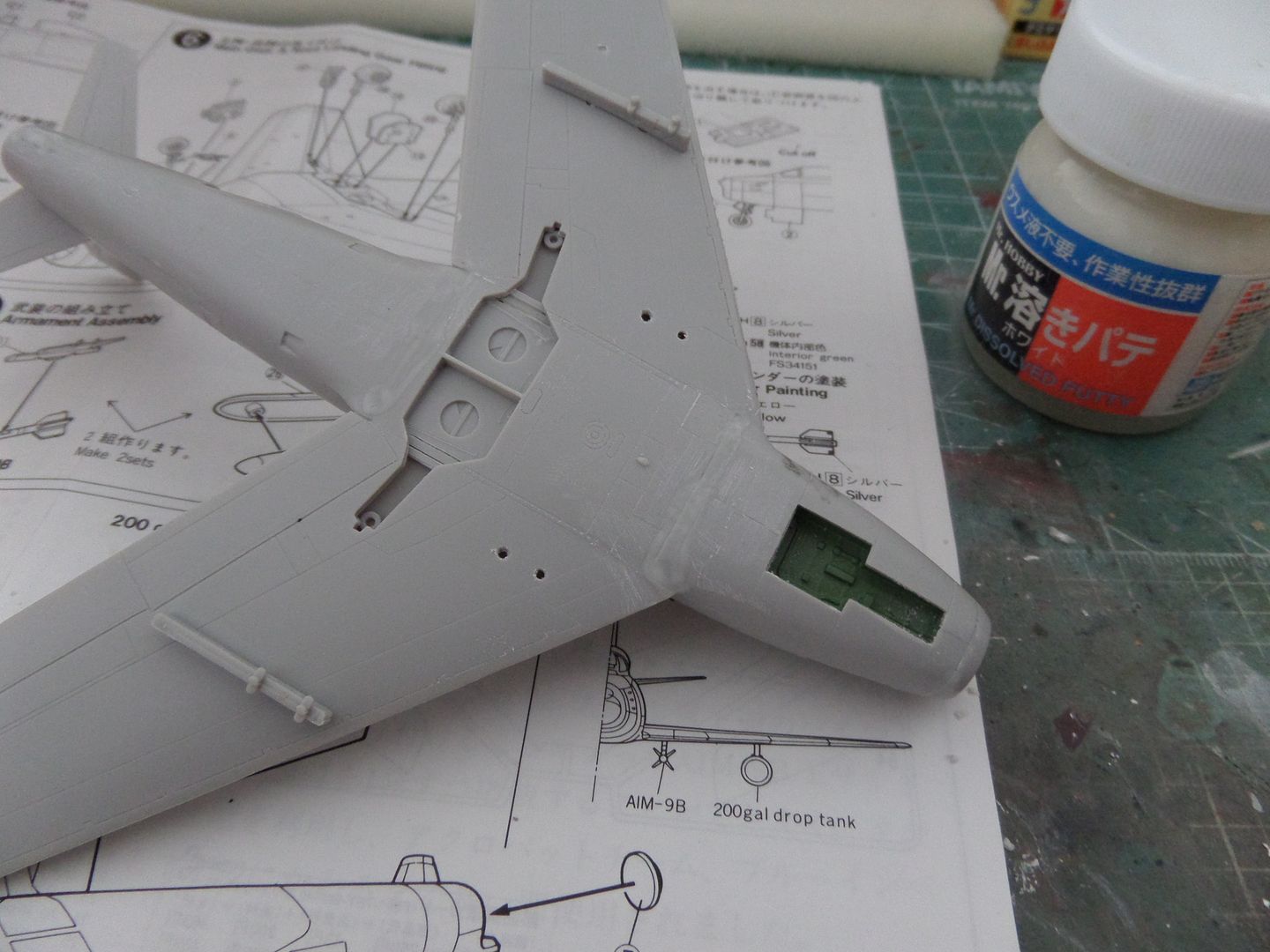
Already pain the interior in green , use some interior green from gunze sangyo set for USAF and RAF planes interior color set ...
as you see some gaps to be filled ...
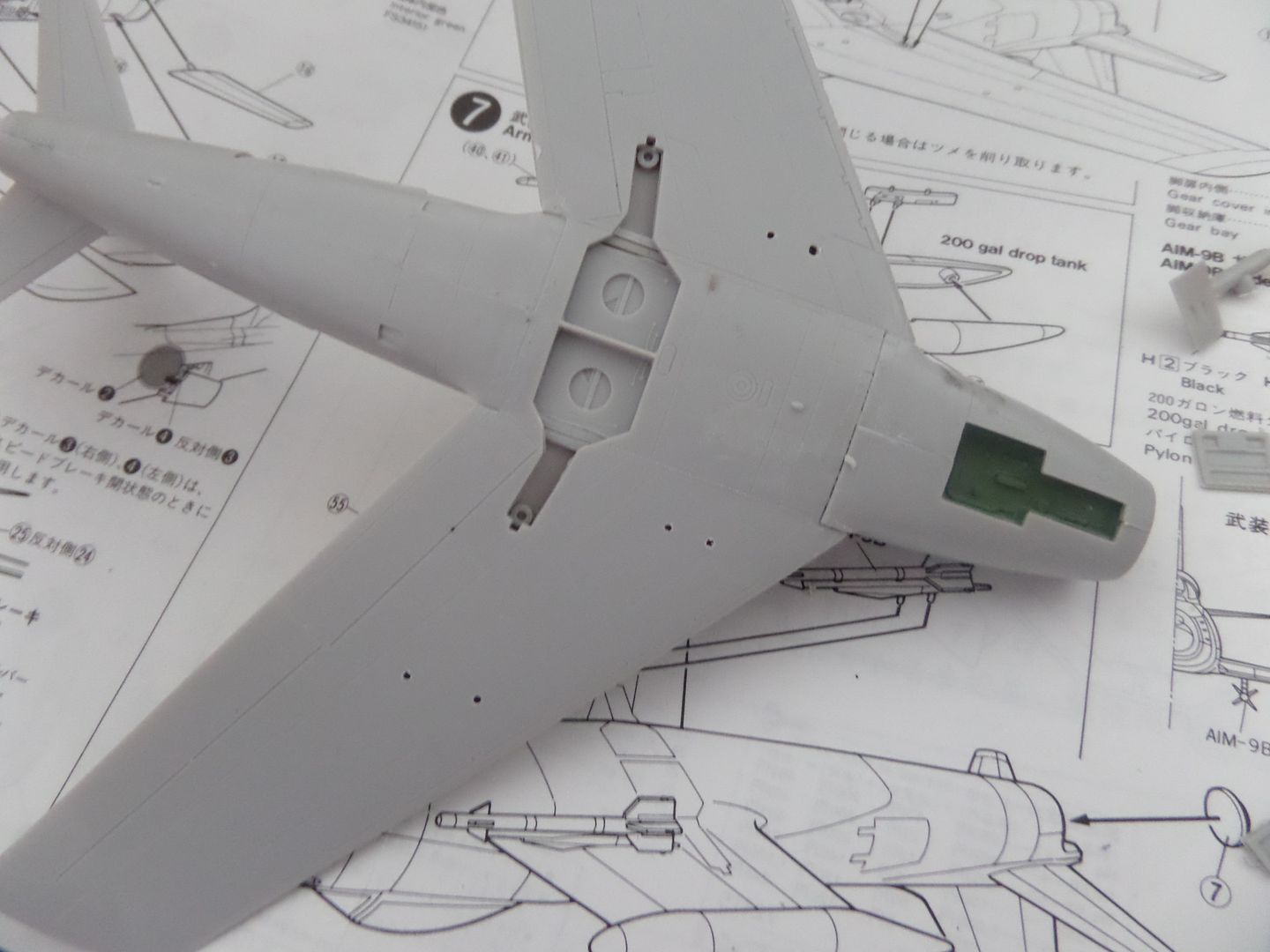
perfect fit on the exaust , some little gaps to manage later ...
Mr dissolved putty do the job in this small scale and small gaps ...
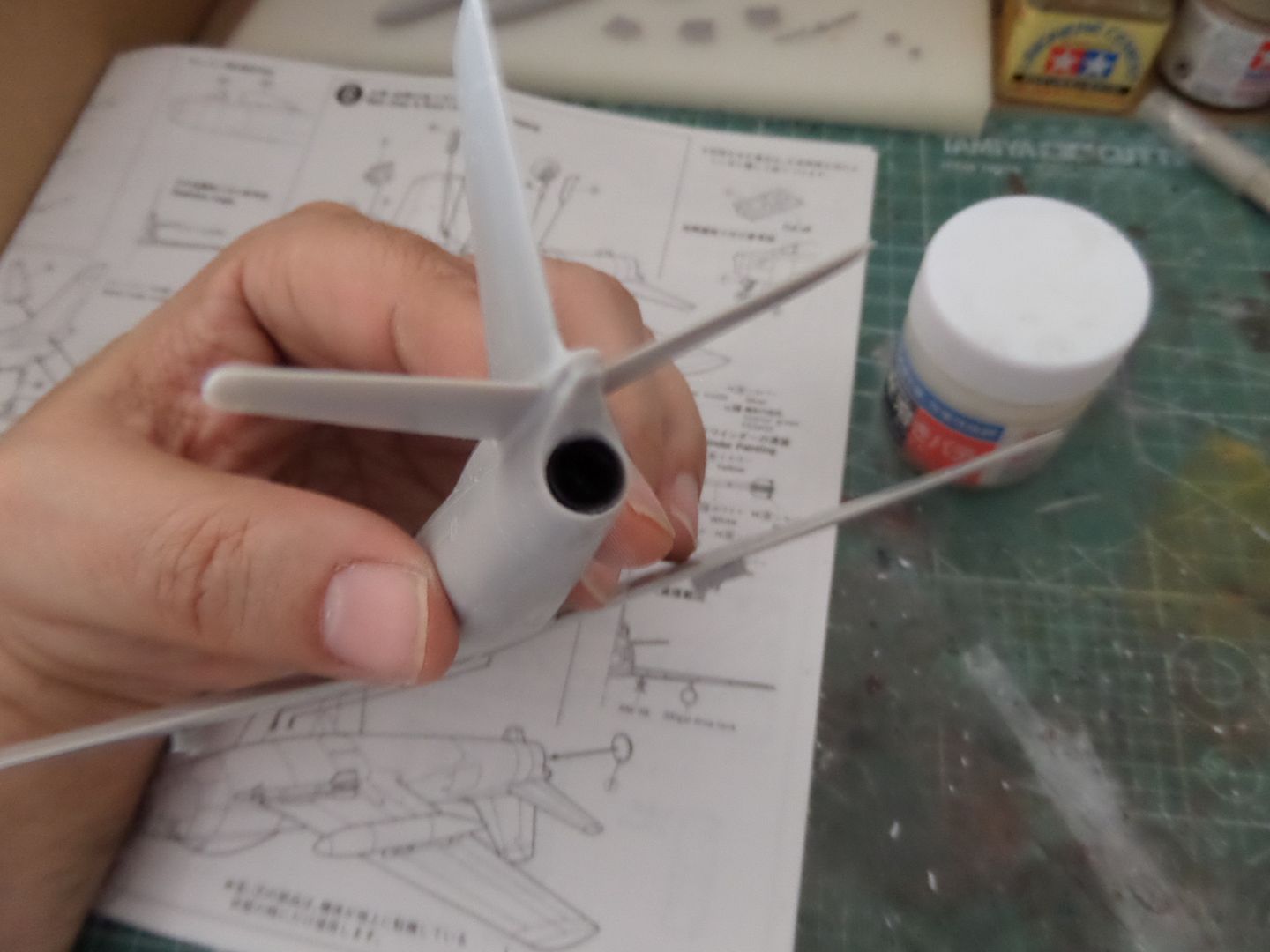
After some sanding done ..it is a nice kit , the usual model worrk that we alll must do ...sanding , putty , more sanding

, and a very quick build ...
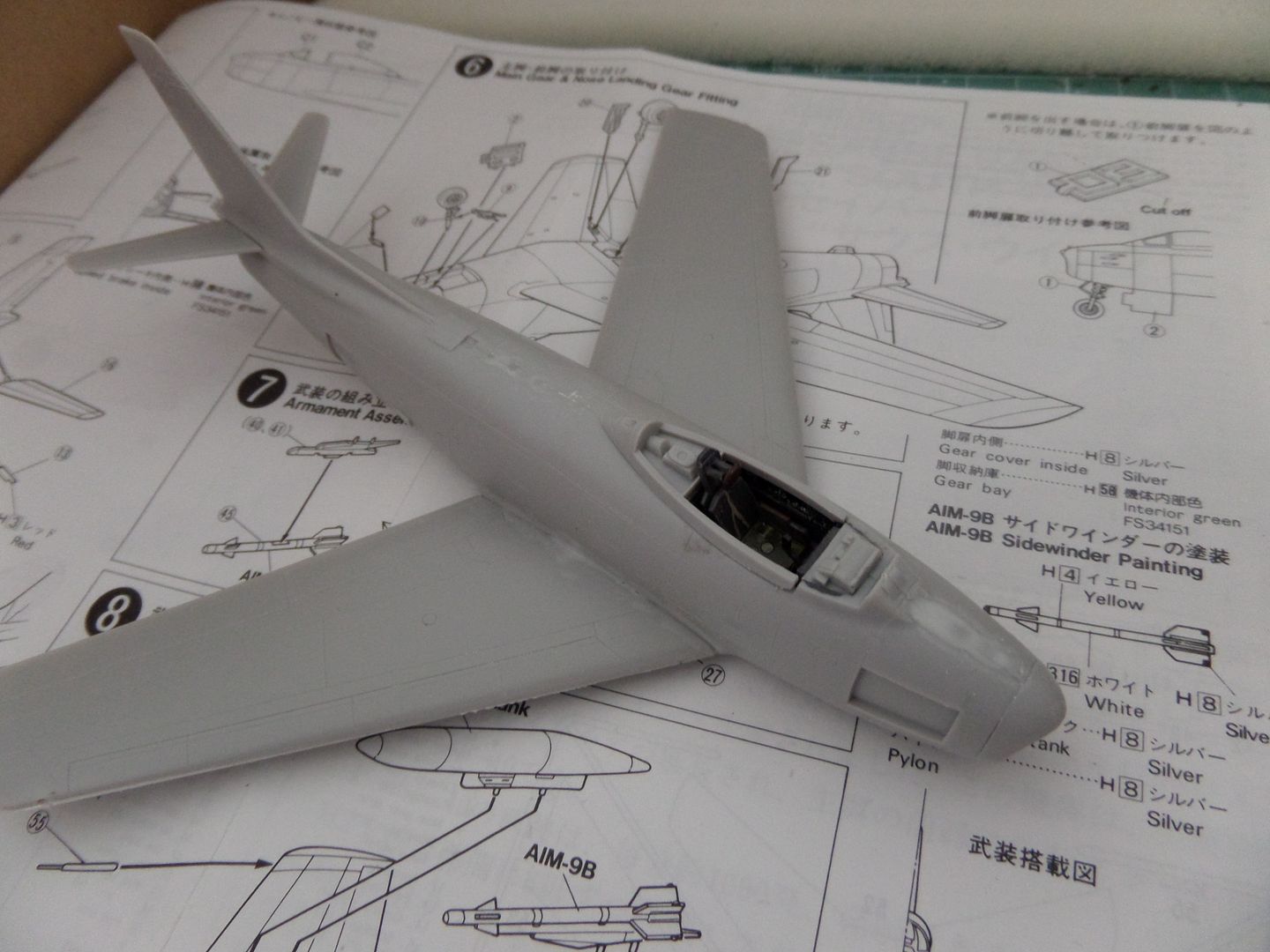
After some primer (Tamiya in Spary , my favourite , but always in a well ventilated space and with mask ) , but it is my favourite !
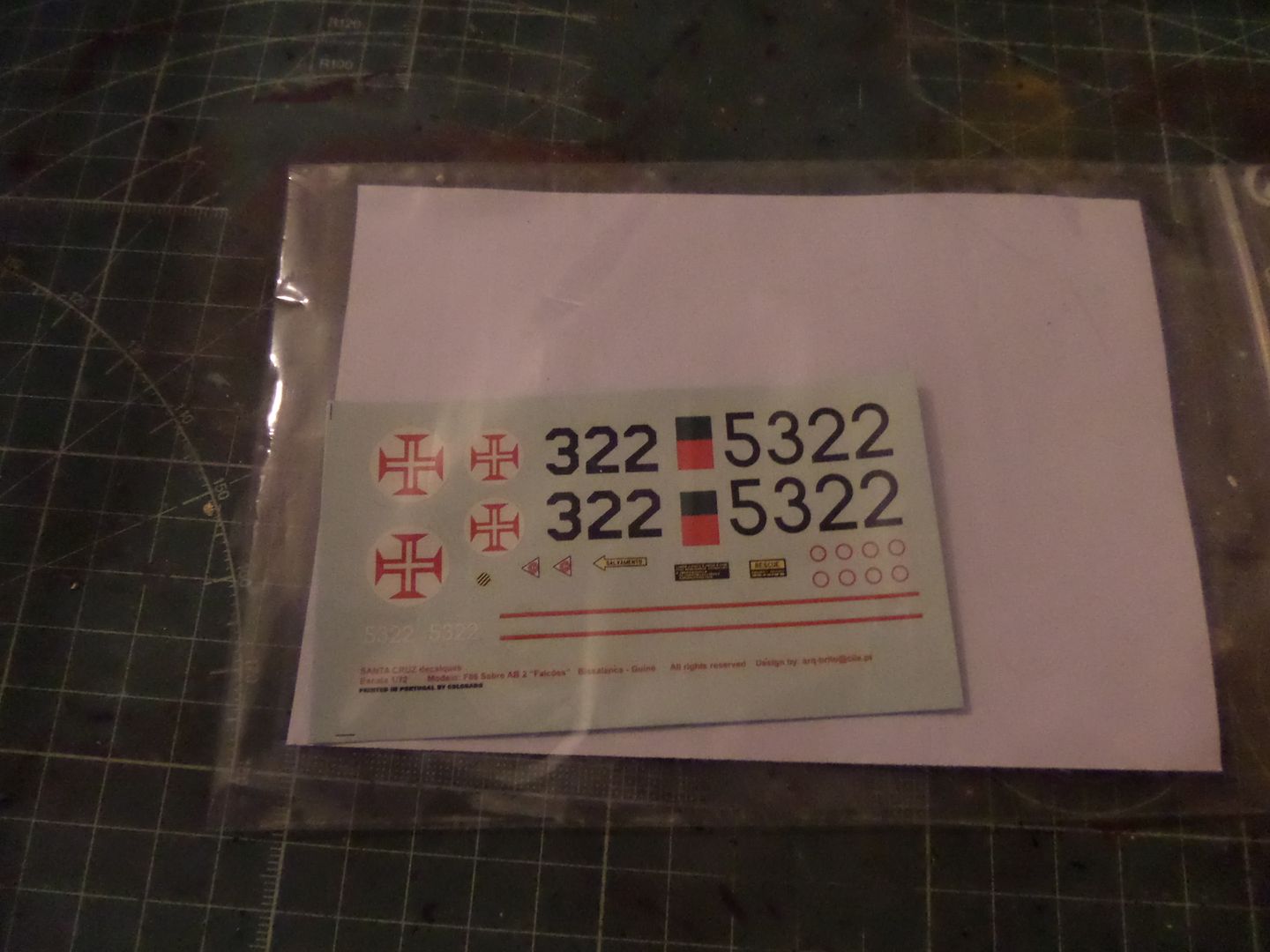
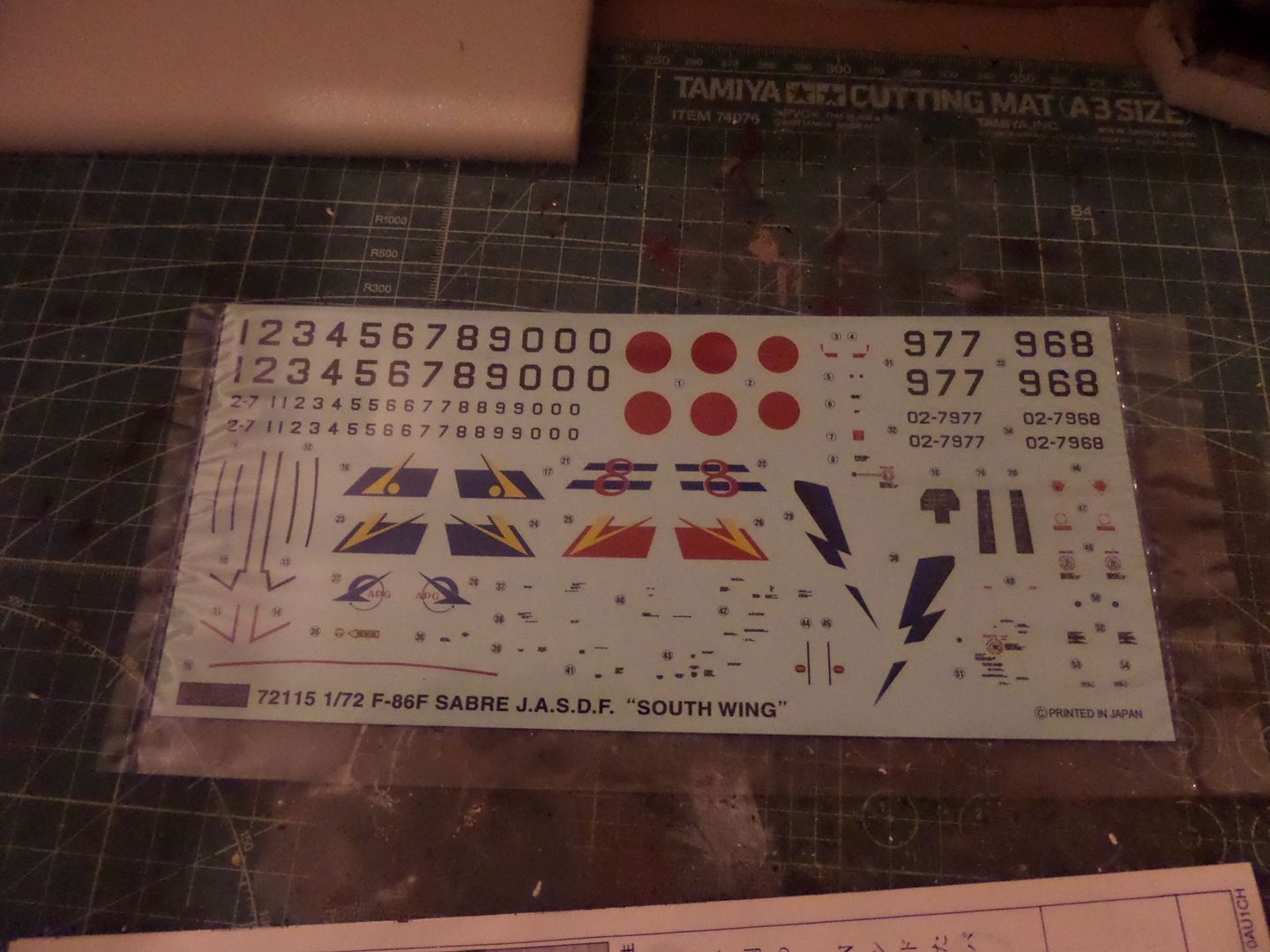
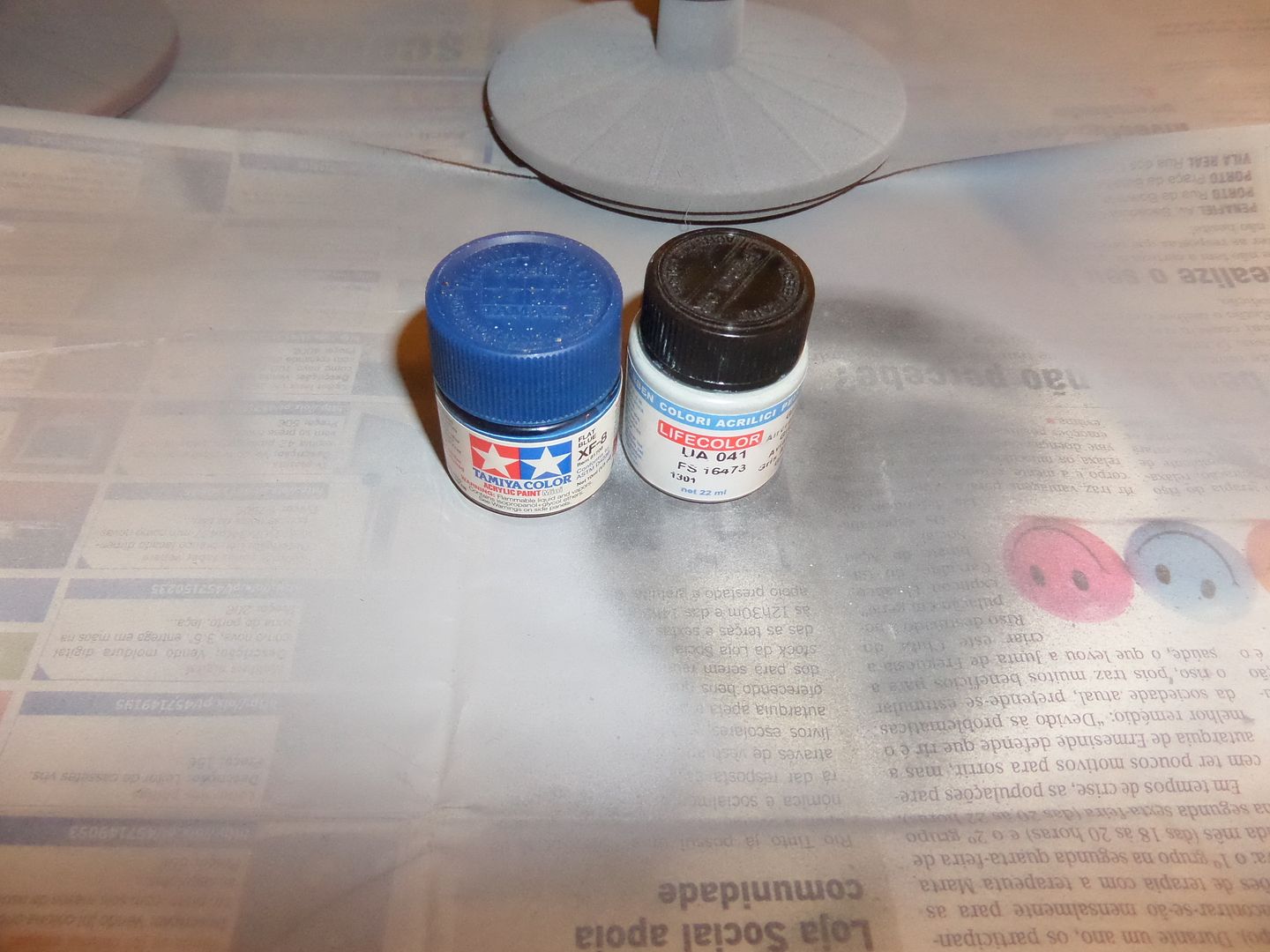
Now the colors : I must use as for the decals sheet that I buy in aftermarket Some Blue , for the tips of the planes that would be FS 15065, actually ,couldnt find any reference on this type of blue in model colors , so Tamiya XF8 (Flat Blue ) to be used ..., as for the Grey fuselage tone , and at this time Portuguese F86 were painted in this grey tone , and thank you for the indication of my Local Hobby owner Mr.Simão from Marsigor here in my city , as I thought that they were bare metal , this was true, but only at the beginning of their service here , they quickly were painted in this grey ,and this grey is FS 16473 , and this one I buy from Lifecolor , they have this color , also thank you for Pacheco here at the forum for helping me where I could find this color

well time to paint :
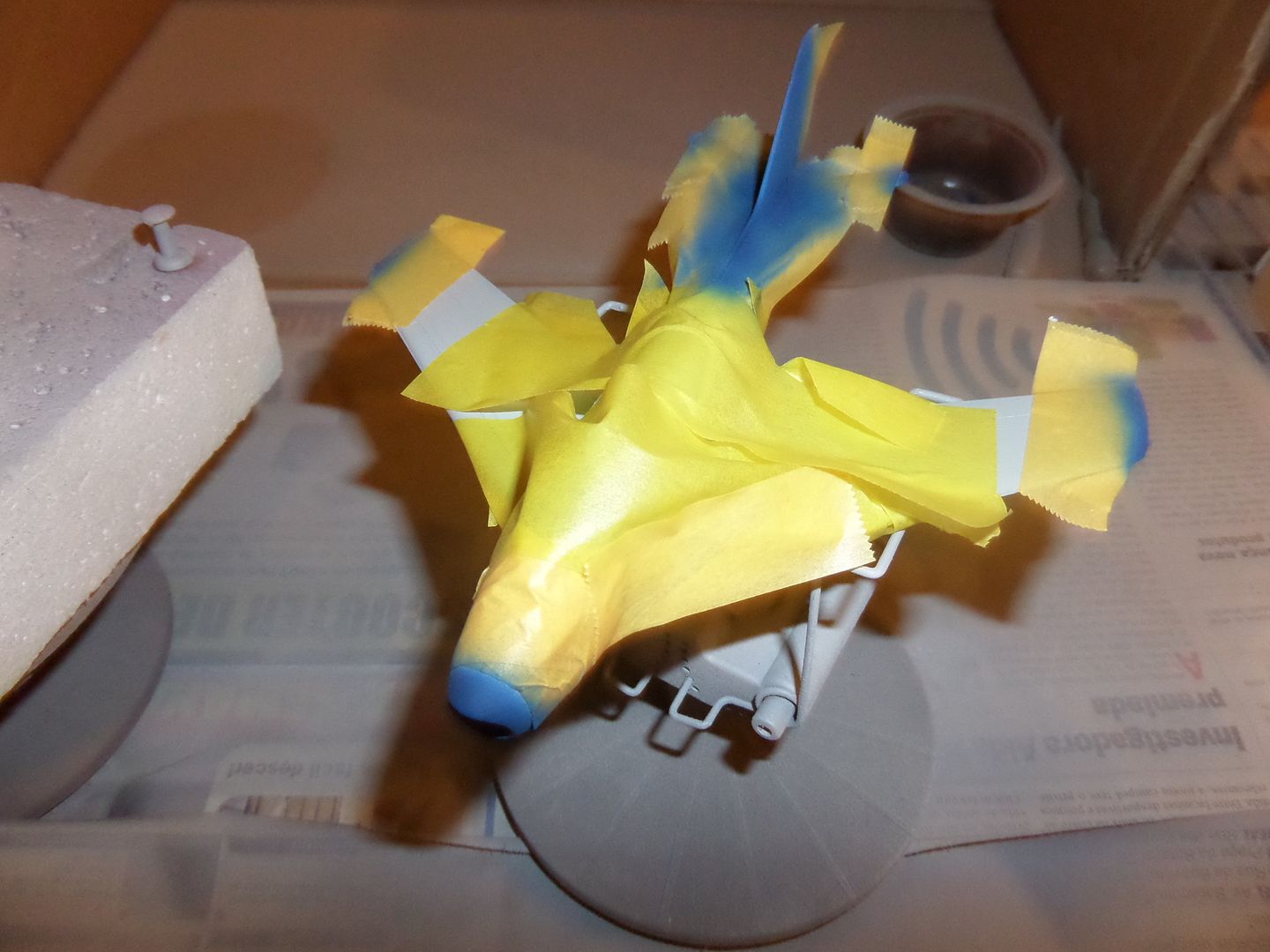
Please do not laugh at my Masking ...

, simple but hard to paint ...
By th way I like a lot the Life color paint , it seems a little strange (almost like plastic and seems with some washing product inside , but sprays beautifull with ISM thinner ...
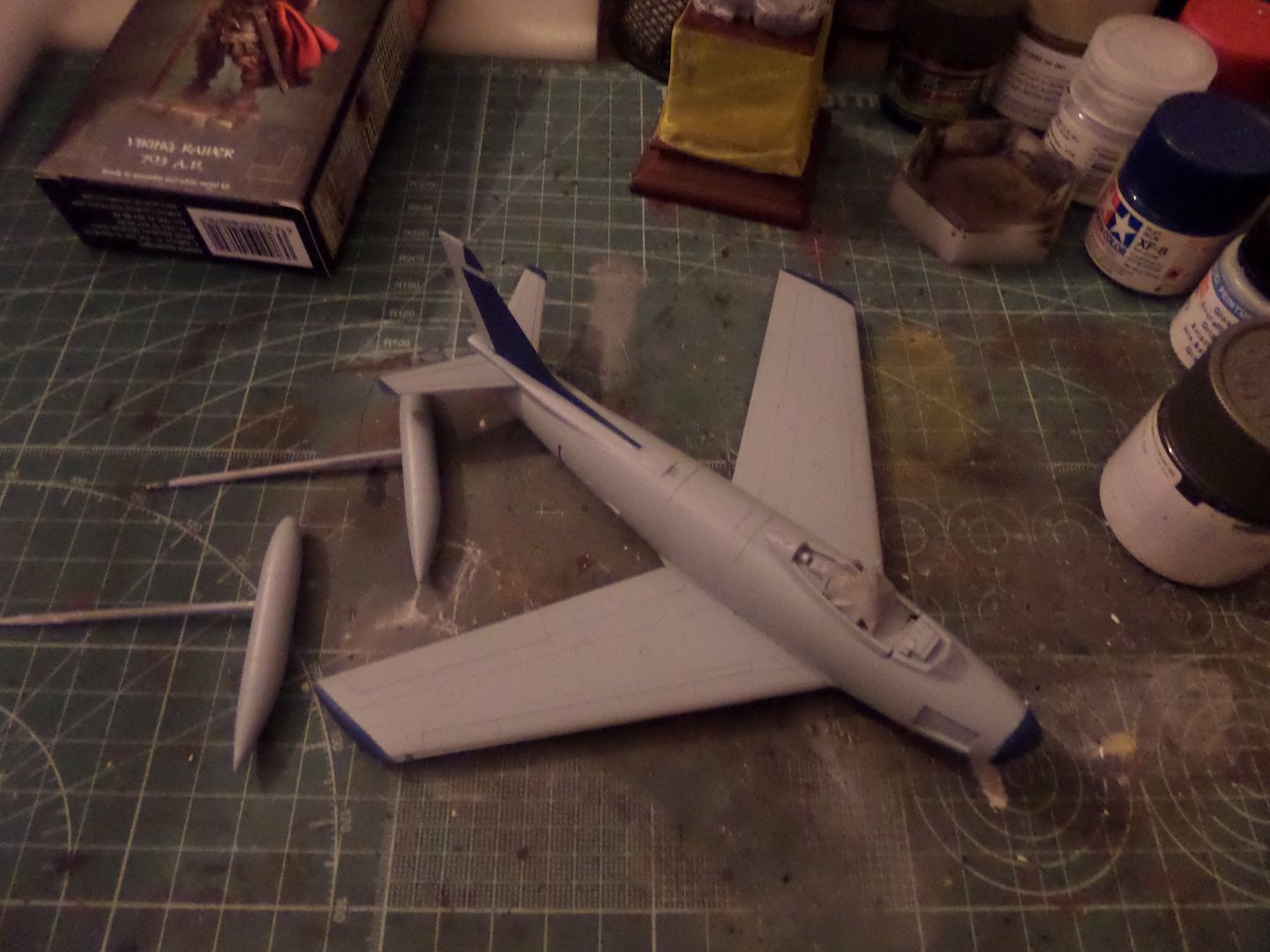

then palce all the tiny parts, wheels , bay gear doors ...Sprayed with Tamiya Clear Spray TS13
Decal time !
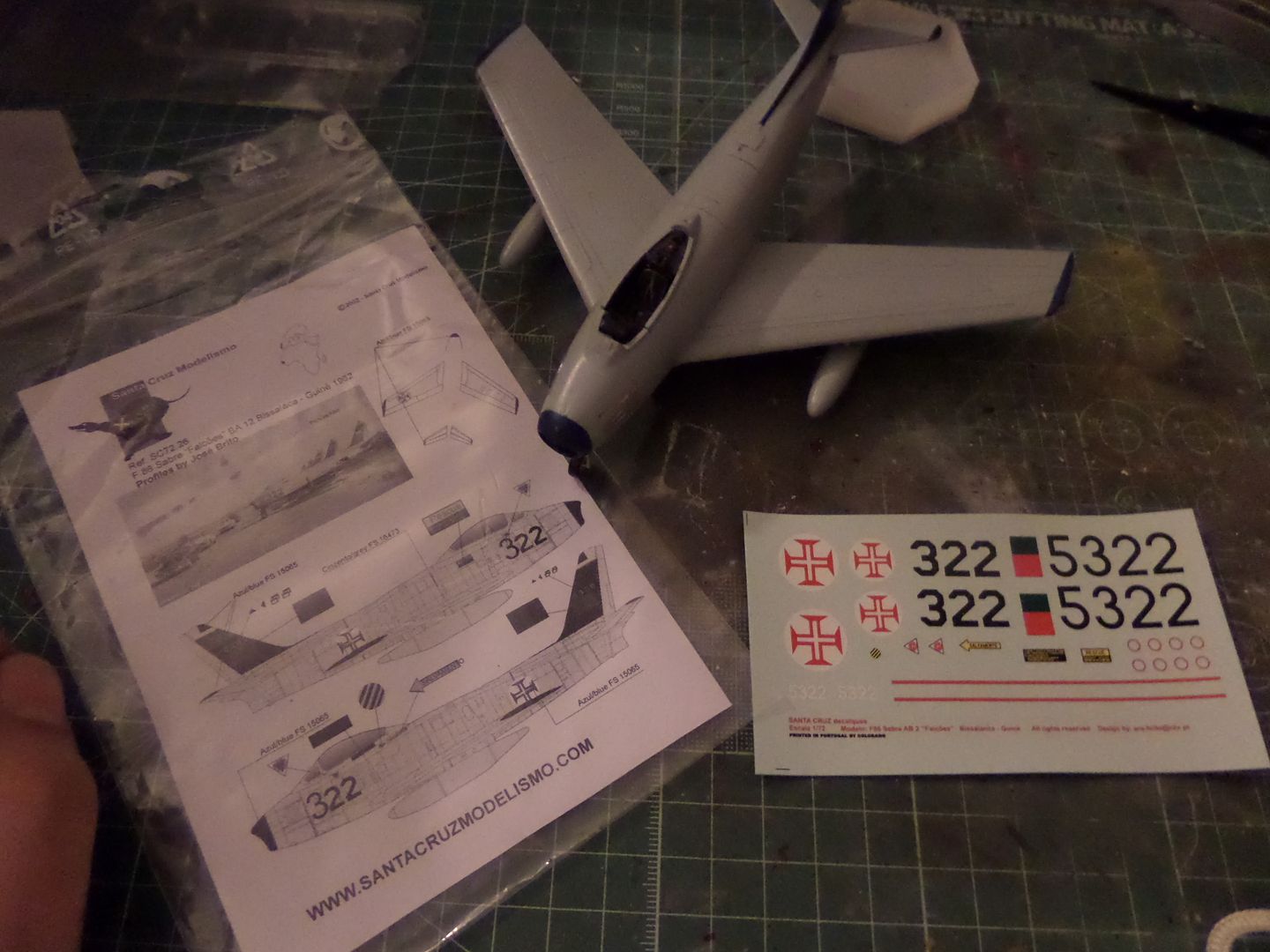
No issues , great Decals
Use Mr MArk Softener from Gunze

With flash ...some strange color


Now glass cockpit placed with some Micro Krystal Clear , not so good fit ...
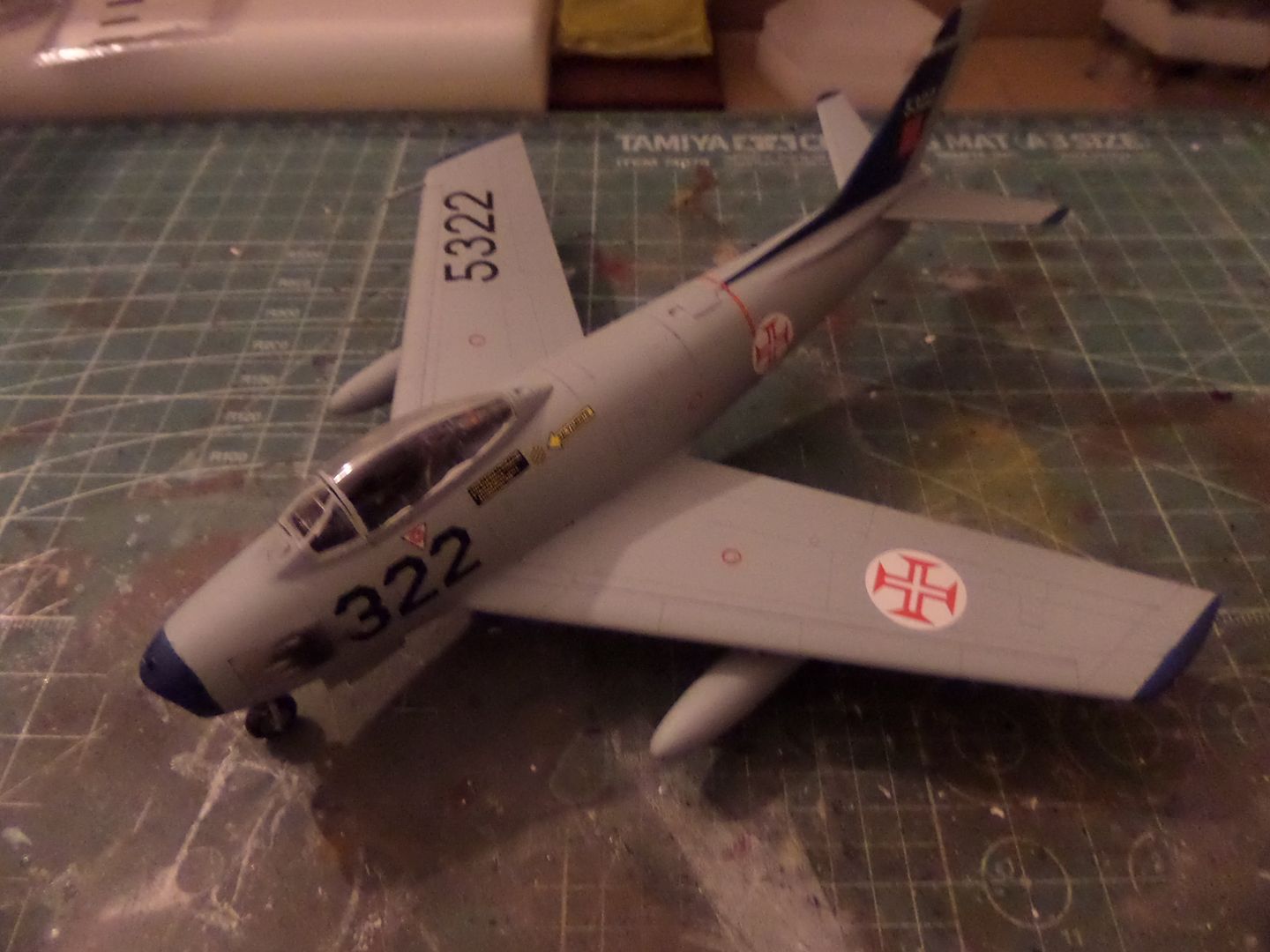
only weathered the guns with some soot , the plane has some nice detail but I'm not willing to do weathering on this one ...I like the way it turned , and I like a lot the result and it is great to have another portuguese plane in my collection ...my second Jet , now must do some base for it , will try to do it next and after to make the final reveal ...
Thank you for watching , hope you like , not my best thread here , later I'm not having too much time but also this was a very quick build , and a great result (at least for me !

)