

First - the type history:
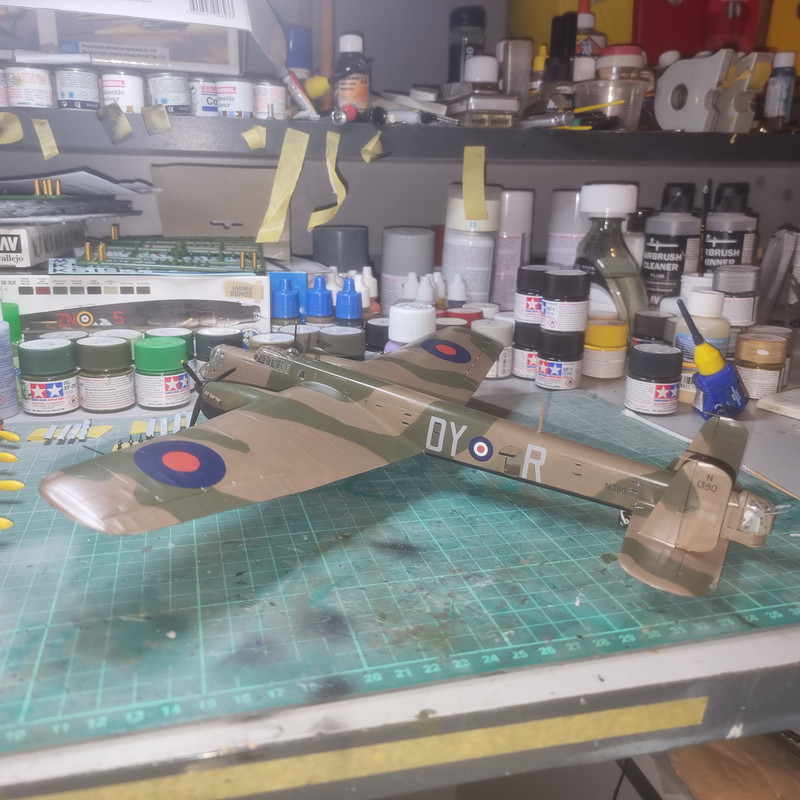
The Armstrong Whitworth type A.W.38 Whitley was a British medium bomber aircraft of the 1930s. It was one of three twin-engined, front line medium bomber types that were in service with the Royal Air Force (RAF) at the outbreak of the Second World War.
Alongside the Vickers Wellington and the Handley Page Hampden, the Whitley was developed during the mid-1930s according to Air Ministry Specification B.3/34, which it was subsequently selected to meet. In 1937, the Whitley formally entered into RAF squadron service; it was the first of the three medium bombers to be introduced.
Designed by John Lloyd, the Type 38 first flew on the 17th March 1936, entered squadron service in 1937 and remained in service until the end of the war in 1945. Until it was replaced by the 4 engined "heavies" in 1942 the Whitley was one of the RAF's primary bombers together with the Hampden and Wellington. As well as Bomber Command the Whitley served with Coastal Command as well as trainer, glider tug and transport roles.
A total of 1,814 Whitleys were buit ranging from the Mk1 to the Mk VII. Carrying a crew of 5 and a bomb load of up to 7,000 Kg (the biggest bomb that could be carried was 2,000 Kg) in a central bomb bay plus wing cells. Top speed was 230 mph at a height of 16,400 feet, max ceiling was 26,000 feet. Powered by 2 x RR Merlins all version except the Mk VII were capable of maintaining height on one engine. The MK VII was only used by Coastal Command and carried a 6th crewman plus ASV radar.
No intact examples of the Whitely survive to this day. The Midland Air Museum in the UK has a dispay created from fragments of many aircraft.
The kit:
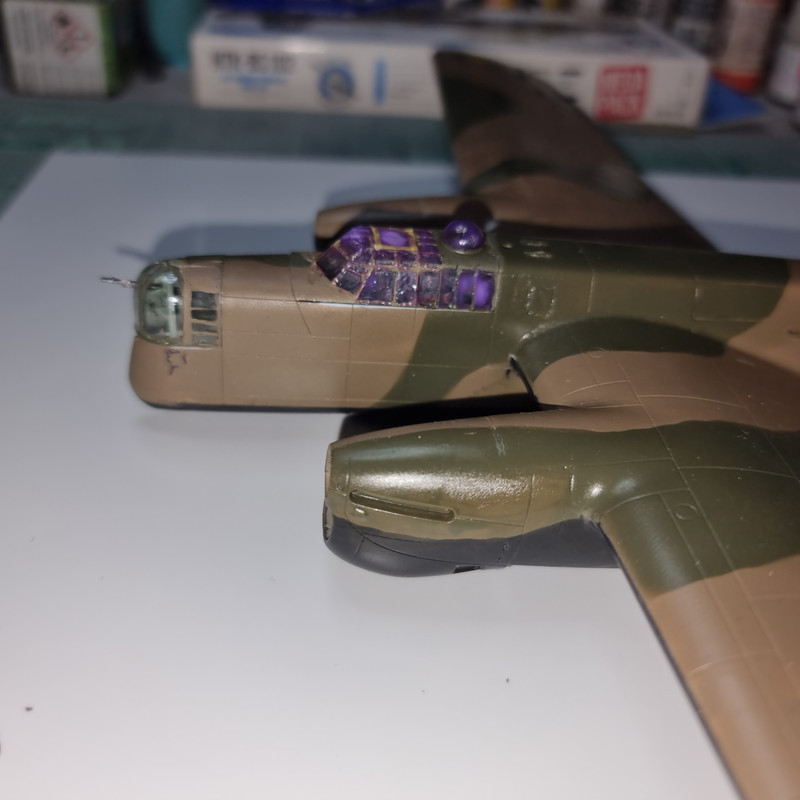
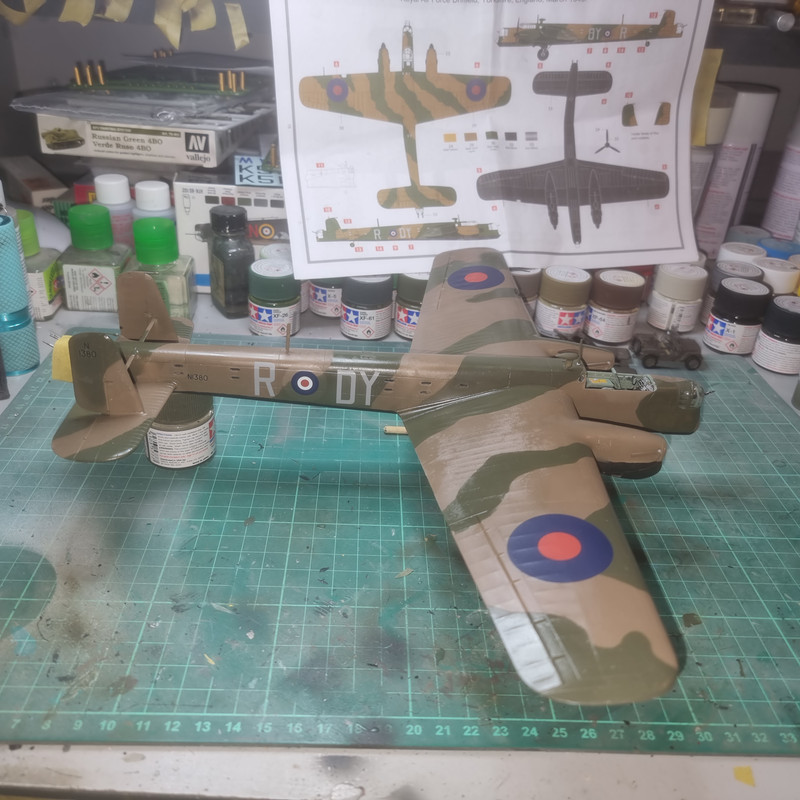
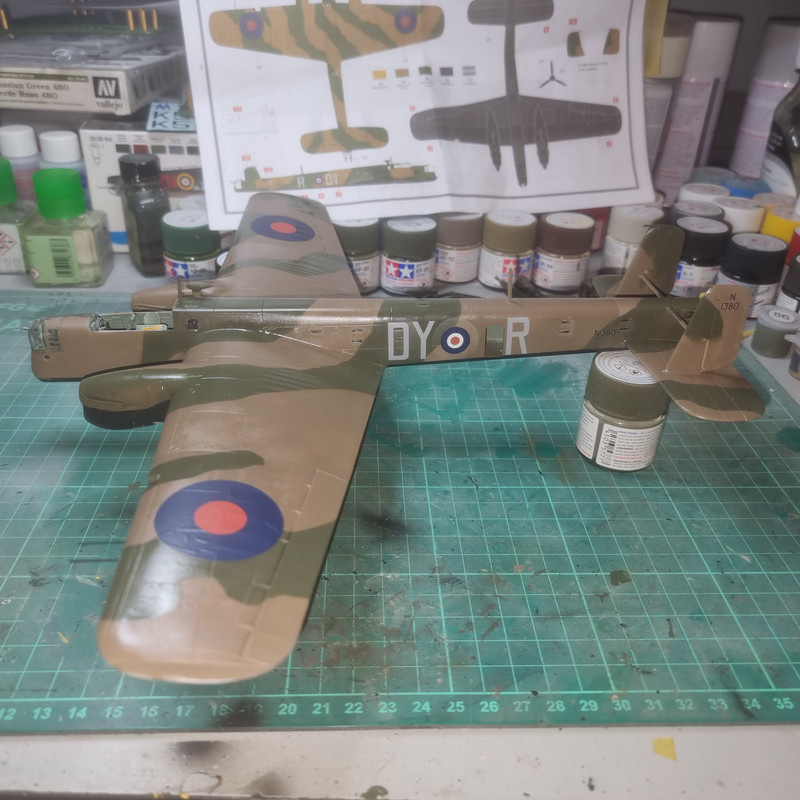
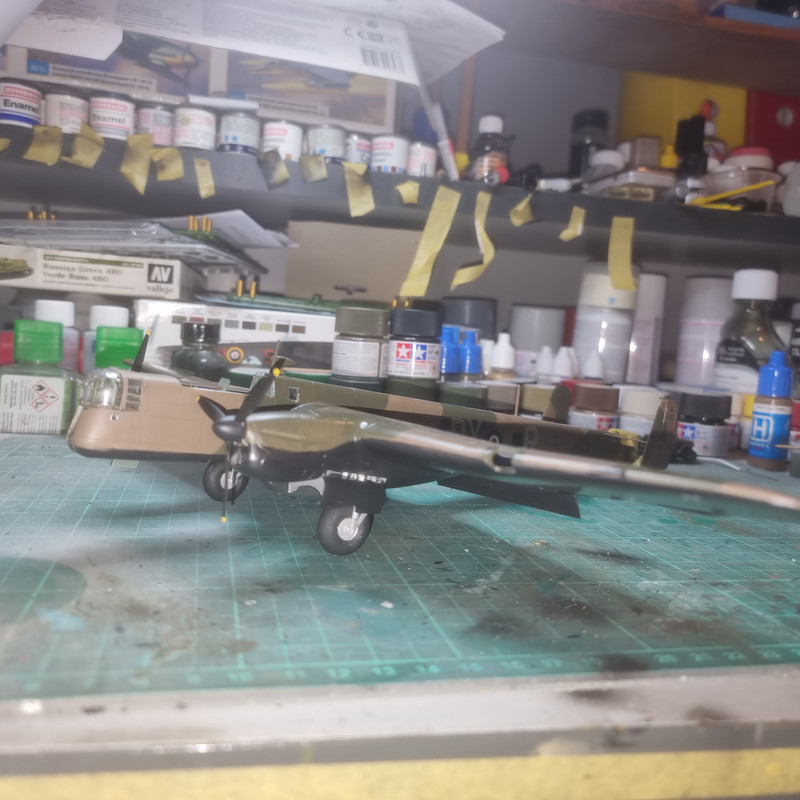
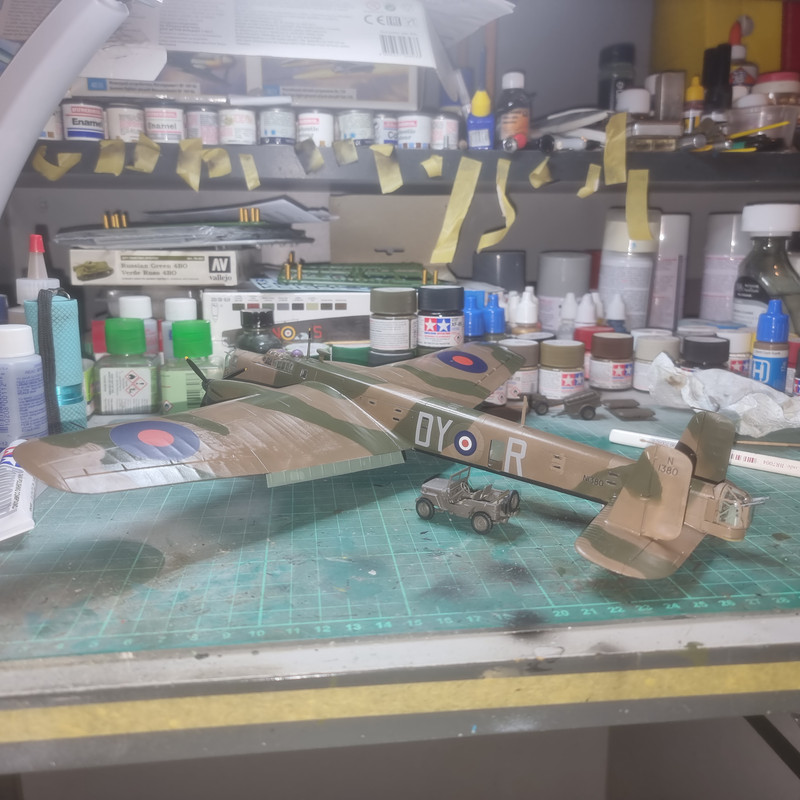
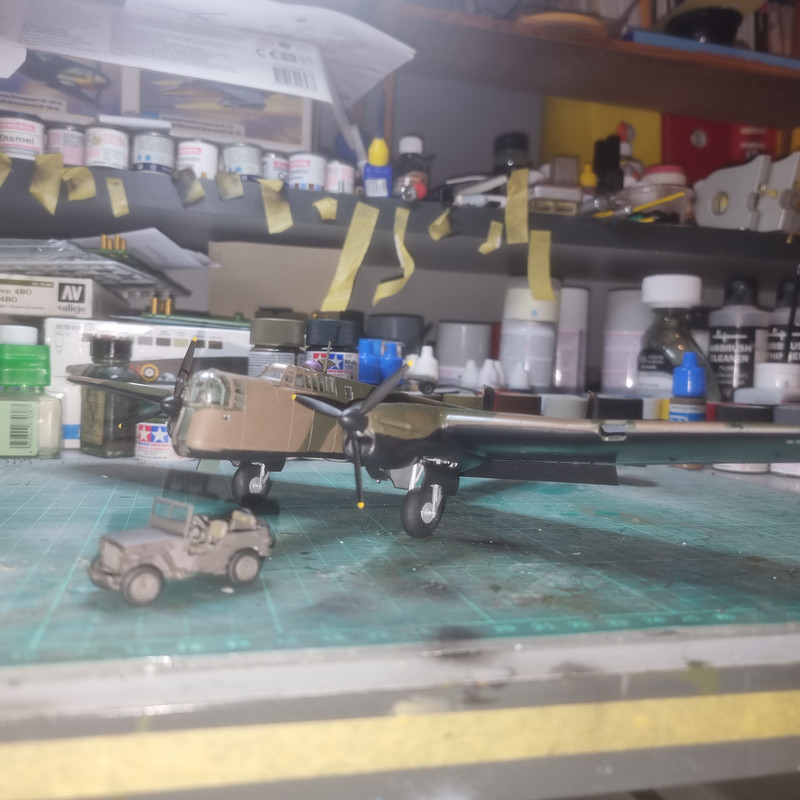
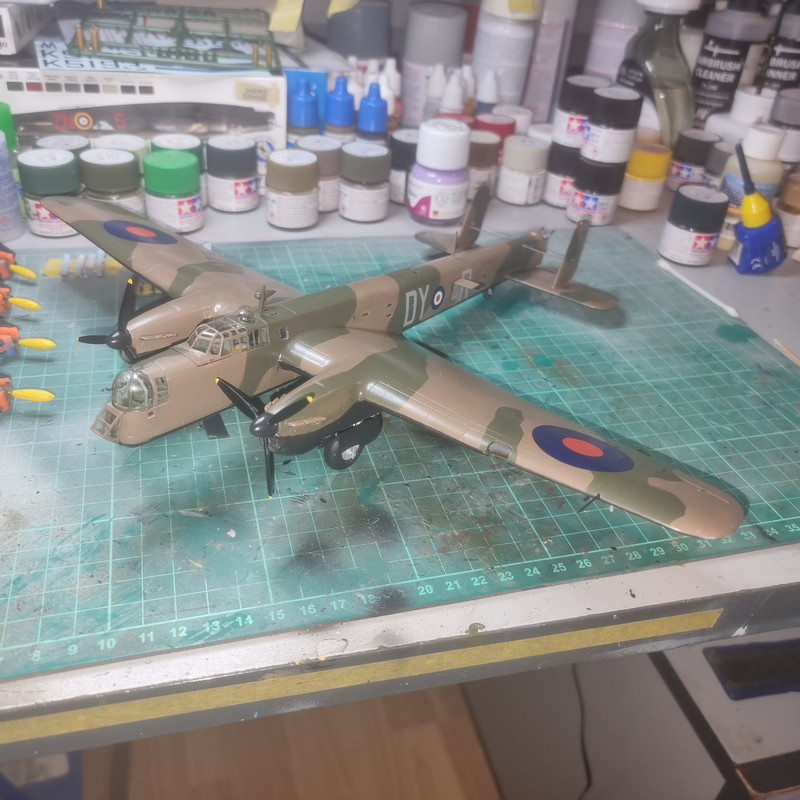
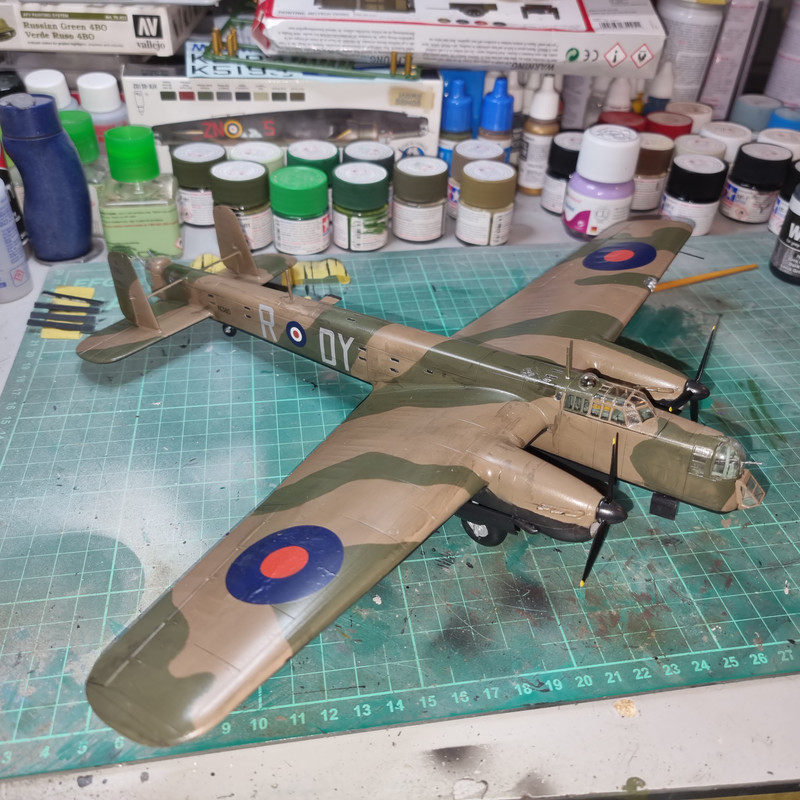
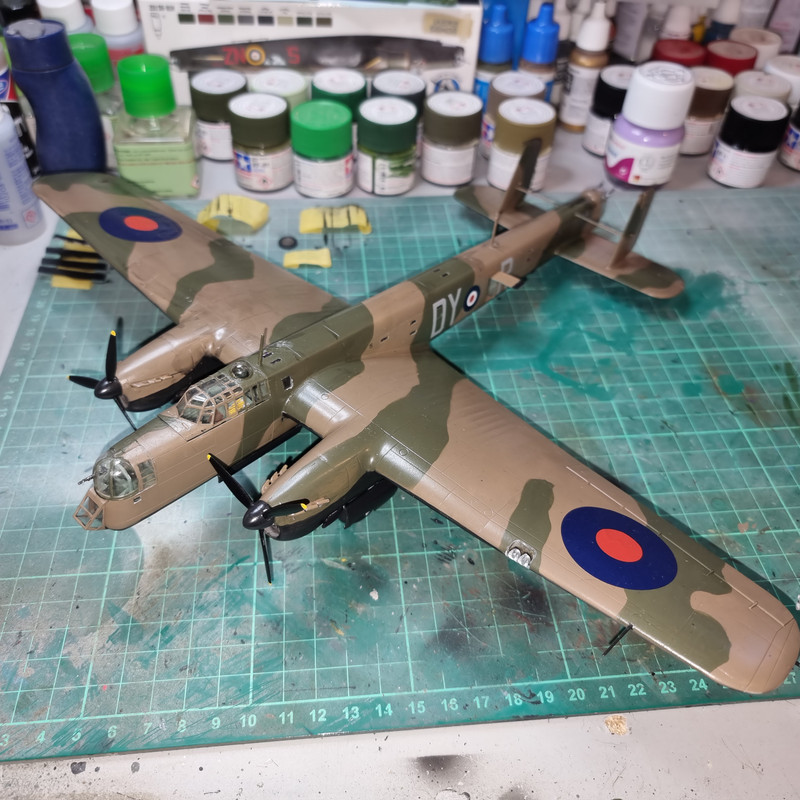
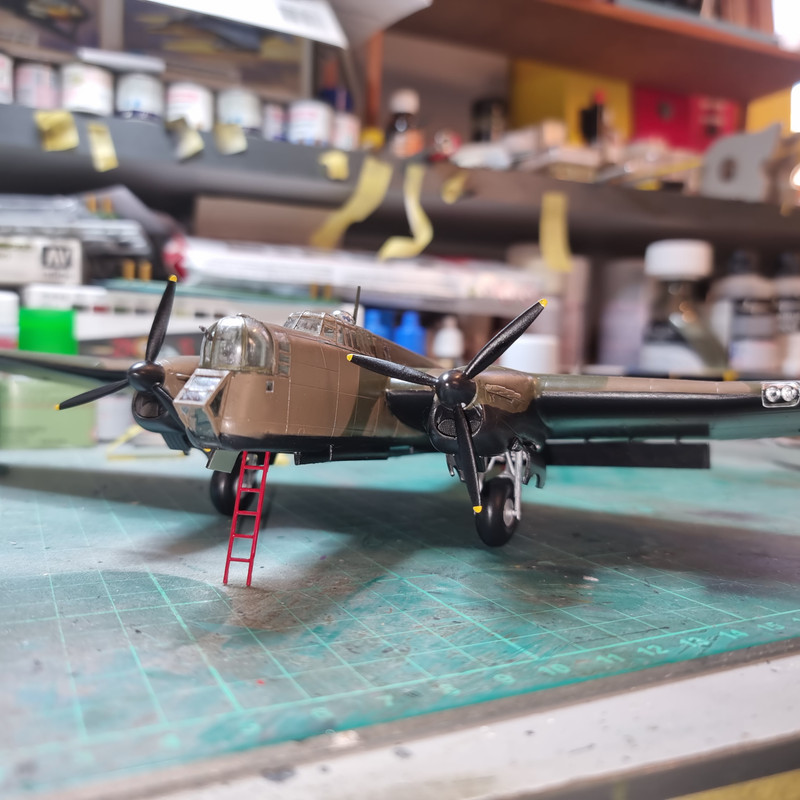
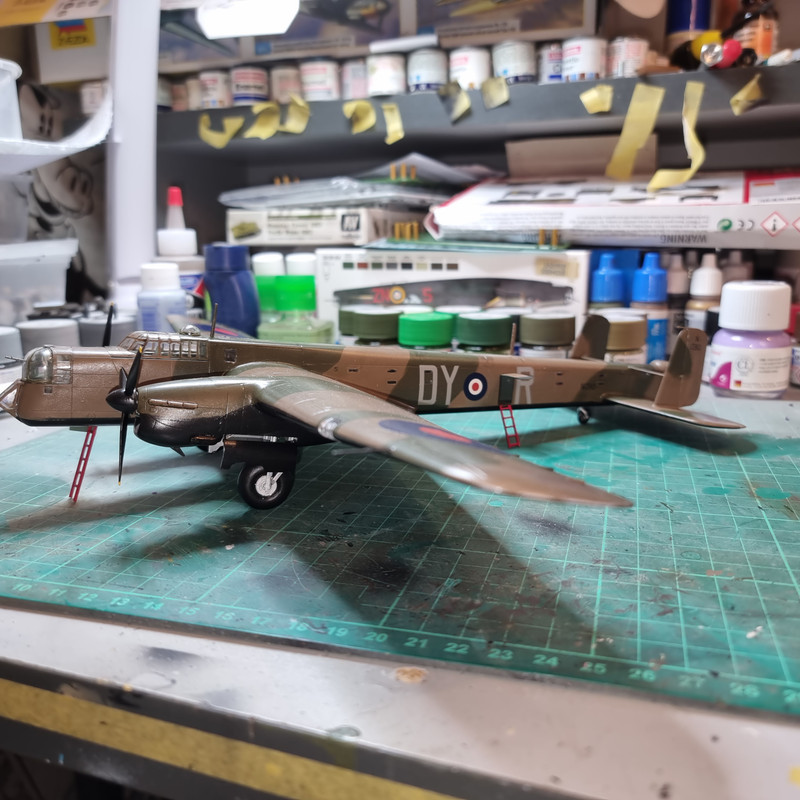
This is the Airfix 1/72 scale 2015 release of the Whitley Mk V.

Inside the box all the sprues are in one bag with the transparencies inside their own bag.
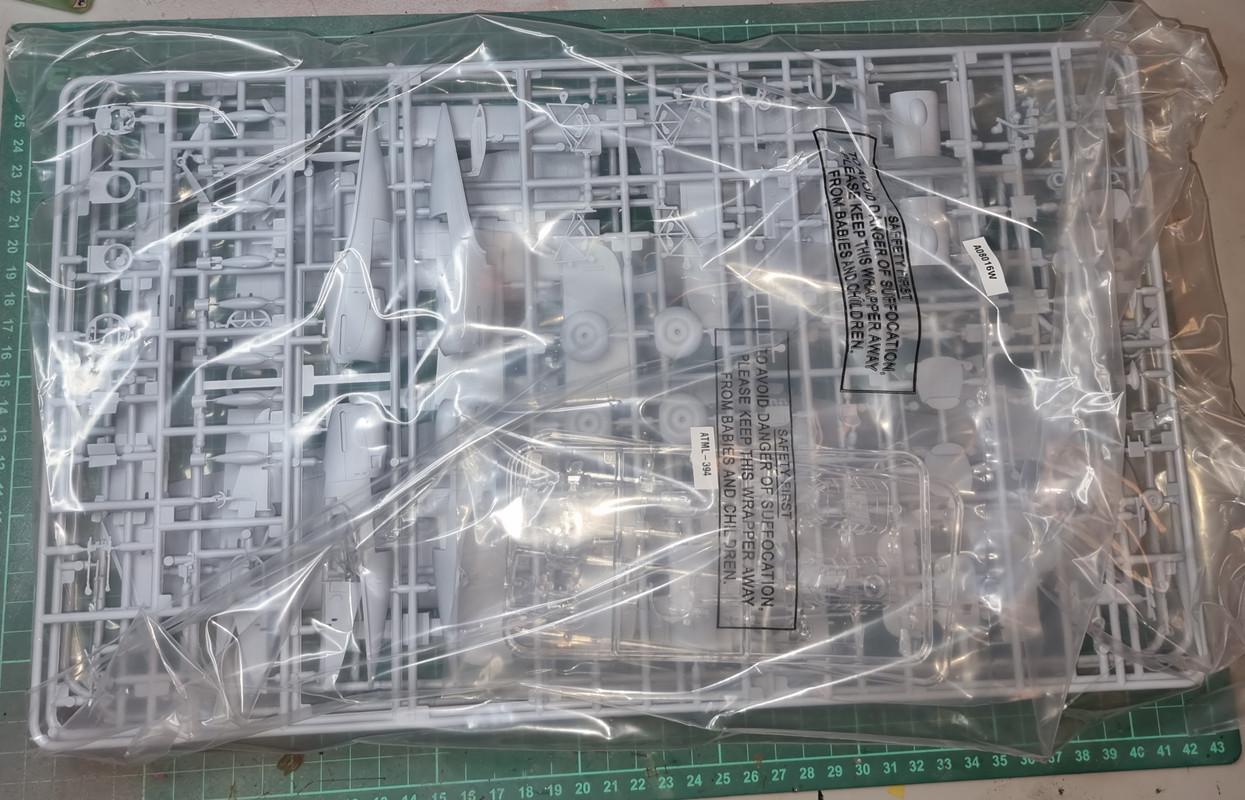
Unusually - in my experience of Airfix kits - the sprues have letters assigned, A to D are grey plastic, sprue E1 and E2 are transparent.
Sprue A
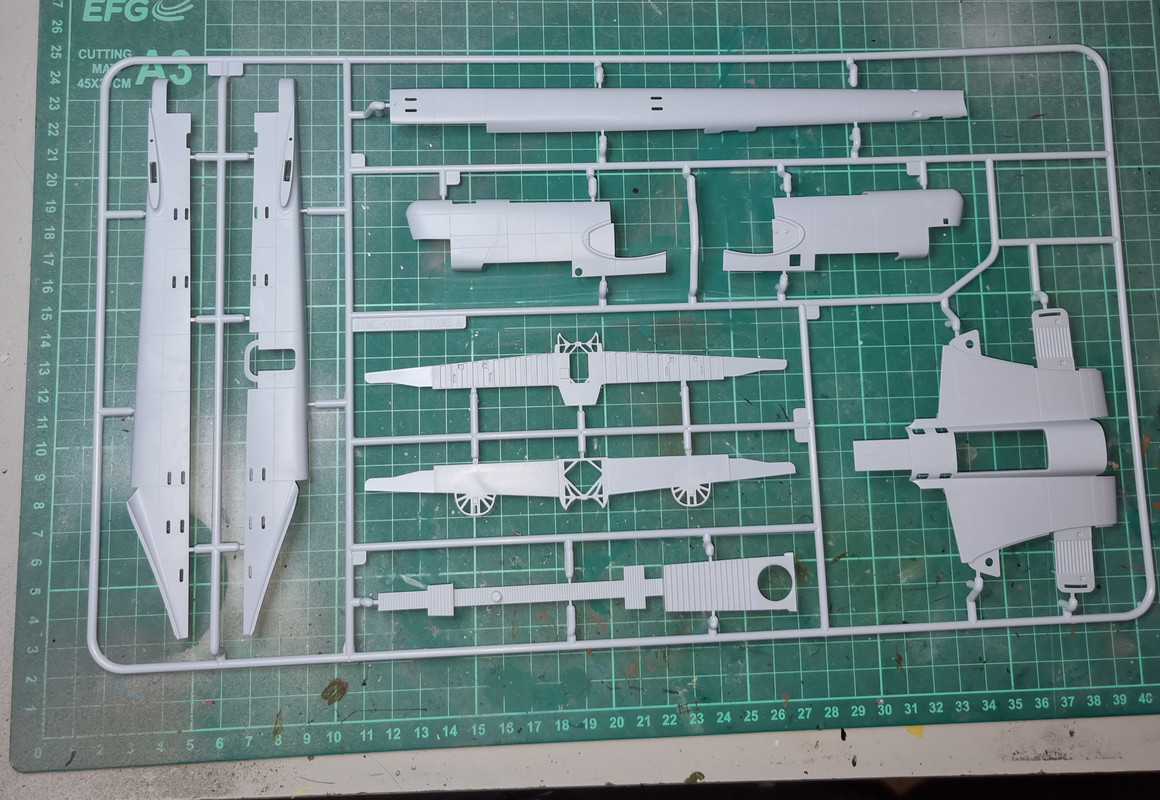
Sprue B
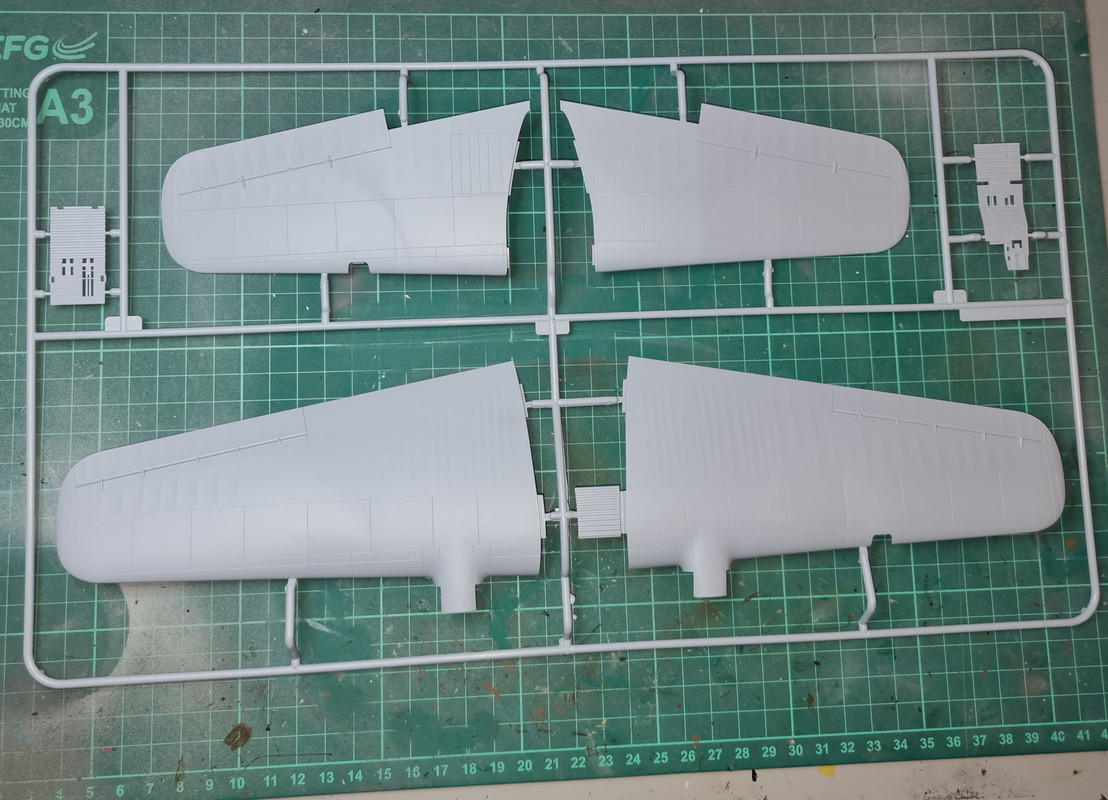
Sprue C
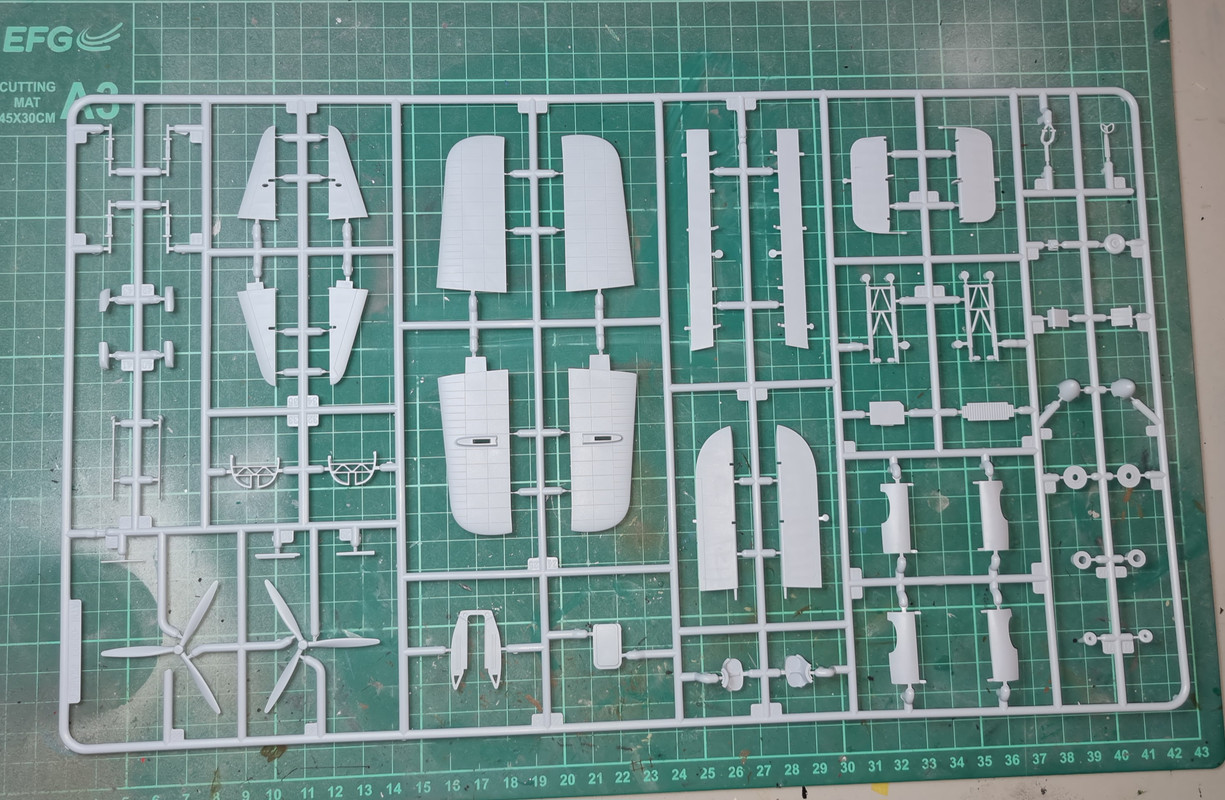
Sprue D
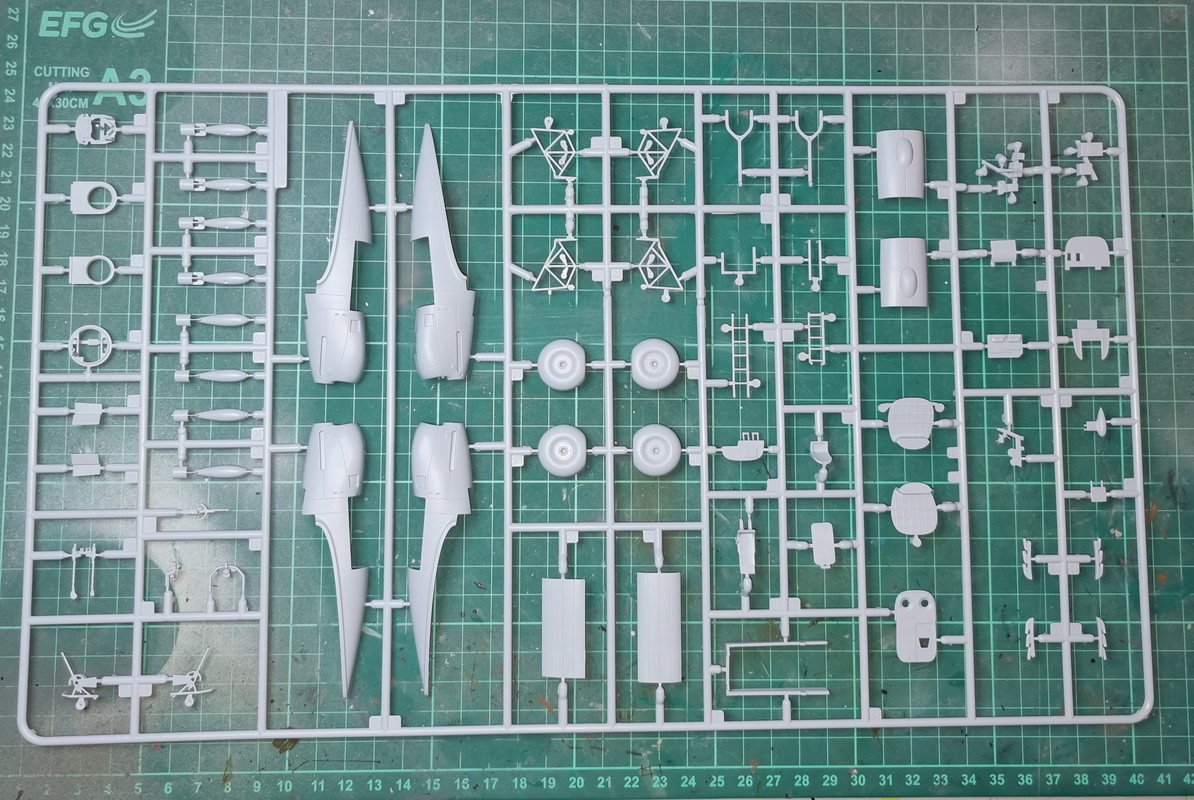
Sprue E

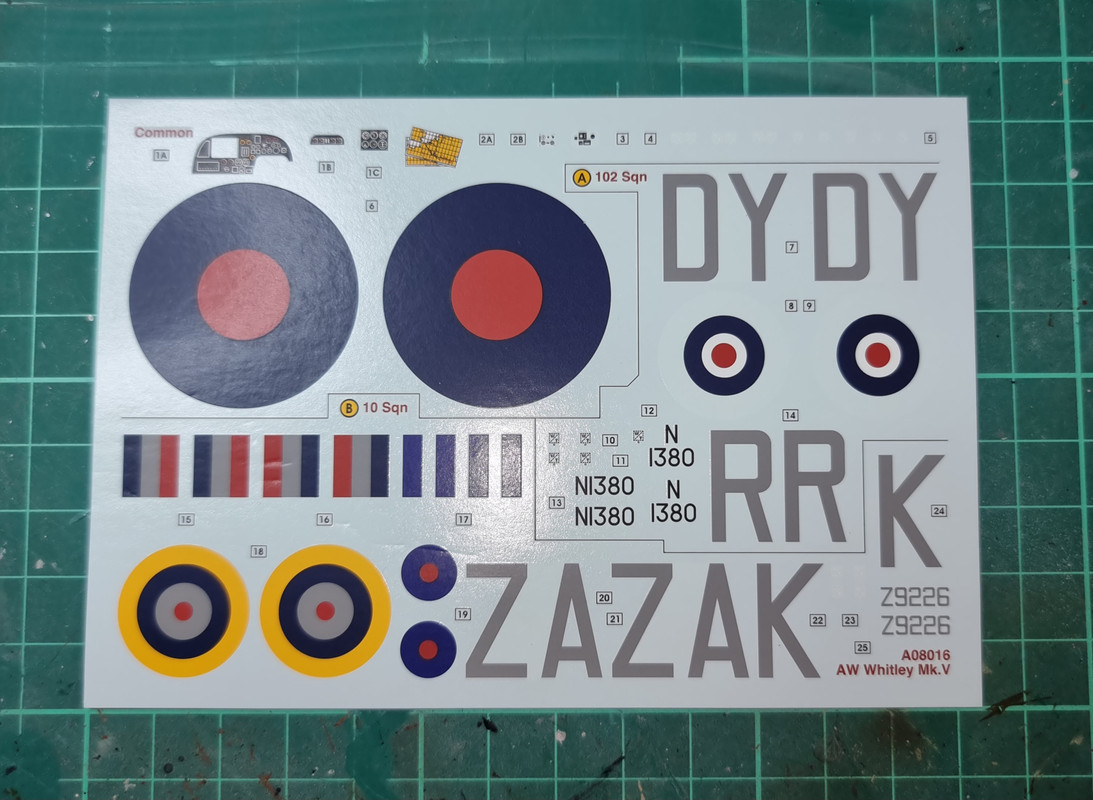
Decals
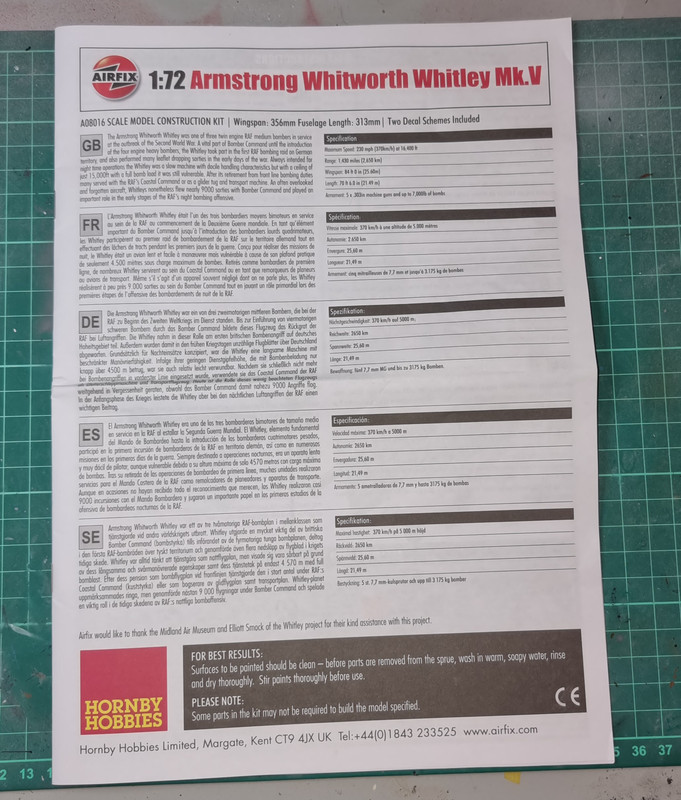
Instruction sheet
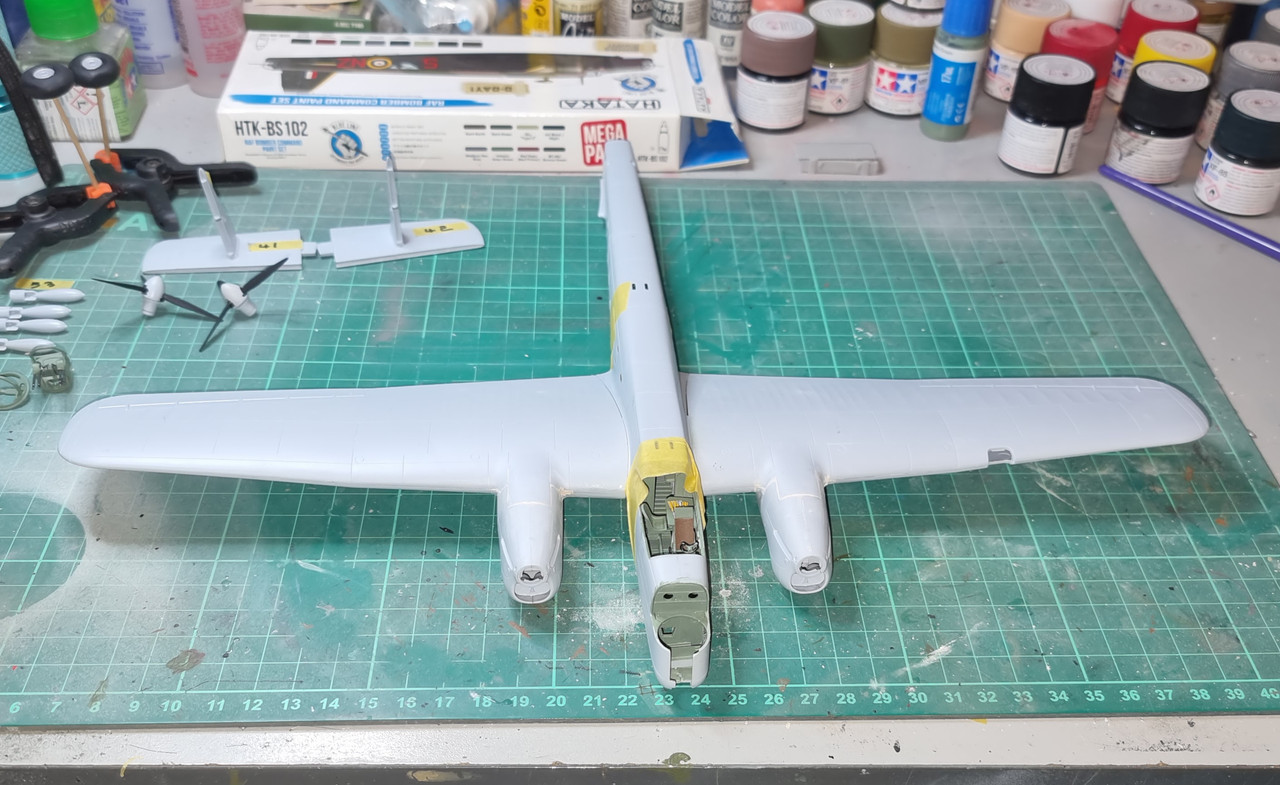
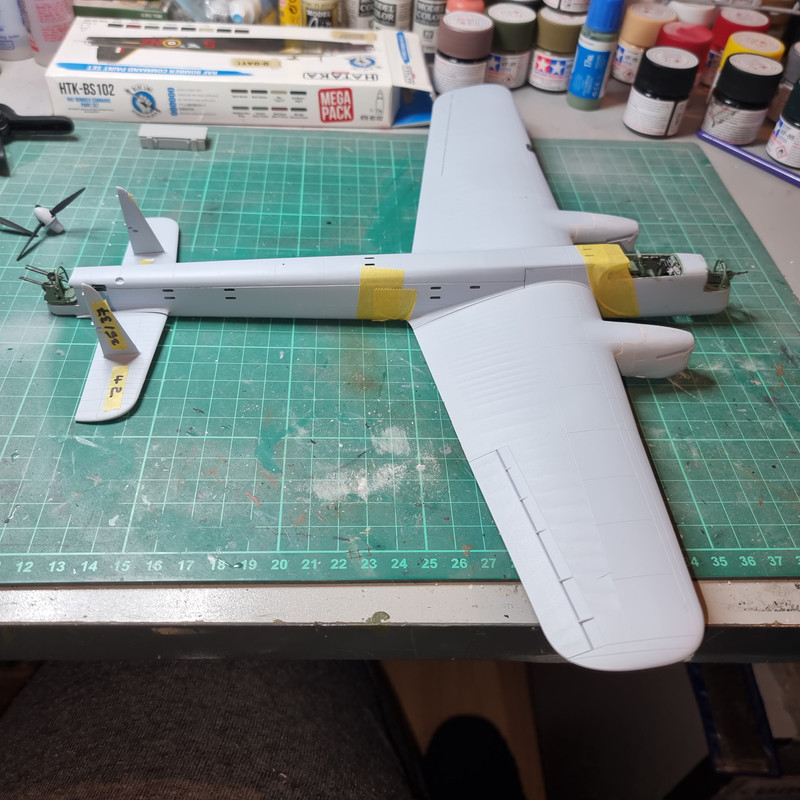
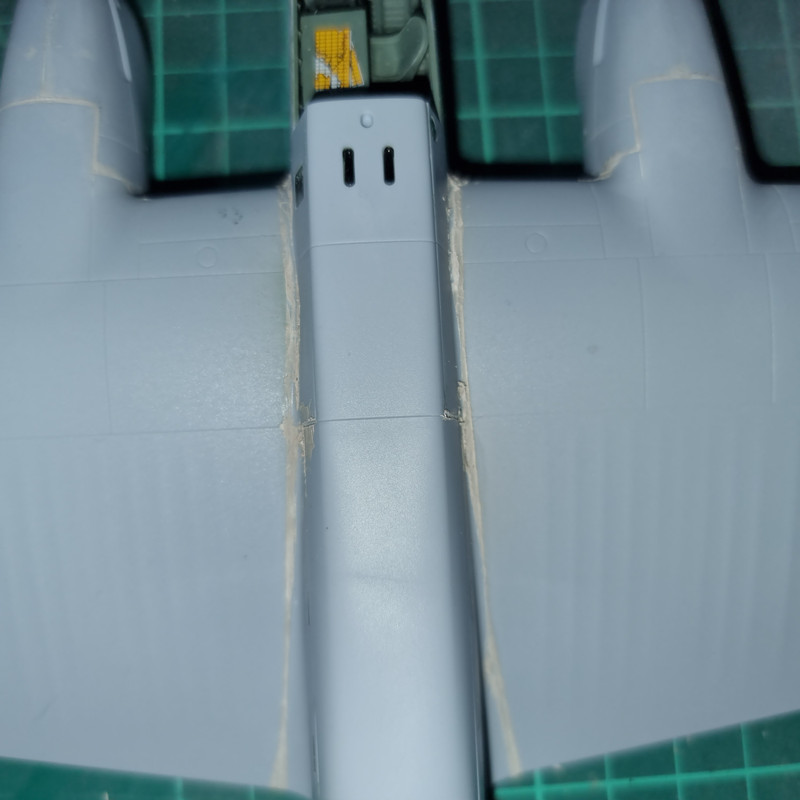
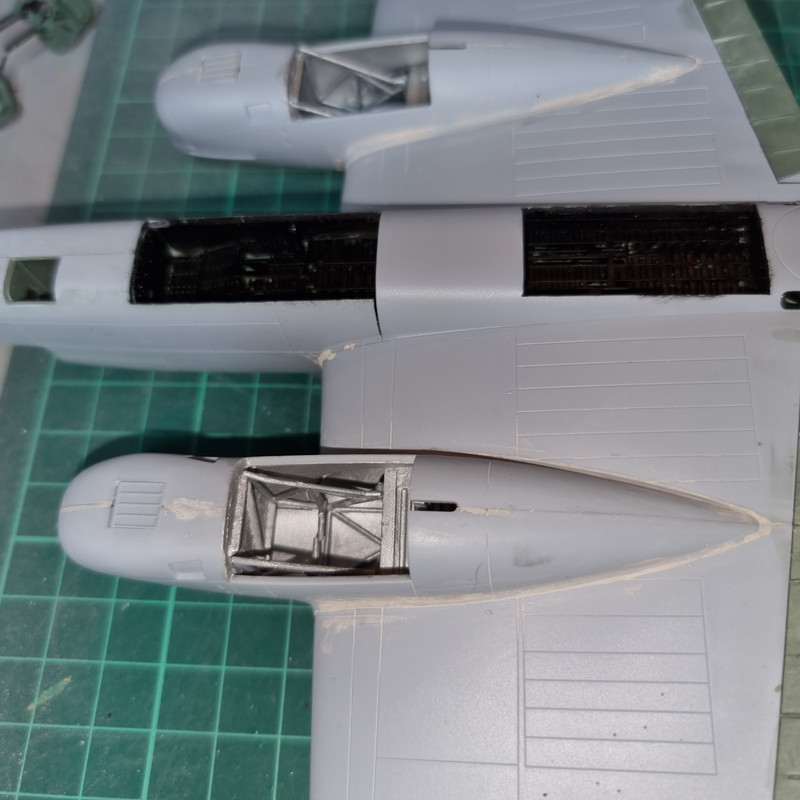
And now the fun begins - the build!!!

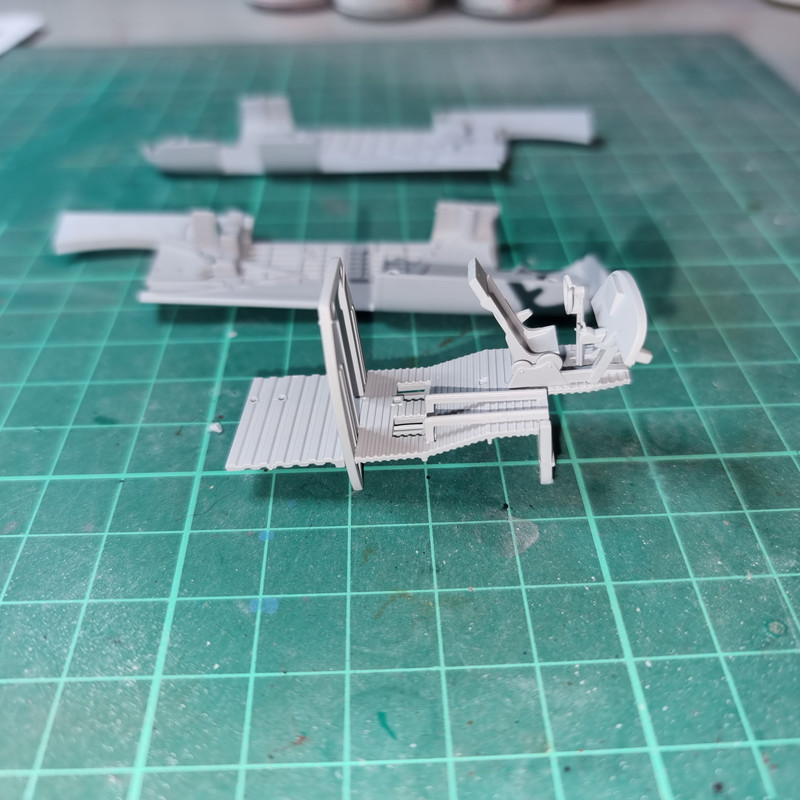
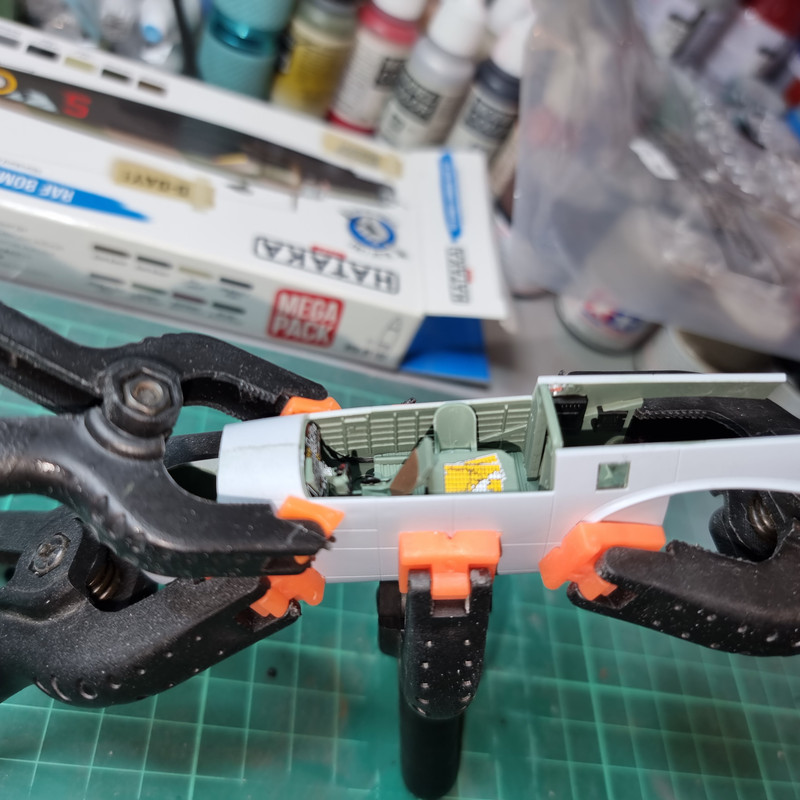
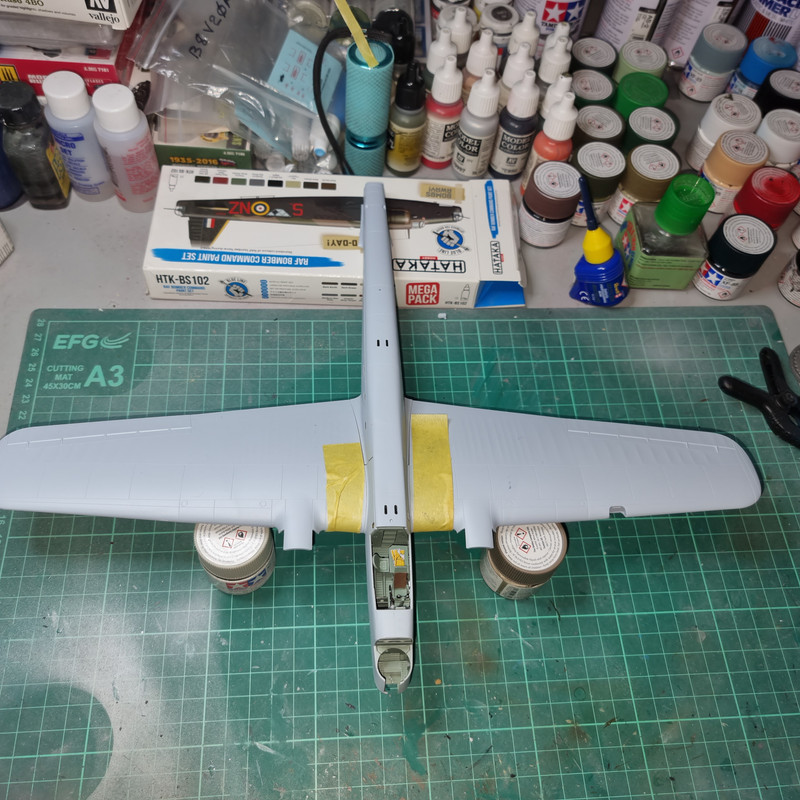
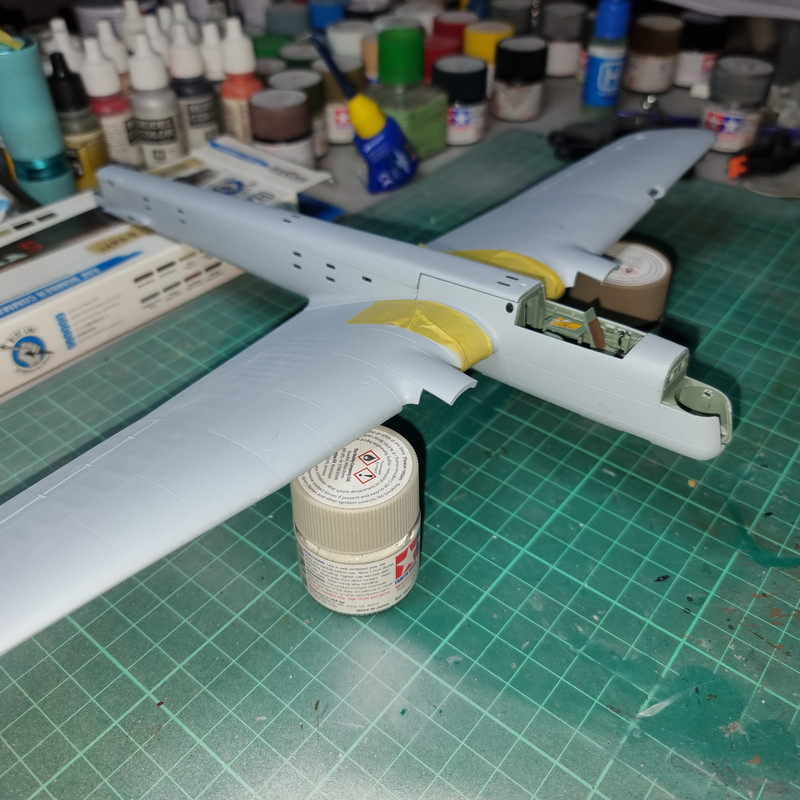
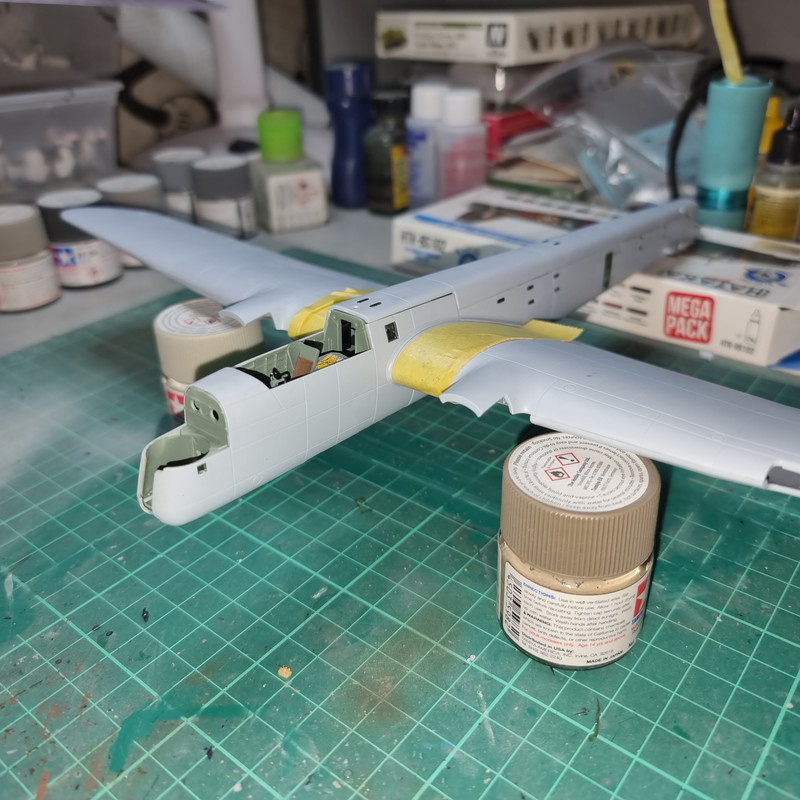
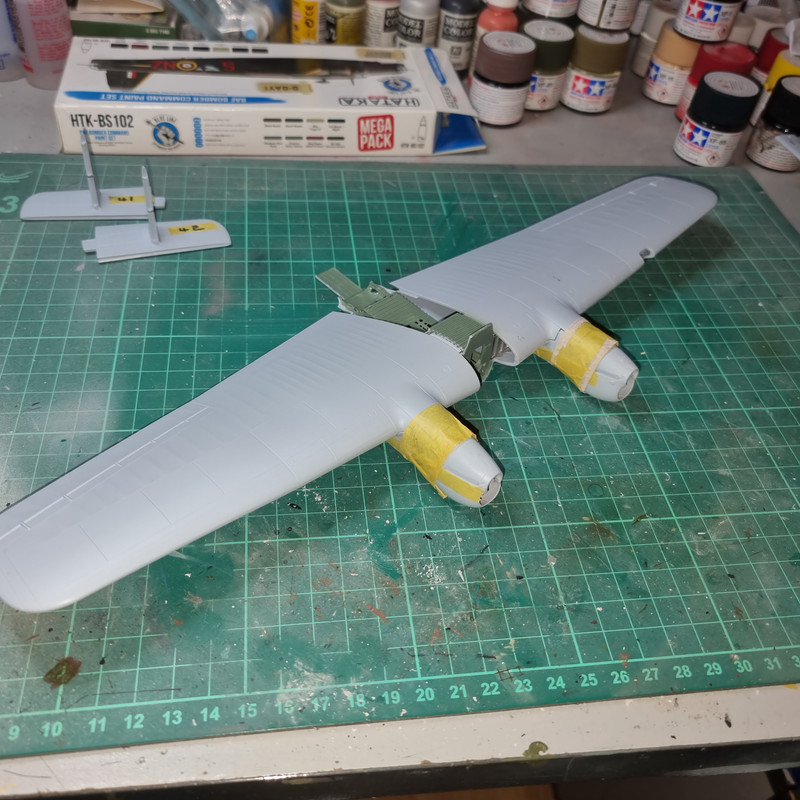
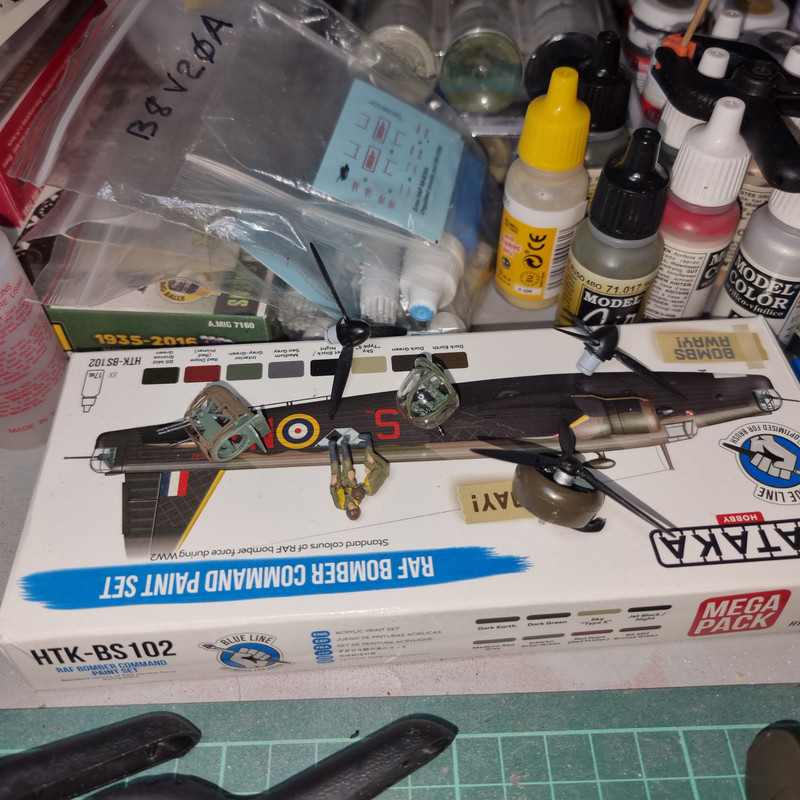
First steps in the instruction manual are the cockpit. Here is the basic cockppit beginnings now waiting for the primer to dry. Comprises the floor, upper and lower bulkheads, pilot seat, control yoke, instrument panel and engine throttles.
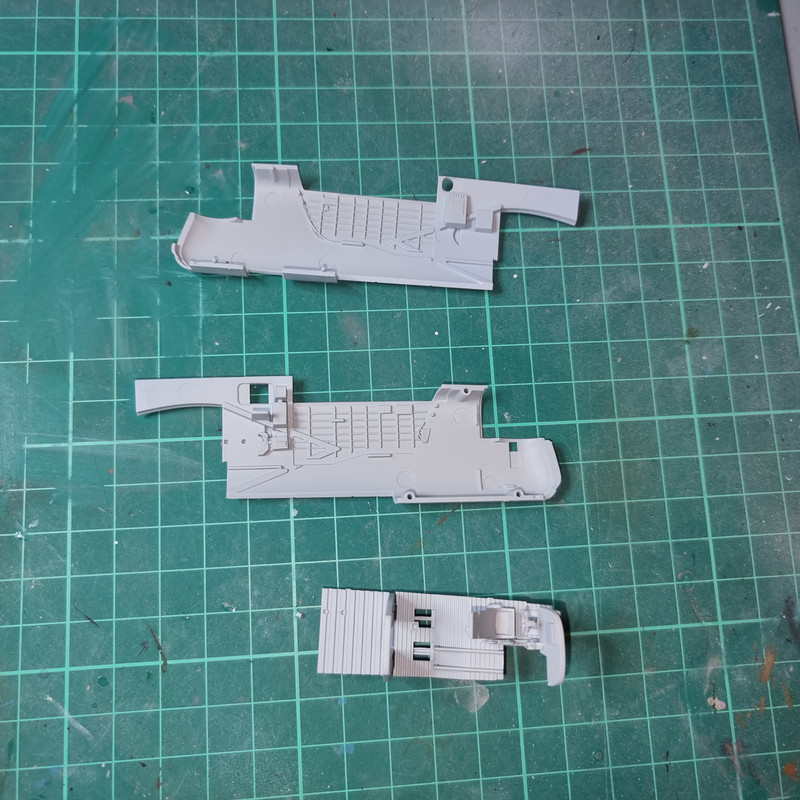
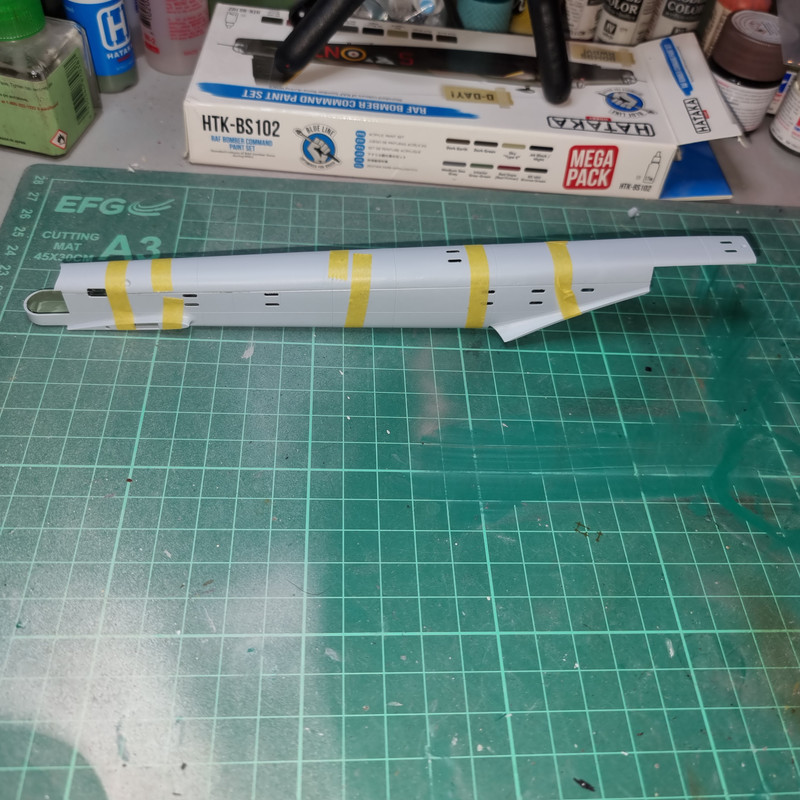
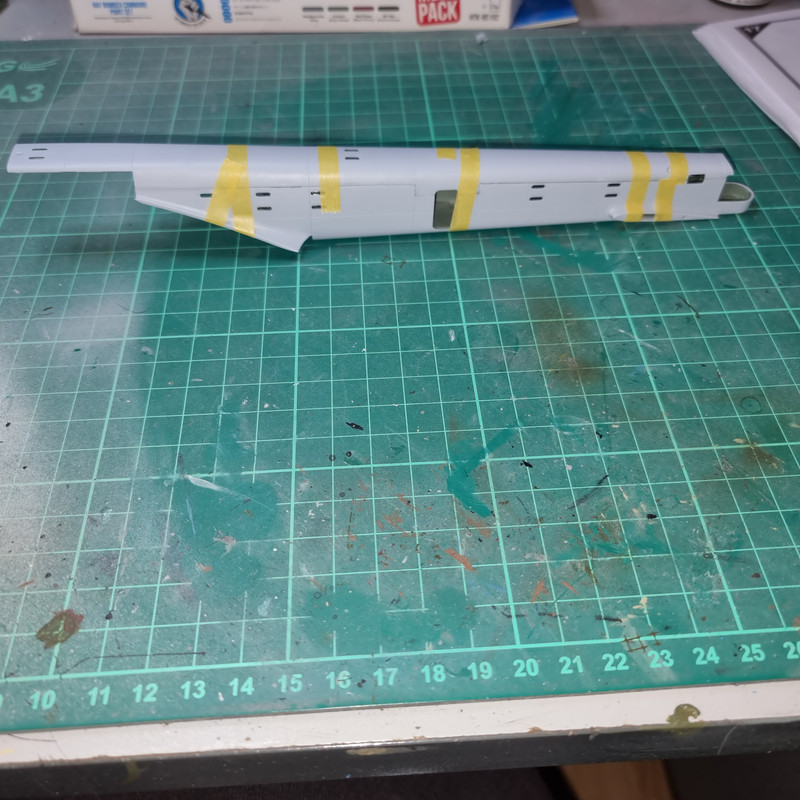
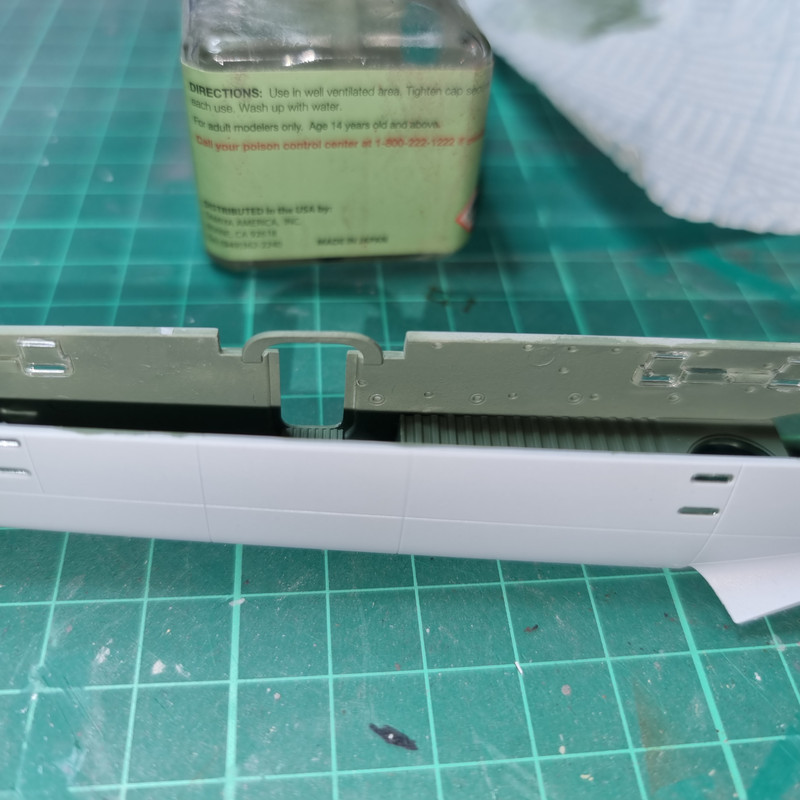
In addition the two nose sections of the fuselage have equipment added and have also been given a coat of primer.


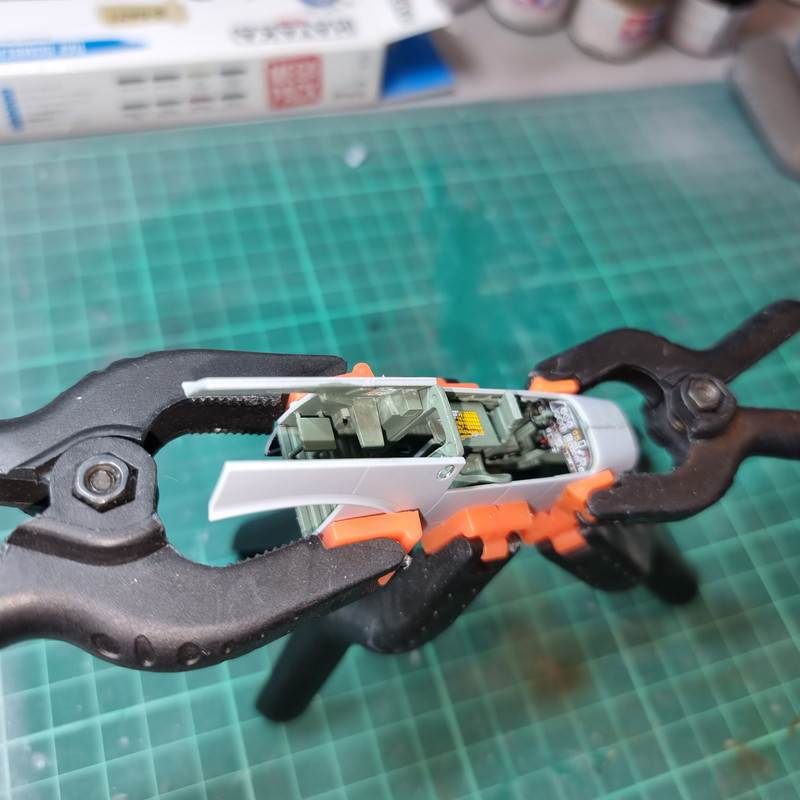
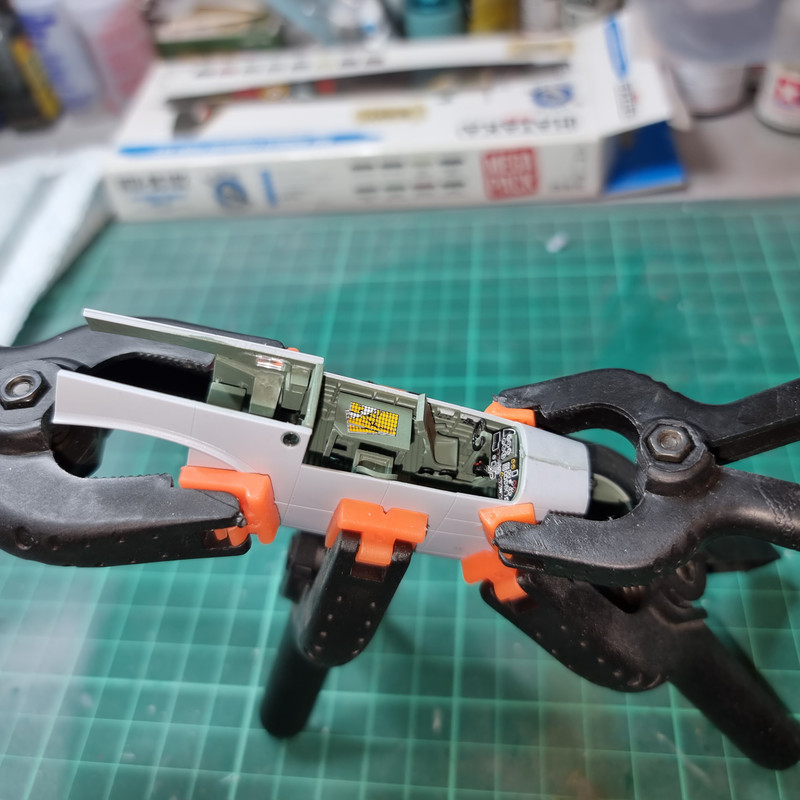



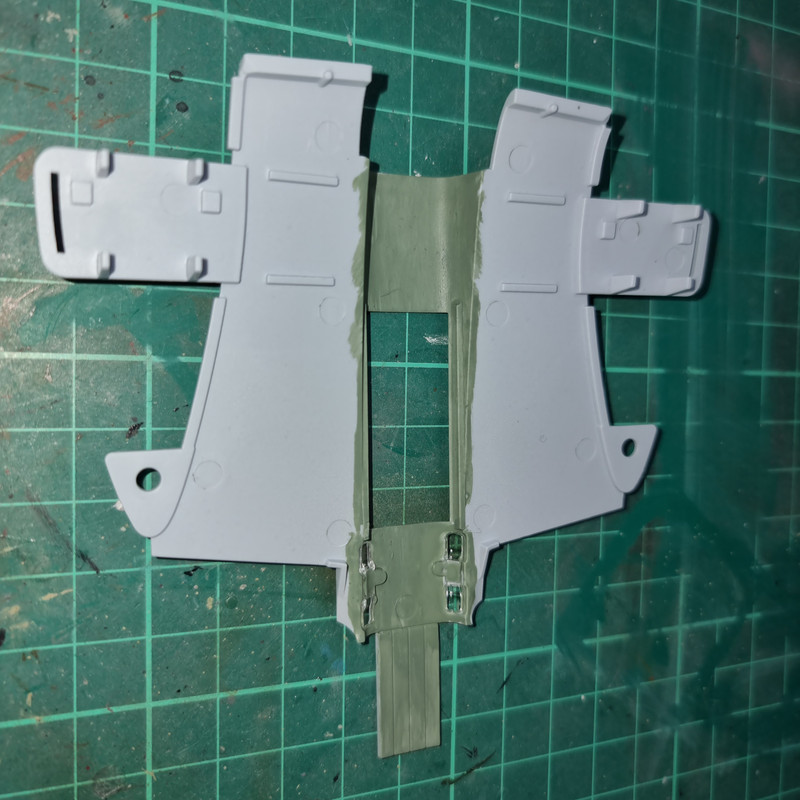
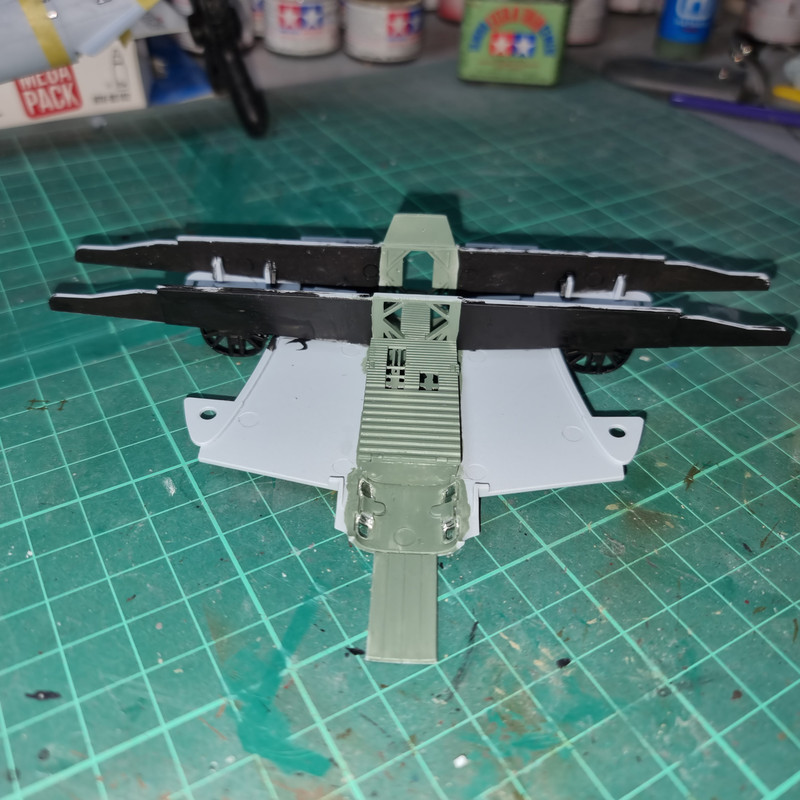
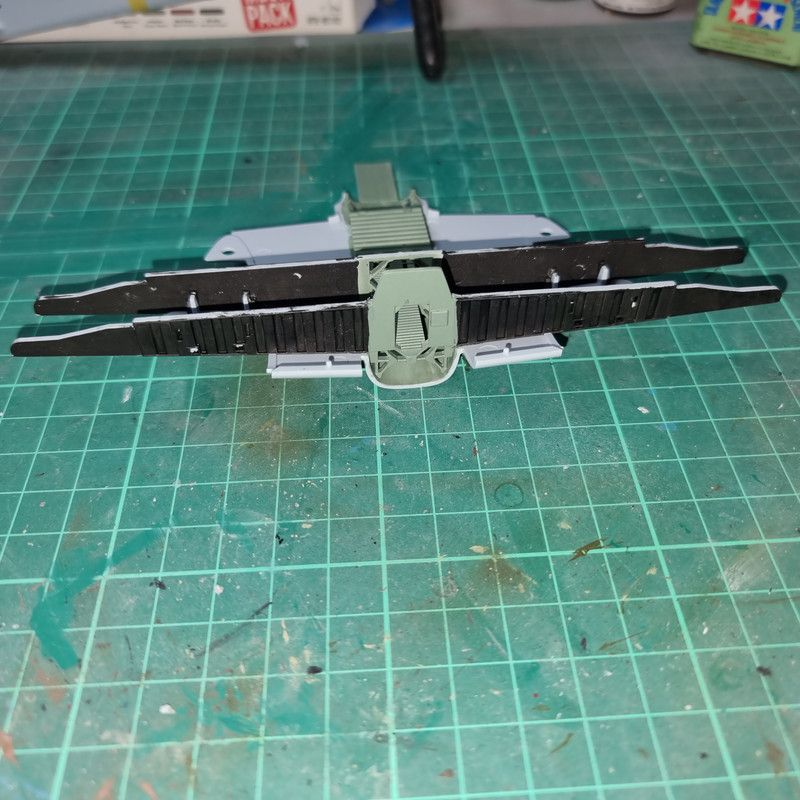
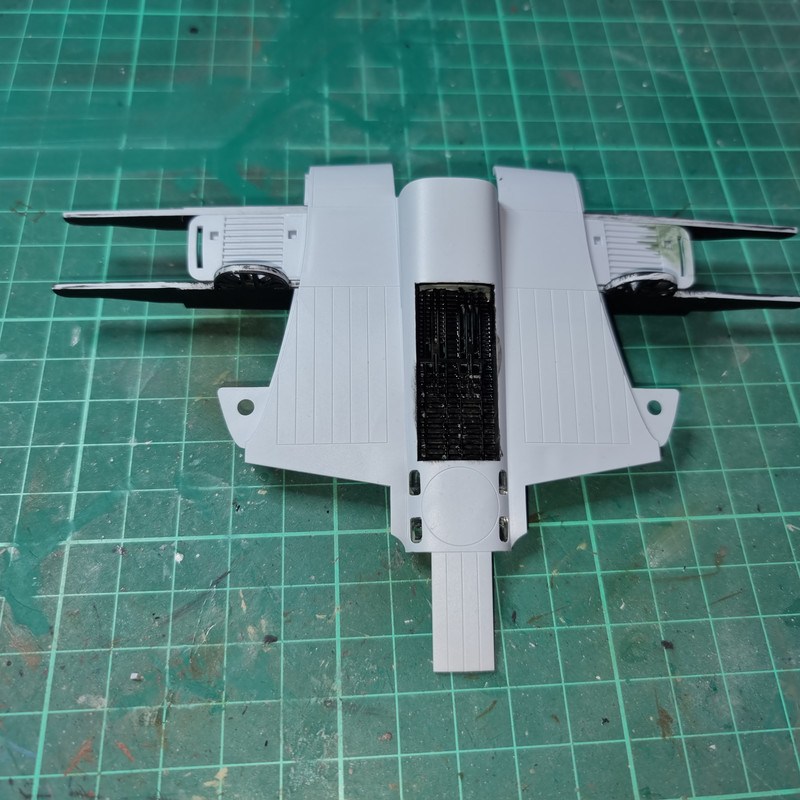
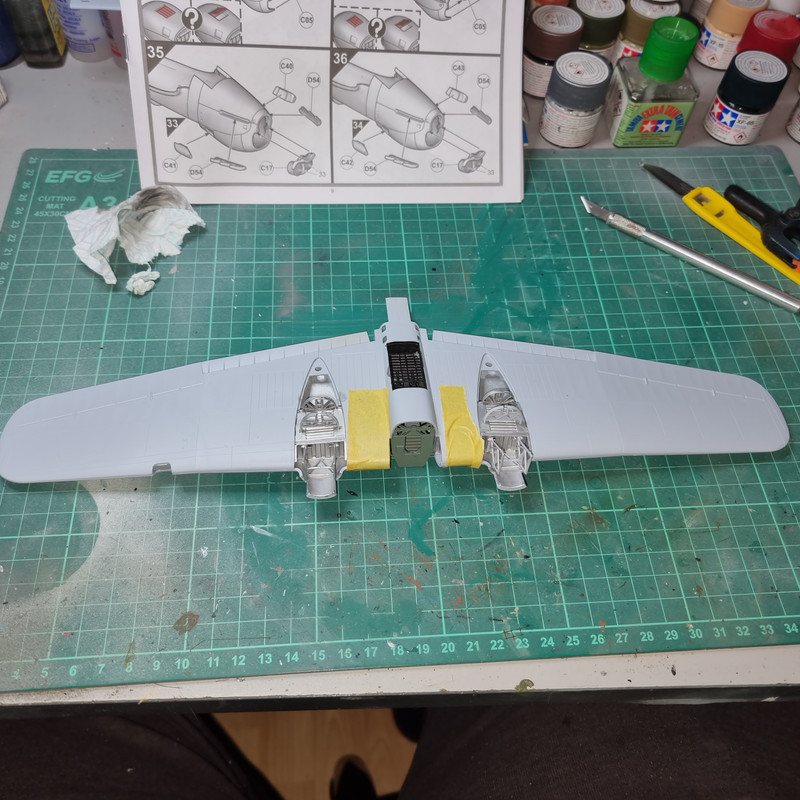
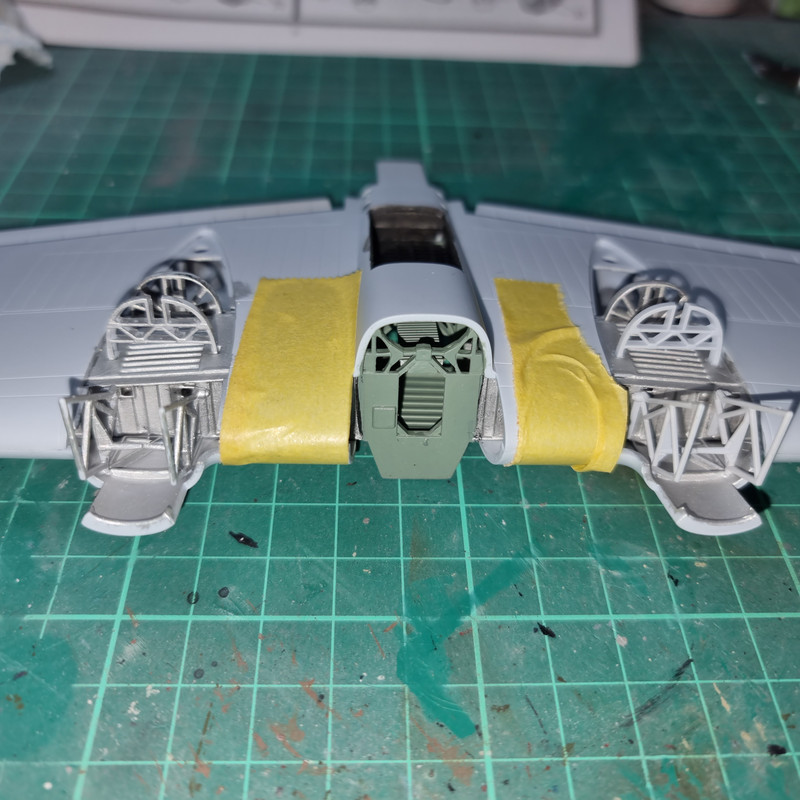
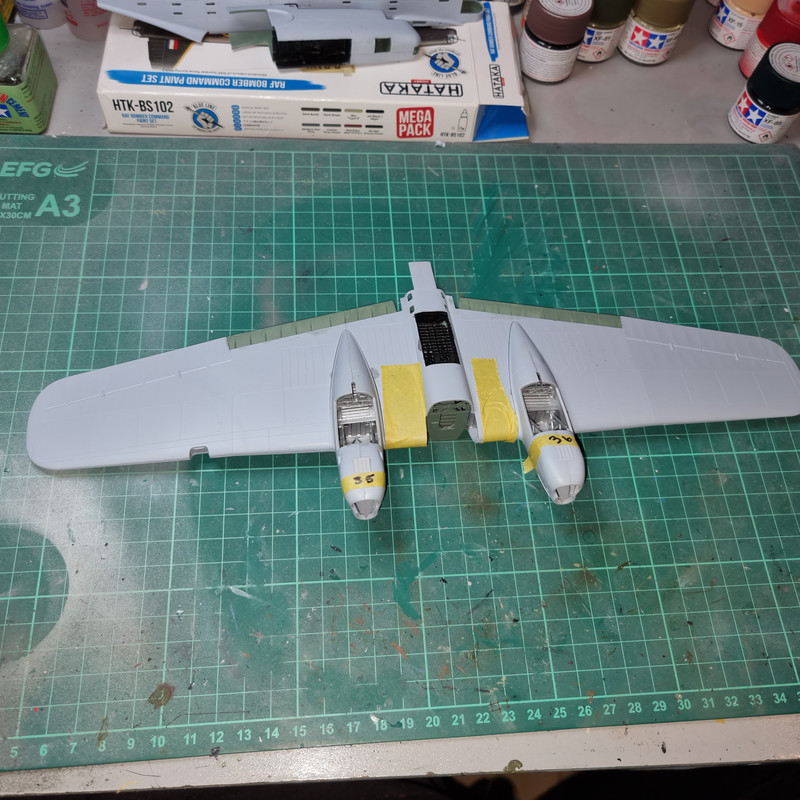
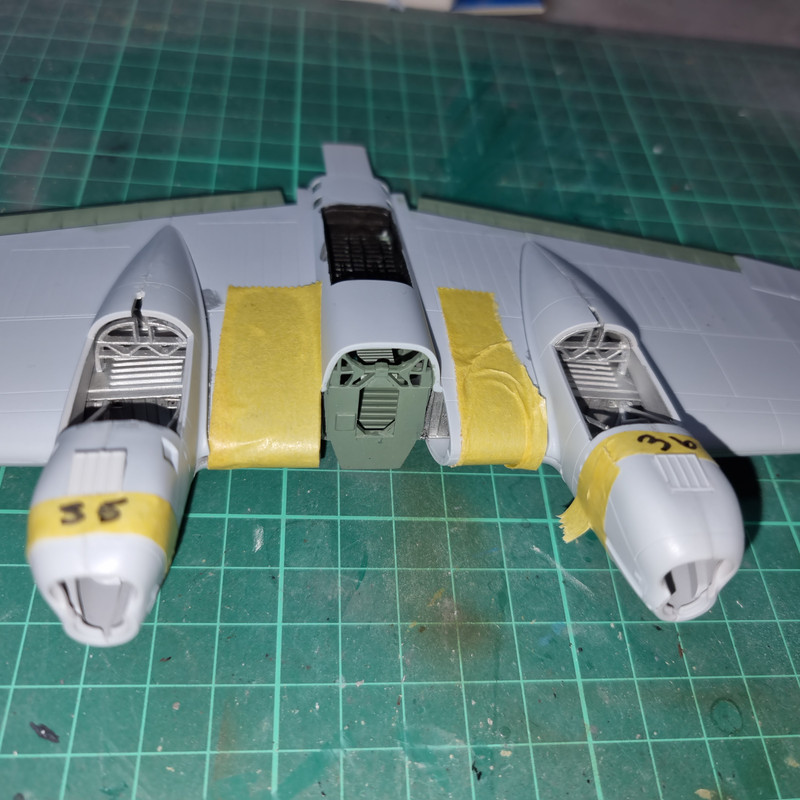
 )
)
















 (not
(not