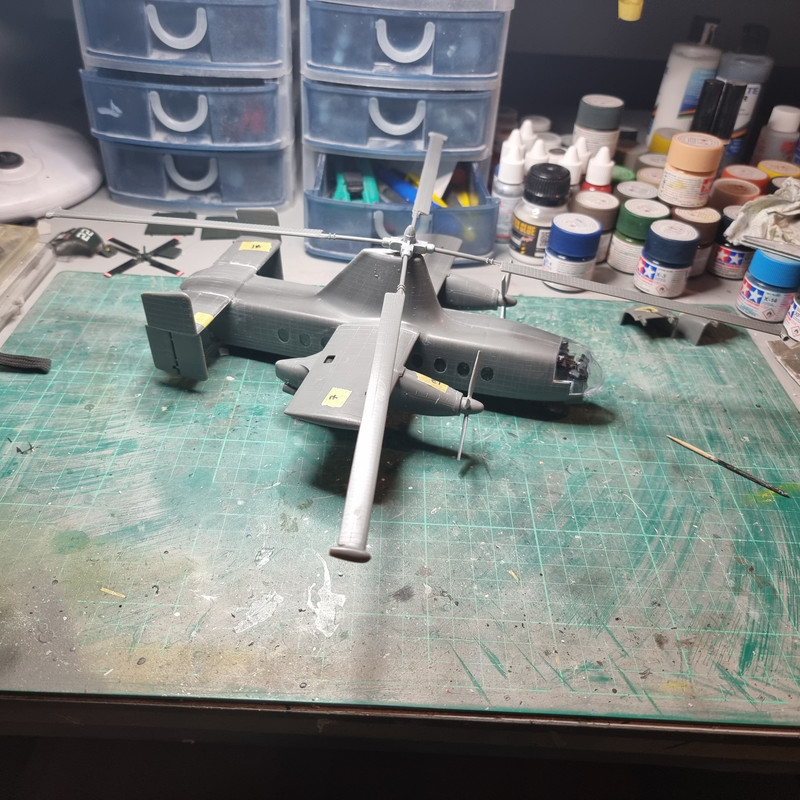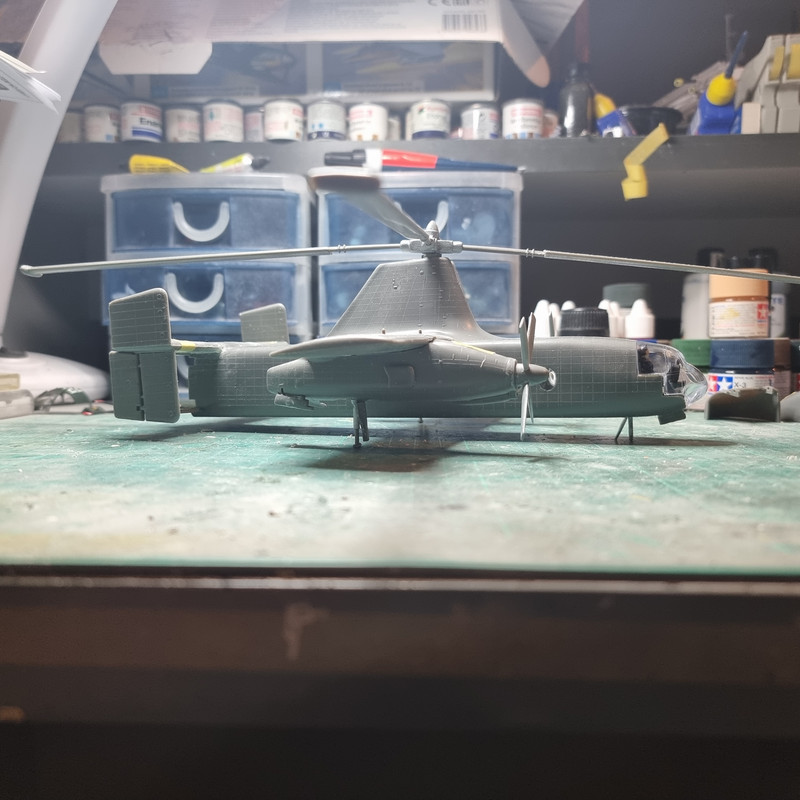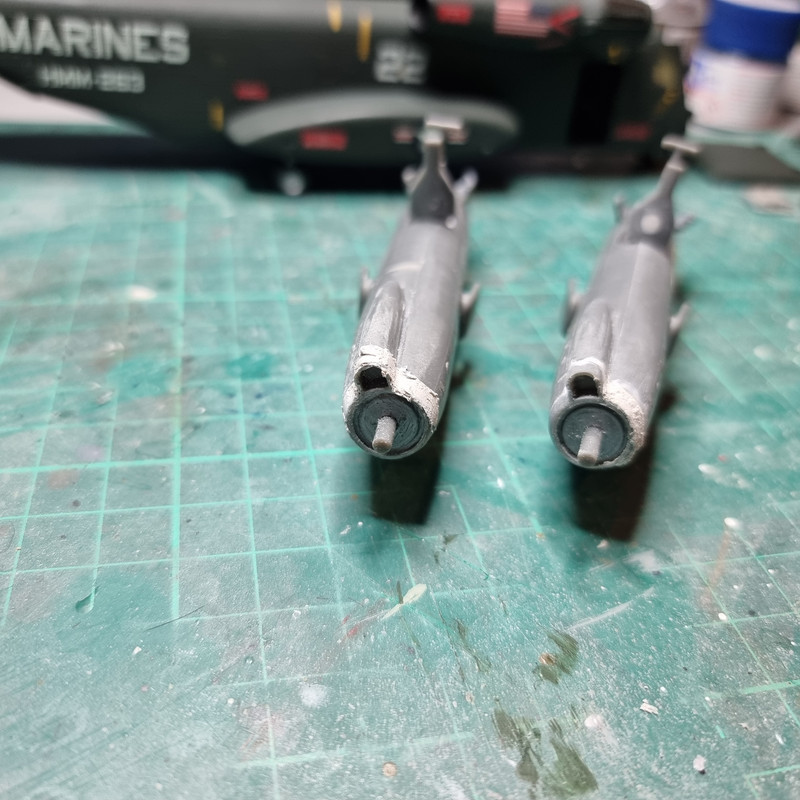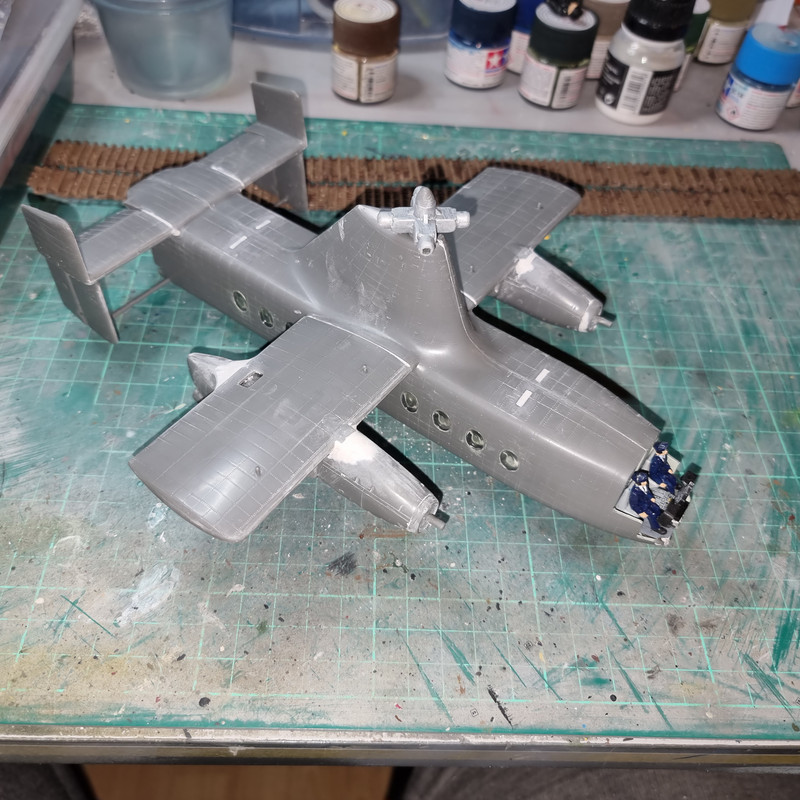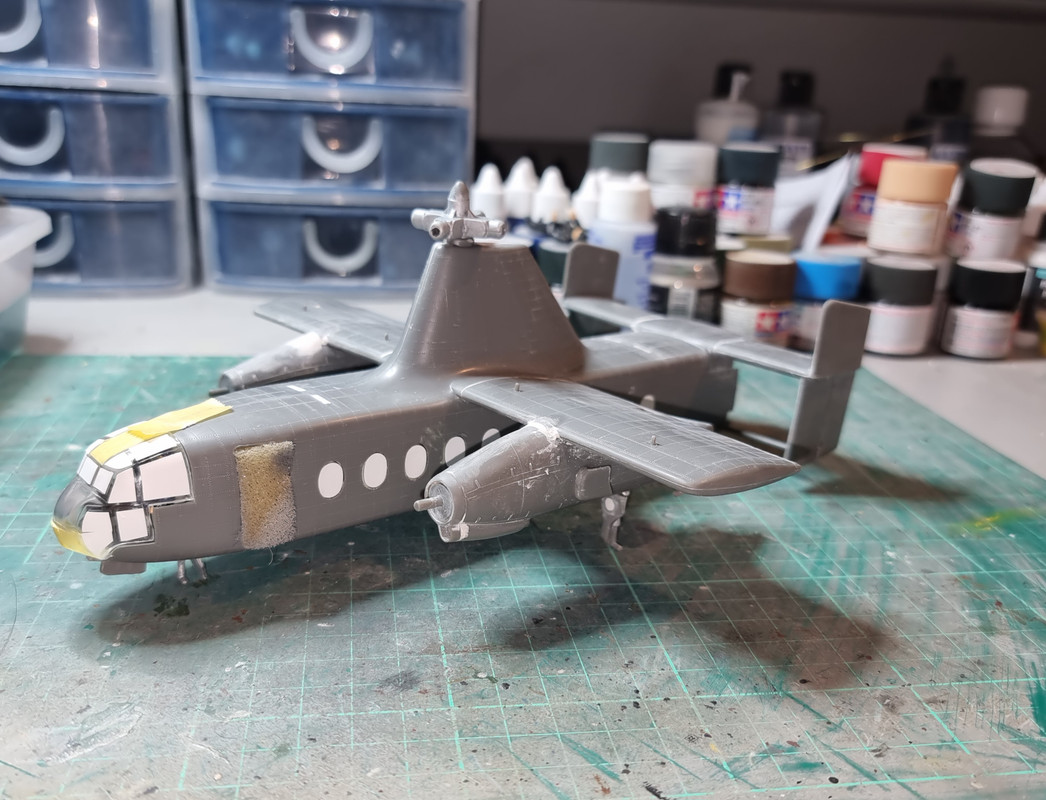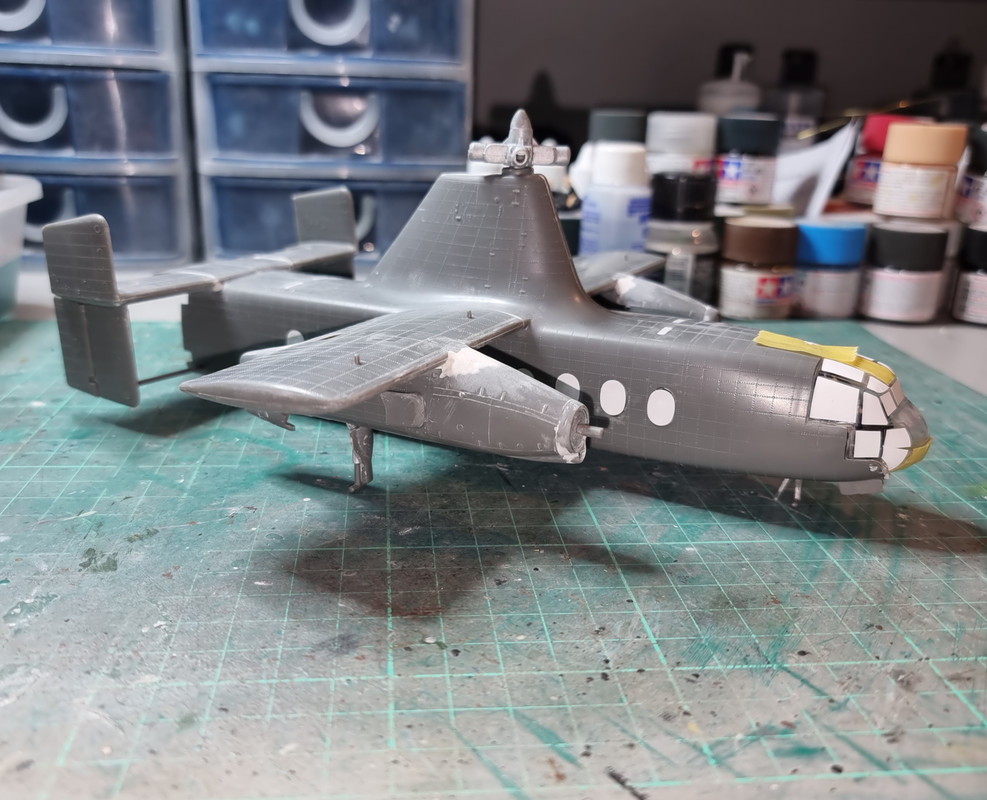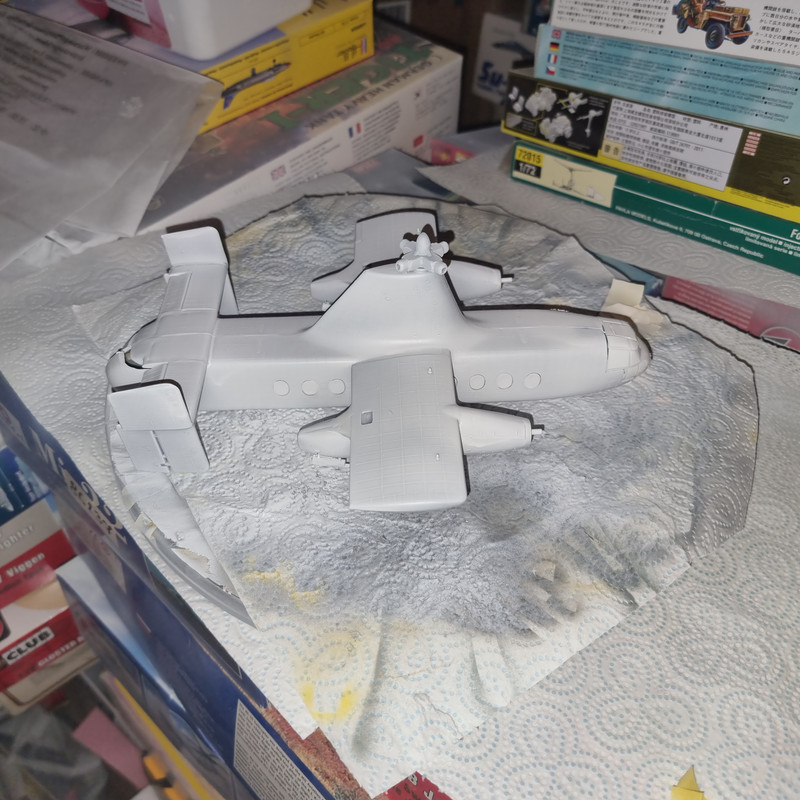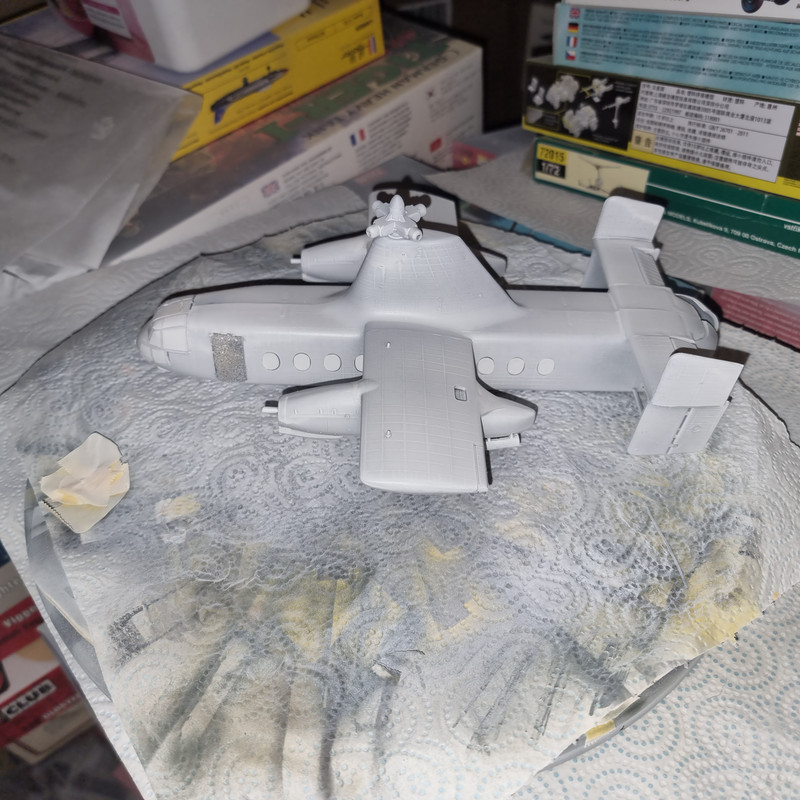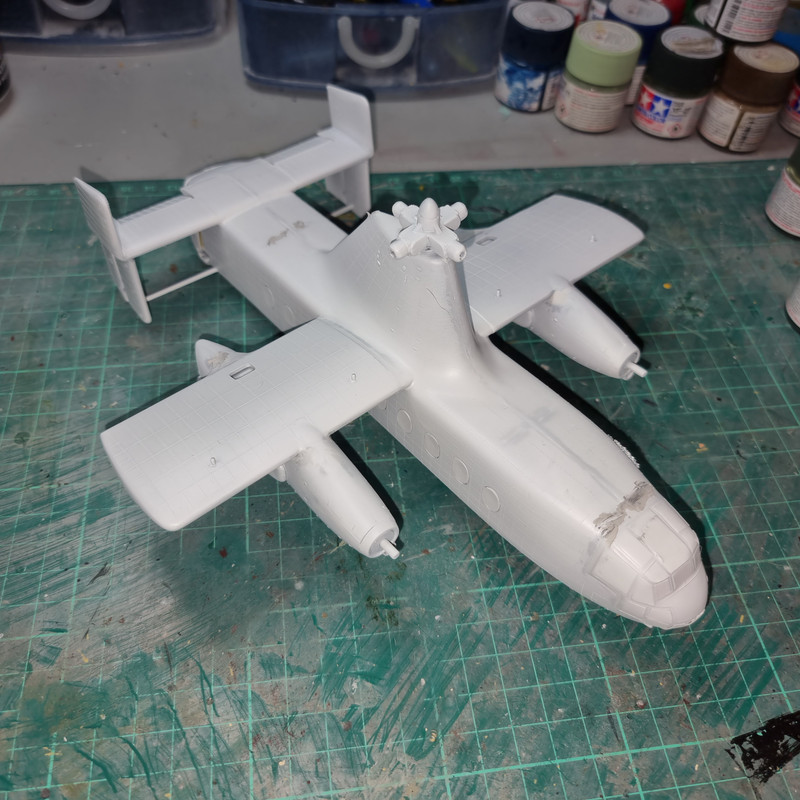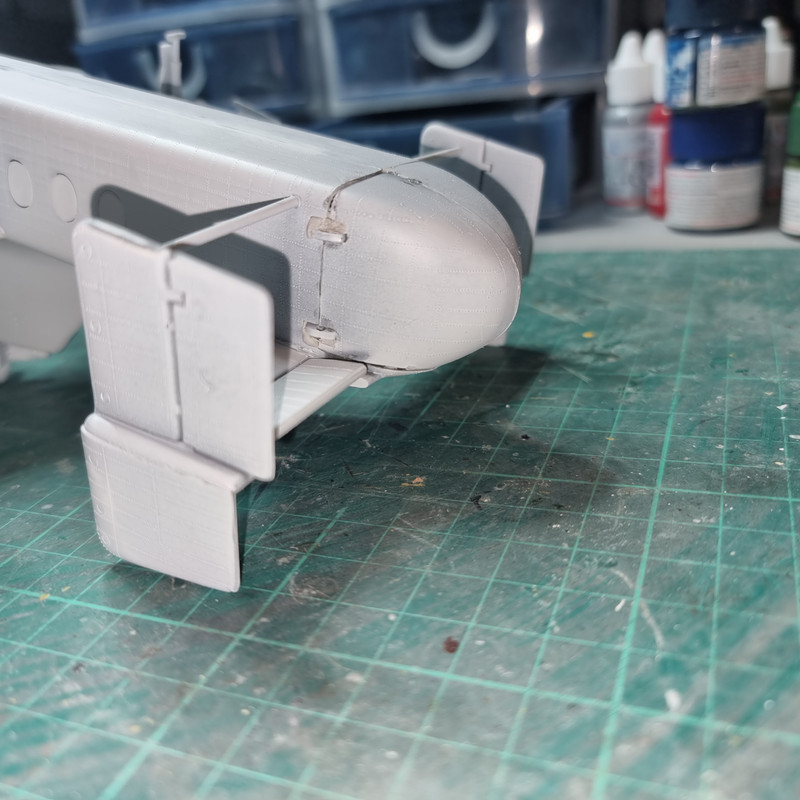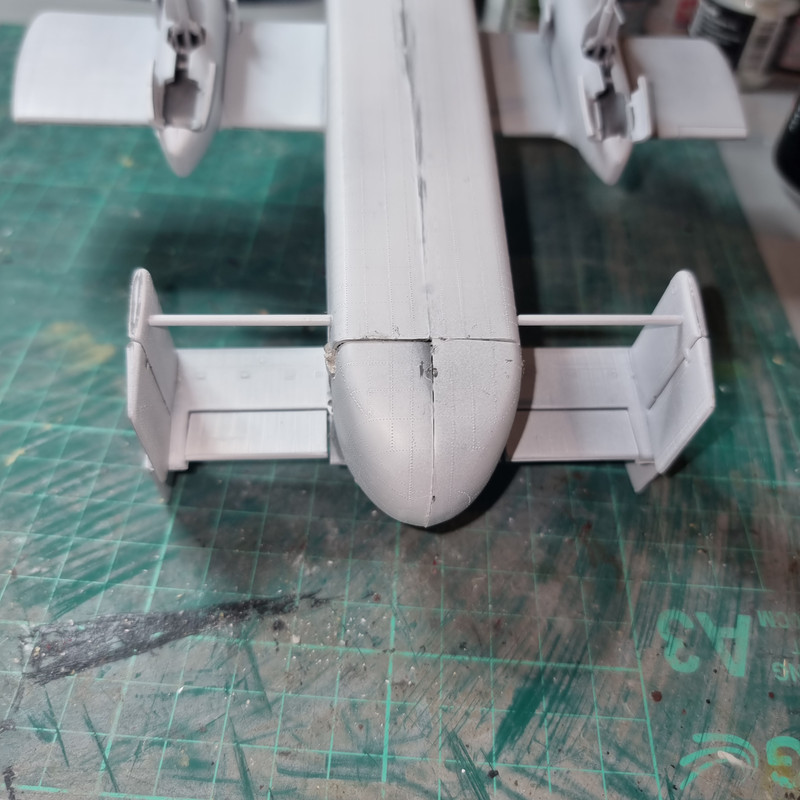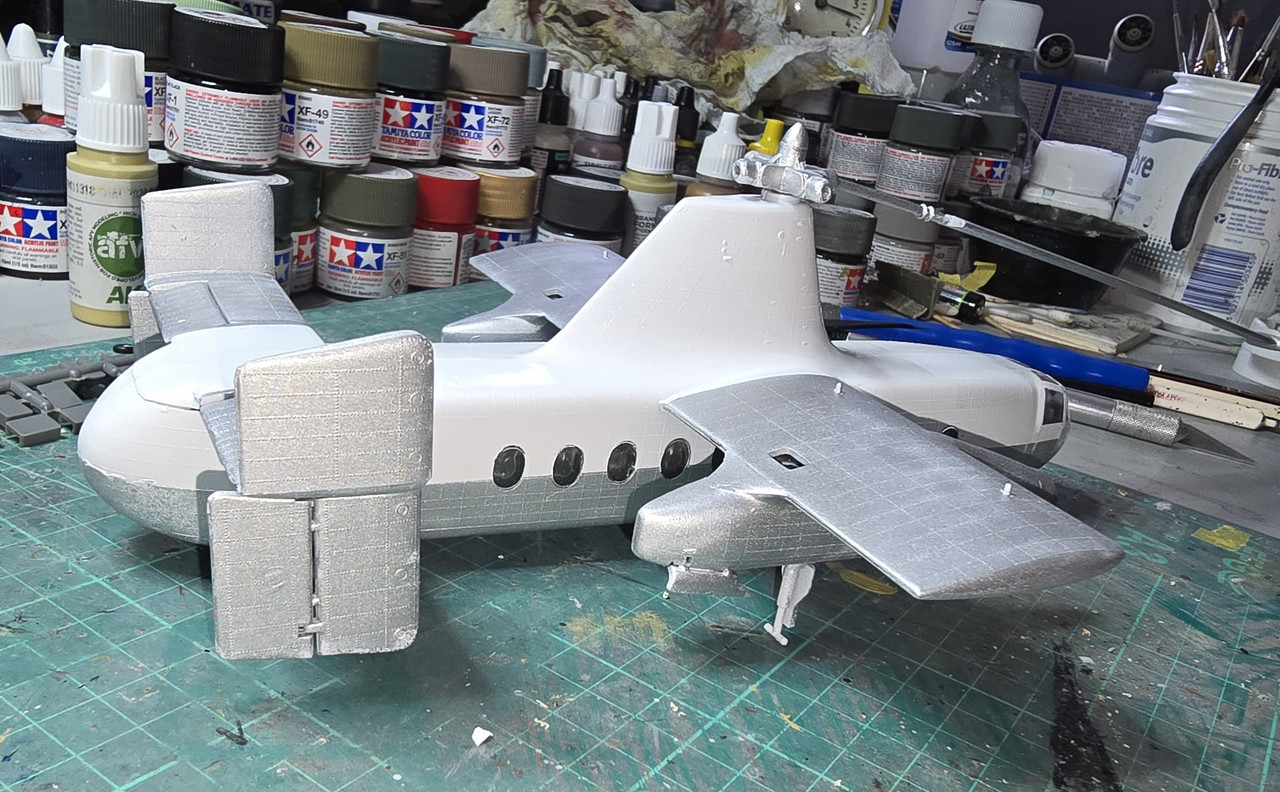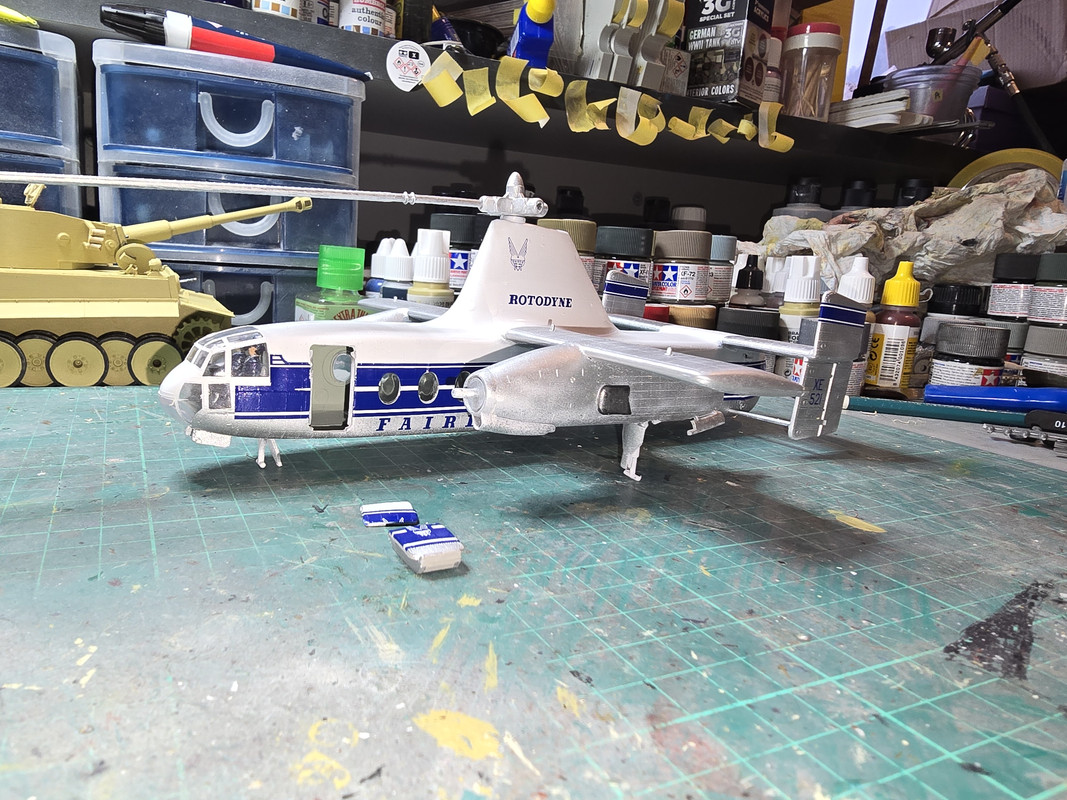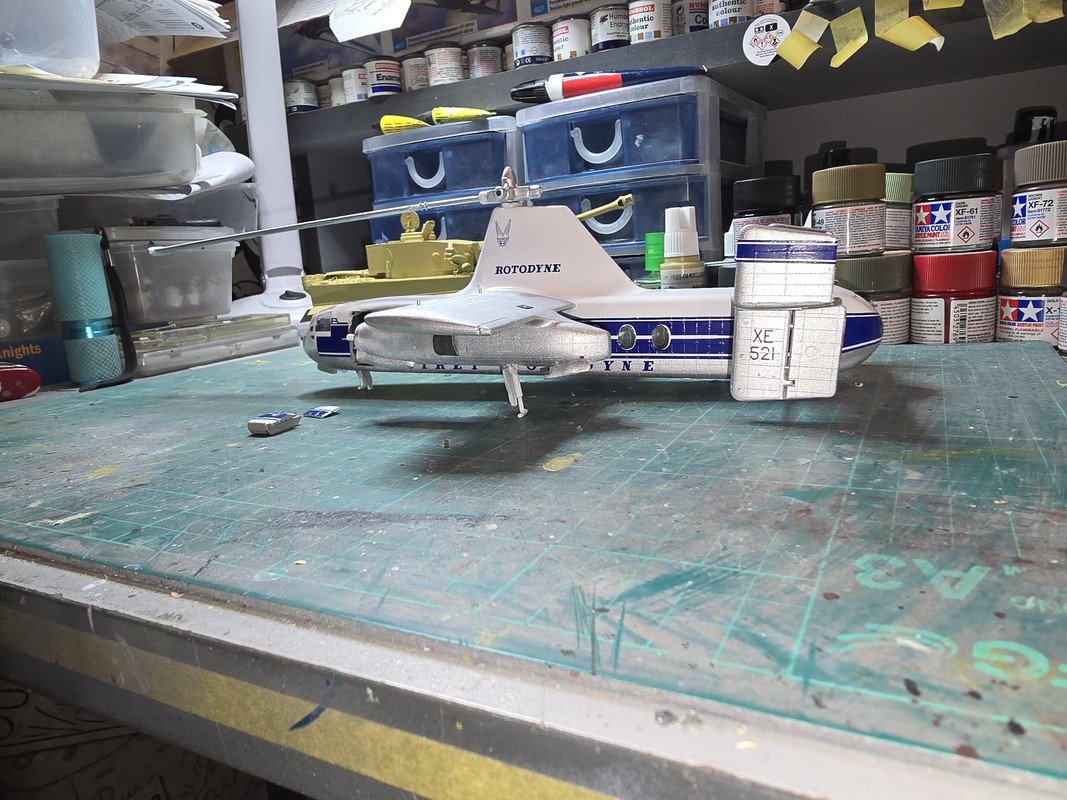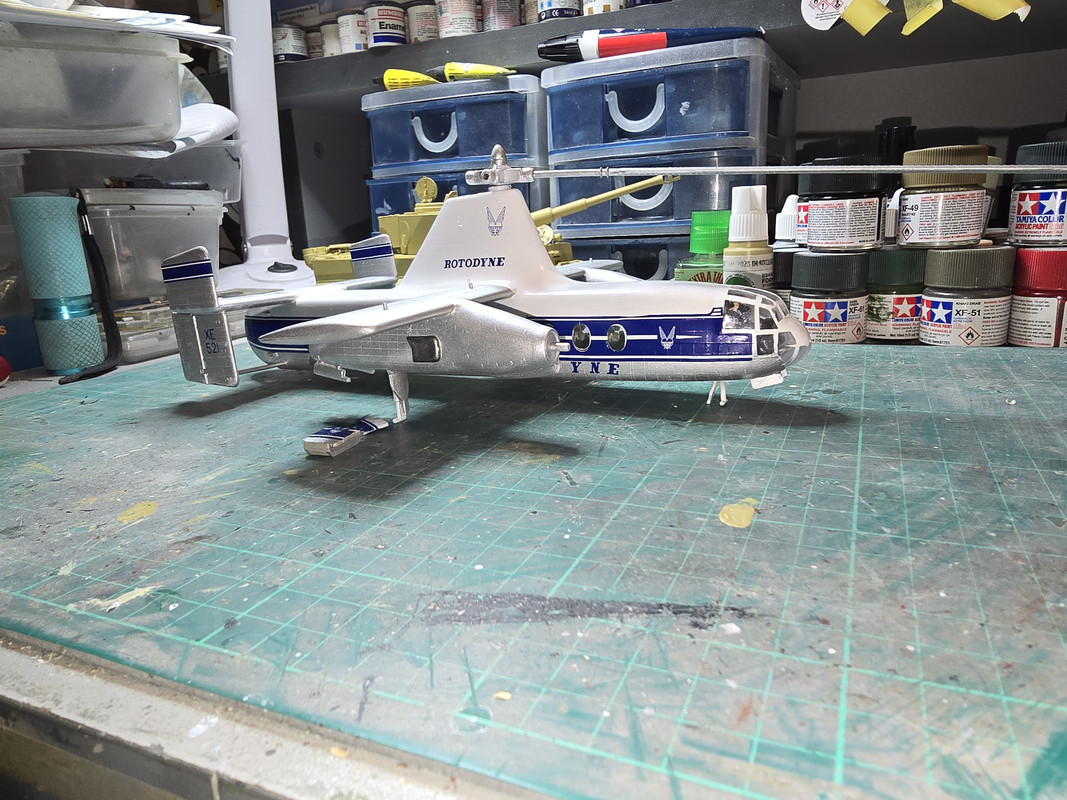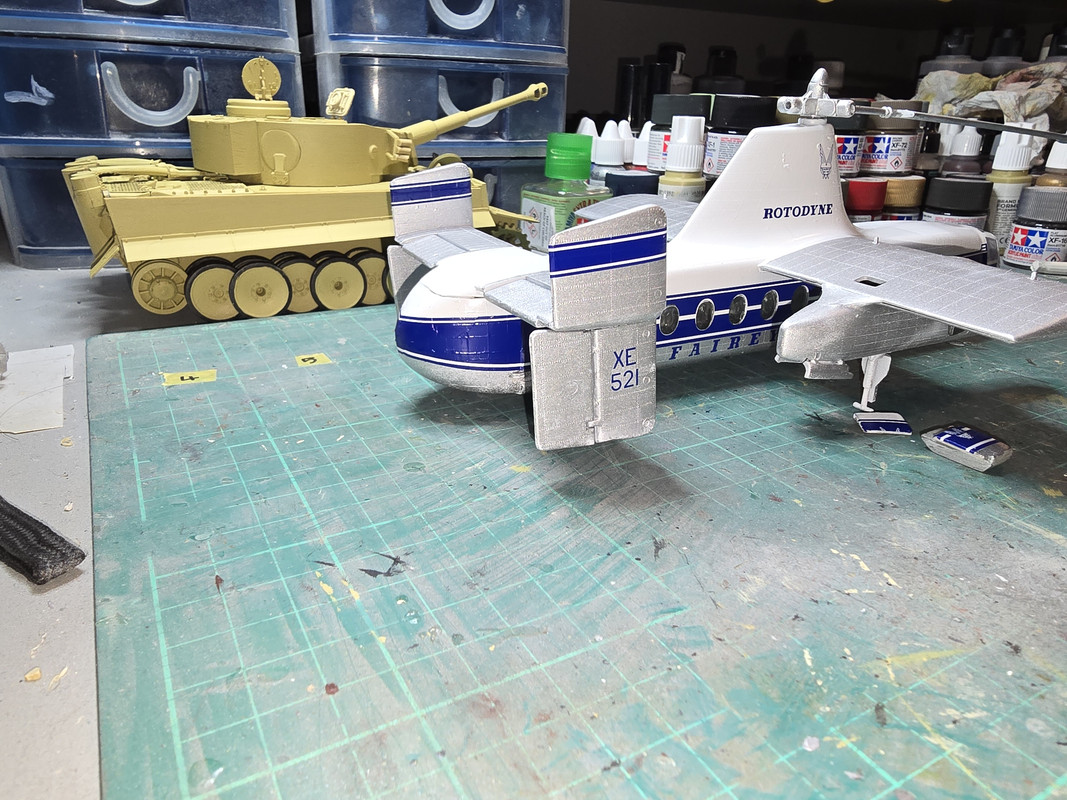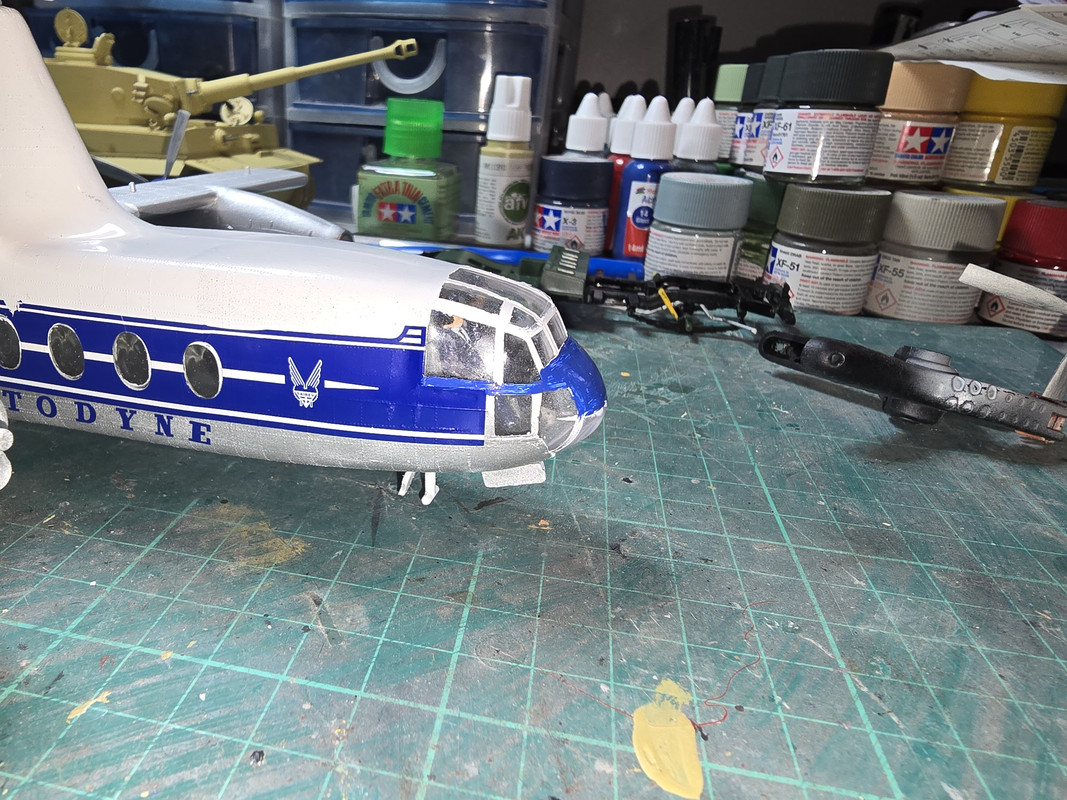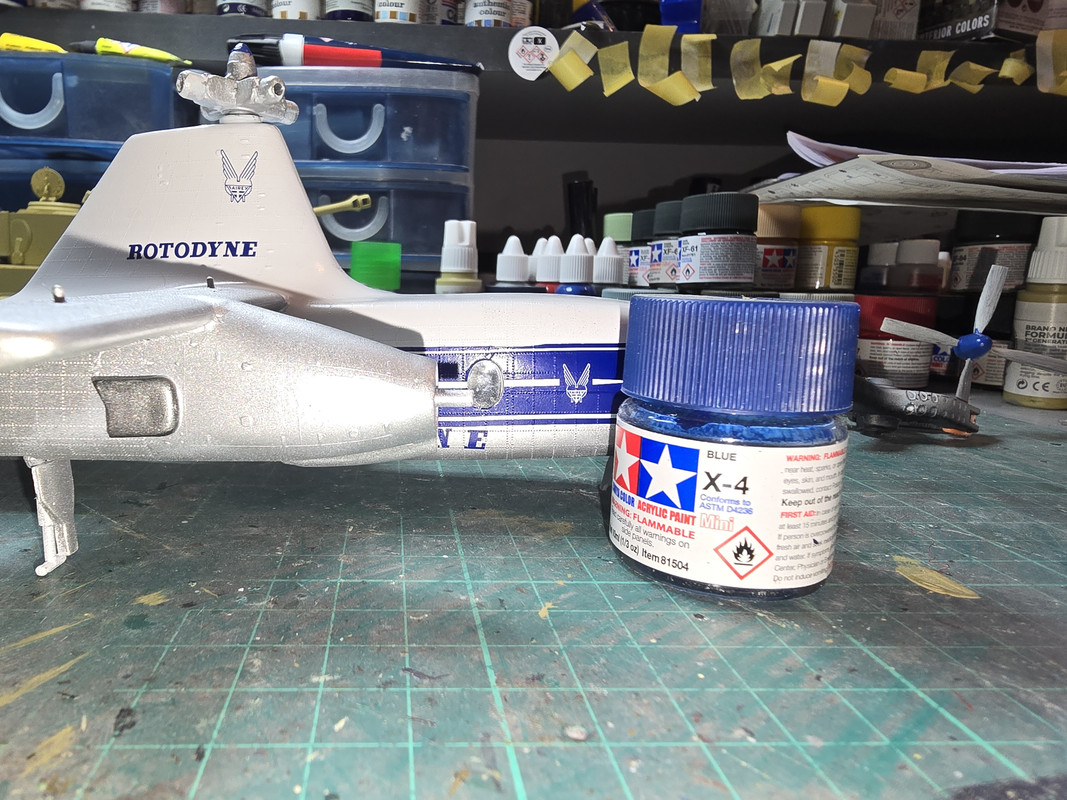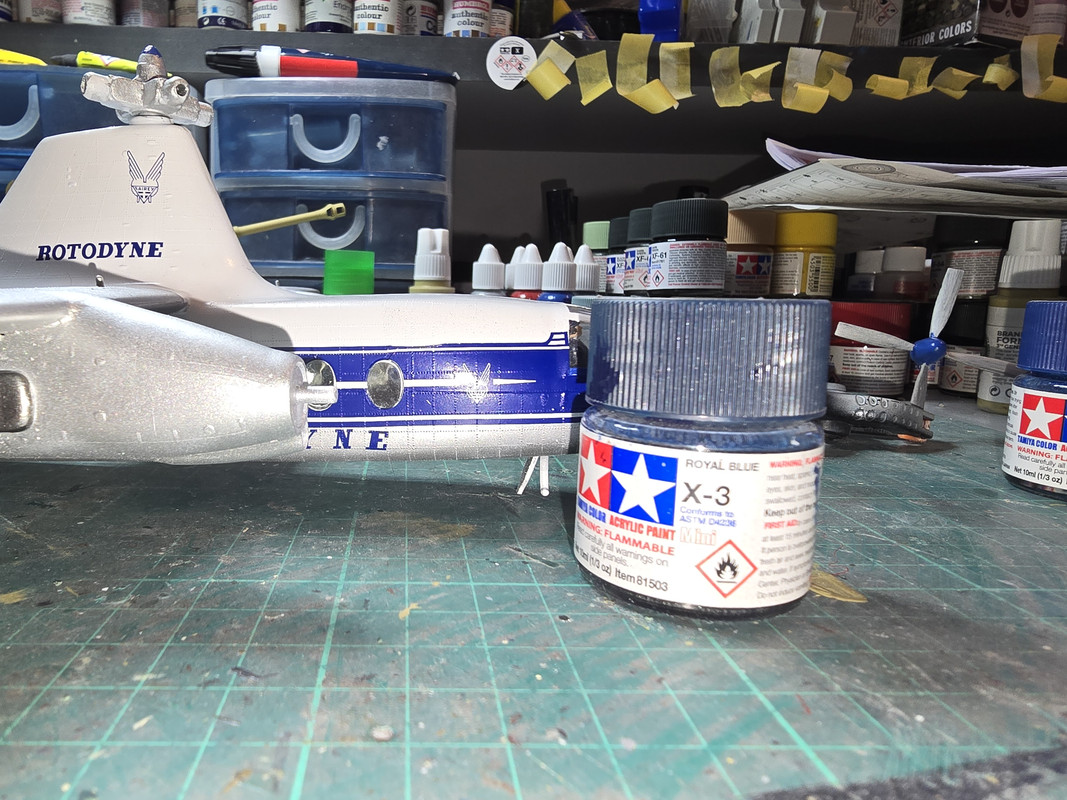


So the type history:
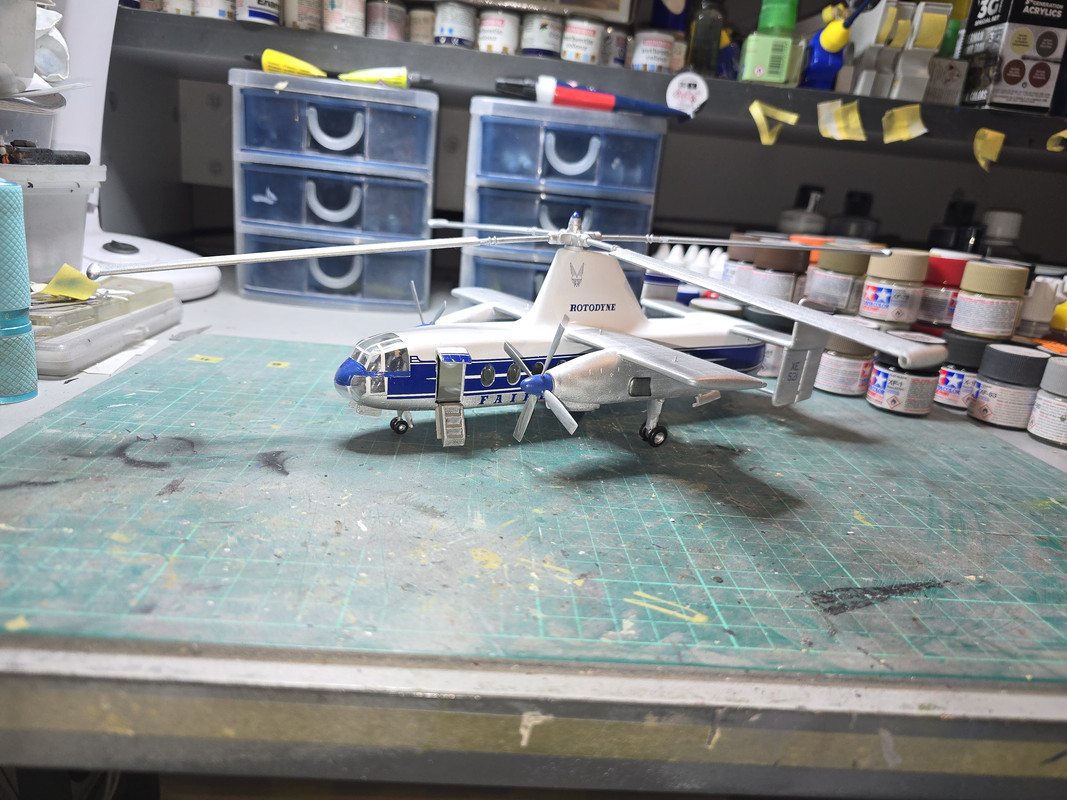
The Fairey Rotodyne was a 1950s British compound gyroplane designed and built by Fairey Aviation and intended for commercial and military uses. A development of the earlier Gyrodyne, which had established a world helicopter speed record, the Rotodyne featured a tip-jet-powered rotor that burned a mixture of fuel and compressed air bled from two wing-mounted Napier Eland turboprops. Fairey wanted to use RollsRoyce Tynes but the Ministry of Supply refused as they had 100% of Tyne production earmarked for export. Had a second prototype been built following the success of the first the type would have reached its predicted performance levels. The rotor was driven for vertical takeoffs, landings and hovering, as well as low-speed translational flight, but autorotated during cruise flight with all engine power applied to two propellers.
Only one prototype was built and first flew in 1957. Although the Rotodyne was promising in concept and successful in trials, the programme was eventually cancelled in 1962. The termination has been attributed to the type failing to attract any commercial orders; this was in part due to concerns over the high levels of rotor tip jet noise generated during take-off and landing despite the Fairey engineers reducing the noise levels to less than a Chinook's . Politics had also played a role in the lack of orders (the project was government funded) which ultimately doomed the project. As with the TSR-2 and, later, the Mk2 Nimrod the Gov't ordered the prototypes, tooling and drawings destroyed.
General characteristics
Crew: two
Capacity: 40-48 passengers
Length: 58 ft 8 in (17.88 m) of fuselage
Wingspan: 46 ft 6 in (14.17 m) fixed wings
Height: 22 ft 2 in (6.76 m) to top of rotor pylon
Wing area: 475 sq ft (44.1 m2) [47]
Airfoil: NACA 23015[48]
Empty weight: 22,000 lb (9,979 kg)
Gross weight: 33,000 lb (14,969 kg)
Fuel capacity: 7,500 lb (3,402 kg)
Powerplant: 2 × Napier Eland N.El.7 turboprops, 2,800 shp (2,100 kW) each [49]
Powerplant: 4 × rotor tip jet , 1,000 lbf (4.4 kN) thrust each [50]
Main rotor diameter: 90 ft 0 in (27.43 m)
Main rotor area: 6,362 sq ft (591.0 m2) Rotor aerofoil: NACA 0015
Blade tip speed: 720 ft/s (219 m/s)
Disc loading: 6.14 lb/ft2 (30 kg/m2)
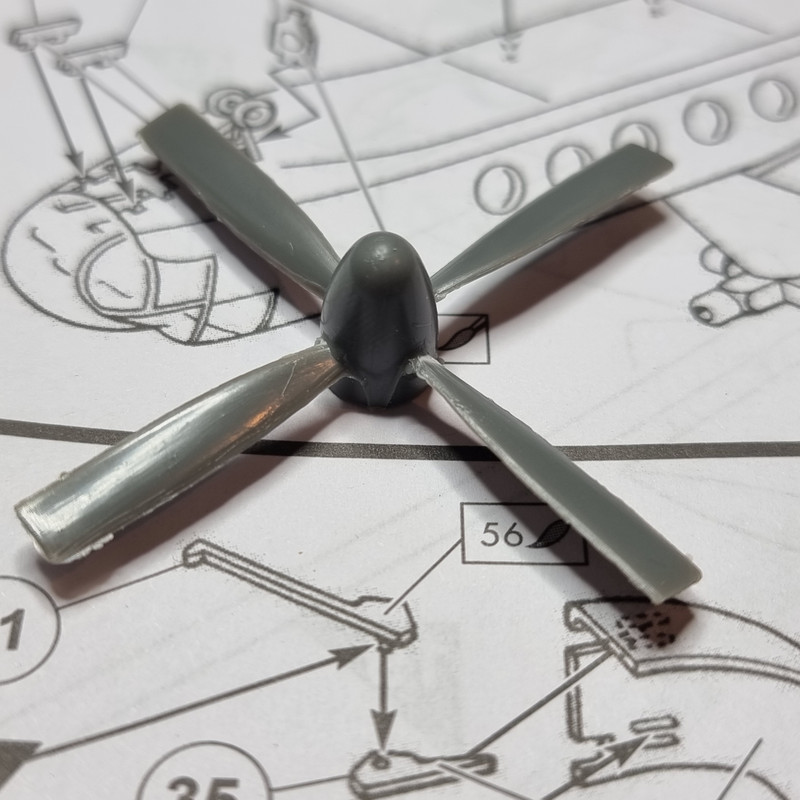
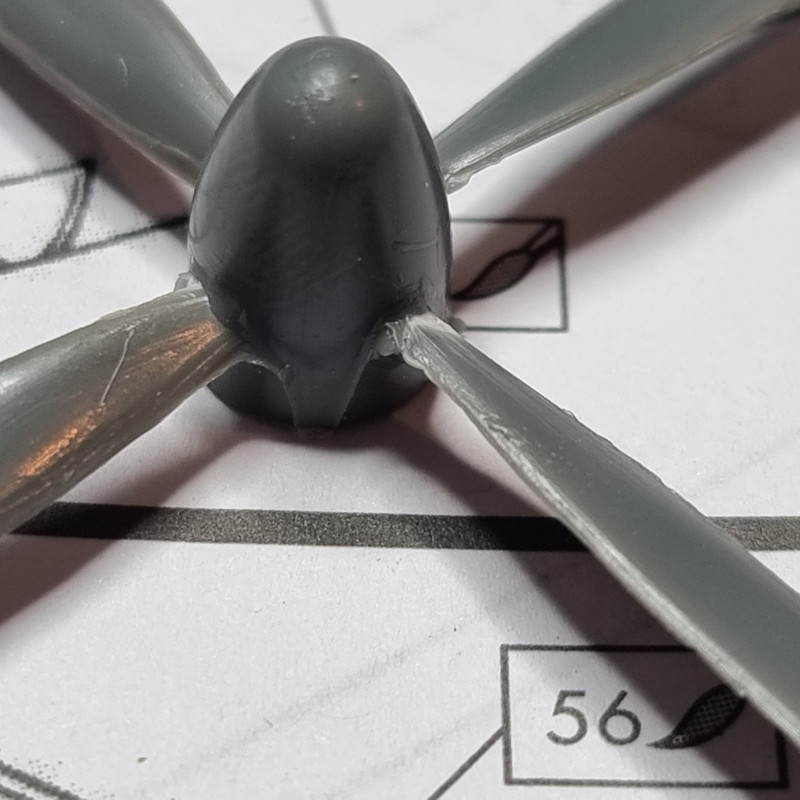
Propellers: 4-bladed, 13 ft (4.0 m) diameter Rotol propellers
Maximum speed: 190.9 mph (307.2 km/h, 165.9 kn) speed record [51]
Cruise speed: 185 mph (298 km/h, 161 kn)
Range: 450 mi (720 km, 390 nmi)
Service ceiling: 13,000 ft (4,000 m)
The kit
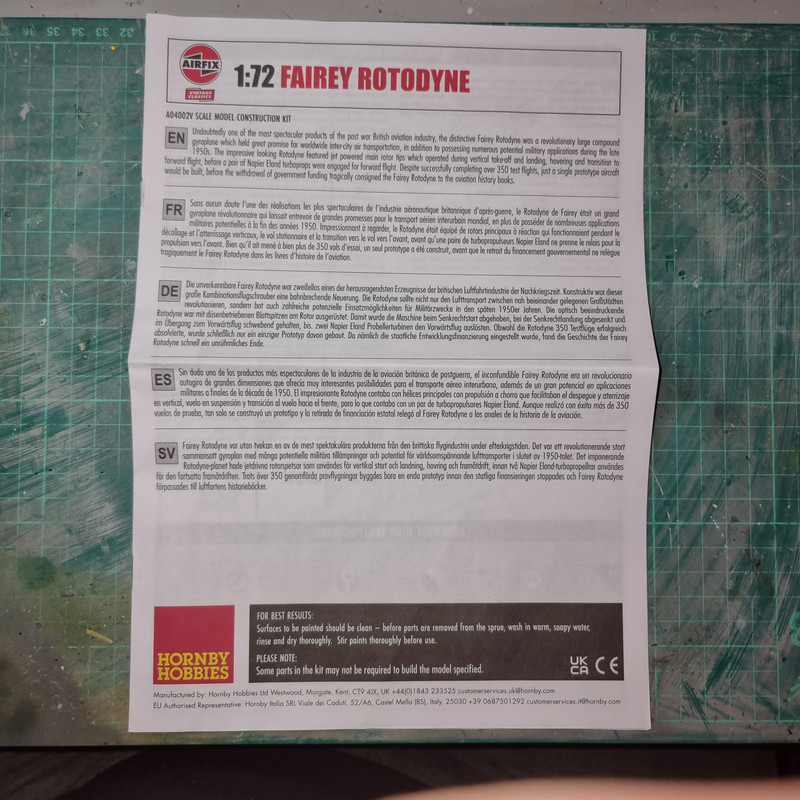
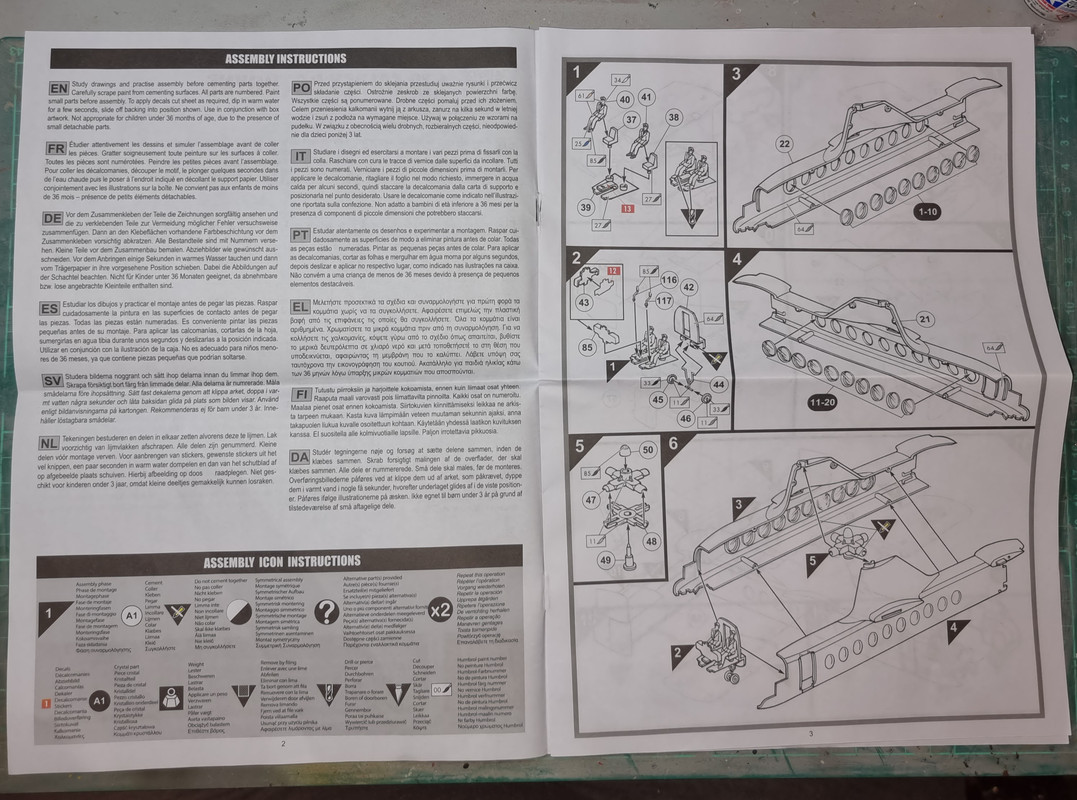
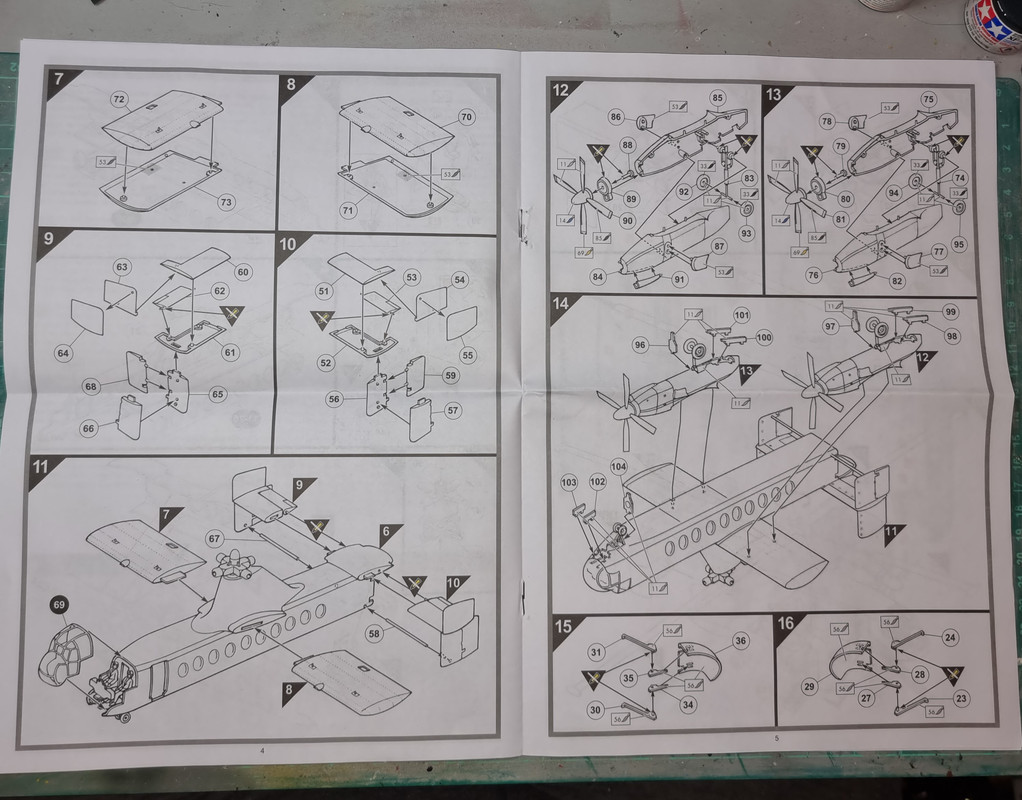
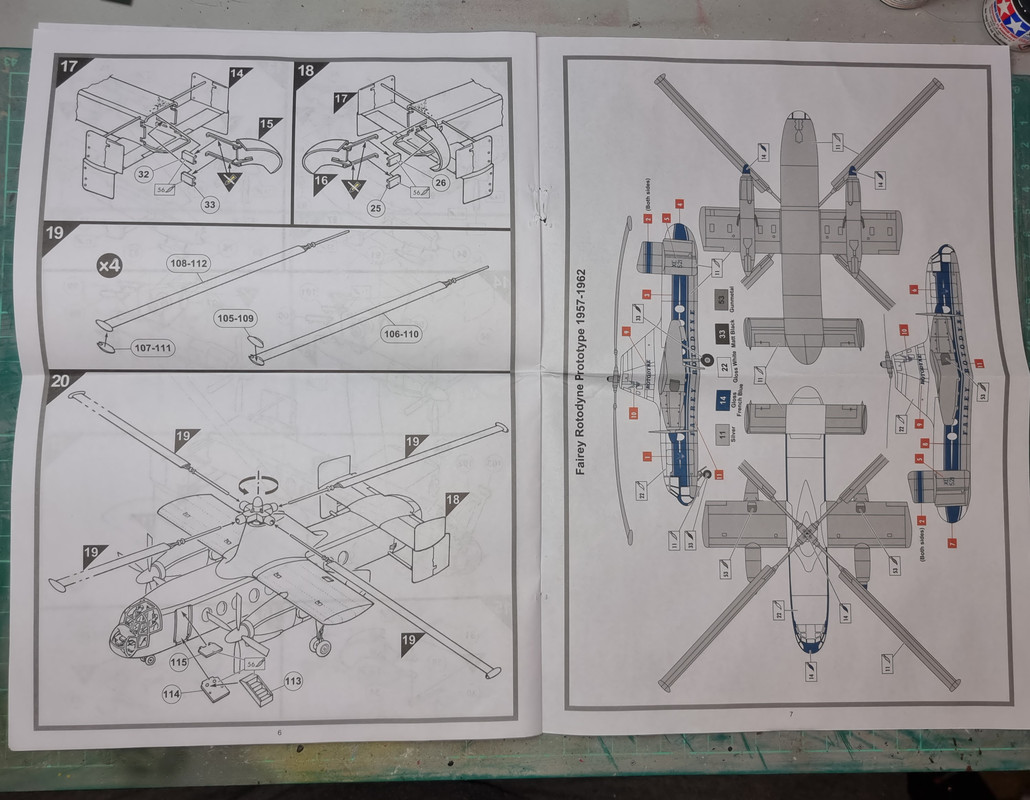
Instructions
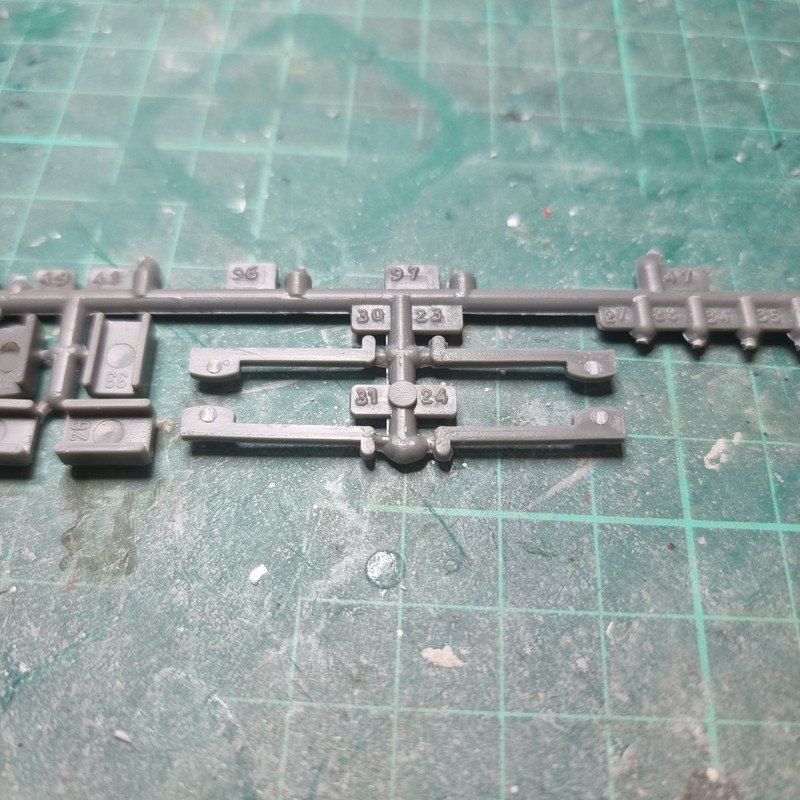
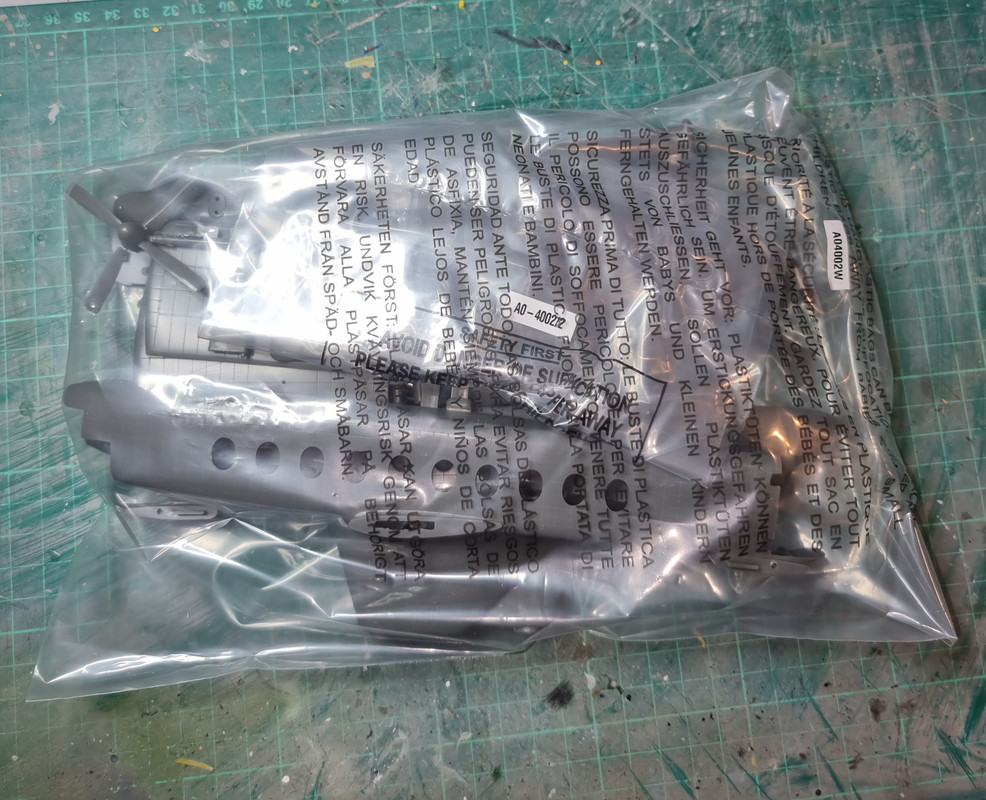
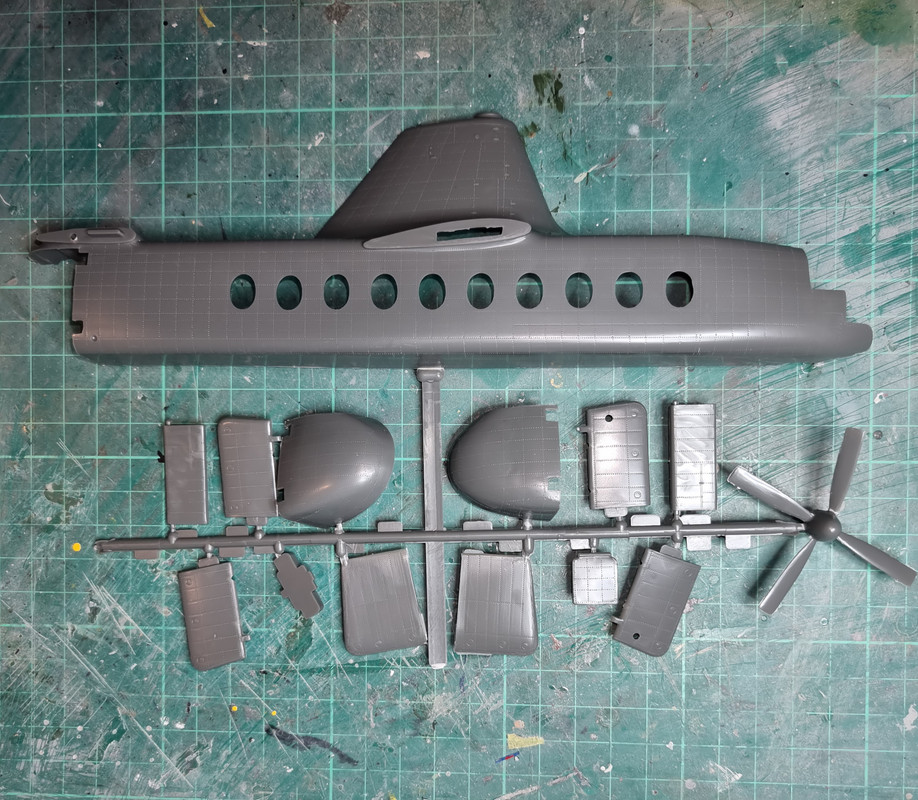
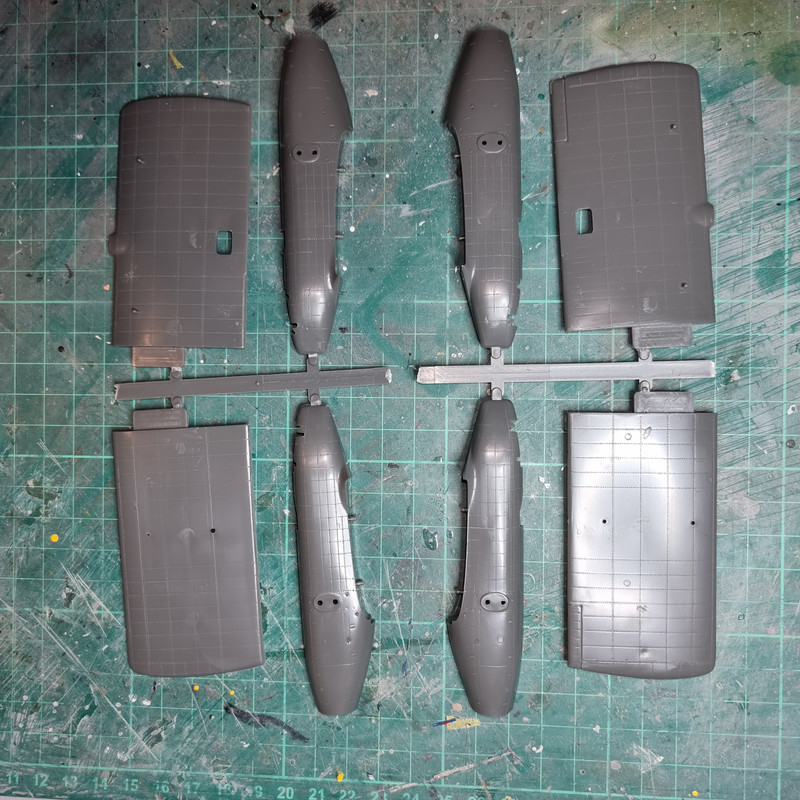
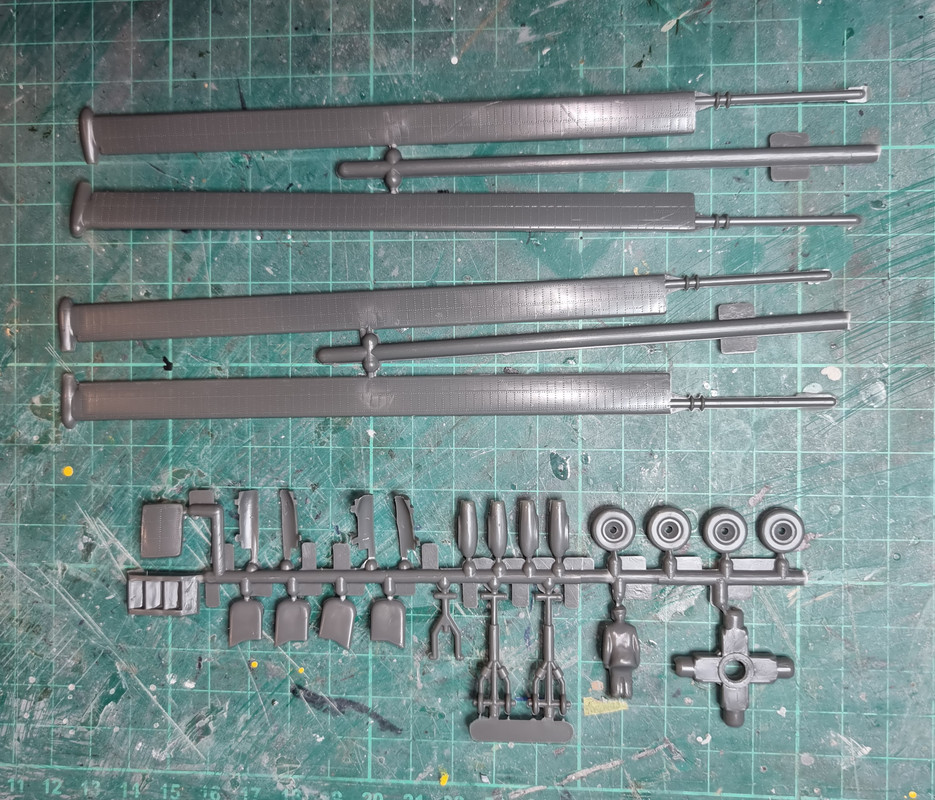
The Sprues
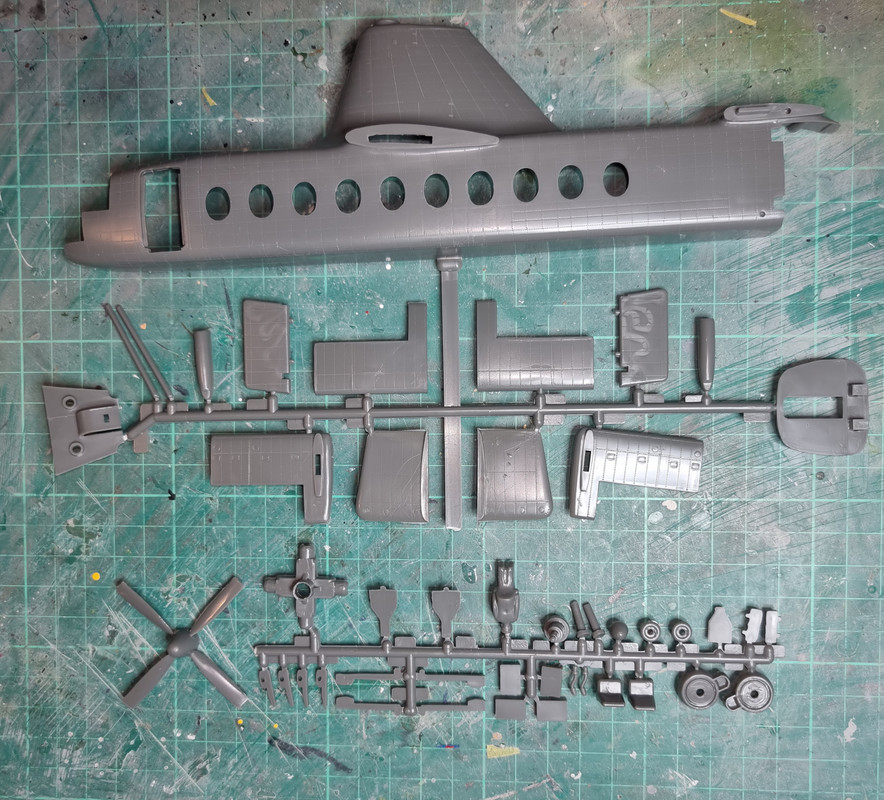
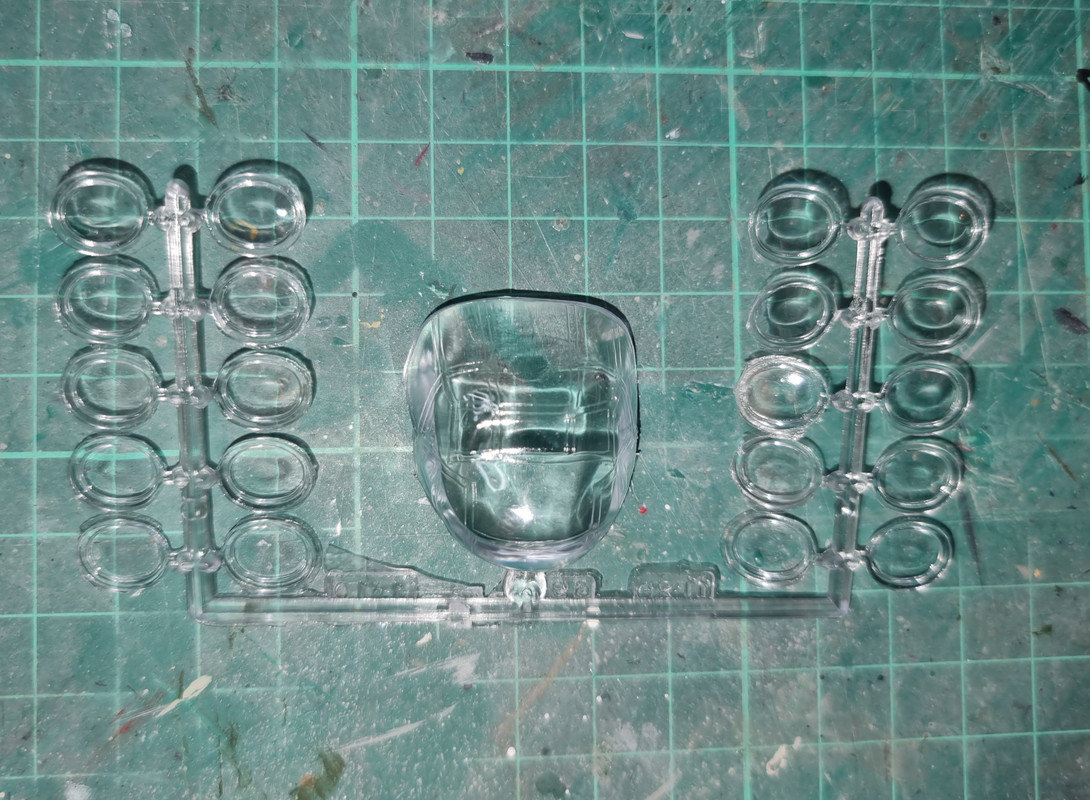
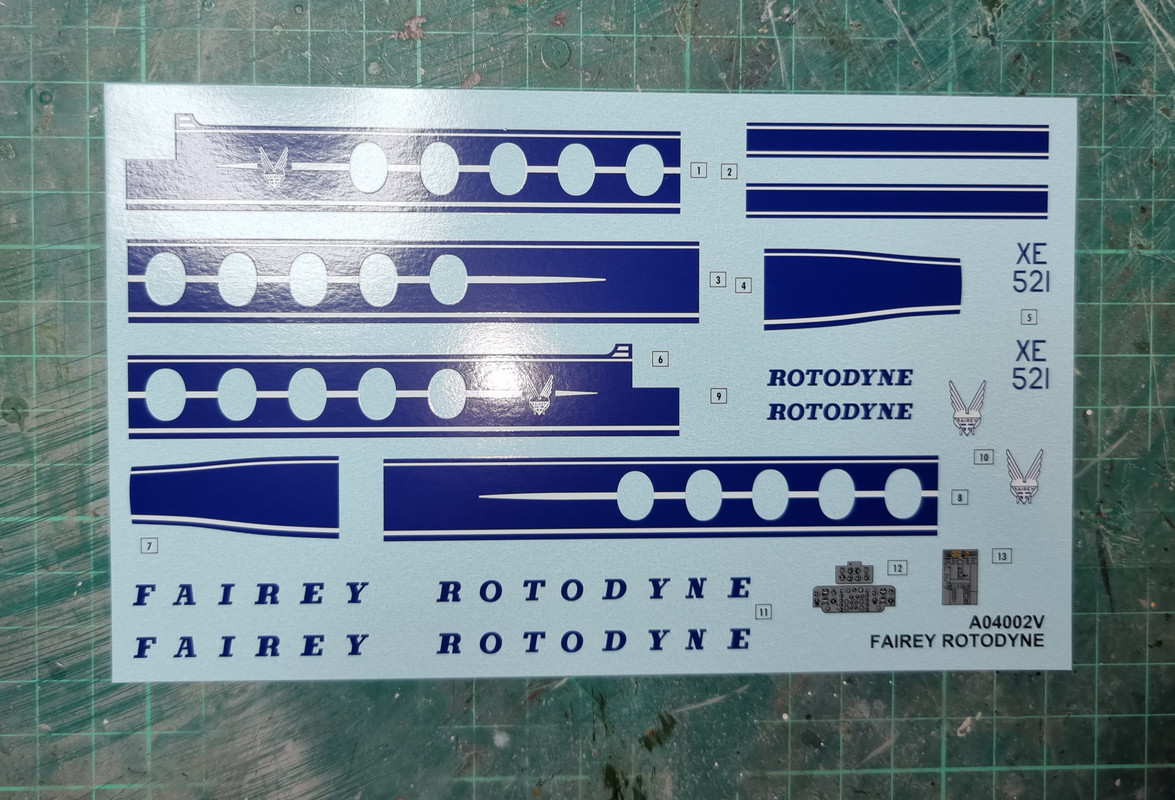
Decals
First impressions
For a kit who's moulds date back to the 1950's the parts are remarkably free from flash and visible ejector marks. Thats not to say that there isn't any flash, just that its relatively minor and easily cleaned off. Part fit fit looks to be very good given the age. The decals looked & felt at first to be the old, thick ones but during the initial build phase proved to be accurate in forn and thin enough to easily conform but not so thin as to tear easily. There is no makers name on the decal sheet, just the Airfix info.
The build
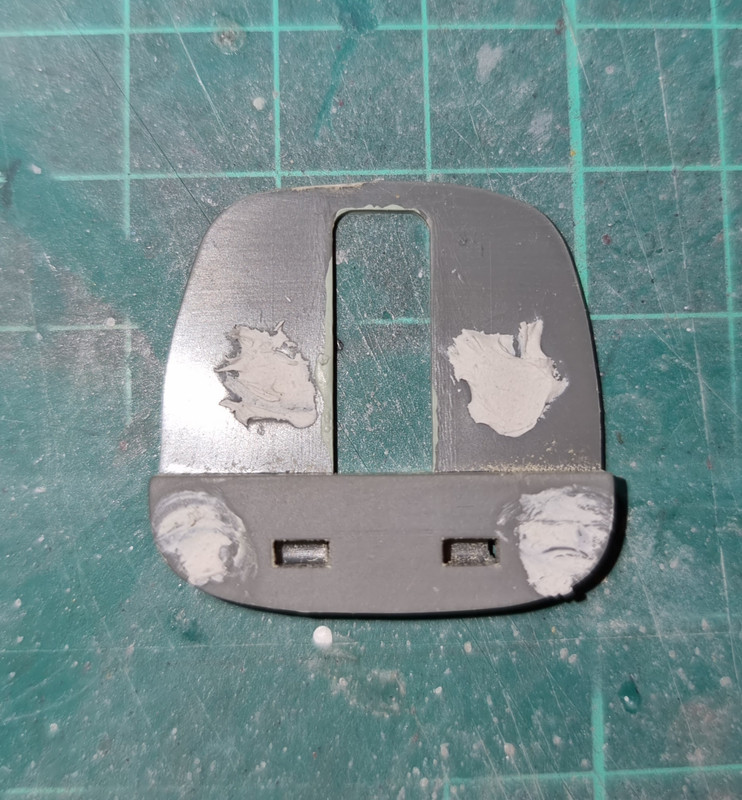
Steps one and two on the instructions deal with the cockpit construction. As can be imagined from a late 1950's kit the detail is basic to put it mildly. The cockpit bulkhead had the only visible ejector marks on the kit:
Interestingly the instructions call for the builder to drill the holes in the floor for the control colums afrer positioning the crew figures. I didn't remember having to do this as a kid and pulled the 1996 release from the stash to check. It has the same requirement - shows how the memory plays tricks on you.

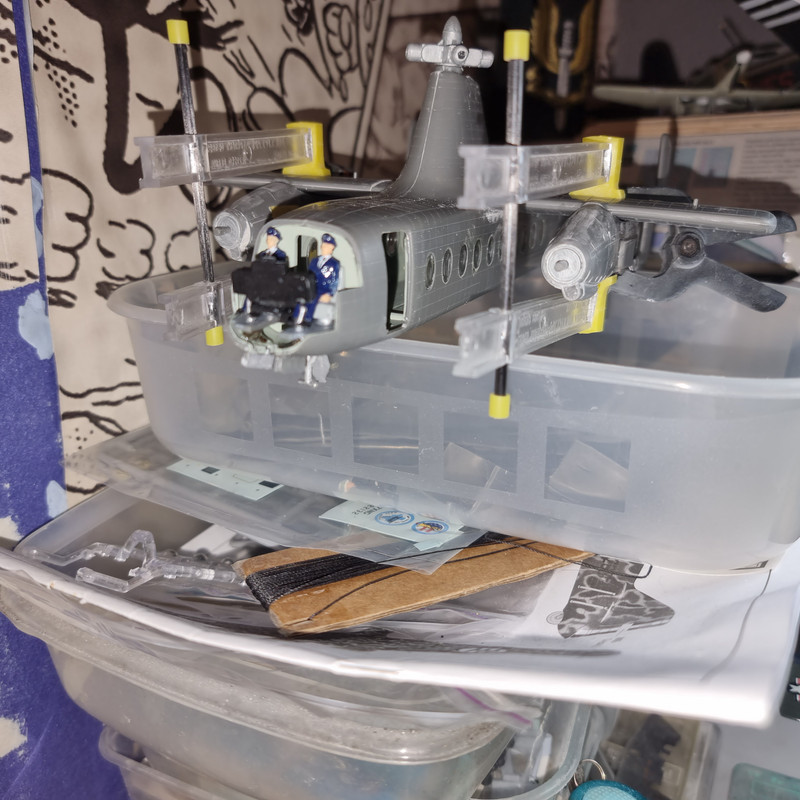
Once complete and installed temporarily in the fuselage it doesn't look too bad.
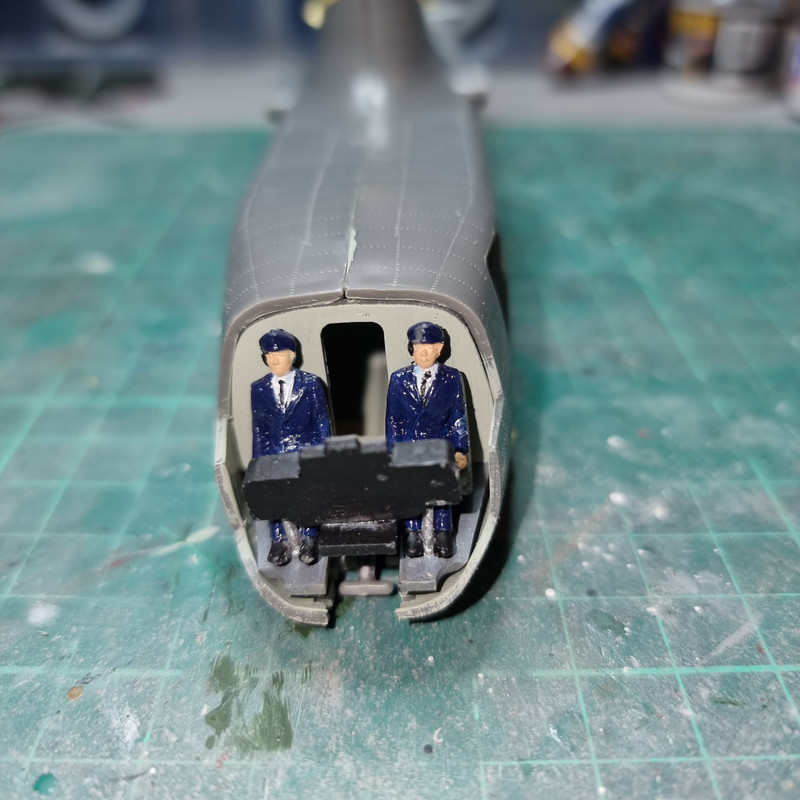
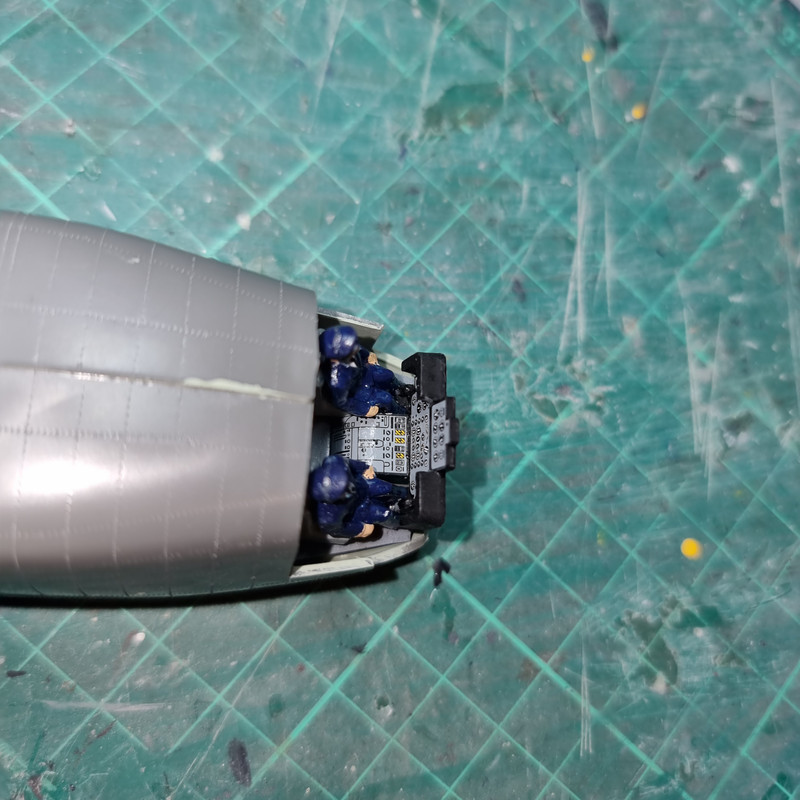
I did think about further detailing then remembered - no tail rotor means no collective and that was realyl all that could have been added.
Next step is the rotor head and here can be seen the levels of flash referred to.
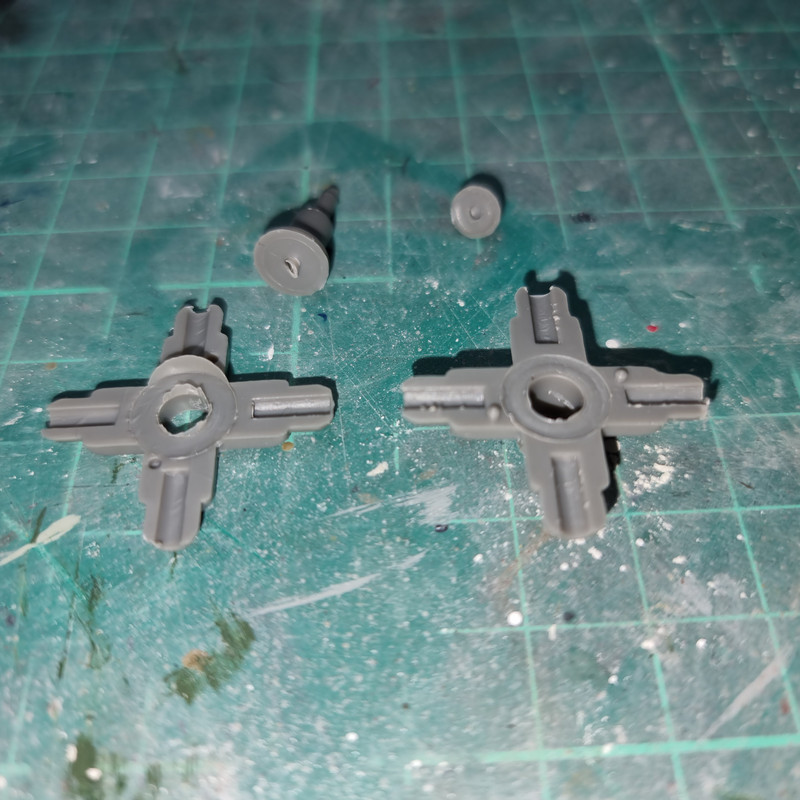
Once assembled it looks like this:
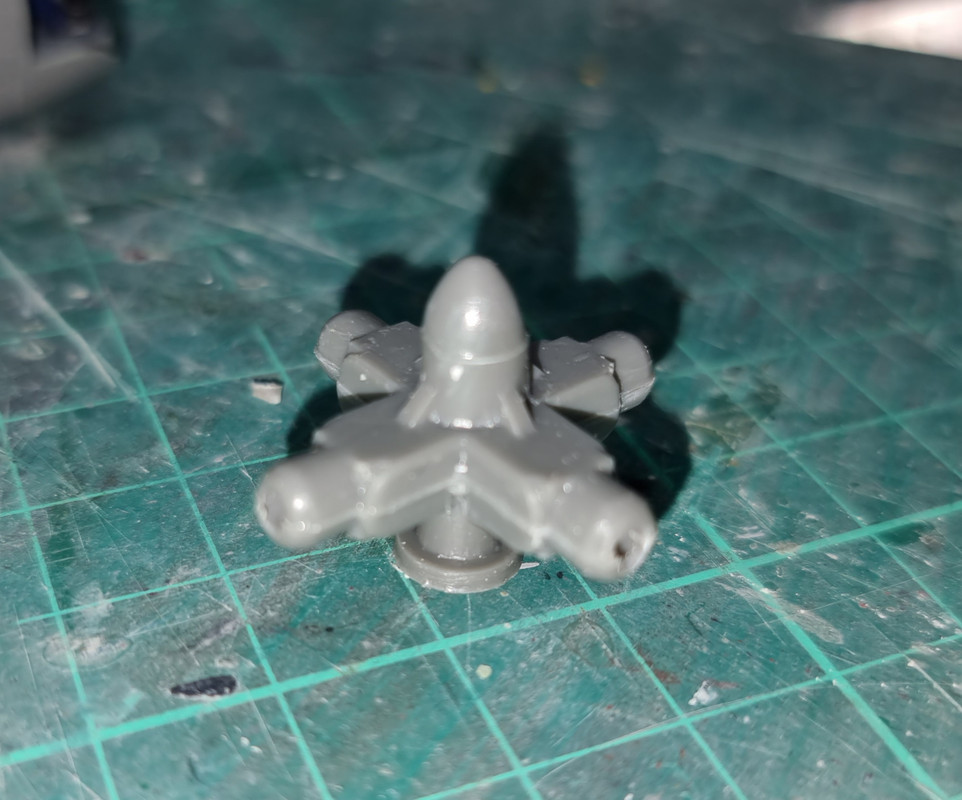
Again minor flashing around the edging is visible and in need of clean up once set.
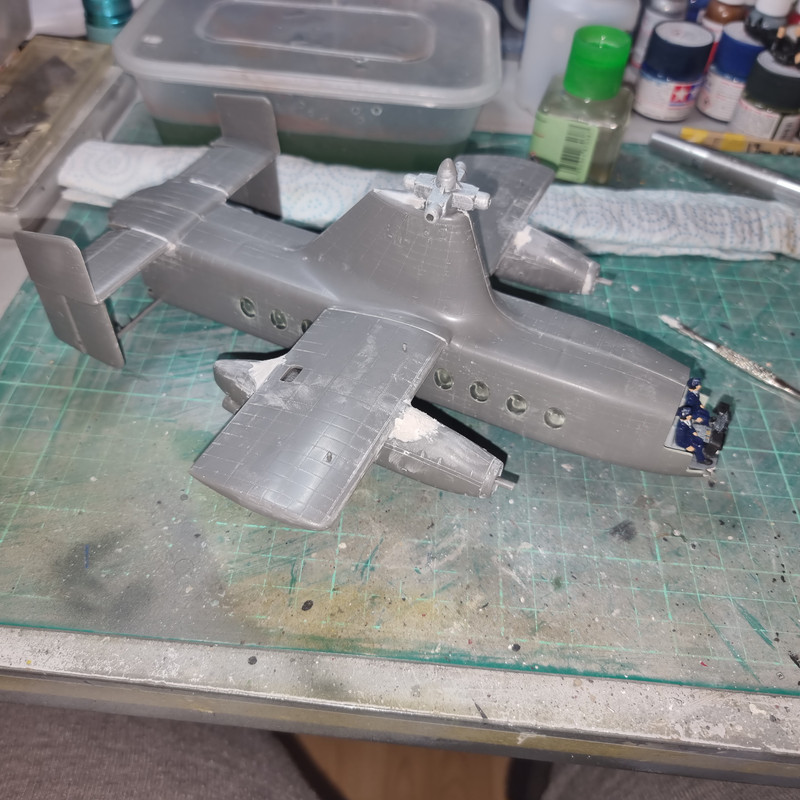
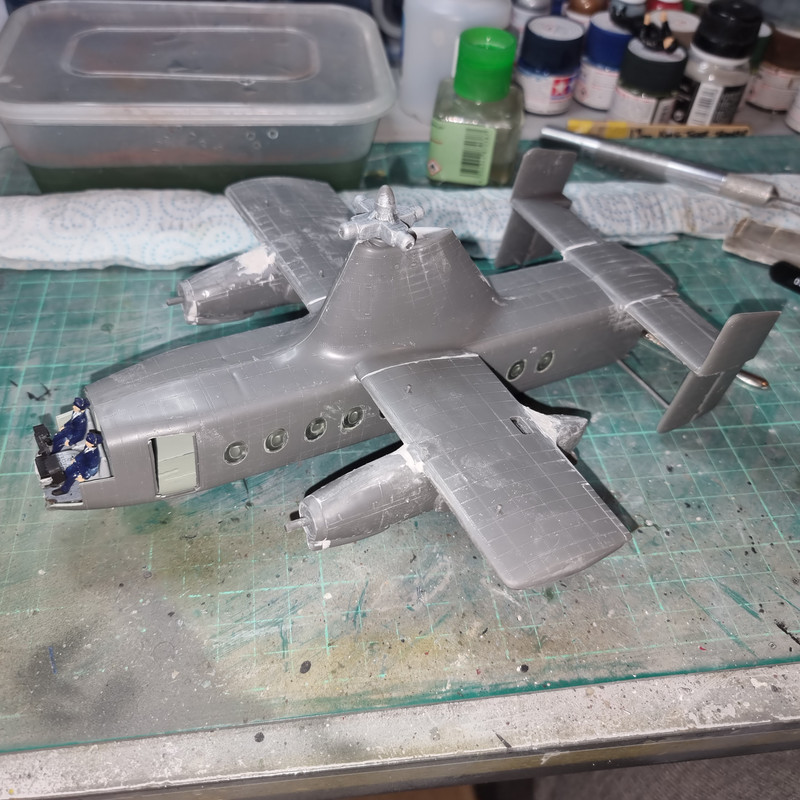
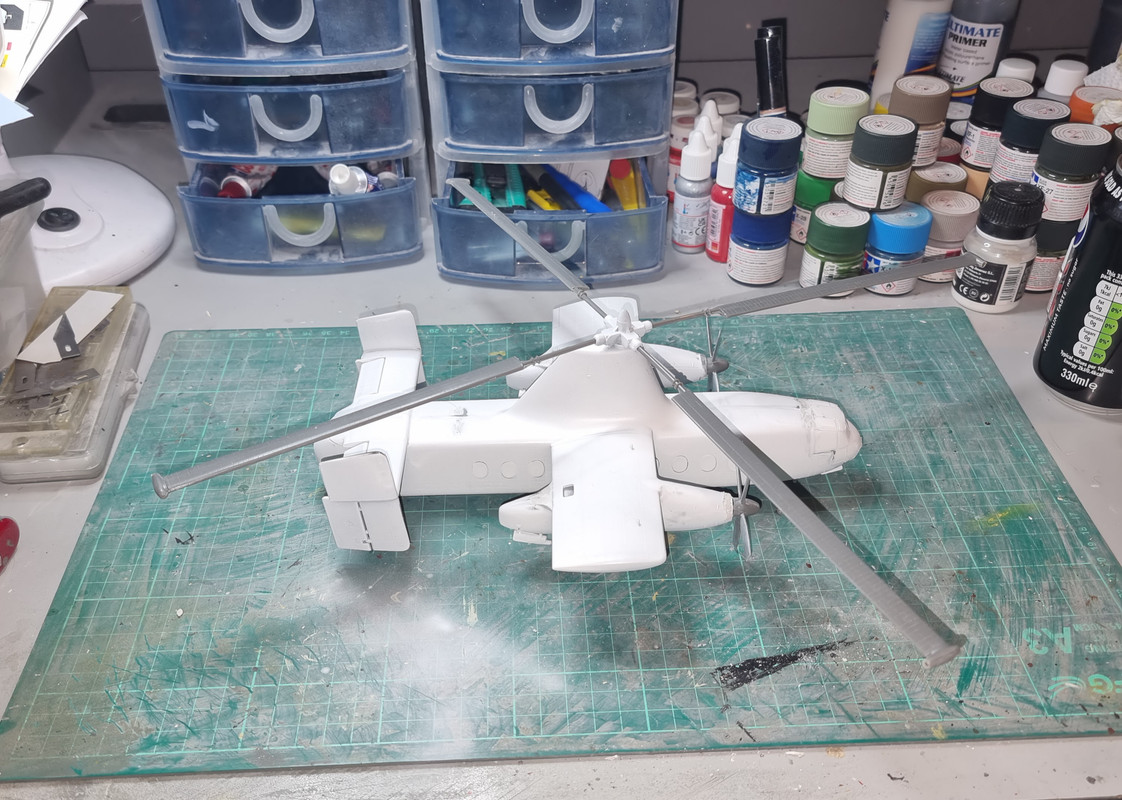
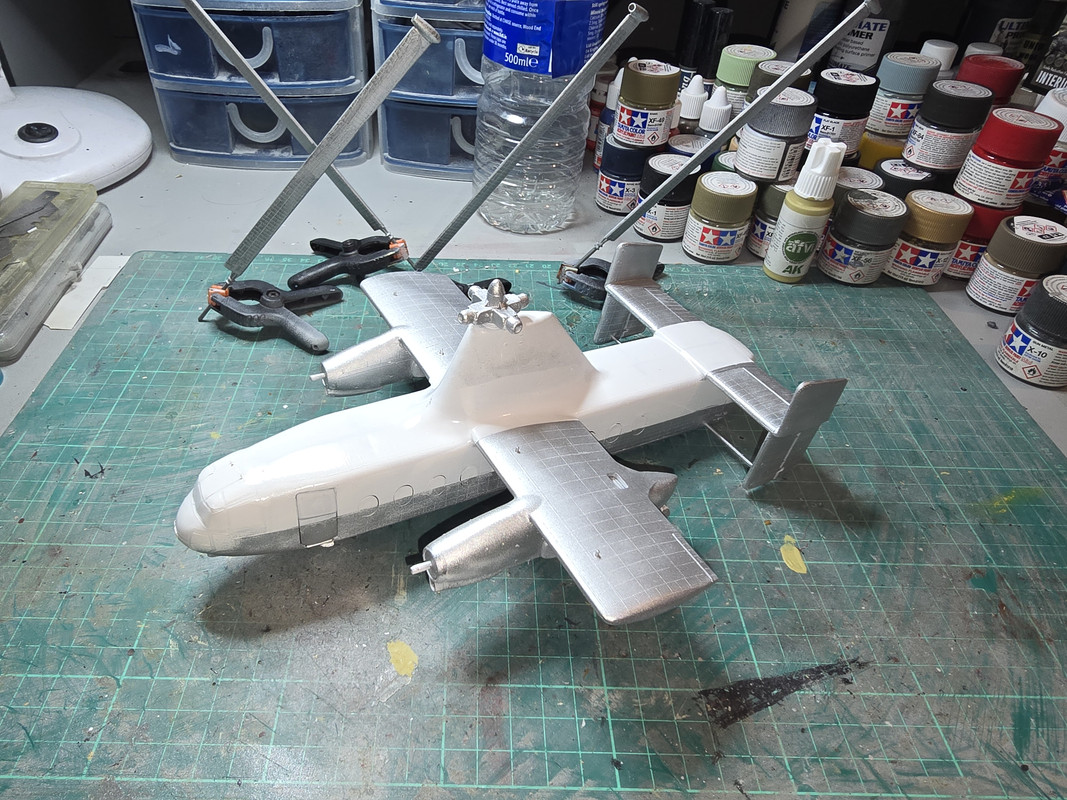
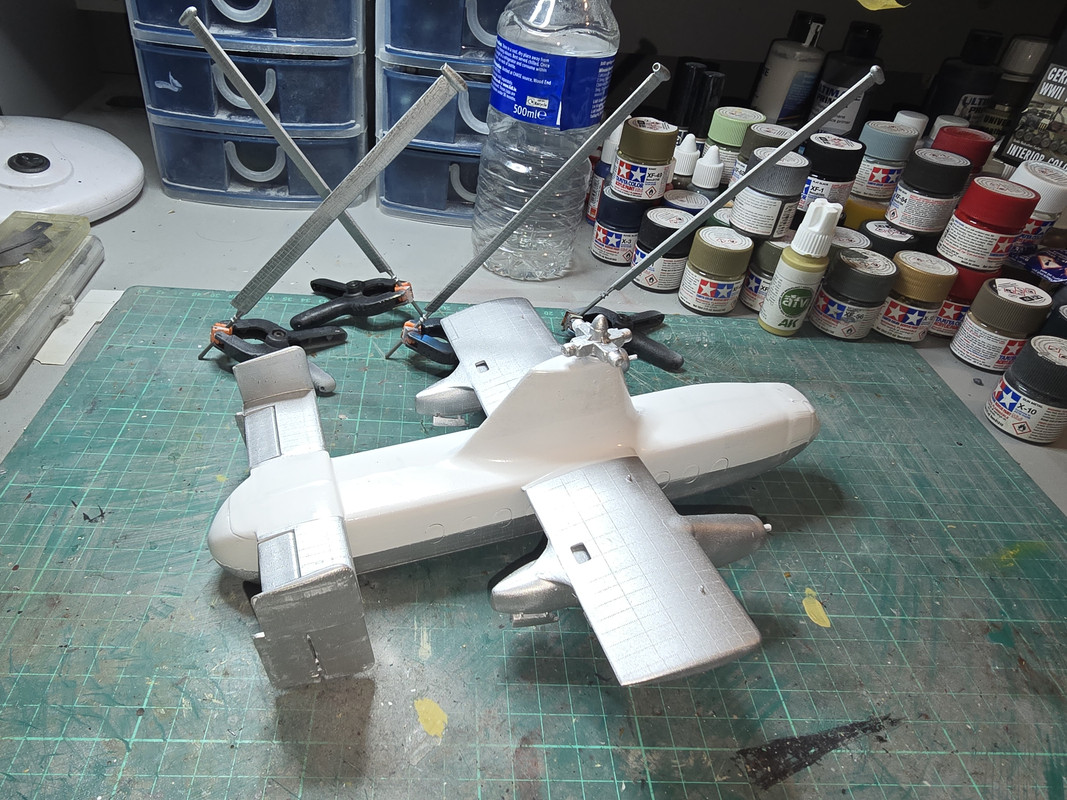
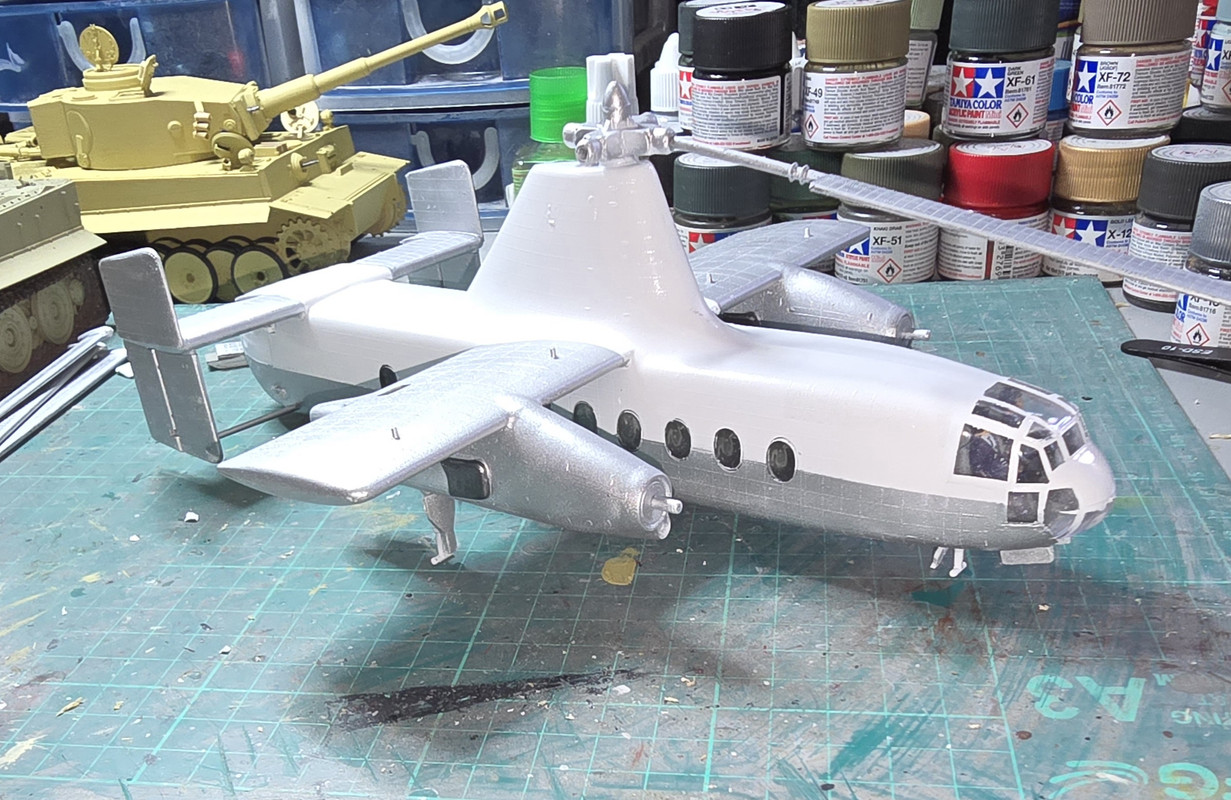
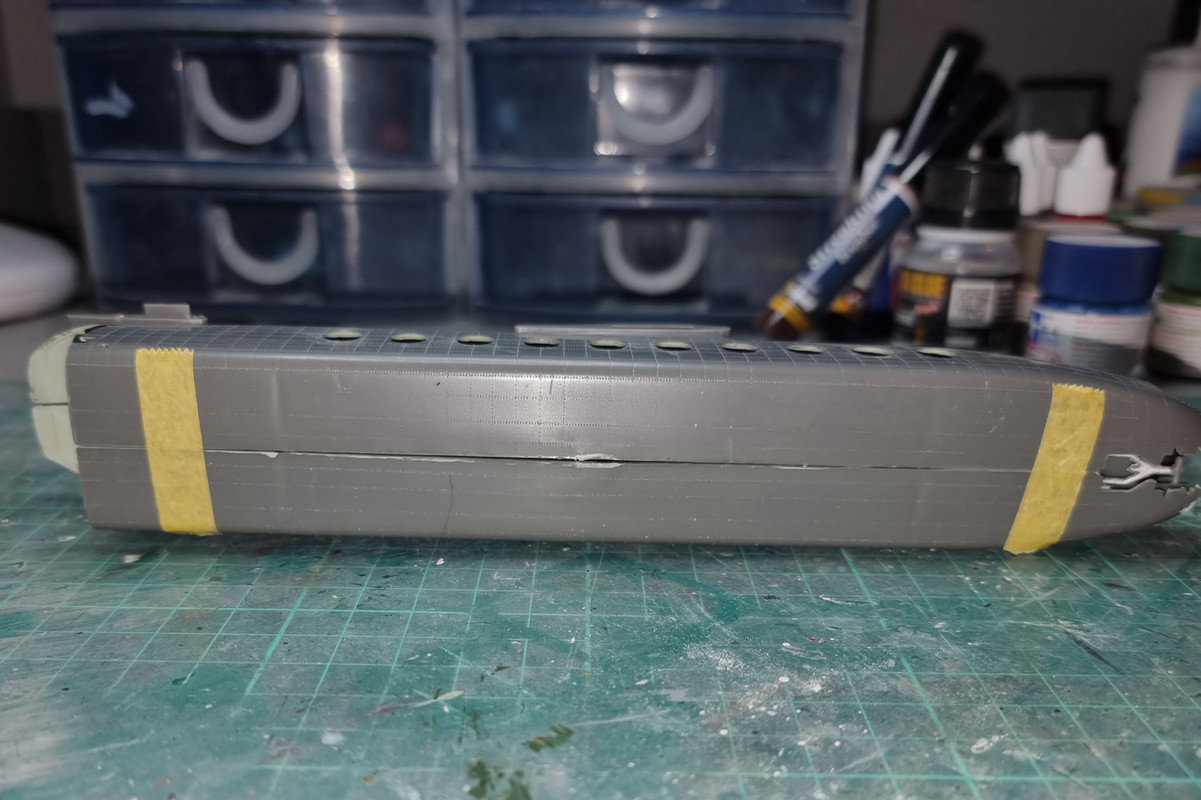
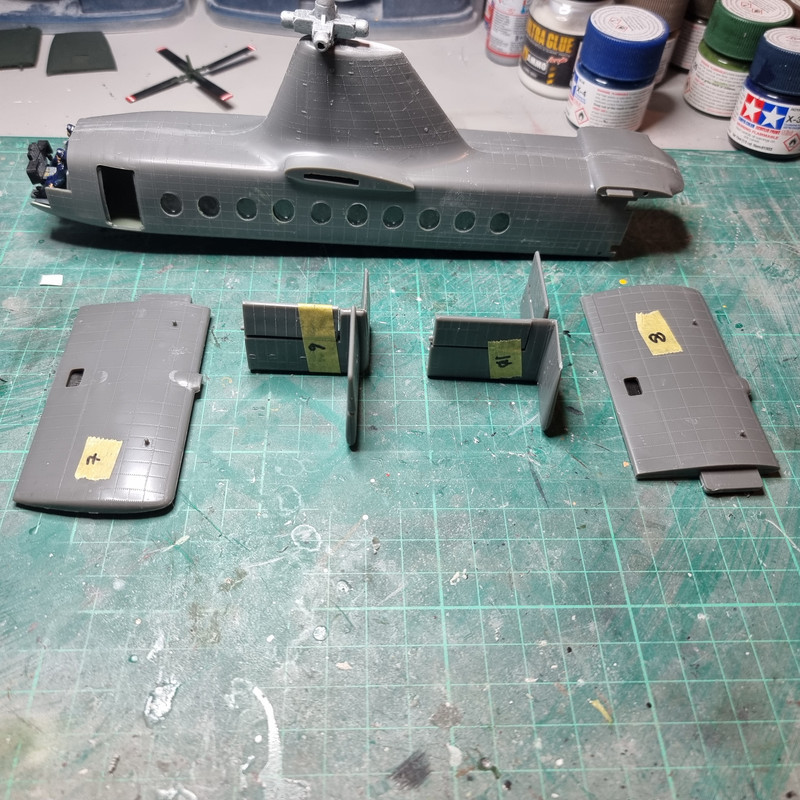
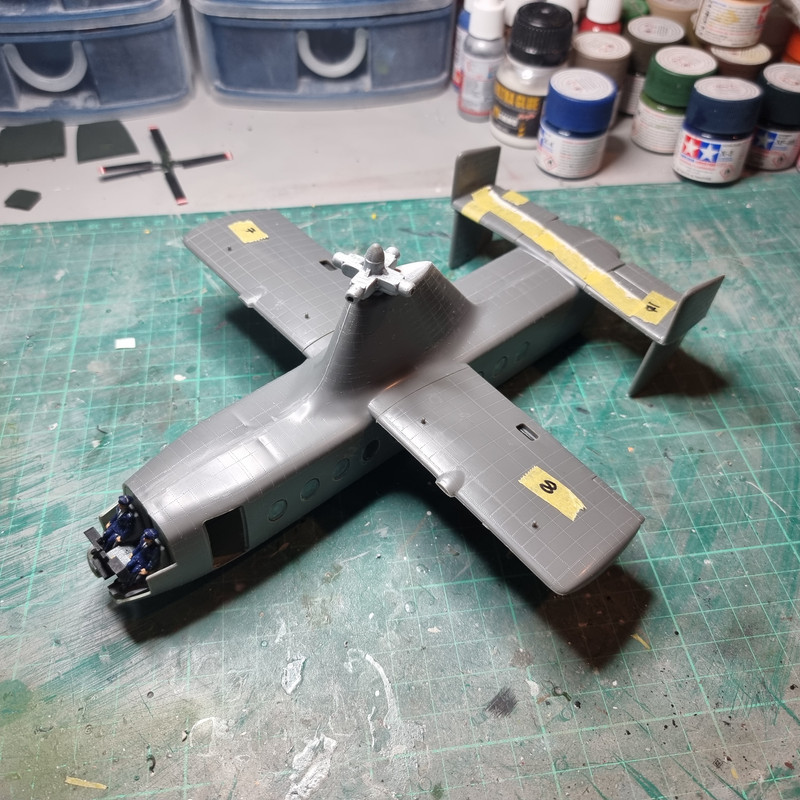
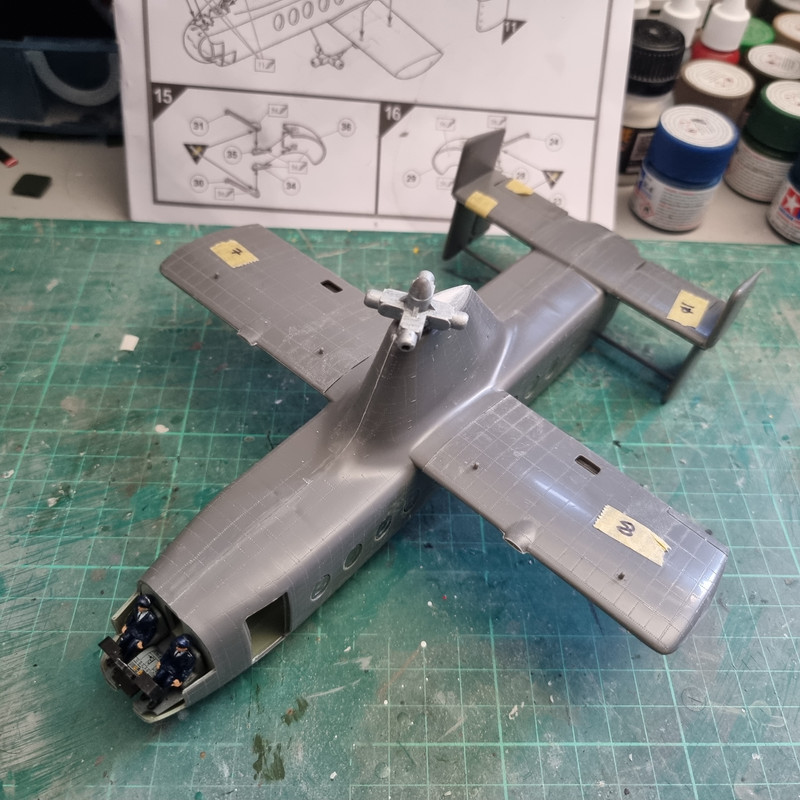
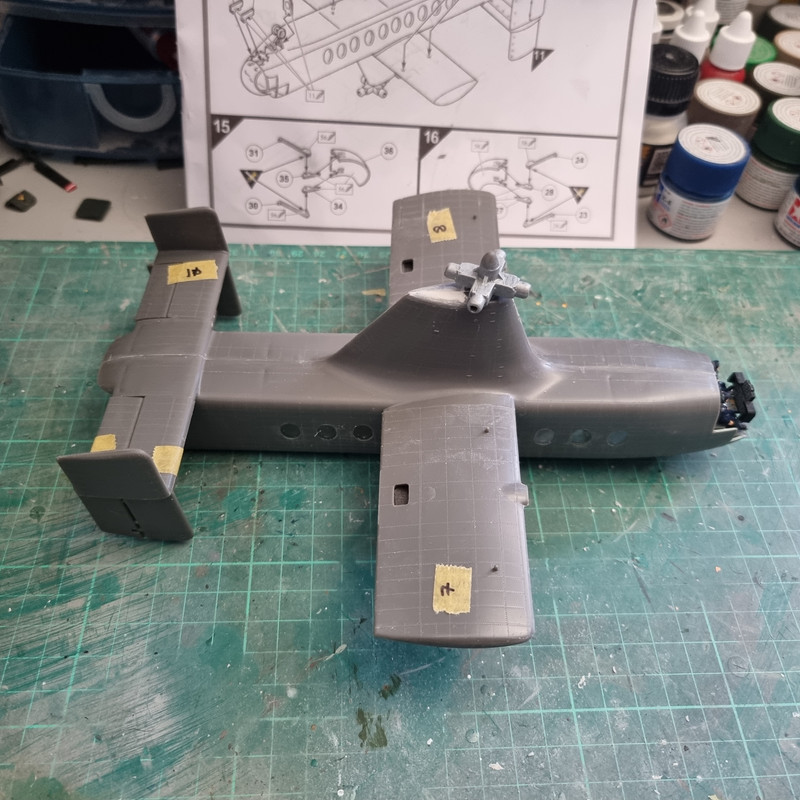
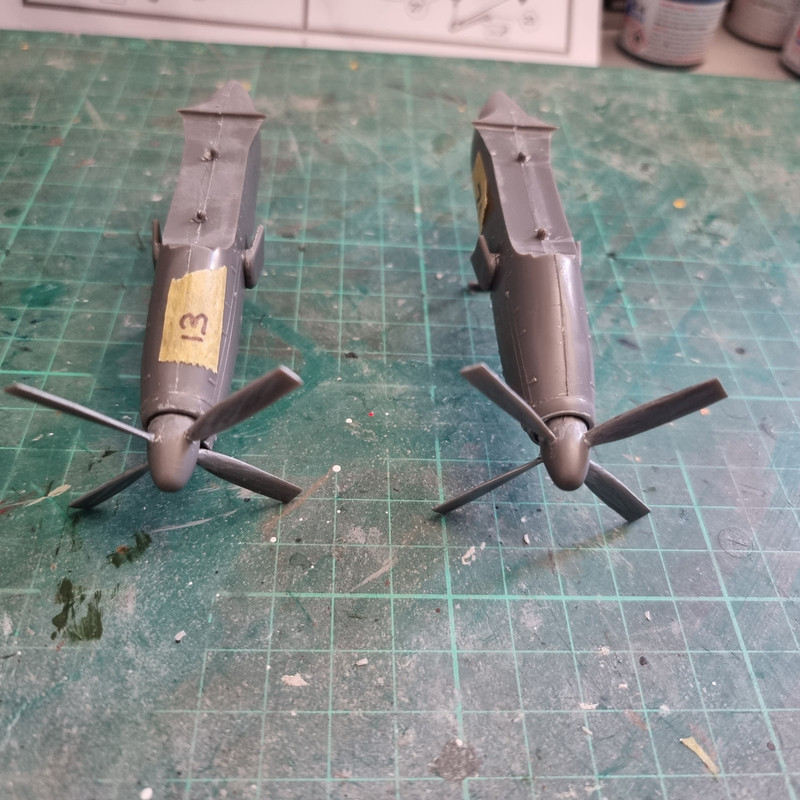
Lastly for this session I dry fit the fuselage halves to see what work will be needed - it turn out surpringly little.
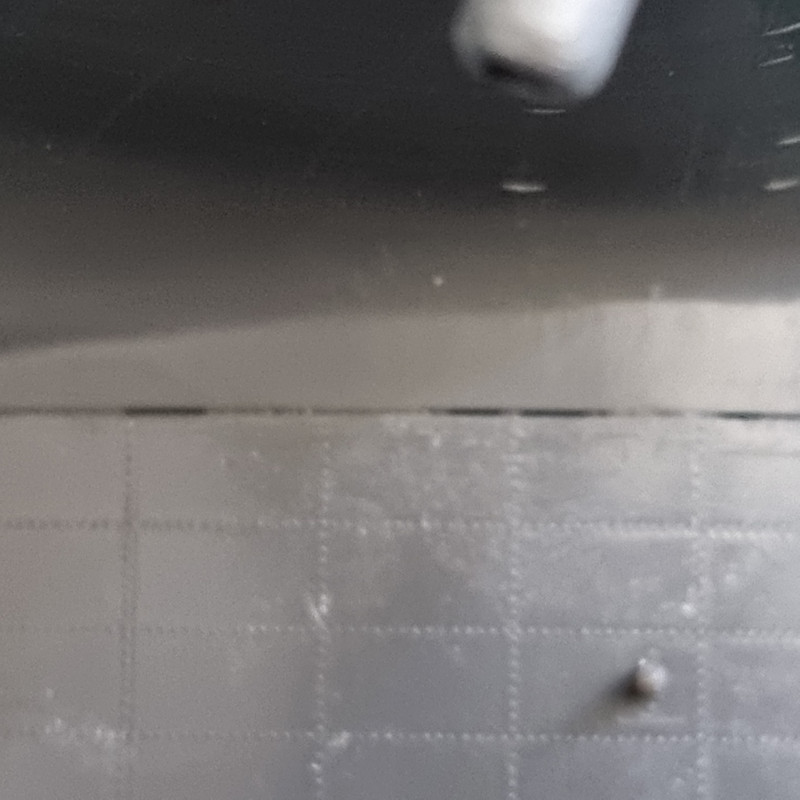
Worst is on the under underside where the massive sprue attachment points were.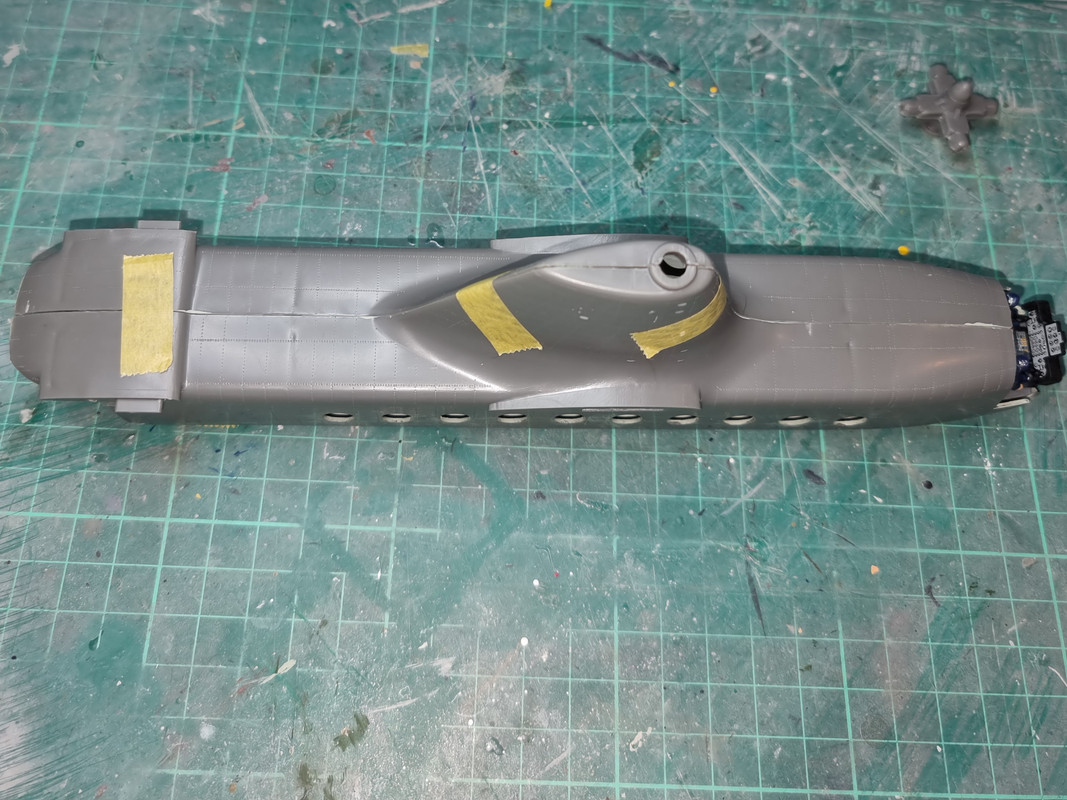





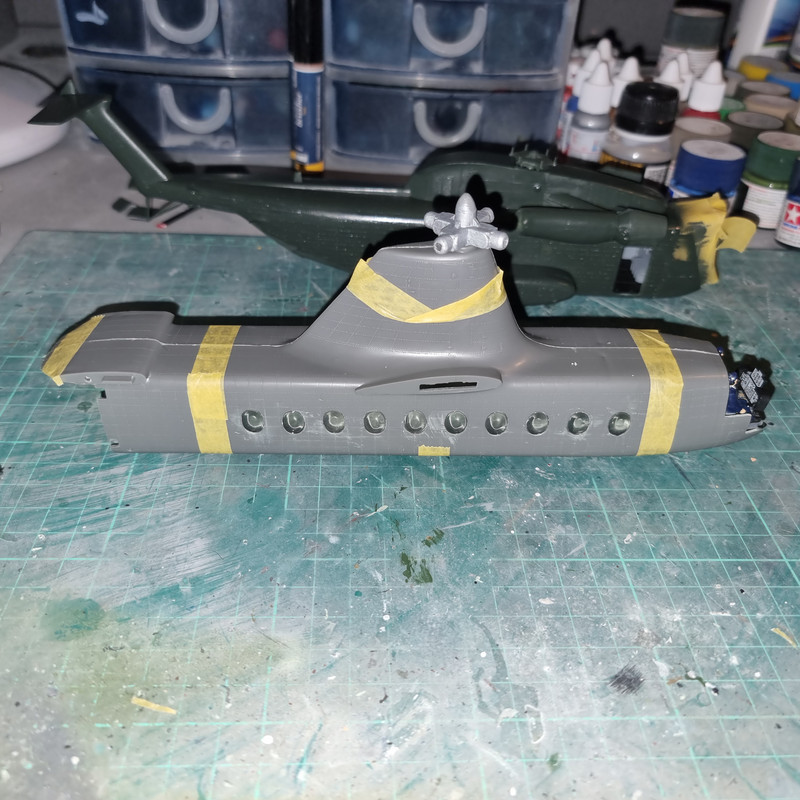
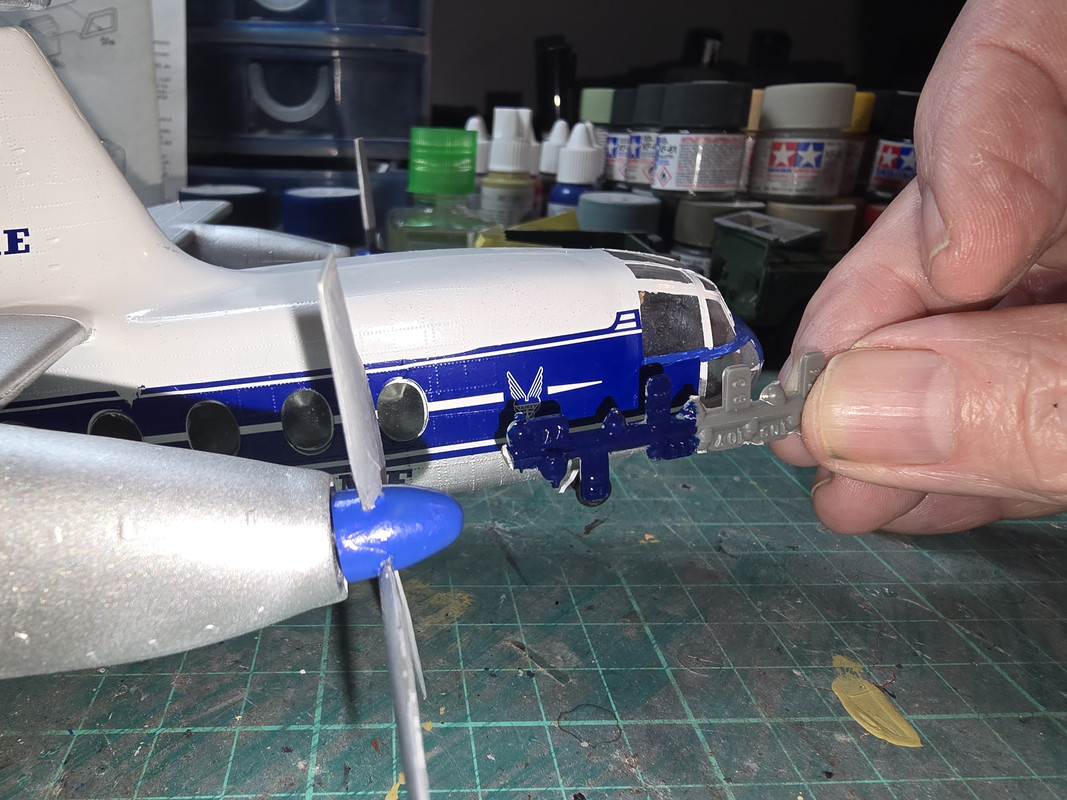
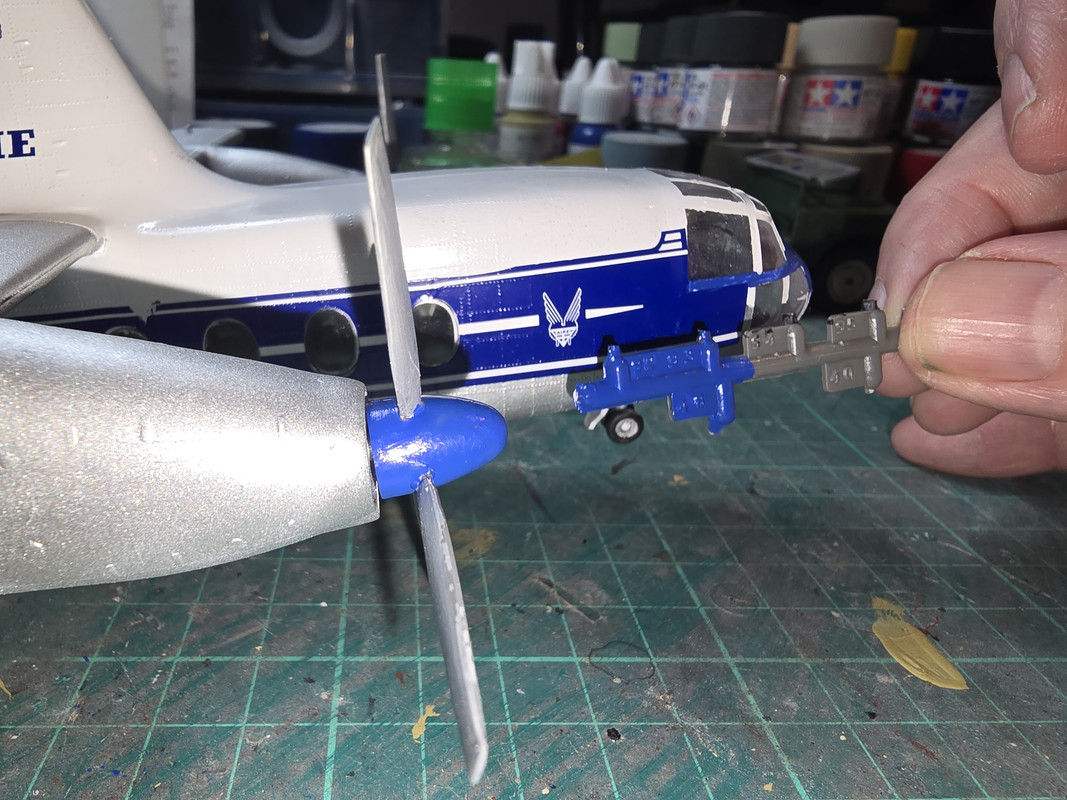
 Need to do the mechanism that goes in the fuselage and see how they actually work