Italeri 1/48 F3 Tornado
Posted: Thu Oct 09, 2014 2:12 pm
The Kit
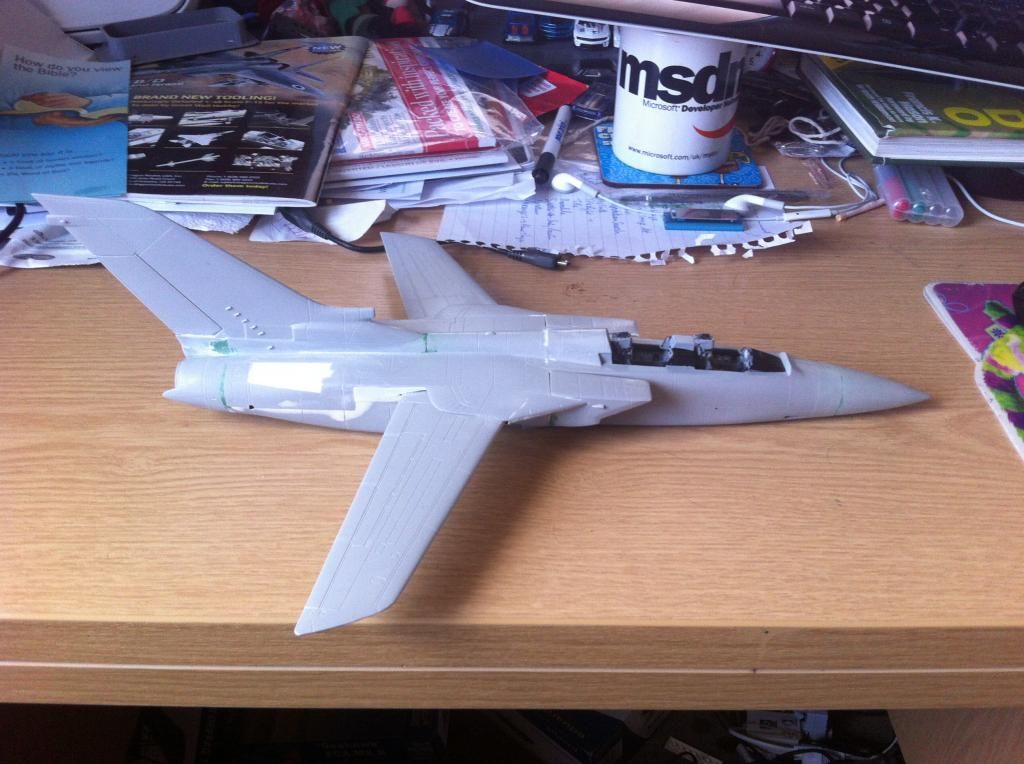
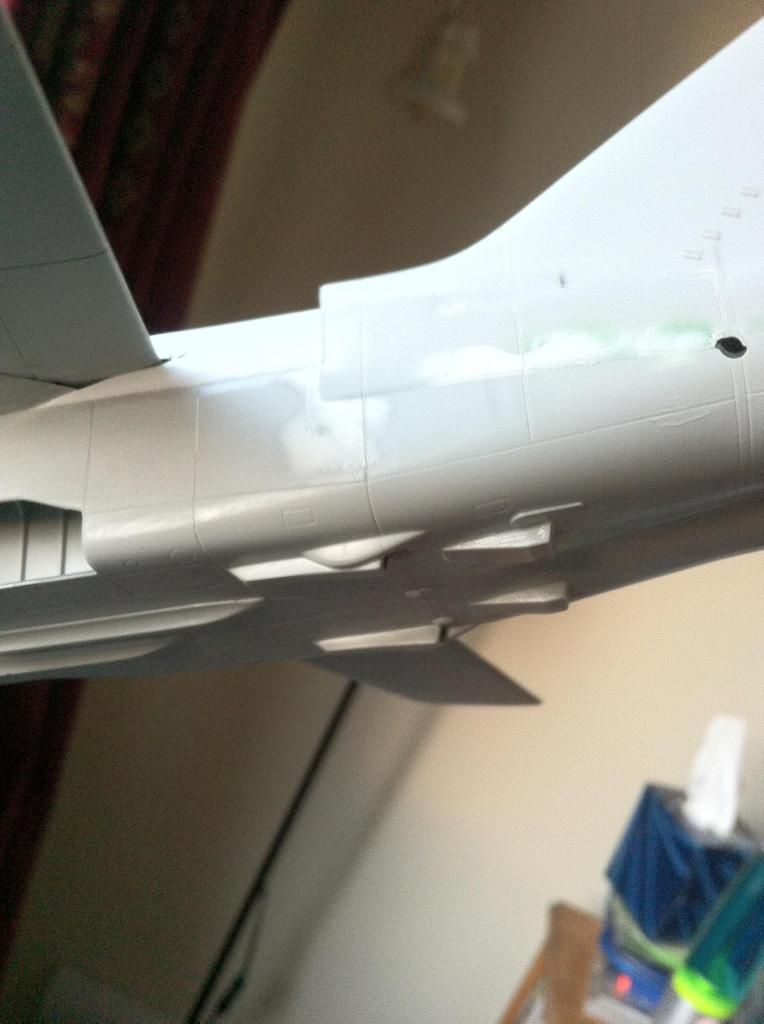
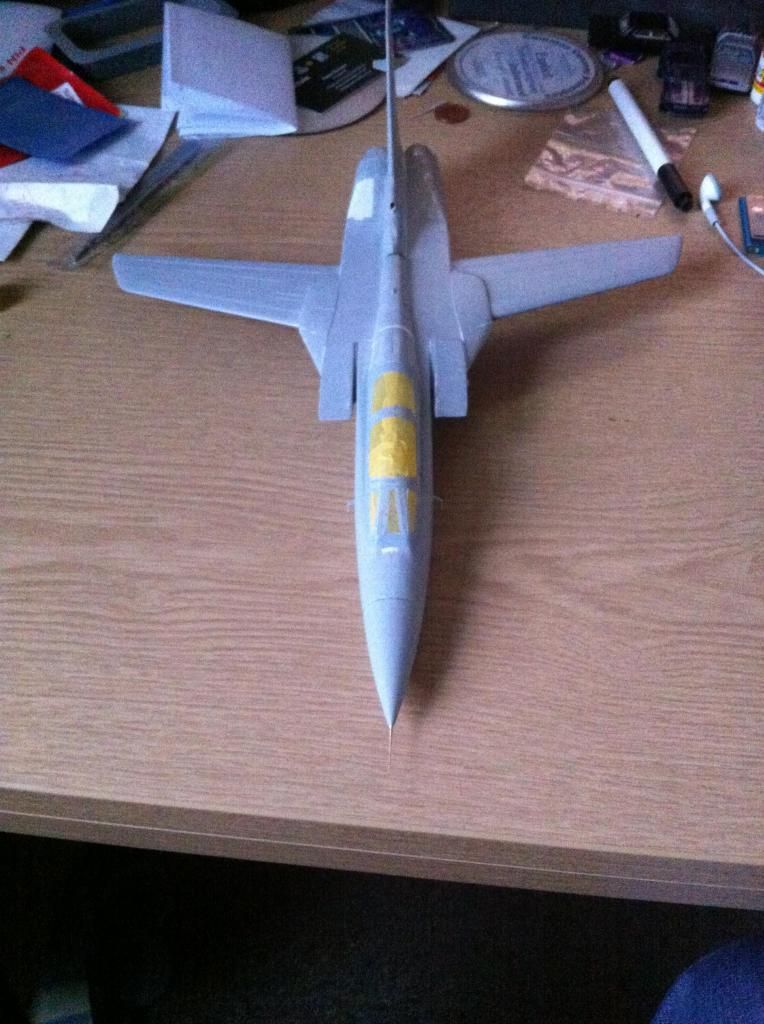
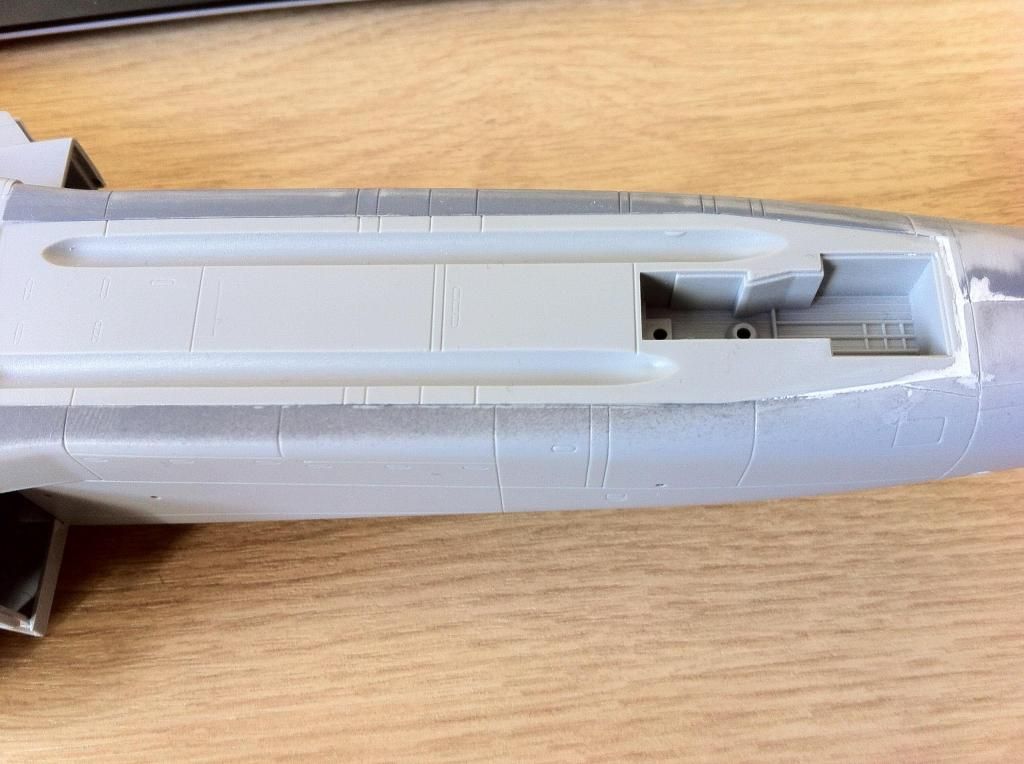
I originally began this kit at the start of the year, but I started to get to the limits of my skills and also I was distracted by other models so it got put on the shelf.
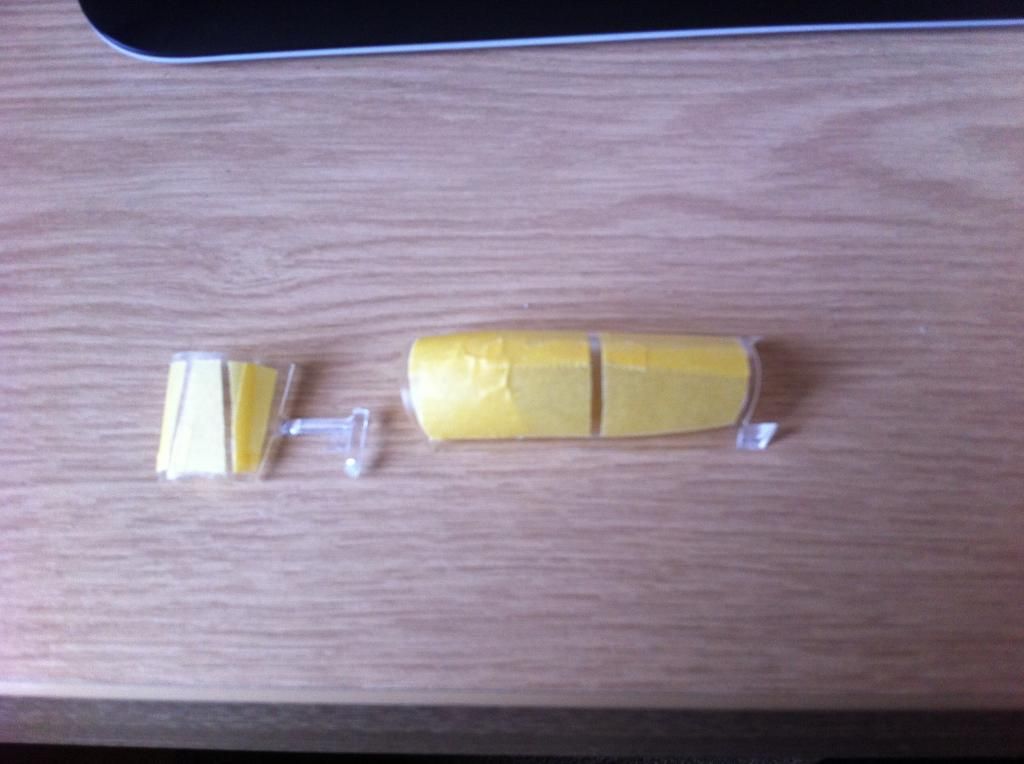
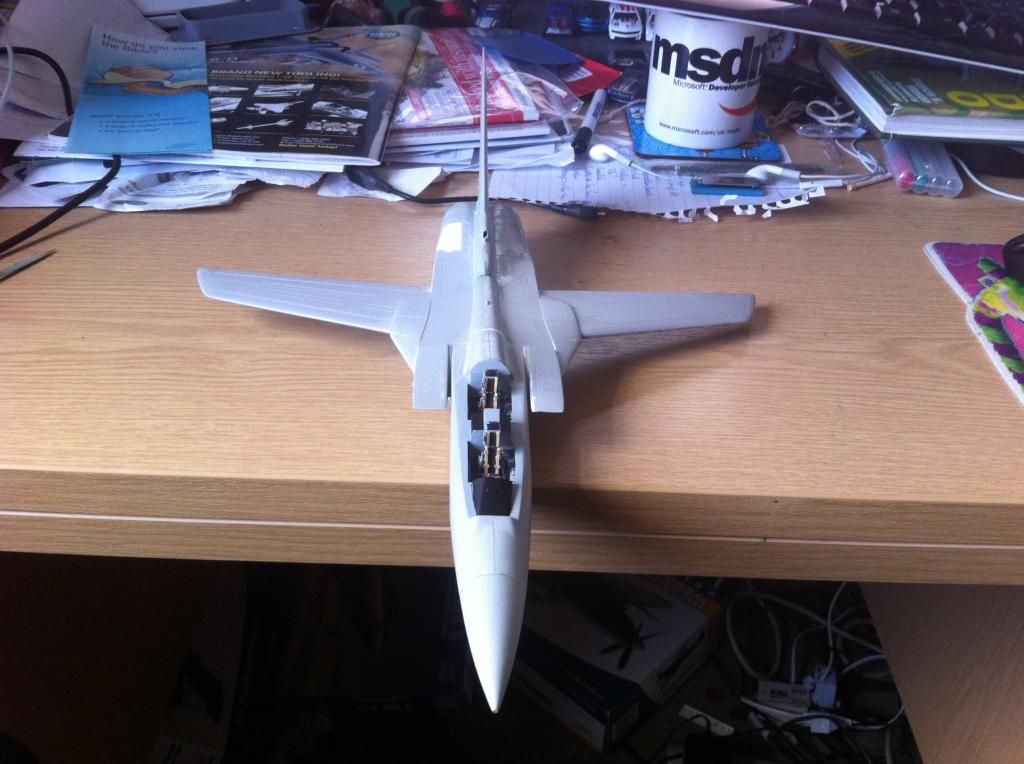
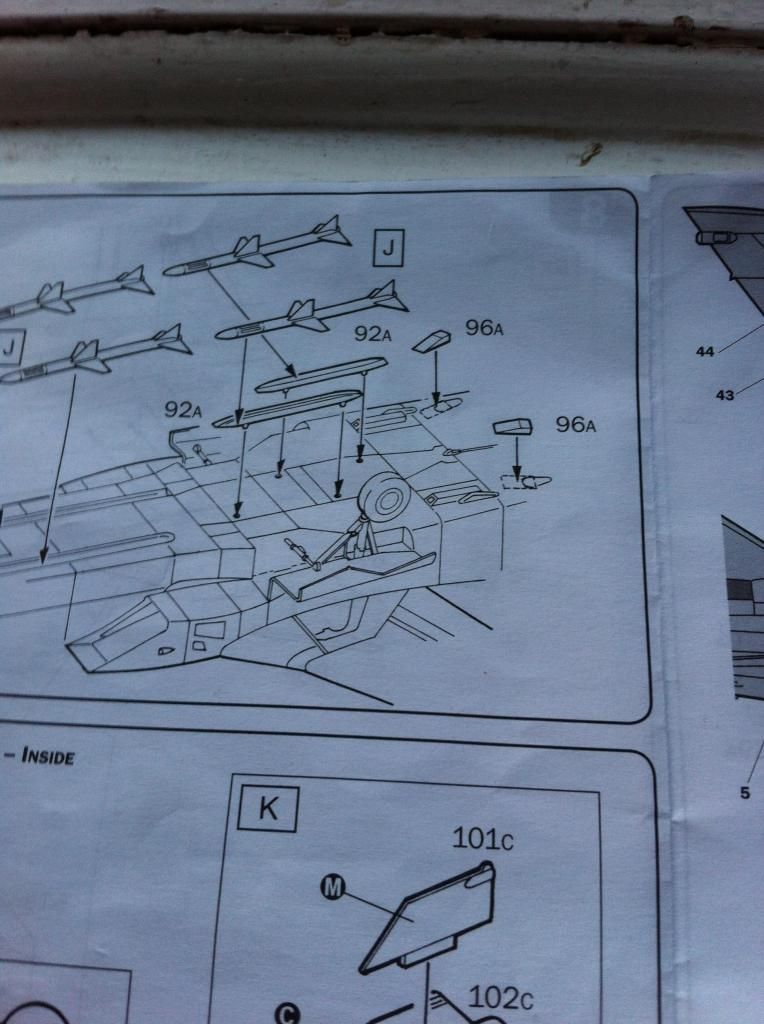
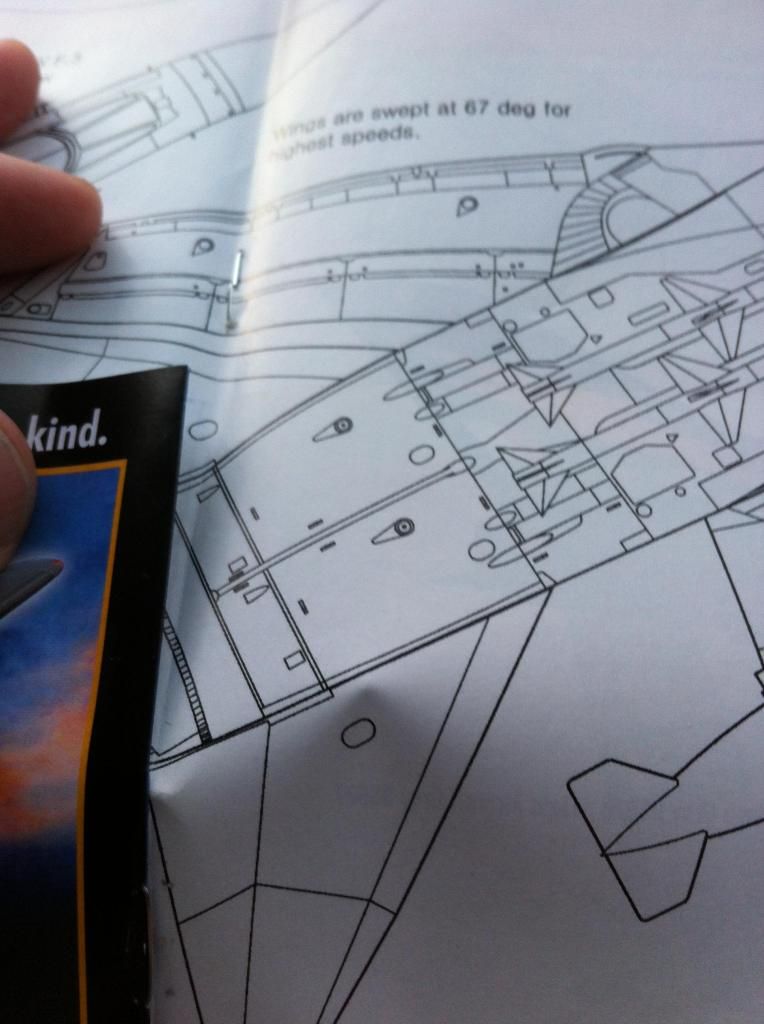
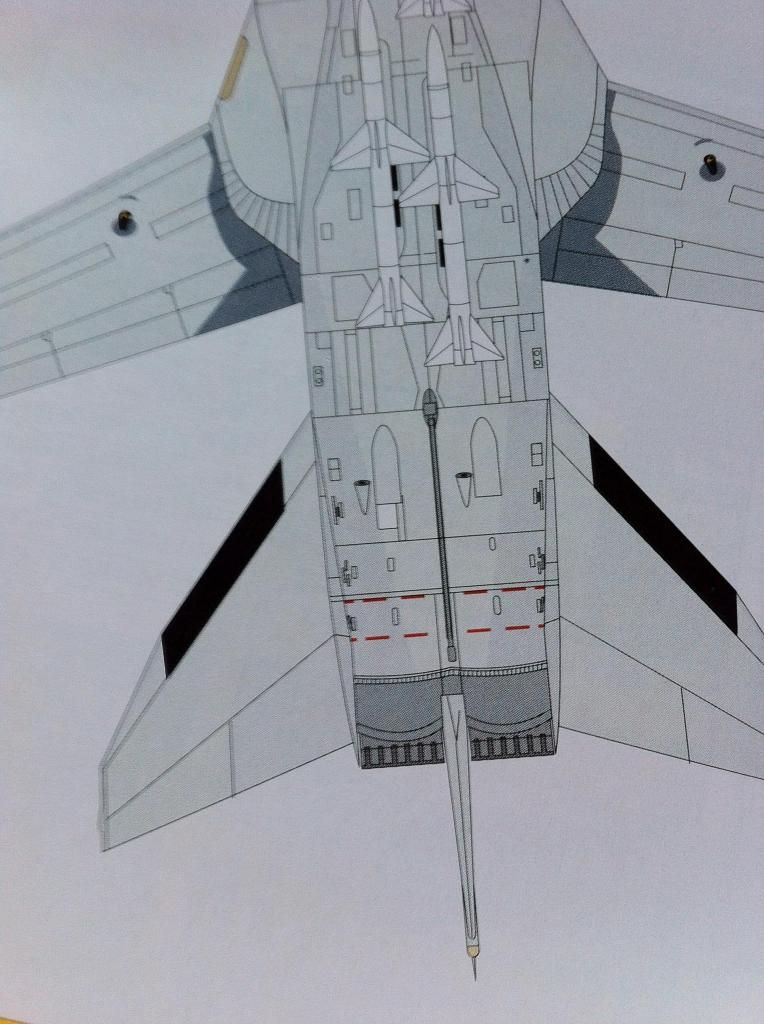
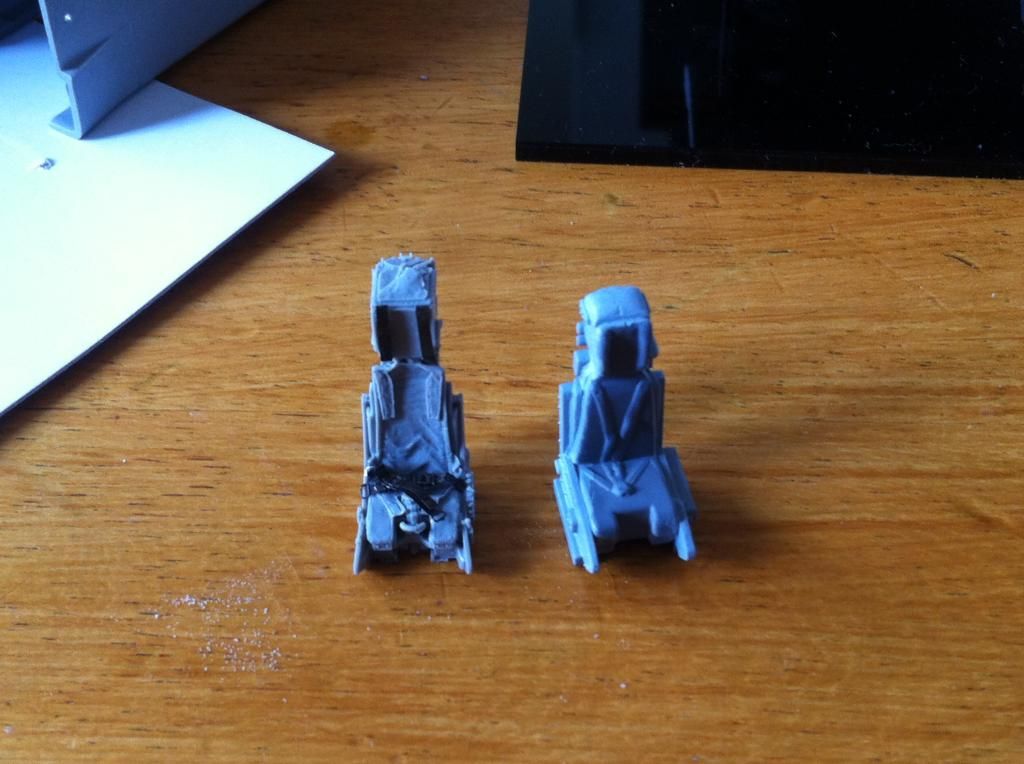
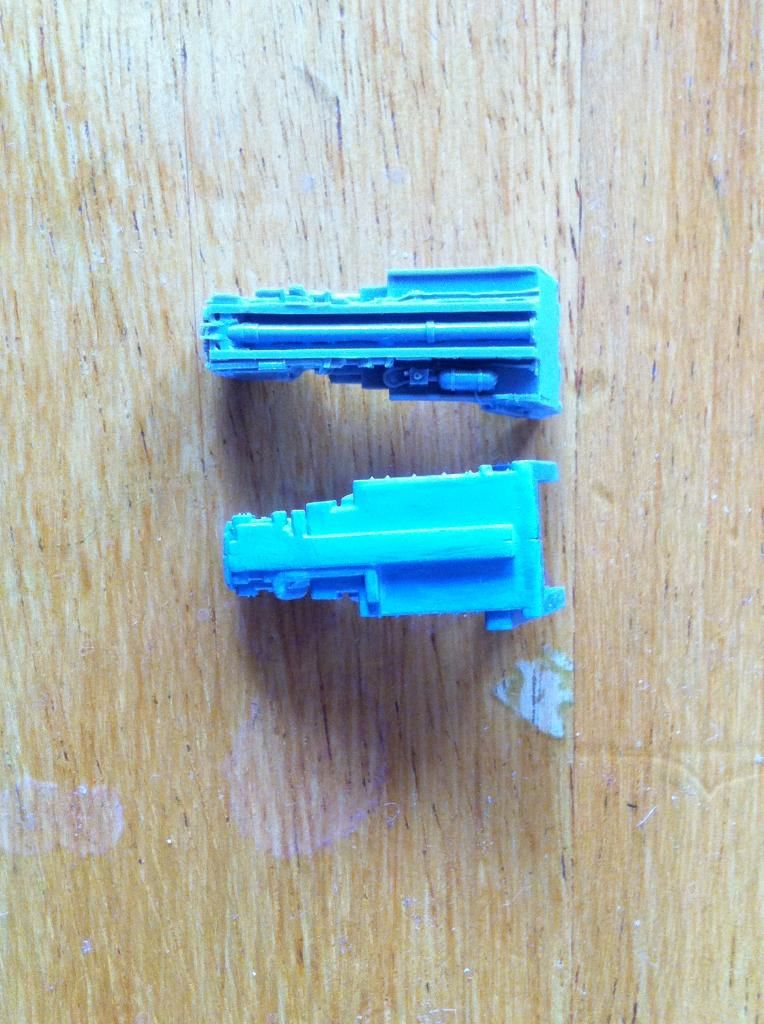
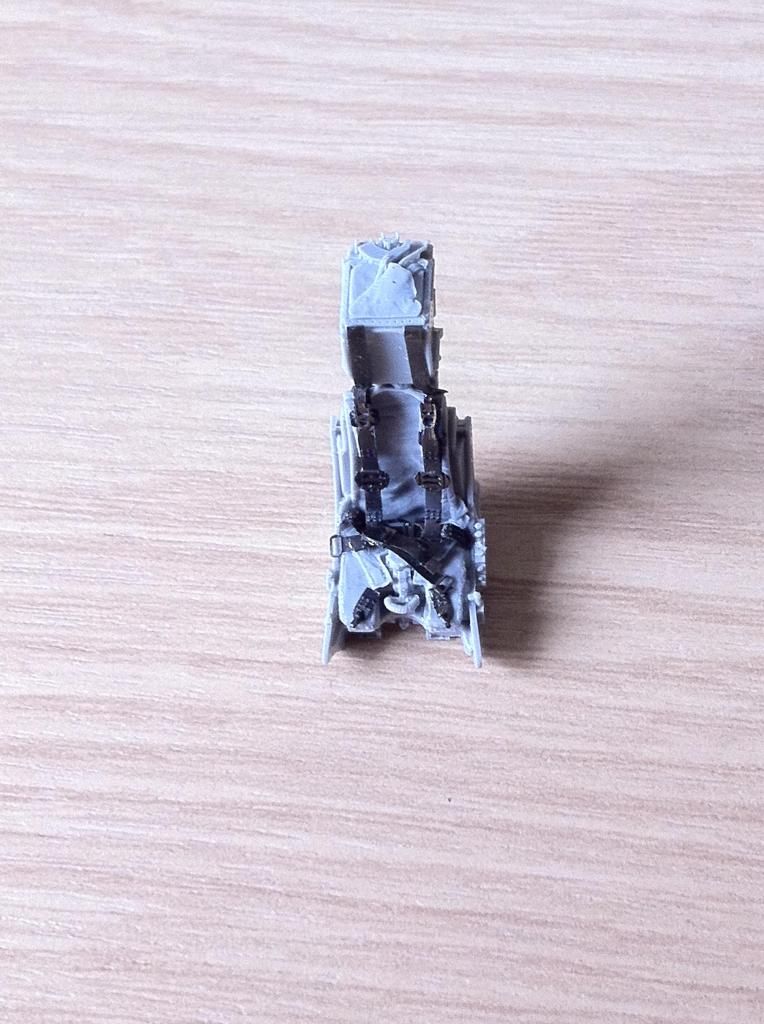
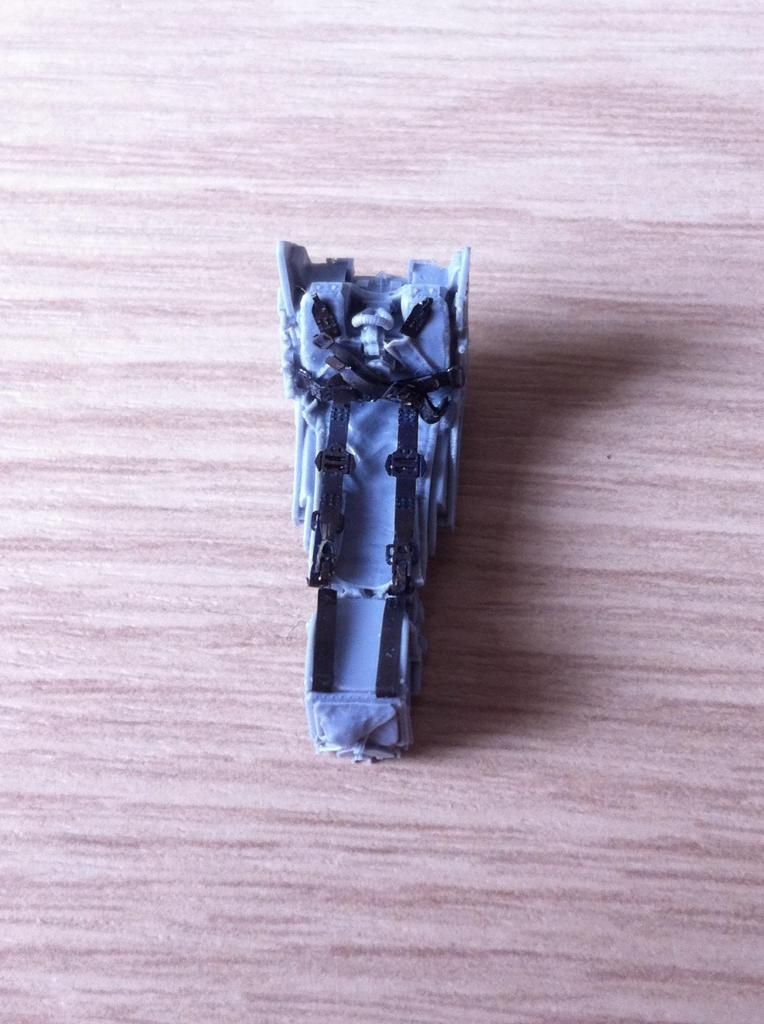
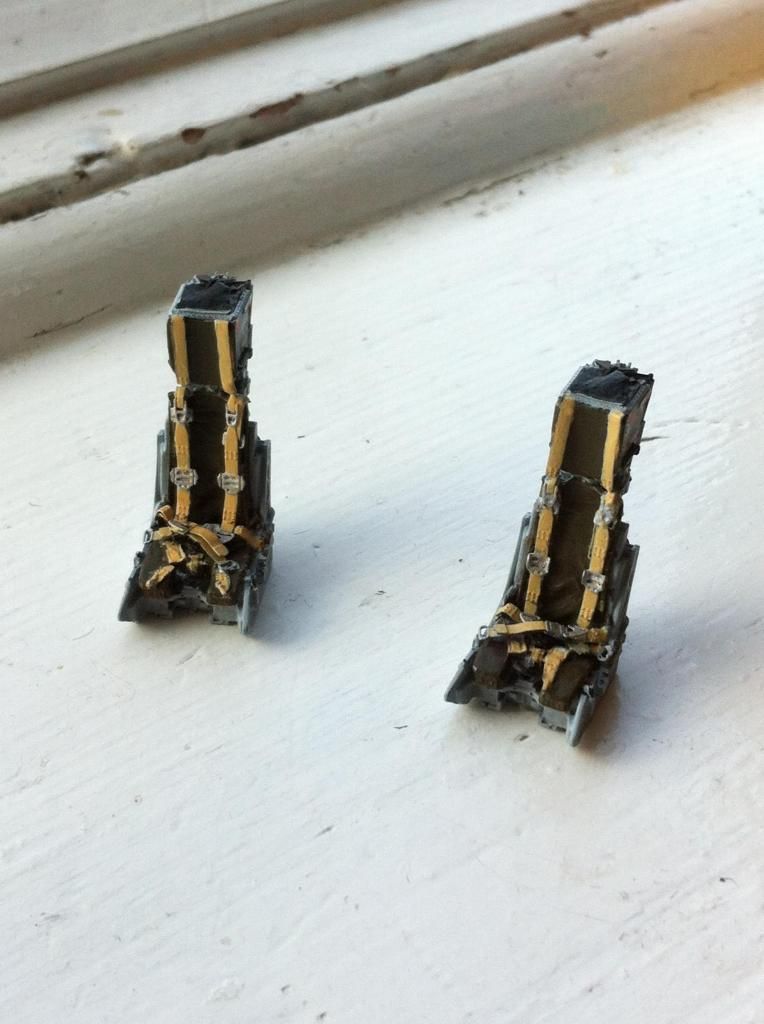
As you can see I have a reasonable chunk the body done I just have to mate it all together. I have some Aires seats to fit and I have a metal probe set as I knew I was guaranteed to snap them
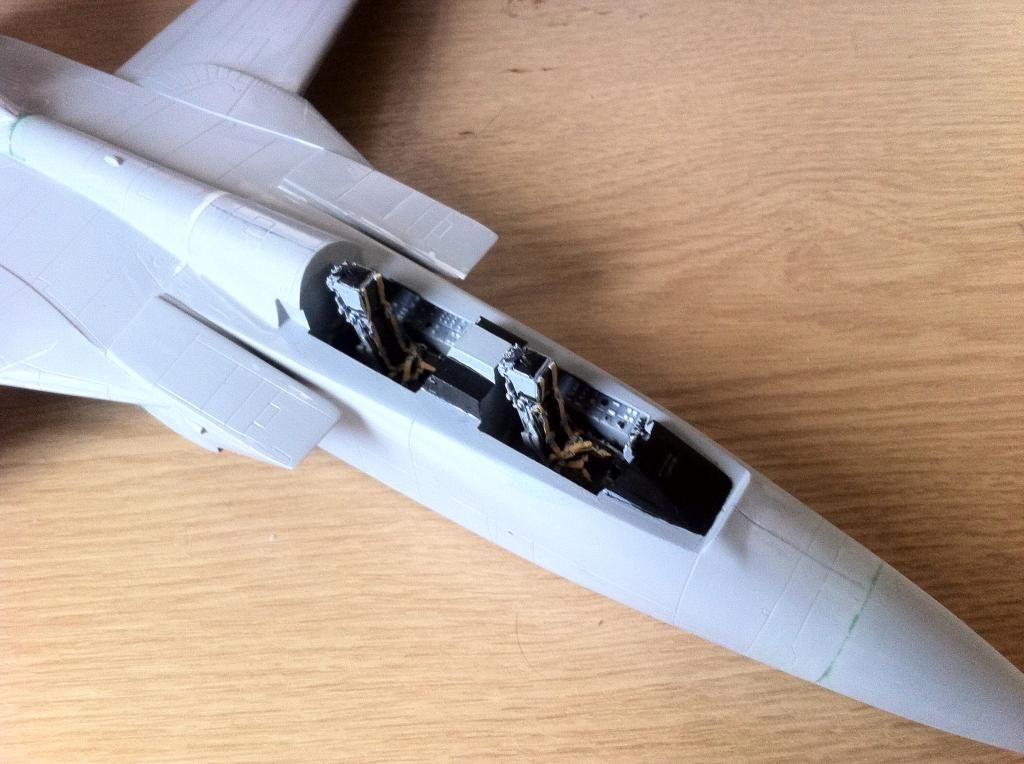
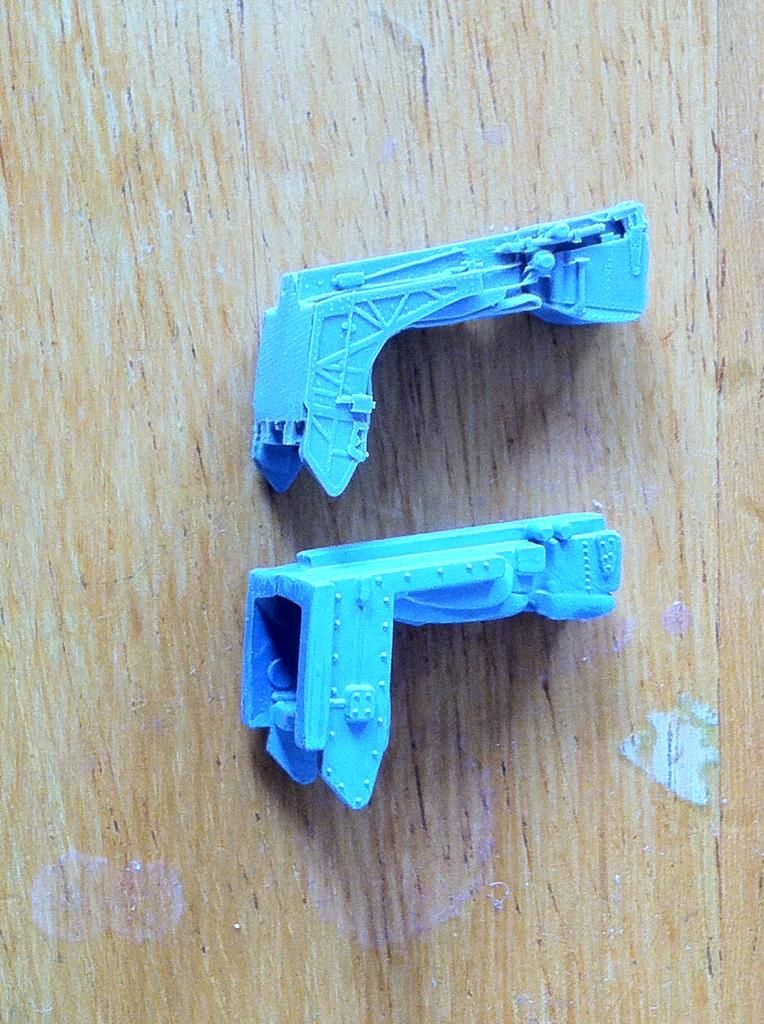
I have read that there are a few interesting fit issues with this kit and I did have a real interesting time with the cockpit - gaps everywhere - although I did manage to fill them. One of the reasons I relegated it to the shelf!
Here's hoping I can get it put together reasonably well as it was meant to be one of the centrepieces of my set of 111 Squadron planes.
About the Tornado F3
From Wikipedia
The Panavia Tornado Air Defence Variant (ADV) is a long-range, twin-engine interceptor version of the swing-wing Panavia Tornado. The aircraft's first flight was on 27 October 1979, and it entered service in 1986. It was retired on 22 March 2011 by the Royal Air Force, and is currently in service only with the Royal Saudi Air Force. It was also previously operated by the Italian Air Force.
The aircraft was originally designed to intercept Soviet bombers if they came in from the East to strike the United Kingdom. The Tornado ADV for the Royal Saudi Air Force were produced to F3 standard. Both the RAF and RSAF have or are replacing the Tornado ADV with the Eurofighter Typhoon.
The Tornado ADV had its origins in an RAF requirement (Air Staff Requirement 395 or ASR.395), which called for a long-range interceptor to replace the Lightning F6 and Phantom FGR2. The requirement for a modern interceptor was driven by the threat posed by the large Soviet long-range bomber fleet, in particular the supersonic Tupolev Tu-22M. From the beginning of the Tornado IDS's development in 1968, the possibility of a variant dedicated to air defence had been quietly considered; several American aircraft had been evaluated but found to be unsuitable. The concept was not attractive to other European partners, thus UK proceeded alone; development of the Tornado ADV was approved on 4 March 1976, with British Aerospace (BAe, now BAE Systems) to provide 3 prototypes.
The first prototype was rolled out at Warton on 9 August 1979, before making its maiden flight on 27 October 1979. The second and third development aircraft made their first flights on 18 July and 18 November 1980, respectively. During the flight testing, the ADV demonstrated noticeably superior supersonic acceleration to the IDS, even while carrying a full weapons loadout. The testing of the prototypes was greatly aided by the use of real-time telemetry being broadcast back to ground technicians from aircraft in flight. The third prototype was primarily used in the testing of the new Marconi/Ferranti AI.24 Foxhunter airborne interception radar.
The Tornado ADV's differences compared to the IDS include a greater sweep angle on the inboard fixed wing sections, deletion of the Krueger flaps and the port cannon, a longer radome for the Foxhunter radar, and a fuselage stretch of 1.36 m to allow the carriage of four Skyflash semi-active radar homing missiles. The stretch was applied to the Tornado front fuselage being built by the UK, with a plug being added immediately behind the cockpit, which had the incidental benefit of reducing drag and making space for an additional fuel tank (Tank '0') carrying 200 imperial gallons (909 L; 240 U.S. gal) of fuel. The artificial feel of the flight controls was lighter on the ADV than on the IDS. Various internal avionics, pilot displays, guidance systems and software also differed; including an automatic wing sweep selector not fitted to the strike aircraft.
The Tornado F2 (sometimes written as F.2) was the initial version of the Tornado ADV in Royal Air Force service, with 18 being built. It first flew on 5 March 1984 and was powered by the same RB.199 Mk 103 engines used by the IDS Tornado, capable of four wing sweep settings, and fitted to carry only two underwing Sidewinder missiles. Serious problems were discovered with the Foxhunter radar, which meant that the aircraft were delivered with concrete and lead ballast installed in the nose as an interim measure until they could be fitted with the radar sets. The ballast was nicknamed Blue Circle, which was a play on the Rainbow Codes nomenclature, and a British brand of cement called Blue Circle.
A total of 165 Tornado ADVs were ordered by Britain, the majority being the Tornado F3.
The Tornado F3 made its maiden flight on 20 November 1985. Enhancements over the F2 included RB.199 Mk 104 engines, which were optimised for high-altitude use with longer afterburner nozzles, the capacity to carry four underwing Sidewinder missiles rather than two, and automatic wing sweep control. The F3's primary armament when it was introduced into service was the short-range Sidewinder and the medium-range Skyflash missiles, a British design based on the American AIM-7 Sparrow.
In order to maintain the Tornado F3 as an effective platform up to its planned out-of-service date of 2010, the Ministry of Defence initiated the Capability Sustainment Programme (CSP). This project, announced on 5 March 1996, involved many elements, including the integration of ASRAAM and AMRAAM air-to-air missiles, and radar upgrades to improve multi-target engagement. Additionally, pilot and navigator displays would be improved, along with the replacement of several of the onboard computer systems. The CSP would see the removal of a non-standard state of aircraft; various upgrades, in particular to the Foxhunter radar, had led to a situation described as "fleets within fleets." The Foxhunter radar was a source of difficulties in the upgrade programme, in particular the integration of the new AMRAAM missile.
The Tornado F3 was not able to exploit the full capabilities of either the AMRAAM or ASRAAM missiles. AMRAAM uses two mid-course updates after launch to refresh target information prior to its own seeker taking over, however the CSP did not include the datalink to provide this capability, as it was considered to be too expensive. In addition, the ASRAAM was not fully integrated, which prevented the full off-boresight capability of the missile being exploited. On 8 June 2001, the MoD signed a contract for a further upgrade to the F3 force to allow these midcourse updates. The upgrade to give full AMRAAM capability, together with updated IFF, known as the AMRAAM Optimisation Programme (AOP) was incorporated in the remaining F3 fleet between December 2003 and September 2006.
A further upgrade, disclosed in early 2003, was the integration of the ALARM anti-radiation missile to enable several Tornado ADVs to conduct suppression of enemy air defence (SEAD) missions. The F3's existing radar warning receivers formed the basis of an Emission Location System (ELS), which can be employed to detect and locate operational radar systems in the aircraft's vicinity. These modified aircraft were re-designated Tornado EF3 and operated by No. 11 Squadron RAF.

The Tornado ADV was designed to serve in the role of an interceptor against the threat of Soviet bombers, rather than as an air superiority fighter for engaging in prolonged air combat manoeuvering with various types of enemy fighters. In order to perform its anti-bomber primary mission, it was equipped with long range beyond visual range missiles such as the Skyflash, and later the AMRAAM; the aircraft also had the ability to stay aloft for long periods and remain over the North Sea and Northern Atlantic in order to maintain its airborne patrol. The Ministry of Defence acknowledged the Tornado ADV was not significantly superior as an aircraft to the Phantoms it had replaced in the air-defence role, however the capability of its weapon systems was a dramatic improvement; in particular the radar and onboard computer facilities. Compared with the Phantom, the ADV had greater acceleration, twice the range and loiter time, and was more capable of operating from short 'austere' air strips.
The Tornado's advanced avionics meant it could be more effective than previous British interceptors like the Lightning. While older aircraft were reliant on a network of ground-based radar stations, the onboard Foxhunter radar was capable of performing much longer and wider scans of surrounding airspace; the Tornado could track and engage targets at far greater distances. The Tornado also had the ability to share its radar and targeting information with other aircraft via JTIDS Link 16 and was one of the first aircraft to have a digital data bus, used for the transmission of data between onboard computers.
111 Squadron
From raf.mod.uk

Formed at Dier-el-Belah, Palestine on 1 August 1917 as the first dedicated fighter squadron in the region, its two main tasks were to restrict enemy reconnaissance flights and counter the increasing German fighter threat over the Suez. The Squadron flew a variety of types available including Bristol Scouts, Monoplanes and Fighters, DH2s and SE5s until standardising on the latter type in 1918. As the tide of the War turned, the unit started ground-attack patrols and such was the pilot's skill, that the Squadron was able to turn the Turkish retreat into a rout. 'Treble One' withdrew to Egypt after the end of the War and was renumbered No 14 Squadron in February 1920. 1 October 1923, saw 111 Squadron reform, this time at Duxford, but again with a variety of types namely Grebes, Snipes and Siskins, the latter eventually equipping the whole Squadron until the arrival of Bulldogs in 1931.
Five years later, No 111 received Gladiators, and in January 1938 the unit had the distinction of becoming the first Hurricane squadron. The Squadron flew as part of both Nos 11 and 12 Groups during the Battle of Britain and replaced its Hurricanes with Spitfires in April 1942. In November the unit moved to Gibraltar in preparation for Operation Torch - the invasion of North Africa - where it supported the 1st Army through Algeria and Tunisia before moving to Malta in June 1943 to cover the invasion of Sicily. With the Allies advancing through Italy, No 111 moved with them, remaining there until after the cessation of hostilities when it moved to Austria. It was disbanded May 1947 and did not rejoin the RAF's order of battle until December 1953 when it was reformed with Meteors at North Weald.
In 1955 the first Hunters had arrived, and two years later No 111 Squadron was nominated as the official RAF aerobatic team. At first the team, known as the 'Black Arrows', flew five and then nine aircraft until, at the 1958 Farnborough airshow, the Squadron, aided by No 56 Squadron, entered the record books when it successfully looped twenty-two aircraft! In 1961, the unit converted to Lightnings, successive marks staying until 1974 when Phantoms arrived. Following a move from Coningsby to Leuchars, the Squadron re-equipped with ex-Royal Navy Phantoms and these survived until the early 1990s when Tornado F3s became the Squadron mount.

I originally began this kit at the start of the year, but I started to get to the limits of my skills and also I was distracted by other models so it got put on the shelf.
As you can see I have a reasonable chunk the body done I just have to mate it all together. I have some Aires seats to fit and I have a metal probe set as I knew I was guaranteed to snap them
I have read that there are a few interesting fit issues with this kit and I did have a real interesting time with the cockpit - gaps everywhere - although I did manage to fill them. One of the reasons I relegated it to the shelf!
Here's hoping I can get it put together reasonably well as it was meant to be one of the centrepieces of my set of 111 Squadron planes.
About the Tornado F3
From Wikipedia
The Panavia Tornado Air Defence Variant (ADV) is a long-range, twin-engine interceptor version of the swing-wing Panavia Tornado. The aircraft's first flight was on 27 October 1979, and it entered service in 1986. It was retired on 22 March 2011 by the Royal Air Force, and is currently in service only with the Royal Saudi Air Force. It was also previously operated by the Italian Air Force.
The aircraft was originally designed to intercept Soviet bombers if they came in from the East to strike the United Kingdom. The Tornado ADV for the Royal Saudi Air Force were produced to F3 standard. Both the RAF and RSAF have or are replacing the Tornado ADV with the Eurofighter Typhoon.
The Tornado ADV had its origins in an RAF requirement (Air Staff Requirement 395 or ASR.395), which called for a long-range interceptor to replace the Lightning F6 and Phantom FGR2. The requirement for a modern interceptor was driven by the threat posed by the large Soviet long-range bomber fleet, in particular the supersonic Tupolev Tu-22M. From the beginning of the Tornado IDS's development in 1968, the possibility of a variant dedicated to air defence had been quietly considered; several American aircraft had been evaluated but found to be unsuitable. The concept was not attractive to other European partners, thus UK proceeded alone; development of the Tornado ADV was approved on 4 March 1976, with British Aerospace (BAe, now BAE Systems) to provide 3 prototypes.
The first prototype was rolled out at Warton on 9 August 1979, before making its maiden flight on 27 October 1979. The second and third development aircraft made their first flights on 18 July and 18 November 1980, respectively. During the flight testing, the ADV demonstrated noticeably superior supersonic acceleration to the IDS, even while carrying a full weapons loadout. The testing of the prototypes was greatly aided by the use of real-time telemetry being broadcast back to ground technicians from aircraft in flight. The third prototype was primarily used in the testing of the new Marconi/Ferranti AI.24 Foxhunter airborne interception radar.
The Tornado ADV's differences compared to the IDS include a greater sweep angle on the inboard fixed wing sections, deletion of the Krueger flaps and the port cannon, a longer radome for the Foxhunter radar, and a fuselage stretch of 1.36 m to allow the carriage of four Skyflash semi-active radar homing missiles. The stretch was applied to the Tornado front fuselage being built by the UK, with a plug being added immediately behind the cockpit, which had the incidental benefit of reducing drag and making space for an additional fuel tank (Tank '0') carrying 200 imperial gallons (909 L; 240 U.S. gal) of fuel. The artificial feel of the flight controls was lighter on the ADV than on the IDS. Various internal avionics, pilot displays, guidance systems and software also differed; including an automatic wing sweep selector not fitted to the strike aircraft.
The Tornado F2 (sometimes written as F.2) was the initial version of the Tornado ADV in Royal Air Force service, with 18 being built. It first flew on 5 March 1984 and was powered by the same RB.199 Mk 103 engines used by the IDS Tornado, capable of four wing sweep settings, and fitted to carry only two underwing Sidewinder missiles. Serious problems were discovered with the Foxhunter radar, which meant that the aircraft were delivered with concrete and lead ballast installed in the nose as an interim measure until they could be fitted with the radar sets. The ballast was nicknamed Blue Circle, which was a play on the Rainbow Codes nomenclature, and a British brand of cement called Blue Circle.
A total of 165 Tornado ADVs were ordered by Britain, the majority being the Tornado F3.
The Tornado F3 made its maiden flight on 20 November 1985. Enhancements over the F2 included RB.199 Mk 104 engines, which were optimised for high-altitude use with longer afterburner nozzles, the capacity to carry four underwing Sidewinder missiles rather than two, and automatic wing sweep control. The F3's primary armament when it was introduced into service was the short-range Sidewinder and the medium-range Skyflash missiles, a British design based on the American AIM-7 Sparrow.
In order to maintain the Tornado F3 as an effective platform up to its planned out-of-service date of 2010, the Ministry of Defence initiated the Capability Sustainment Programme (CSP). This project, announced on 5 March 1996, involved many elements, including the integration of ASRAAM and AMRAAM air-to-air missiles, and radar upgrades to improve multi-target engagement. Additionally, pilot and navigator displays would be improved, along with the replacement of several of the onboard computer systems. The CSP would see the removal of a non-standard state of aircraft; various upgrades, in particular to the Foxhunter radar, had led to a situation described as "fleets within fleets." The Foxhunter radar was a source of difficulties in the upgrade programme, in particular the integration of the new AMRAAM missile.
The Tornado F3 was not able to exploit the full capabilities of either the AMRAAM or ASRAAM missiles. AMRAAM uses two mid-course updates after launch to refresh target information prior to its own seeker taking over, however the CSP did not include the datalink to provide this capability, as it was considered to be too expensive. In addition, the ASRAAM was not fully integrated, which prevented the full off-boresight capability of the missile being exploited. On 8 June 2001, the MoD signed a contract for a further upgrade to the F3 force to allow these midcourse updates. The upgrade to give full AMRAAM capability, together with updated IFF, known as the AMRAAM Optimisation Programme (AOP) was incorporated in the remaining F3 fleet between December 2003 and September 2006.
A further upgrade, disclosed in early 2003, was the integration of the ALARM anti-radiation missile to enable several Tornado ADVs to conduct suppression of enemy air defence (SEAD) missions. The F3's existing radar warning receivers formed the basis of an Emission Location System (ELS), which can be employed to detect and locate operational radar systems in the aircraft's vicinity. These modified aircraft were re-designated Tornado EF3 and operated by No. 11 Squadron RAF.
The Tornado ADV was designed to serve in the role of an interceptor against the threat of Soviet bombers, rather than as an air superiority fighter for engaging in prolonged air combat manoeuvering with various types of enemy fighters. In order to perform its anti-bomber primary mission, it was equipped with long range beyond visual range missiles such as the Skyflash, and later the AMRAAM; the aircraft also had the ability to stay aloft for long periods and remain over the North Sea and Northern Atlantic in order to maintain its airborne patrol. The Ministry of Defence acknowledged the Tornado ADV was not significantly superior as an aircraft to the Phantoms it had replaced in the air-defence role, however the capability of its weapon systems was a dramatic improvement; in particular the radar and onboard computer facilities. Compared with the Phantom, the ADV had greater acceleration, twice the range and loiter time, and was more capable of operating from short 'austere' air strips.
The Tornado's advanced avionics meant it could be more effective than previous British interceptors like the Lightning. While older aircraft were reliant on a network of ground-based radar stations, the onboard Foxhunter radar was capable of performing much longer and wider scans of surrounding airspace; the Tornado could track and engage targets at far greater distances. The Tornado also had the ability to share its radar and targeting information with other aircraft via JTIDS Link 16 and was one of the first aircraft to have a digital data bus, used for the transmission of data between onboard computers.
111 Squadron
From raf.mod.uk
Formed at Dier-el-Belah, Palestine on 1 August 1917 as the first dedicated fighter squadron in the region, its two main tasks were to restrict enemy reconnaissance flights and counter the increasing German fighter threat over the Suez. The Squadron flew a variety of types available including Bristol Scouts, Monoplanes and Fighters, DH2s and SE5s until standardising on the latter type in 1918. As the tide of the War turned, the unit started ground-attack patrols and such was the pilot's skill, that the Squadron was able to turn the Turkish retreat into a rout. 'Treble One' withdrew to Egypt after the end of the War and was renumbered No 14 Squadron in February 1920. 1 October 1923, saw 111 Squadron reform, this time at Duxford, but again with a variety of types namely Grebes, Snipes and Siskins, the latter eventually equipping the whole Squadron until the arrival of Bulldogs in 1931.
Five years later, No 111 received Gladiators, and in January 1938 the unit had the distinction of becoming the first Hurricane squadron. The Squadron flew as part of both Nos 11 and 12 Groups during the Battle of Britain and replaced its Hurricanes with Spitfires in April 1942. In November the unit moved to Gibraltar in preparation for Operation Torch - the invasion of North Africa - where it supported the 1st Army through Algeria and Tunisia before moving to Malta in June 1943 to cover the invasion of Sicily. With the Allies advancing through Italy, No 111 moved with them, remaining there until after the cessation of hostilities when it moved to Austria. It was disbanded May 1947 and did not rejoin the RAF's order of battle until December 1953 when it was reformed with Meteors at North Weald.
In 1955 the first Hunters had arrived, and two years later No 111 Squadron was nominated as the official RAF aerobatic team. At first the team, known as the 'Black Arrows', flew five and then nine aircraft until, at the 1958 Farnborough airshow, the Squadron, aided by No 56 Squadron, entered the record books when it successfully looped twenty-two aircraft! In 1961, the unit converted to Lightnings, successive marks staying until 1974 when Phantoms arrived. Following a move from Coningsby to Leuchars, the Squadron re-equipped with ex-Royal Navy Phantoms and these survived until the early 1990s when Tornado F3s became the Squadron mount.





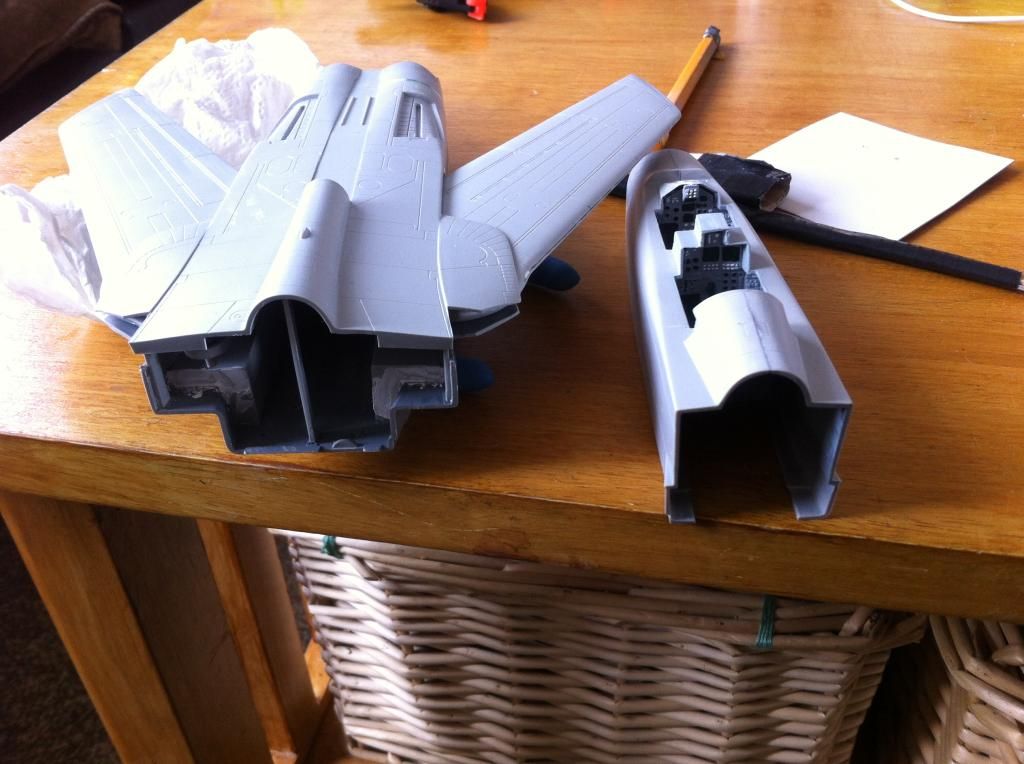


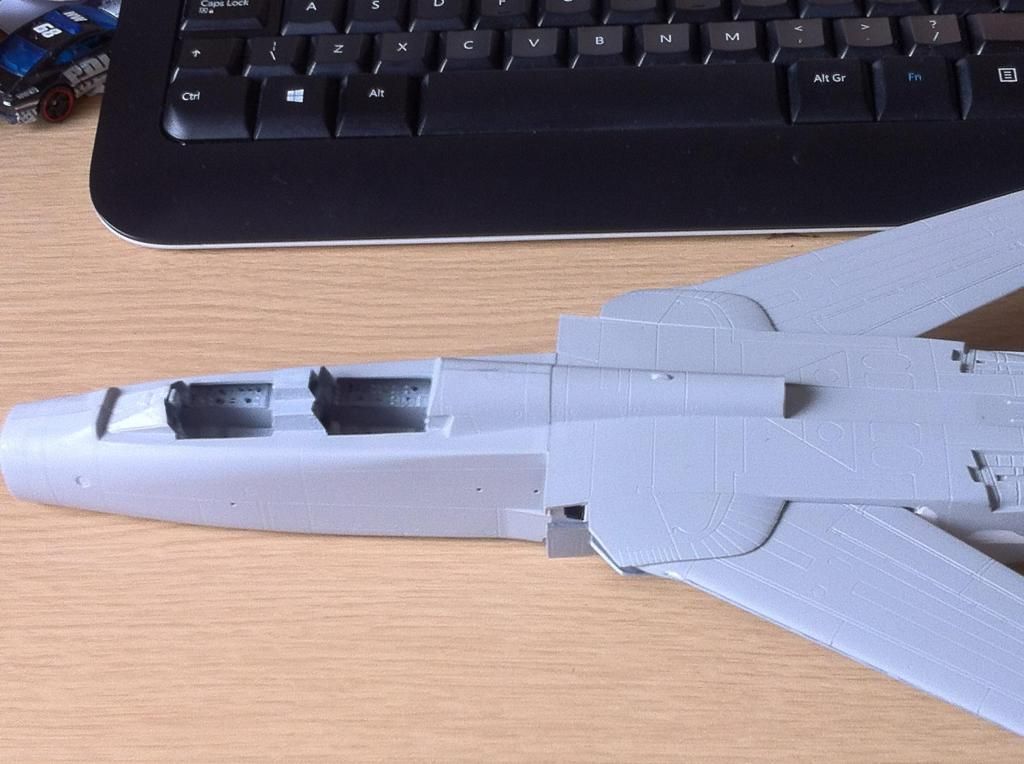

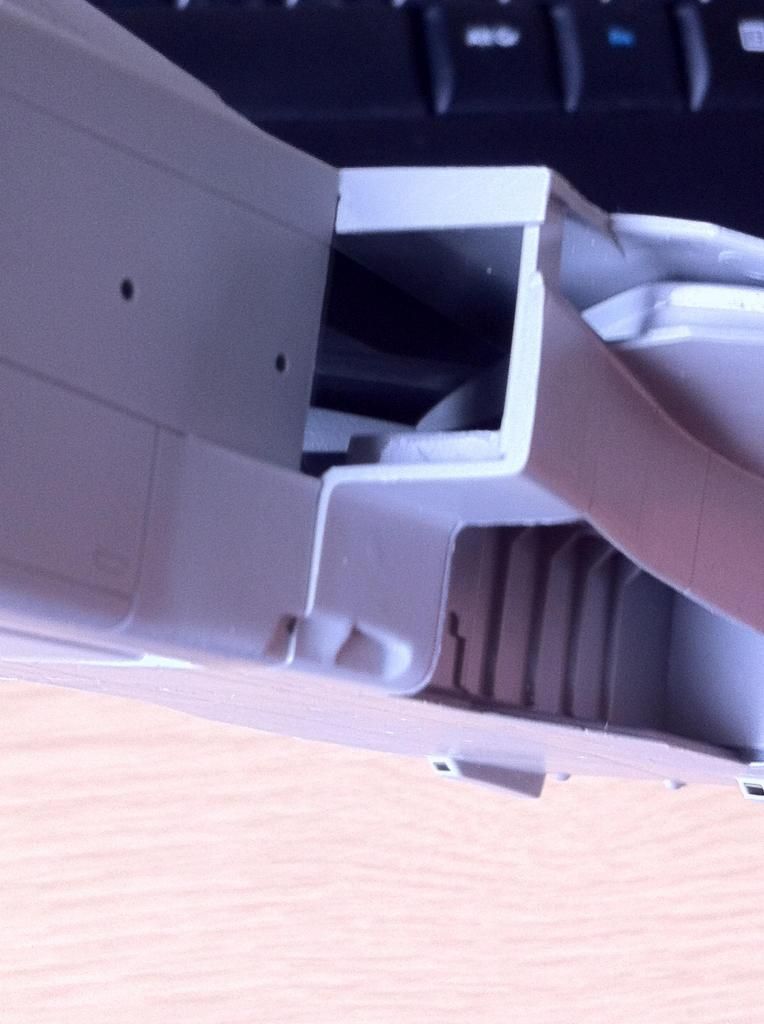
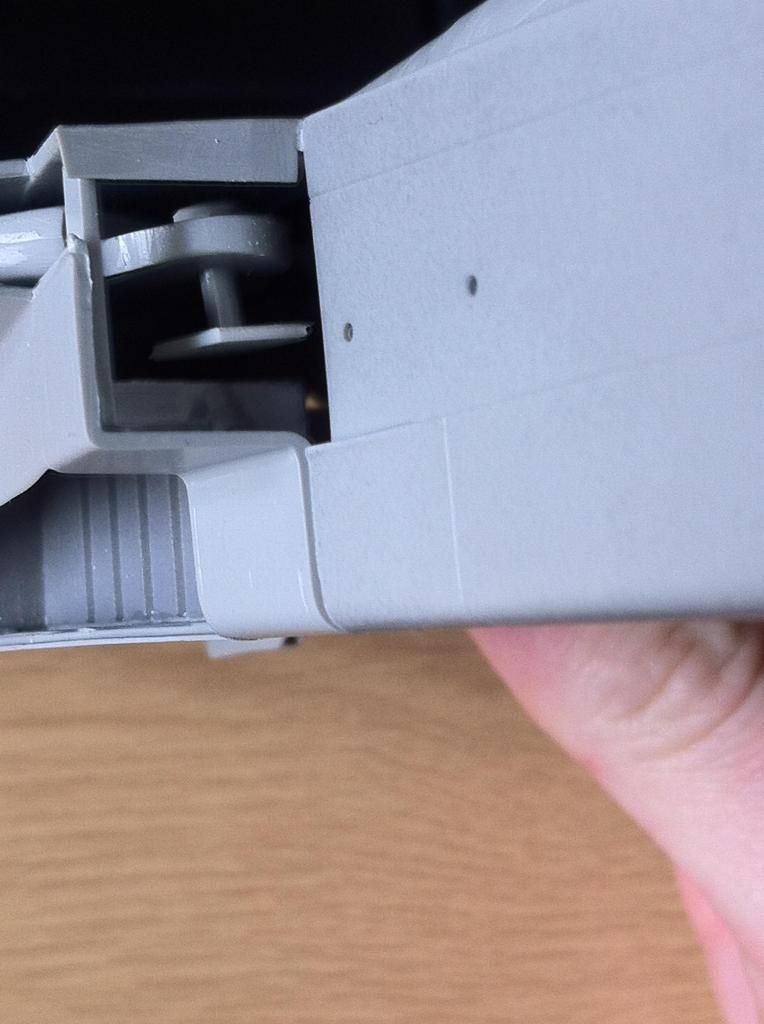
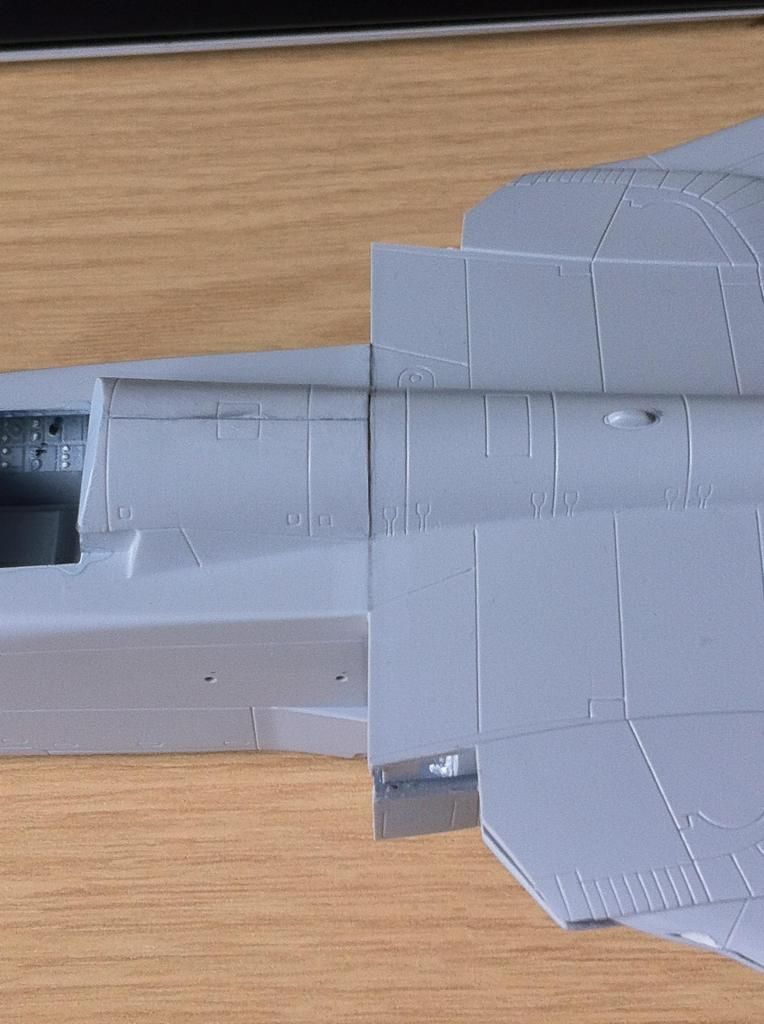
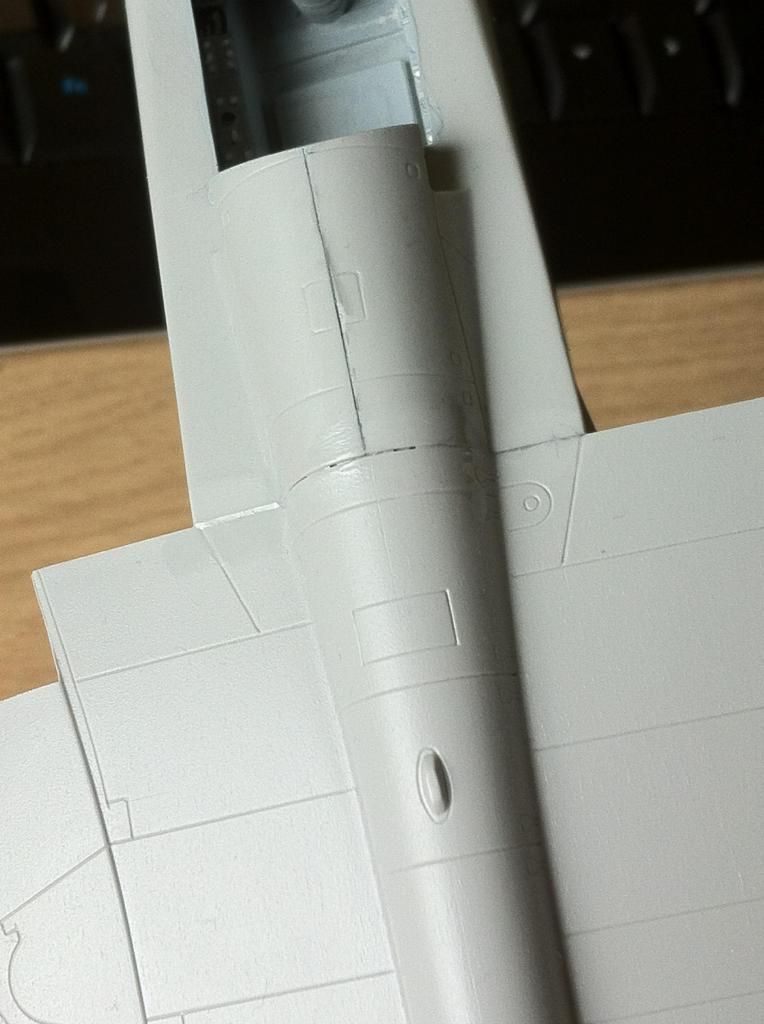
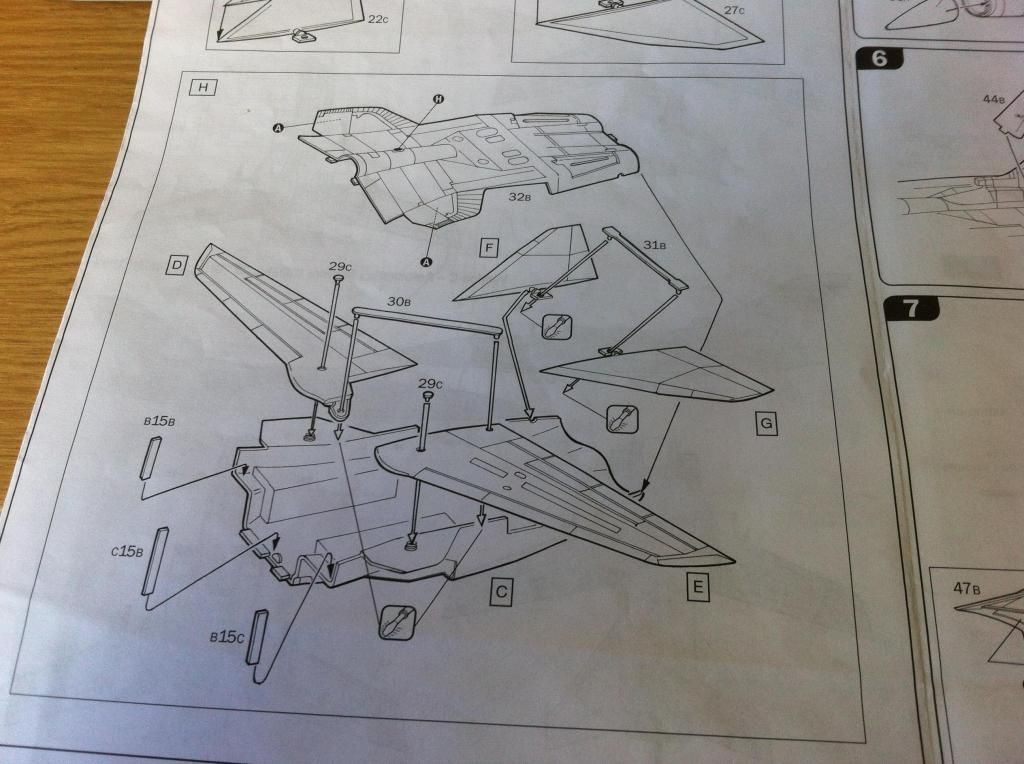
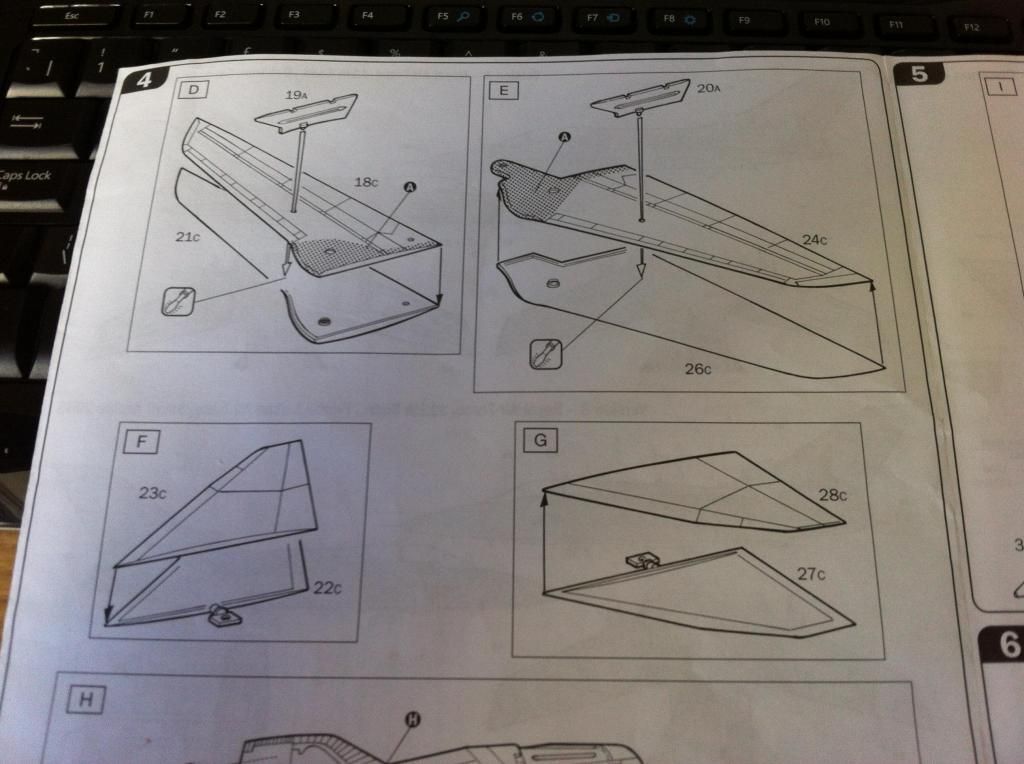

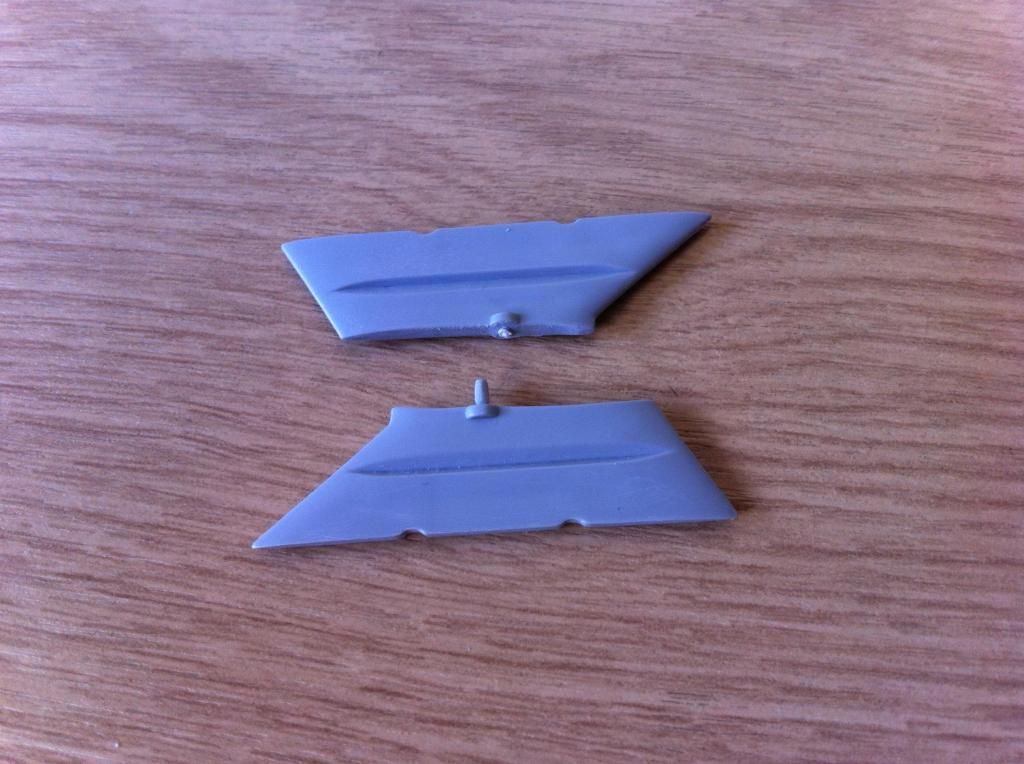
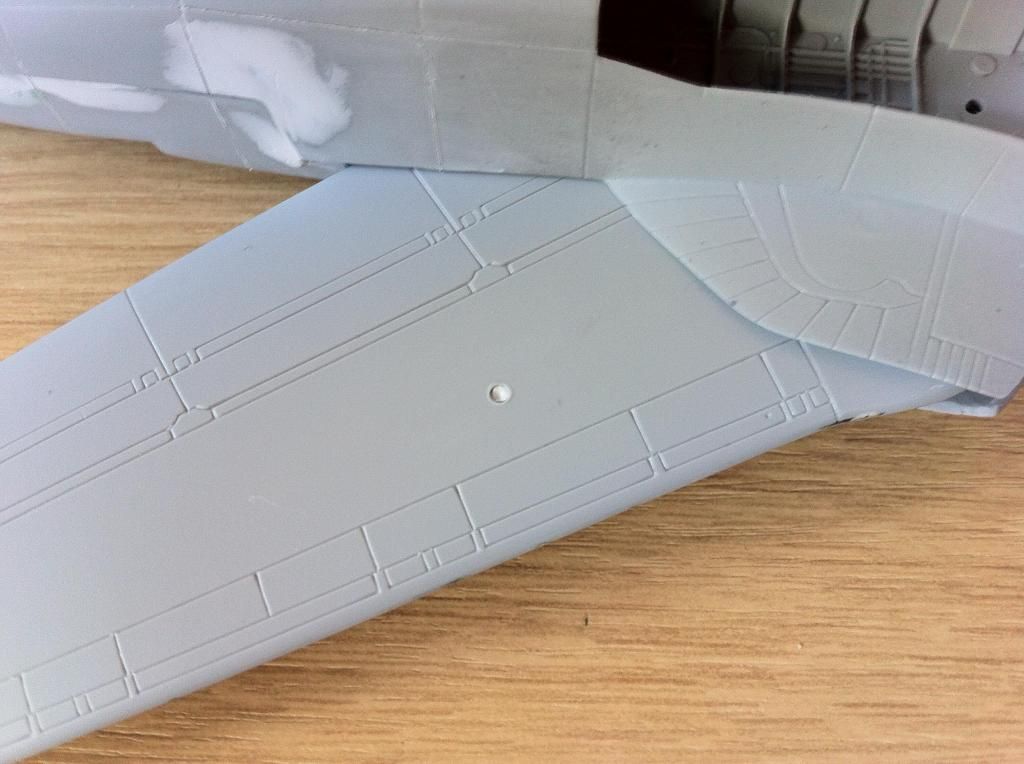
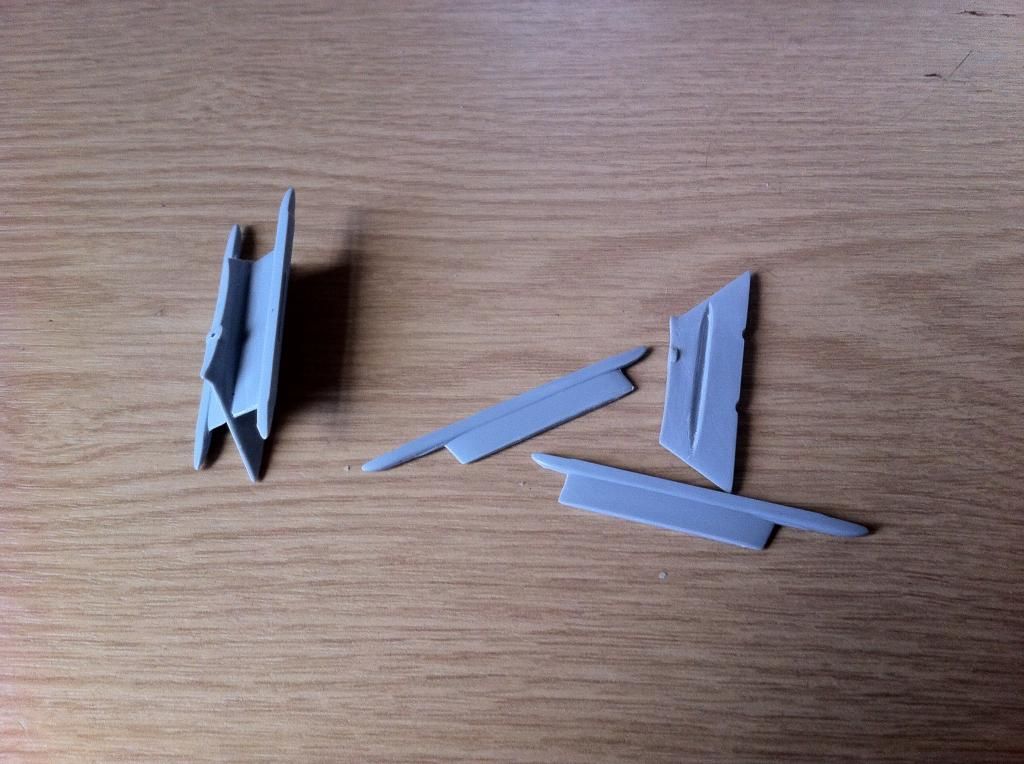
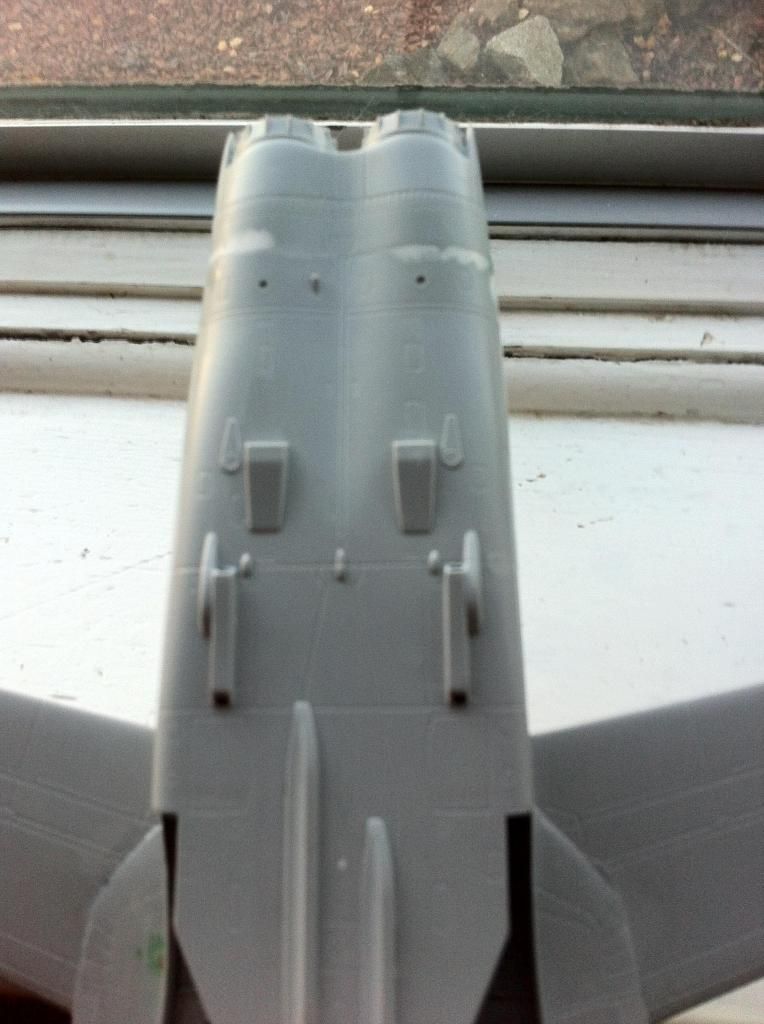
 I can fit the stabilizers to the model at the end after I have finished painting it. There will be no hassle making sure the entire rear fuselage is painted so there are no bare patches when the stabilizers tilt.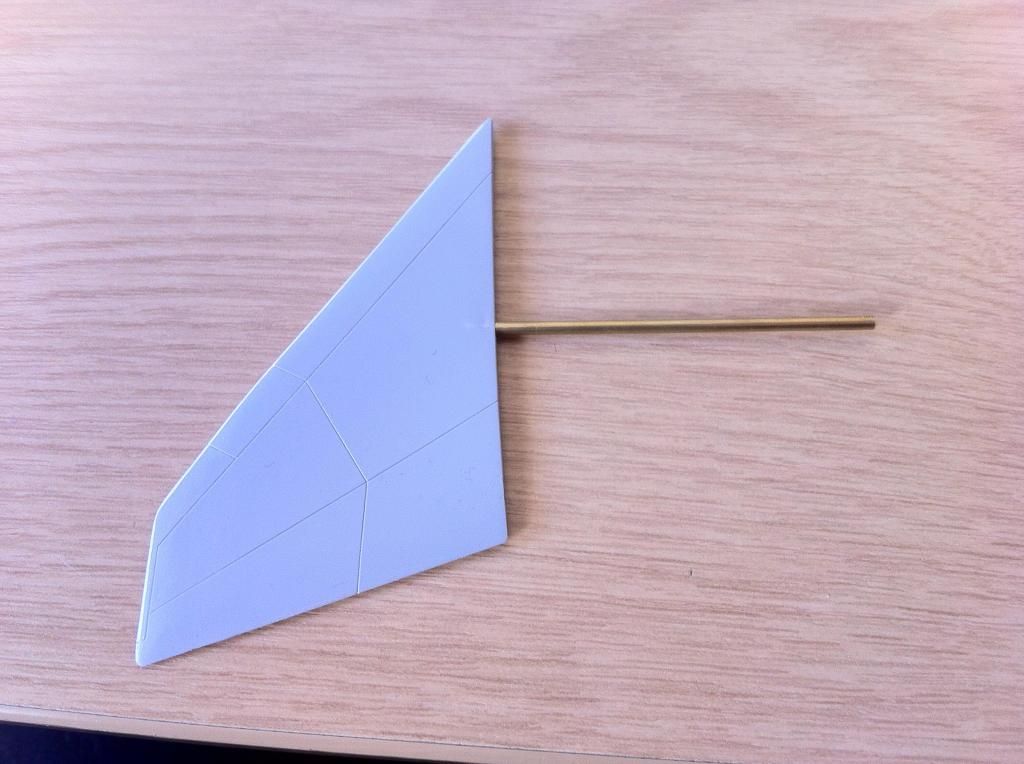
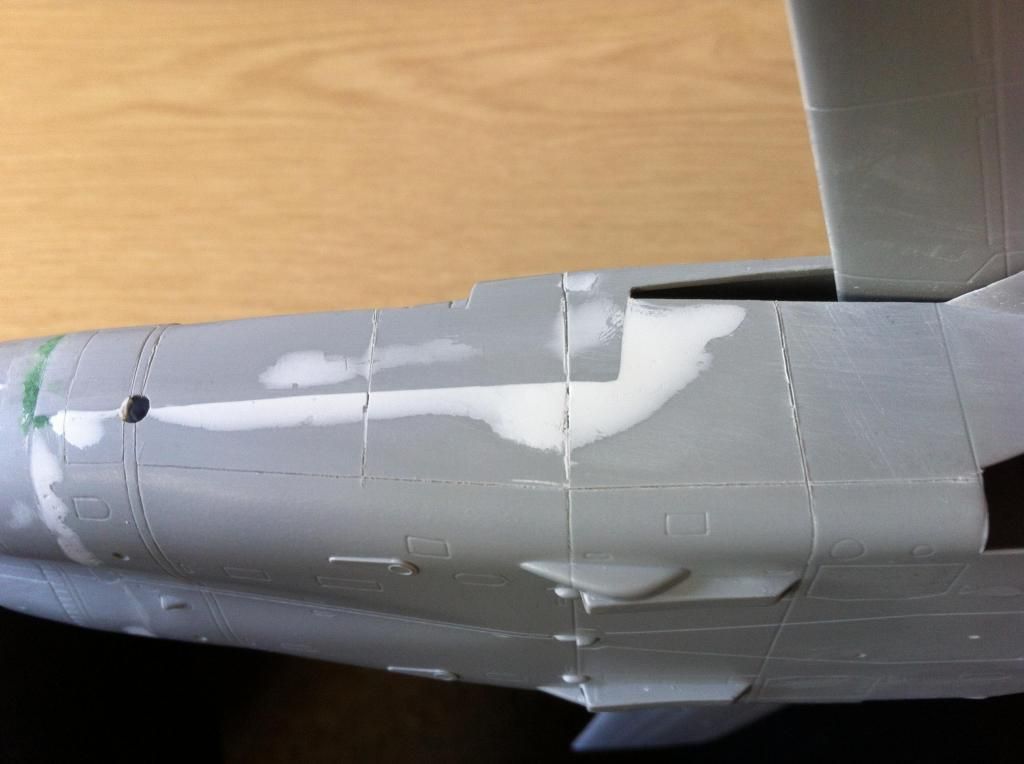
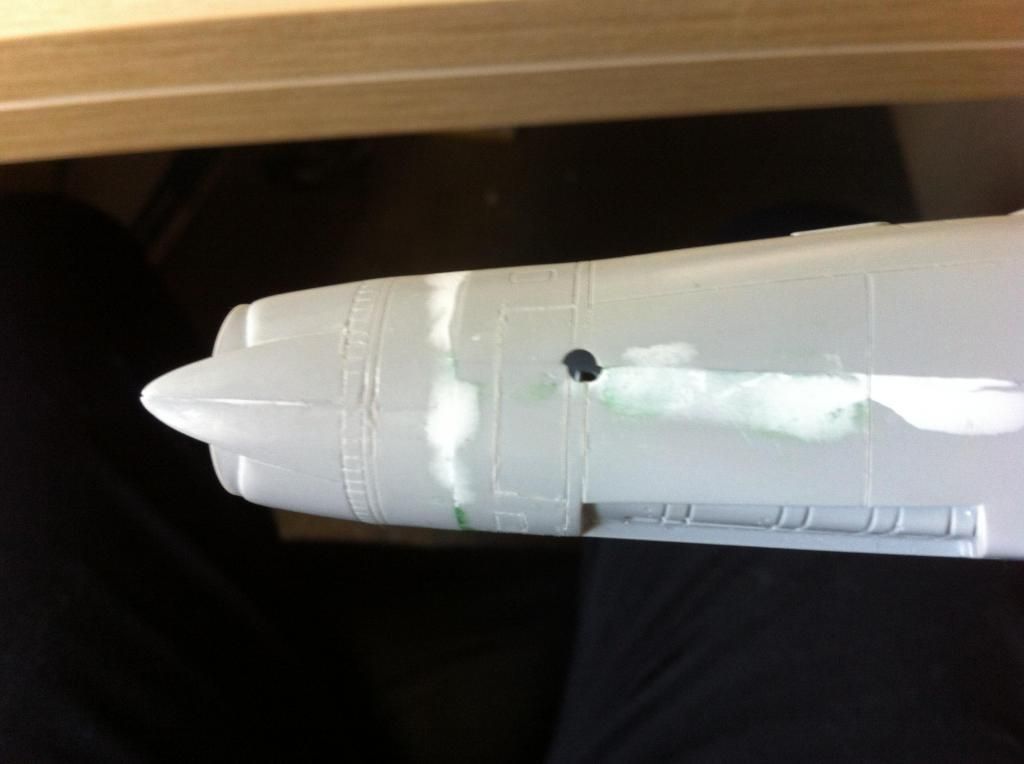


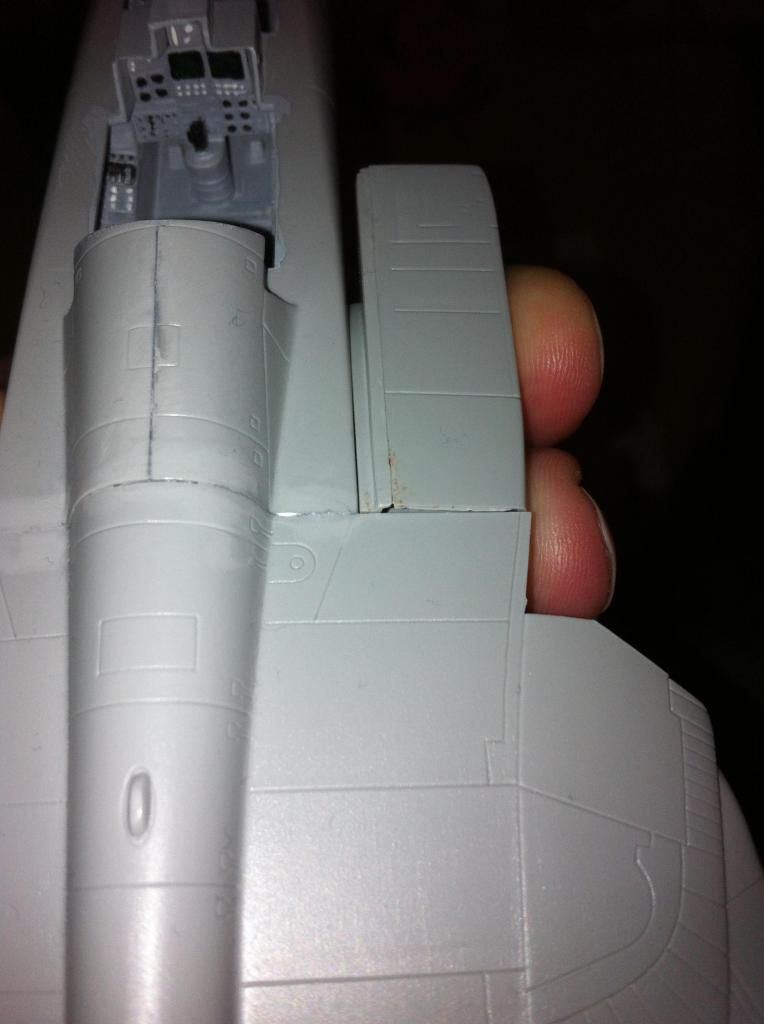
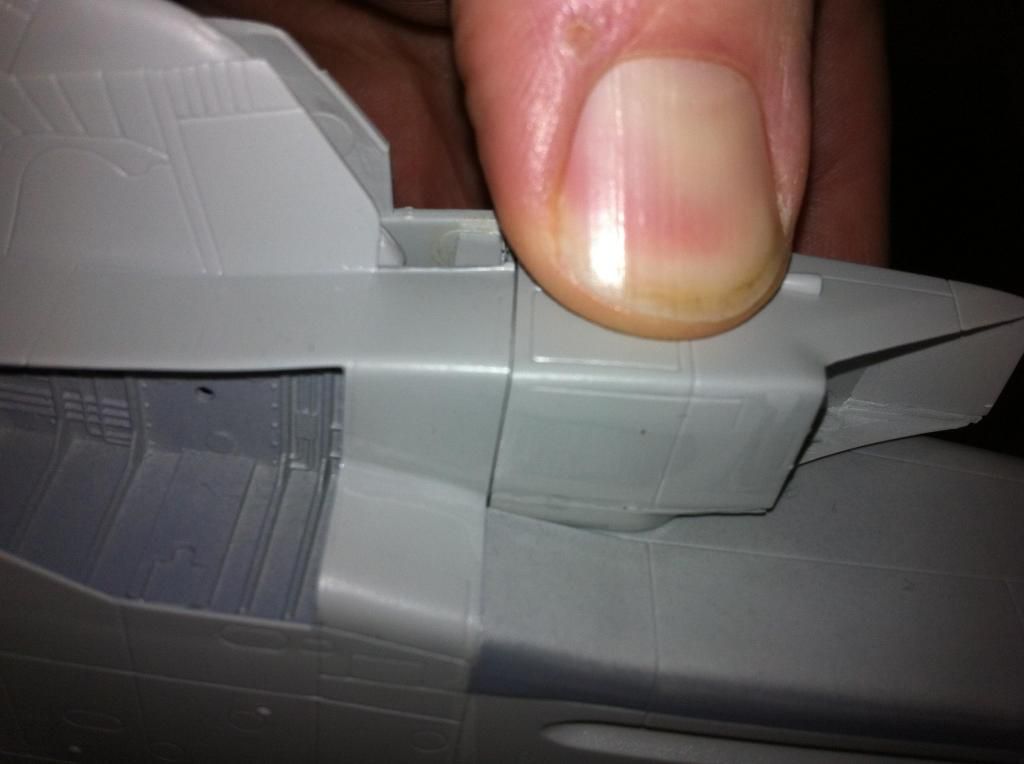
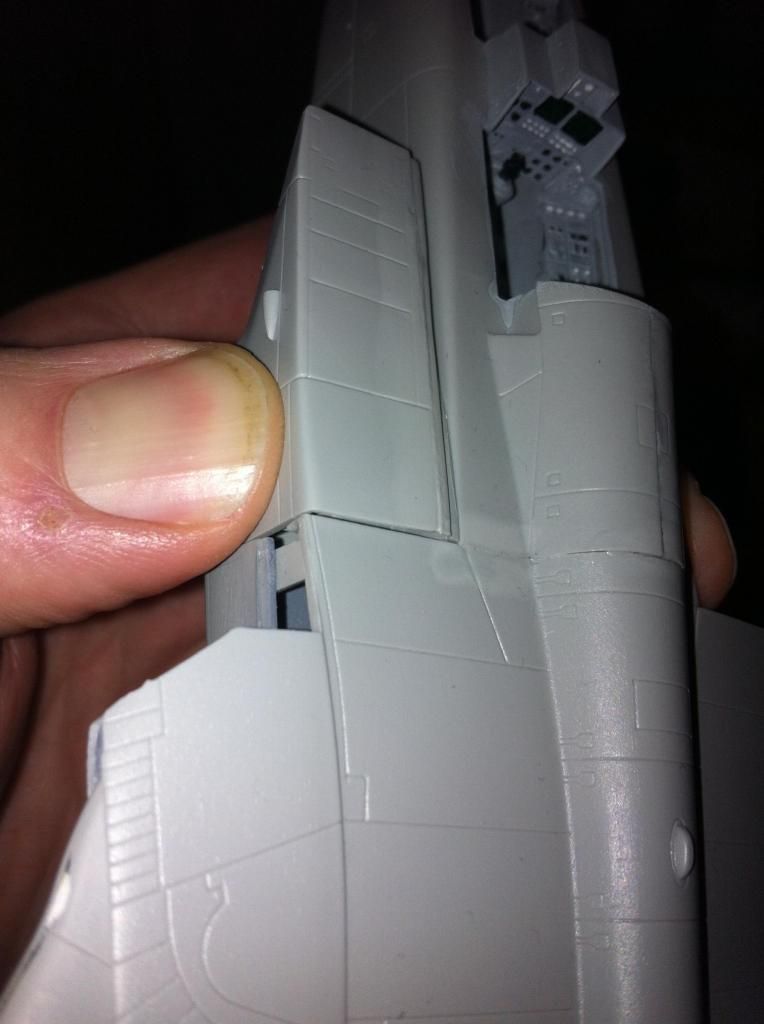
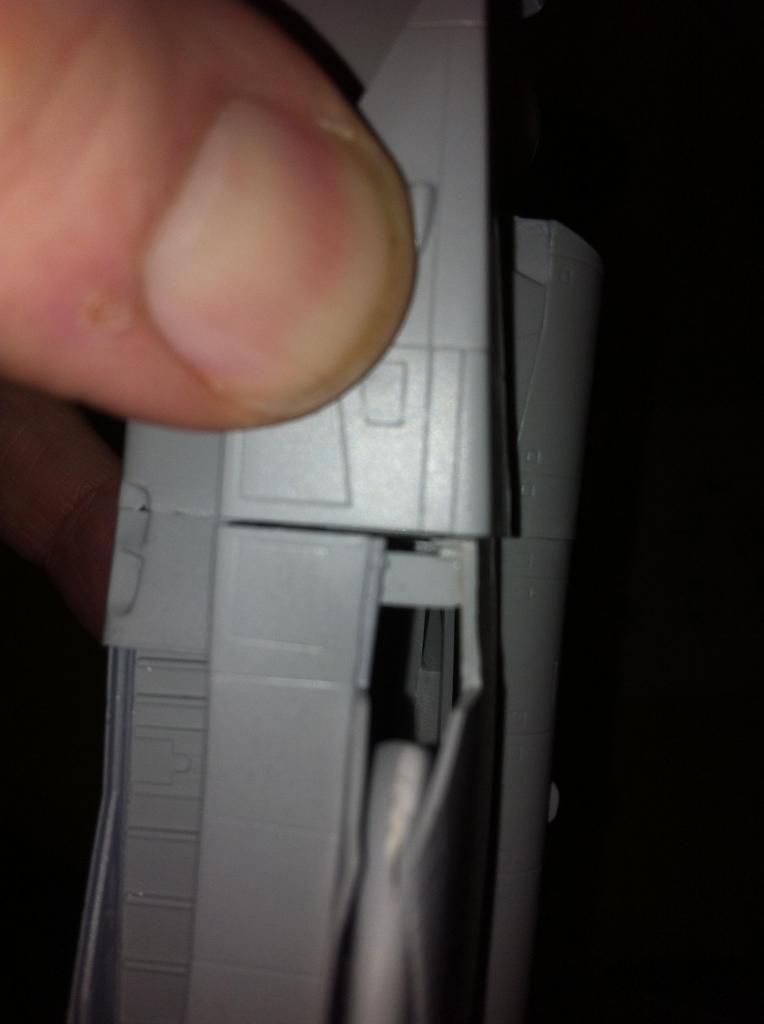


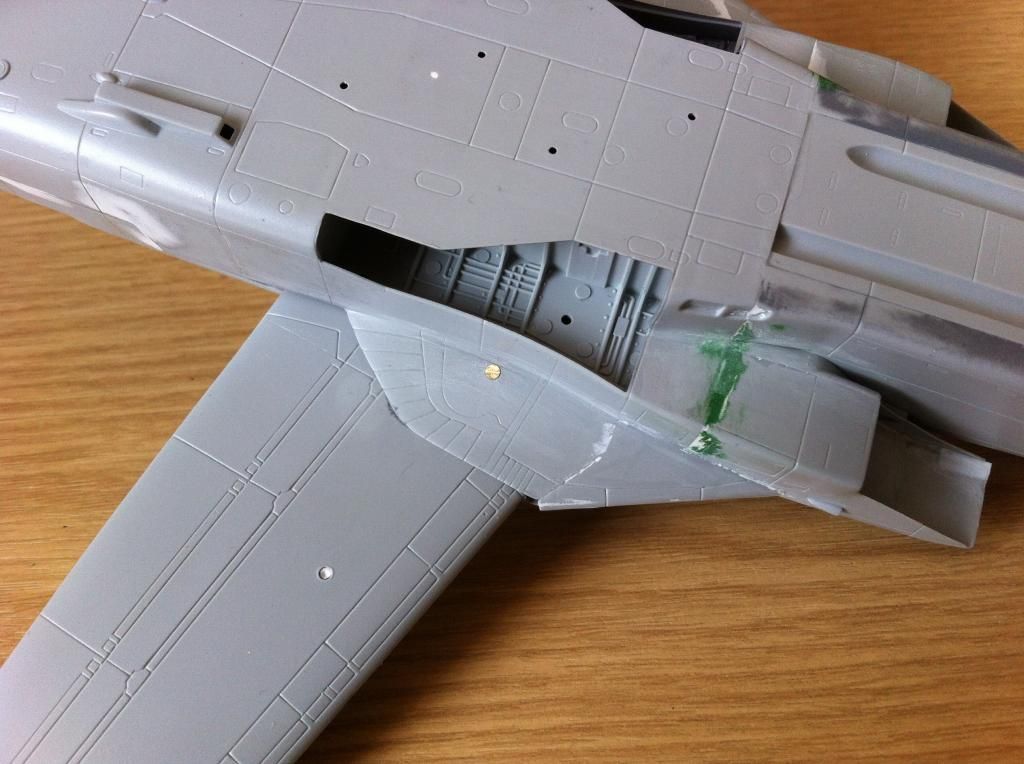
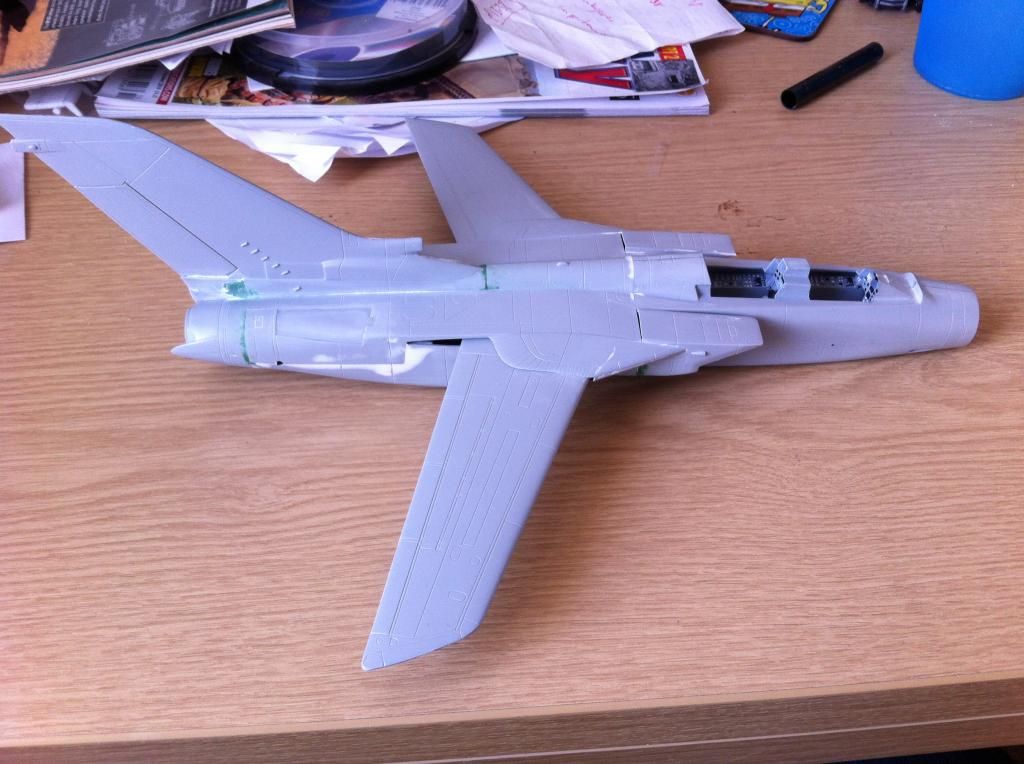
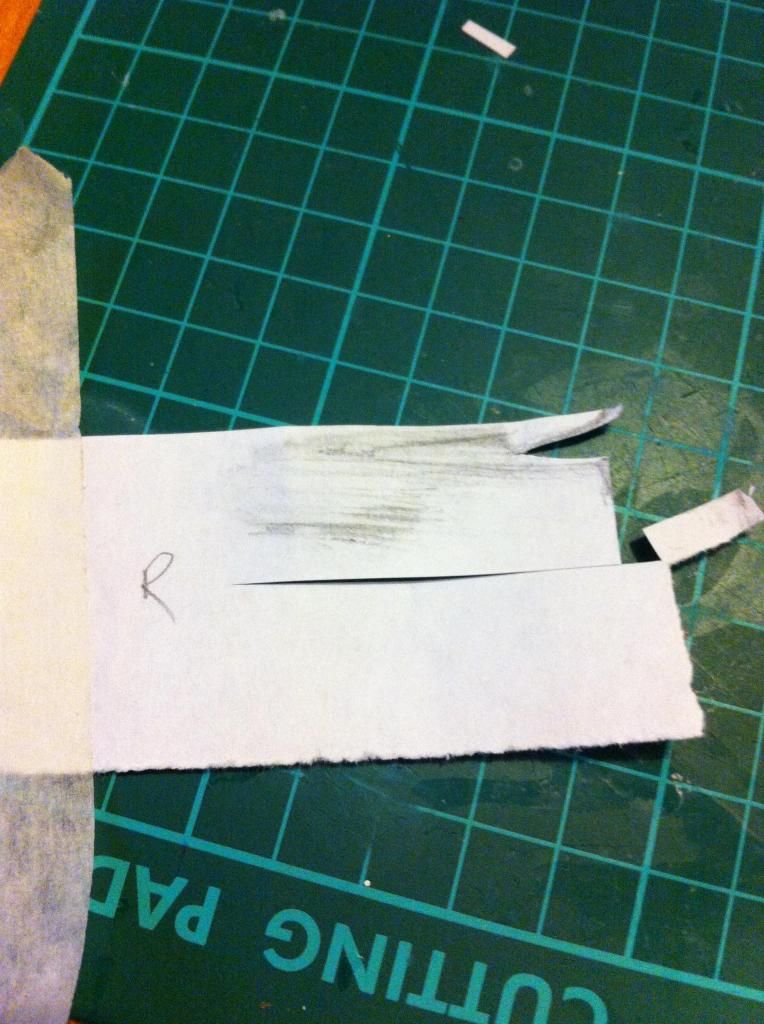
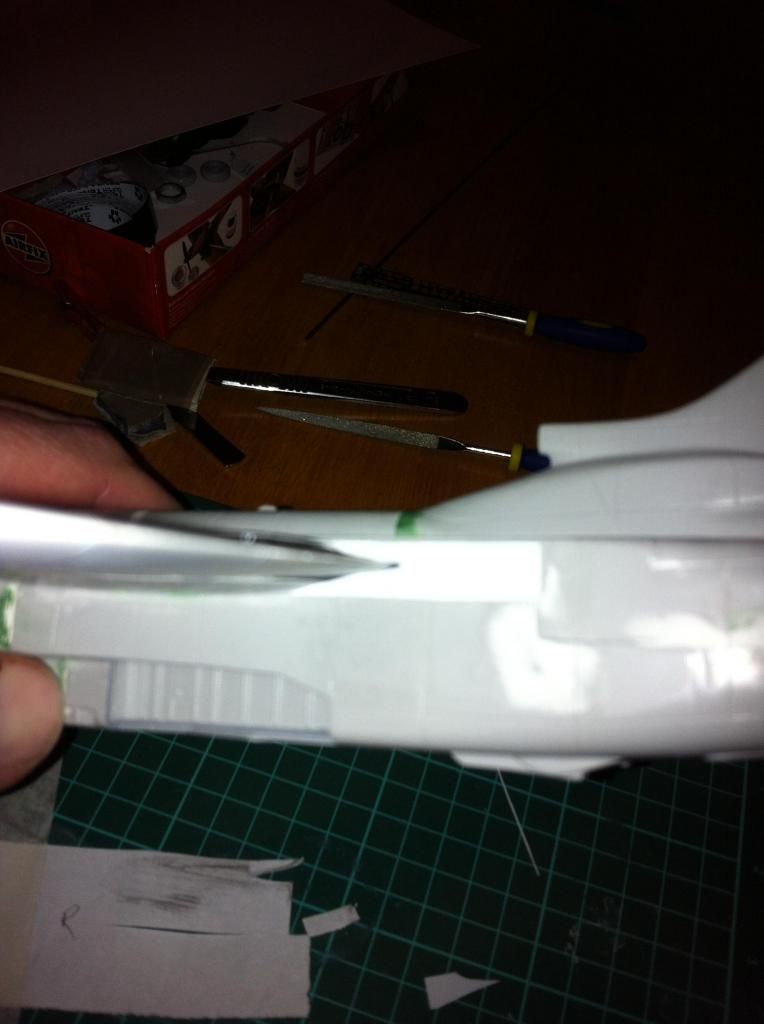
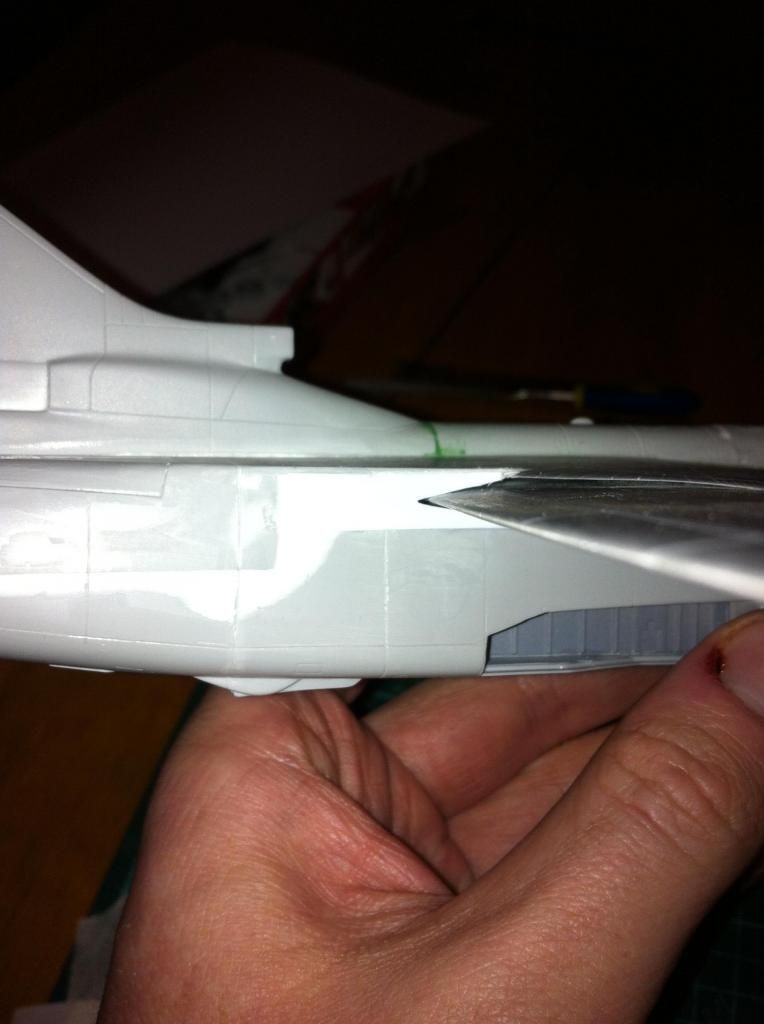

 As I didn't bother doing this the right-side one sat too low into the body. I rectified this by building up layers of filler and then sanding it back to the correct shape and height.
 )
)